
In compact Singapore apartments, maximizing floor space is essential for creating a comfortable, uncluttered living environment. Utilizing vertical wall space with a strategic hanging shelf configuration allows you to display decor, store daily essentials, and organize books without encroaching on precious square footage. The most effective setups combine modular flexibility with layouts tailored to your flat’s specific architectural features, such as structural alcoves, corner spaces, and high walls.
By planning your shelving layout around your home’s unique structural constraints and daily traffic patterns, you can unlock hidden storage potential. Whether you are living in a cozy three-room Build-To-Order (BTO) flat or a modern condominium, selecting the right configurations ensures your storage is both highly functional and visually balanced.
Assessing Your Wall Space and Load Capacity
Before purchasing any hanging shelf system, you must thoroughly evaluate your wall’s physical boundaries and structural composition. Start by measuring the precise vertical and horizontal dimensions of your target wall using a metal measuring tape. Be sure to account for existing architectural features that could obstruct your shelves, such as skirting boards at the floor level, cornices or plaster moldings at the ceiling, electrical switches, light fixtures, and surface-mounted electrical trunking common in older HDB flats. If you plan to install shelves near doors or windows, measure the full swing path of the door or window pane to prevent future collisions.
Products mentioned in this guide
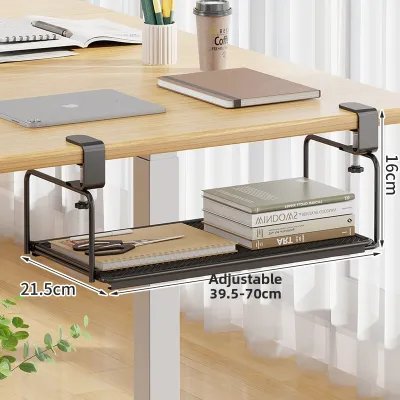
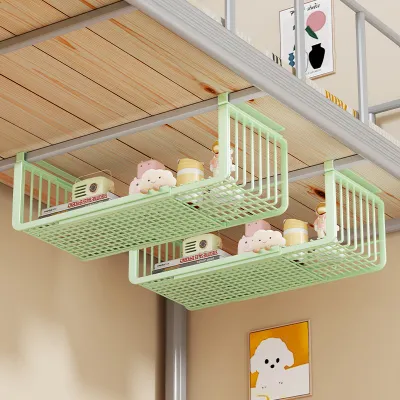
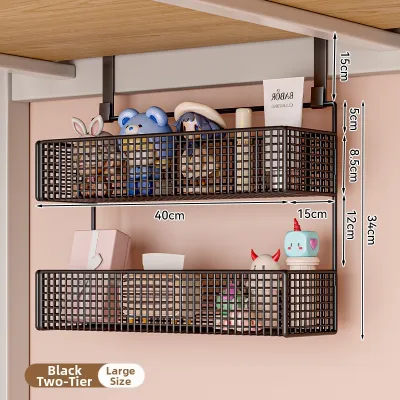
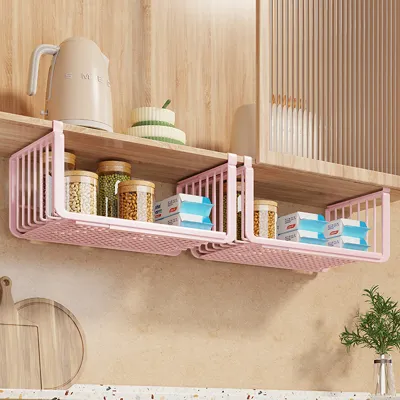
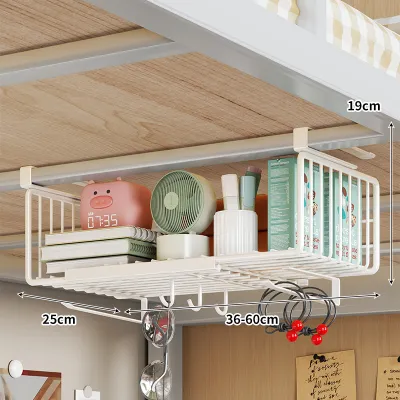
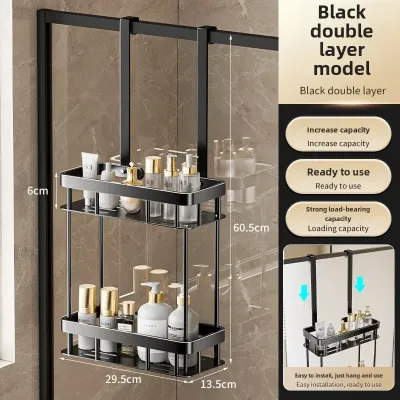
Prices are valid at publication and may change. Please refer to the product page for the latest price.
Identifying the wall material is the single most critical safety step before drilling. Most HDB flats feature structural concrete walls or precast concrete internal partition walls. These walls are exceptionally sturdy and can support heavy loads when paired with the correct masonry drill bits and plastic wall plugs or concrete anchors. However, many modern condominiums and newer BTO layouts utilize drywall or hollow gypsum board partitions to divide bedrooms and study areas. Drywall cannot support heavy vertical loads without specialized anchors, such as metal toggle bolts or hollow-wall anchors, which expand behind the board to distribute weight.
To determine your wall type, use a simple tap test or an electronic stud finder. Tapping a solid concrete or brick wall produces a dull, flat thud, whereas tapping drywall yields a hollow, resonant sound. If your wall is drywall, you must locate the vertical timber or metal studs behind the plasterboard using a stud finder. Anchoring your shelf brackets directly into these structural studs is highly recommended for stability. If you must mount a shelf on the hollow section of a drywall partition, restrict the shelf to lightweight decorative items and verify the manufacturer’s load rating for both the anchor and the shelf bracket.
There are strict safety boundaries you must respect. Never drill into the reinforced concrete walls of an HDB household shelter (commonly known as the bomb shelter), as this compromises its structural integrity and violates local housing regulations. Additionally, always use a multi-detector to scan the wall for hidden electrical conduits and water pipes before drilling, particularly on walls shared with bathrooms or kitchens. If you are unsure of your wall’s composition, or if you plan to install a floor-to-ceiling modular system designed to hold heavy books or kitchenware, consult a qualified professional contractor to perform the structural verification and installation.
Optimal Hanging Shelf Layouts for Compact Rooms
To maximize vertical storage without making a compact room feel cramped, you must select a layout that balances utility with visual lightness. Standard horizontal shelves stacked directly above one another can sometimes create a heavy, blocky appearance that visually shrinks a small room. Instead, consider configurations that work with the room’s natural architecture.

Corner and Alcove Configurations
Corners and structural alcoves are frequently underutilized in compact layouts. Standard HDB and condo floor plans often feature structural columns that create shallow recessed niches. Fitting custom or modular hanging shelves into these alcoves turns awkward architectural features into highly functional storage zones. For instance, installing shallow shelves within a recessed niche in the living room creates a built-in bookshelf effect that sits flush with the main wall, preserving the room’s clean lines.
For open corners, L-shaped hanging shelves are an excellent way to wrap storage around a 90-degree angle. This configuration utilizes the structural strength of two intersecting walls, which can provide additional lateral stability. Alternatively, you can use a staggered or tiered corner layout. By mounting individual shelf boards at alternating heights on adjacent walls, you create a dynamic, open aesthetic. This staggered approach prevents the corner from looking dark and crowded while providing distinct platforms for plants, books, or smart home devices.
Above-Door and High-Wall Layouts
The space directly above door frames and close to the ceiling is one of the most overlooked areas for vertical storage. Utilizing this dead space is highly effective for storing lightweight, infrequently used items such as seasonal decor, travel gear, or archival documents. However, this layout requires precise clearance planning. Ensure there is a minimum clearance of 15 to 20 cm between the top of the door frame and the bottom of the shelf to guarantee the door opens and closes smoothly without any risk of clipping the shelf structure.
When mounting shelves high on a wall, managing visual weight is crucial to prevent the room from feeling top-heavy or claustrophobic. Avoid deep, dark-colored solid wood shelves near the ceiling, as they cast heavy shadows and visually lower the height of the room. Instead, opt for slim profiles, light-colored materials, or open-bracket designs that allow light to pass through. Keeping the items stored on high shelves neatly organized in matching, low-profile baskets or boxes also helps maintain a clean, visually quiet aesthetic.
Choosing the Right Sizes and Modular Dimensions
Selecting the correct physical dimensions for your hanging shelves ensures they remain highly functional without obstructing daily foot traffic. In narrow walkways, entryways, or tight corridors common in HDB flats, stick to shallow shelf depths of 15 to 20 cm. This depth is ideal for holding keys, mail, small smart speakers, or picture frames while ensuring family members do not accidentally bump their shoulders against the shelves. For dedicated storage areas, such as a home office wall or a living room display setup, you can opt for deeper shelves of 25 to 30 cm, which comfortably accommodate standard books, binders, and storage boxes.
The width of your shelves should complement the overall proportions of the wall. Long, continuous horizontal shelves can dominate a small room and make it feel rigid. To counter this, play with asymmetric spacing and varying shelf widths. For example, grouping three shelves of different lengths (such as 60 cm, 90 cm, and 120 cm) in an offset, stepped pattern creates a modern, airy feel. This layout guides the eye upward and diagonally, making the wall appear larger than it actually is.
For maximum long-term flexibility, modular hanging systems are highly superior to fixed single shelves. Systems utilizing wall-mounted vertical uprights (such as twin-slot tracks) allow you to adjust the height and spacing of individual shelves easily. As your storage needs change—such as accommodating taller kitchen appliances or a growing collection of books—you can simply reposition the brackets along the tracks without drilling new holes into your walls. This adaptability is particularly valuable in dynamic households where rooms serve multiple functions over time.
Installation Clearances and Common Sizing Mistakes
A successful hanging shelf installation requires careful consideration of the surrounding environment to prevent functional conflicts. One of the most critical safety clearances involves ceiling fans, which are staple fixtures in Singaporean homes. Always measure the maximum blade sweep radius of your ceiling fan before planning any high-wall shelf. Ensure the edge of the shelf and any items placed upon it sit well outside this sweep path to avoid catastrophic contact.
Air conditioning fan coil units (FCUs) also require strict clearance zones. Never install a hanging shelf directly flush against the bottom or sides of an air conditioner. Most manufacturers recommend leaving a minimum clearance of 15 to 20 cm around the unit to allow for unrestricted airflow, routine servicing, and filter removal. Similarly, check the clearance of window swings and curtain tracks. A shelf installed too close to a window frame can block the window from opening fully or pinch your curtains, leading to fabric damage or restricted ventilation.
The most common sizing and layout mistake is overloading a shelf beyond its structural capacity. Always check the manufacturer’s specified load limit for the shelf board, the brackets, and the wall anchors you are using. Remember that the overall weight capacity is determined by the weakest link in your installation; high-quality steel brackets will still fail if they are mounted into drywall with weak plastic plugs. Additionally, avoid placing deep shelves in high-traffic pathways where they obstruct natural movement. Always leave at least 90 cm of clear walkway width in corridors and around furniture pieces to ensure comfortable passage.
Frequently Asked Questions (FAQ)
Can I install hanging shelves in a rented HDB or condo without drilling?
If you are renting an apartment and want to avoid drilling holes, your options for hanging shelves are limited by weight capacity. Tension pole shelving systems that wedge securely between the floor and ceiling are a highly reliable, damage-free alternative for organizing books or plants. Heavy-duty adhesive hooks or adhesive-mounted shelves may seem convenient, but they are strictly limited to very light decorative items (typically under 1.5 kg) and carry a high risk of peeling off paint, plaster, or wall screed when removed. Always check your tenancy agreement and verify the manufacturer’s weight limits before applying any adhesive solutions.
Are hanging shelves safe for humid areas like bathrooms and kitchens?
Hanging shelves can be safely installed in humid environments like bathrooms and kitchens, provided you select materials designed to withstand moisture. Look for manufacturer specifications indicating rust-resistant finishes, such as powder-coated steel, anodized aluminum, or stainless steel. For wooden shelves, avoid untreated solid wood or standard MDF, which swell and warp when exposed to humidity. Instead, opt for moisture-treated engineered wood, natural teak sealed with water-resistant varnish, or durable plastics. Additionally, ensure your bathroom or kitchen has adequate ventilation, and avoid mounting shelves directly inside the splash zone of the shower or sink.
Community discussion
Share your experience or ask a question. Comments are reviewed before publication.