
Finding the right kitchen side cabinet in Singapore requires balancing space constraints, tropical humidity, and aesthetic preferences. While many brands claim to offer custom solutions, the level of actual personalization varies. Some suppliers provide modular units with limited size adjustments, while others deliver fully bespoke carpentry tailored to the millimeter. To identify the best customization options, you must evaluate brands based on their material specifications, design flexibility, hardware quality, and local installation expertise.
A well-designed side cabinet serves as an essential extension of your primary kitchen setup. It provides dedicated storage for small appliances, extra pantry items, or specialized dinnerware, helping to declutter main countertops. By understanding the core standards of high-quality construction and the specific spatial challenges of local housing layouts, you can confidently navigate the market and select a provider that delivers both functional value and long-term durability.
Navigating the local cabinetry market requires a systematic approach. By understanding what separates high-grade materials from inferior alternatives, identifying the essential customization options for local homes, and knowing the right questions to ask, you can secure a side cabinet that fits perfectly and stands the test of time.
Products mentioned in this guide
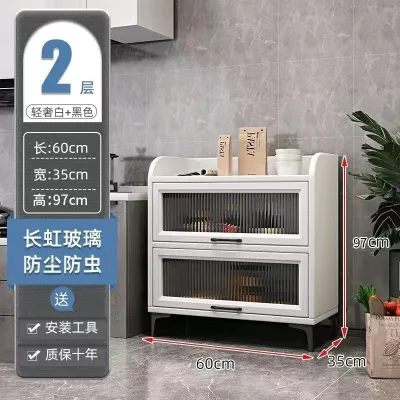
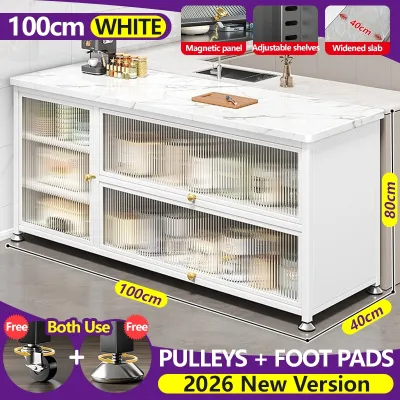
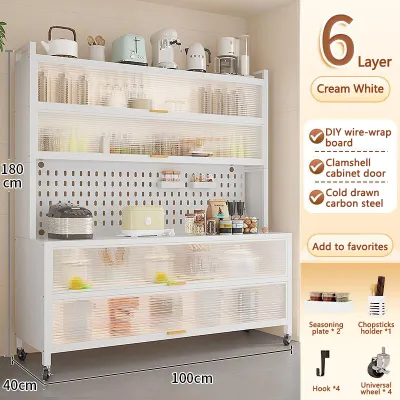
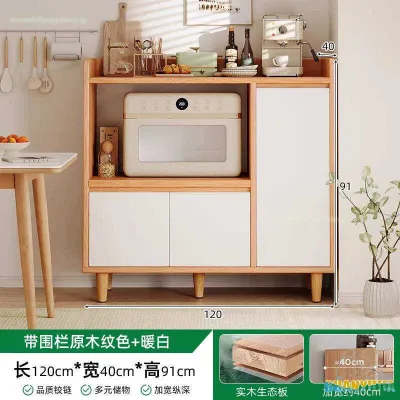
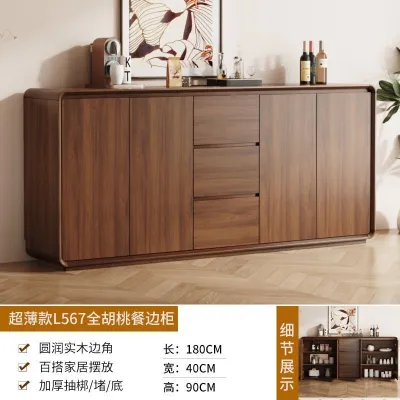
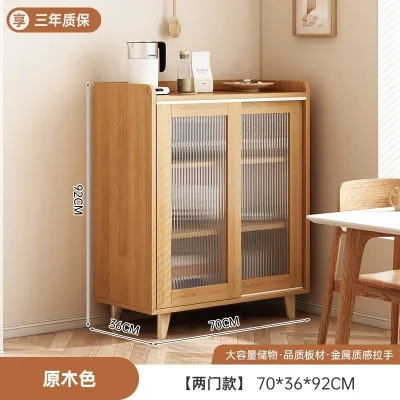
Prices are valid at publication and may change. Please refer to the product page for the latest price.
What Defines High-Quality Custom Kitchen Side Cabinets?
Core Materials and Structural Grades
Evaluating the core materials of a custom kitchen side cabinet is the first step in ensuring its longevity. In Singapore’s humid climate, the choice of carcase material significantly impacts structural stability. Solid plywood is a common choice for high-moisture areas due to its cross-laminated construction, which resists warping better than standard particleboard or medium-density fibreboard (MDF). When reviewing manufacturer specifications, check the thickness of the panels; high-quality cabinets typically utilize 15mm to 18mm thick plywood for the carcase and shelves to prevent sagging under heavy loads. Additionally, request information on the structural grade and formaldehyde emission levels (such as E1 or E0 grades) to ensure the materials meet safety standards for indoor air quality and do not emit harmful gases.
Hardware and Mechanical Components
The moving parts of a side cabinet endure the most wear and tear over time. High-quality customization should always include premium hardware that is rated for heavy daily use. When assessing drawer runners, look for full-extension, undermount slides with a minimum load-bearing capacity of 30 kilograms, which ensures drawers remain stable even when filled with heavy ceramic tableware, cast iron pots, or small kitchen appliances. Soft-close hinges are equally critical; they prevent doors from slamming, reducing mechanical stress on the cabinet joints. Verify the brand of hardware being used and check if the manufacturer provides a dedicated warranty on these moving components, as reputable hardware brands often offer extended or lifetime guarantees on their mechanisms, protecting your investment for years.
Edge Banding and Joint Integrity
Moisture ingress is the primary cause of cabinet degradation, making edge banding and joint construction vital quality indicators. Inspect the edges of cabinet doors and carcase panels to ensure they are sealed with durable Acrylonitrile Butadiene Styrene (ABS) edge banding rather than thin, brittle PVC. High-quality fabricators use advanced hot-melt polyurethane (PUR) adhesives or laser edge banding technology, which creates a seamless, highly water-resistant barrier along the edges. Joint construction should rely on sturdy methods such as dowels, wood screws, and internal corner blocks rather than simple staples or nails. Properly sealed joints and thick back panels (at least 9mm to 12mm) prevent moisture from seeping in from the wall behind the cabinet, preserving the structural integrity of the entire unit.
Essential Customization Options for Singapore Kitchens
Spatial Adaptation and Clearances
Singapore homes, particularly HDB flats and compact condominiums, often feature challenging layouts with structural beams, utility pipes, or narrow walkways. Custom side cabinets must be tailored to these specific dimensions to maximize available space without obstructing traffic flow. When planning the installation, ensure there is a minimum clearance of 900 millimeters to 1200 millimeters in front of the cabinet to allow doors and drawers to open fully while leaving room for a person to pass. Customization options should allow you to adjust the cabinet depth—such as opting for a shallow 300mm depth in tight walkways or a deeper 600mm configuration to accommodate built-in appliances like microwave ovens, coffee machines, or wine chillers. Accurate vertical customization also allows the cabinet to extend fully to the ceiling, eliminating dust-gathering gaps.

Internal Storage Configurations
The true value of a custom side cabinet lies in its ability to organize your specific kitchen inventory. Instead of basic fixed shelves, look for brands that offer highly adjustable shelving systems with metal support pins and pre-drilled holes. Specialized internal fittings, such as pull-out pantry tall units, vertical tray dividers for baking sheets, and corner carousels like LeMans trays, allow you to utilize every cubic centimeter of storage. For drawers, customizable peg systems or modular dividers help secure plates, bowls, and utensils, preventing them from shifting when the drawer is opened. Discuss your specific storage needs with the designer to ensure the internal layout is optimized for your daily cooking habits, making frequently used items easily accessible.
Climate-Specific Engineering
Singapore’s high relative humidity levels demand specific design features to prevent mold growth and material degradation. A well-engineered custom cabinet should include built-in ventilation features, especially if it houses electrical appliances or is positioned against an external wall. Ask the brand about incorporating ventilation grilles or leaving a small air gap behind the cabinet back panel to promote air circulation. Furthermore, the base of the cabinet (the plinth) should be constructed with moisture-resistant materials and fitted with a rubber seal or elevated on adjustable water-resistant legs to protect the wooden structure from dampness during regular floor mopping. Always consult the manufacturer’s care instructions to understand the specific humidity tolerances of the selected finishes.
How to Evaluate and Shortlist Local Cabinet Brands
Showroom and Portfolio Inspections
Before committing to a cabinet brand, visiting their physical showroom is essential to assess the tangible quality of their work. Do not rely solely on digital renders or catalog photos, which can mask minor imperfections. In the showroom, closely inspect the display units: open and close drawers to test the smoothness of the runners, check if door panels align perfectly when closed, and run your fingers along the edges to feel for any sharp or peeling laminate seams. Ask to see a portfolio of completed local residential projects, paying attention to how the carpenters handled challenging installations, such as scribing cabinets around uneven walls, structural pillars, or exposed piping in older HDB flats.
Service Scope and Measurement Accuracy
A successful custom cabinet project relies heavily on precise measurement and professional installation. Confirm whether the brand provides comprehensive, end-to-end services, starting with an on-site laser measurement conducted by their technical team. Relying on floor plans alone is risky, as actual wall dimensions and angles often deviate from official blueprints. Inquire about the design process: the brand should provide detailed 3D renderings or CAD drawings for your approval before production begins. Additionally, clarify whether the installation will be carried out by the brand’s own trained in-house carpenters or outsourced to third-party sub-contractors, as in-house teams typically offer better quality control, smoother communication, and higher accountability.
Warranty and After-Sales Support
A custom kitchen side cabinet is a long-term investment, making robust warranty coverage essential. It is important to distinguish between a warranty on hardware (which is often covered by the hardware manufacturer) and a warranty on the cabinet construction and workmanship. Ask for a written warranty document detailing the specific terms, coverage duration (ideally between 1 to 5 years for local carpentry workmanship), and any exclusions, such as damage caused by plumbing leaks, accidental impact, or improper care. Evaluate the brand’s reputation for responsiveness by checking customer reviews regarding their after-sales service, particularly how quickly they attend to post-installation adjustments like sagging doors or misaligned drawers as the cabinet settles.
Critical Questions to Ask Before Finalizing Your Order
Cost Transparency and Budget Planning
To avoid unexpected expenses, request a fully itemized quotation in Singapore Dollars (SGD) before signing any contract. The quotation should clearly break down the costs for materials, finishes, hardware, delivery, and installation. Ask explicit questions about potential hidden fees: Are there additional charges for custom sizing, specific laminate selections, or premium hardware upgrades? If you live in an older apartment without direct lift access, inquire if there are walk-up fees for carrying heavy cabinet panels up the stairs. Additionally, confirm if the disposal of any existing cabinetry is included in the quoted price or if it requires a separate service fee, allowing you to budget accurately.
Timeline and Project Management
Understanding the production schedule helps you plan your renovation and manage daily household disruptions. Custom cabinet fabrication in Singapore typically takes between 4 to 8 weeks, depending on the complexity of the design and the source of the materials. Ask the brand for a detailed timeline that outlines key milestones, including the final site measurement date, design sign-off, factory fabrication period, delivery date, and the estimated number of days required for on-site installation. Ensure you have a designated project coordinator or contact person who will provide regular updates and manage any scheduling adjustments, minimizing the risk of prolonged delays.
Modification and Error Policies
Despite careful planning, design adjustments or manufacturing errors can occur during a custom project. It is crucial to understand the brand’s policies regarding these scenarios before production begins. Ask about the cut-off date for making modifications to the design or material selection without incurring financial penalties. Furthermore, clarify how the brand handles errors that are discovered during installation: If a cabinet panel is mismeasured or damaged during transport, who covers the cost of the replacement, and what is the turnaround time for fabricating and installing the corrected part? A reliable brand will have a clear, documented process for rectifying such issues promptly, ensuring your project stays on track.
Frequently Asked Questions (FAQ)
How long does it typically take to customize and install kitchen side cabinets?
The entire process generally spans 4 to 8 weeks from the initial consultation to final installation. Once you finalize the design and the technical team completes the on-site laser measurements, the fabrication of the cabinet panels takes approximately 3 to 6 weeks in the workshop. On-site installation of a single side cabinet is relatively quick, typically requiring 1 to 2 days, which includes mounting the structure, aligning the doors, and installing the hardware.
Can I mix custom side cabinets with my existing kitchen setup?
Yes, you can integrate a new custom side cabinet with an existing kitchen layout, though matching materials exactly can be challenging. Due to variations in manufacturing batches and the natural aging or UV fading of older cabinets, new laminates or wood veneers may not match your existing units perfectly. To achieve a cohesive look, consider choosing a contrasting accent color or a complementary material that intentionally stands out, rather than attempting an imperfect match.
What maintenance is required for custom cabinets in high-humidity environments?
To preserve the finish and structural integrity of your custom cabinets, check the manufacturer’s care instructions for specific guidelines. Generally, you should wipe down the surfaces regularly with a damp, non-abrasive microfiber cloth and mild soapy water, followed immediately by drying with a clean, dry cloth to prevent moisture from sitting on laminate seams. Avoid using harsh chemical solvents or abrasive scrubbing pads, and ensure the kitchen remains well-ventilated by opening windows or running an exhaust fan during and after cooking to reduce humidity buildup.
Community discussion
Share your experience or ask a question. Comments are reviewed before publication.