
Optimizing limited floor space is a top priority for many homeowners in Singapore, making a kitchen island table movable option an incredibly practical addition to modern layouts. As residential footprints in HDB flats and condominiums become more compact, fixed kitchen installations can sometimes restrict movement and limit layout flexibility. A customizable mobile island offers a versatile alternative, serving as an adjustable food preparation zone, a casual dining counter, or an extra storage hub that can be repositioned at a moment’s notice.
Finding the perfect movable island involves deciding between local custom carpentry firms—which build fully bespoke units from scratch—and modular furniture brands that offer semi-custom configurations. By understanding how to evaluate these brands, assess construction quality, and select the right materials, you can design a mobile workstation that perfectly complements your kitchen’s workflow and aesthetic.
Why a Customizable Movable Island Table Fits Singapore Kitchens
Singapore’s residential landscape is dominated by high-density housing where kitchen space is often at a premium. In typical HDB BTO layouts, kitchens are frequently designed as narrow galleys or compact open-concept zones. A fixed island in these spaces can permanently block pathways and restrict the flow of movement. A mobile island, however, provides a flexible footprint, allowing you to roll the unit out of the way when navigating laundry baskets or hosting larger gatherings.
Products mentioned in this guide
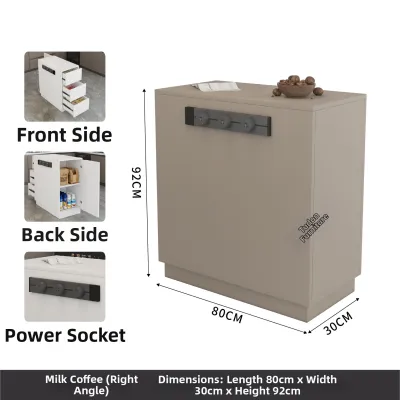
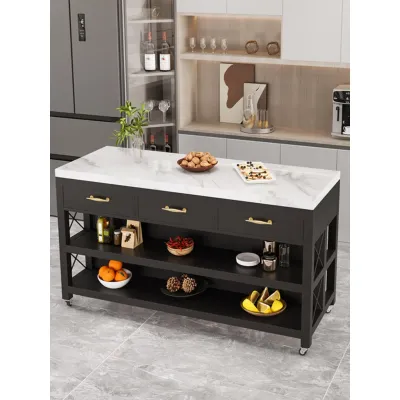
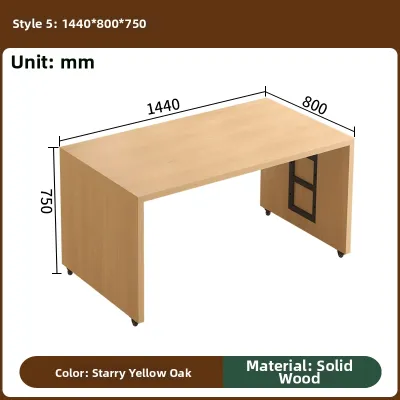
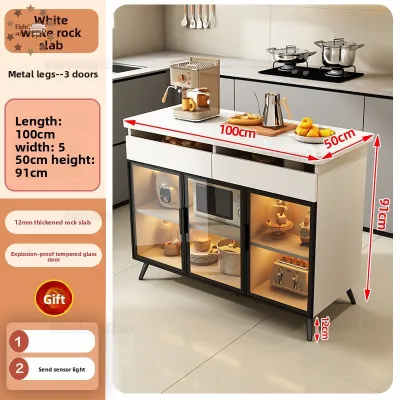
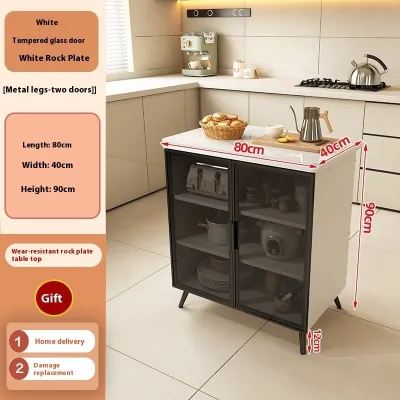
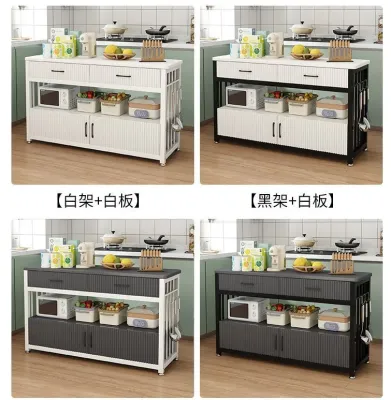
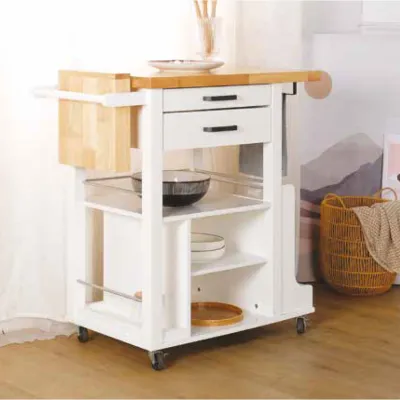
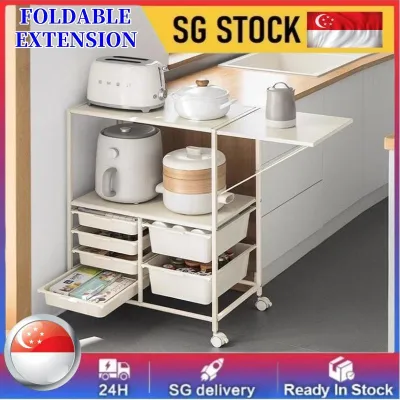
Prices are valid at publication and may change. Please refer to the product page for the latest price.
This adaptability is particularly beneficial for multi-purpose living. In many local households, the kitchen island is not just a place for meal prep; it frequently doubles as a temporary work-from-home desk, a homework station for children, or a buffet server during festive celebrations. A customizable unit allows you to design a height and surface area that comfortably accommodates these diverse activities.
For renters or those wishing to avoid major renovation hassles, a freestanding mobile island is an ideal solution. HDB renovation guidelines strictly regulate structural hacking, plumbing alterations, and heavy wall-anchoring. Because a movable island requires no permanent mounting or floor drilling, it bypasses complex permit applications and structural risks. Furthermore, should you decide to relocate, a high-quality custom island can easily be packed and moved to your next home.
Finally, a mobile setup allows you to optimize your kitchen’s physical workflow on demand. When preparing complex, multi-course meals, you can position the island adjacent to your main stove to act as a secondary prep station. Once the cooking is complete, the unit can be rolled closer to the dining area to serve as a convenient plating station, minimizing the distance you need to carry hot dishes.
Key Design Factors for a Kitchen Island Table Movable Unit
Size, Clearance, and Layout Compatibility
Before approaching a cabinet maker, you must establish the physical boundaries of your kitchen to ensure safe and comfortable movement. Standard kitchen planning guidelines recommend maintaining a walkway clearance of at least 90 to 100 centimeters between the island and existing countertops or walls. If your household frequently has multiple people cooking simultaneously, increasing this clearance to 120 centimeters will prevent congestion and allow appliance doors, such as ovens and dishwashers, to open fully without obstruction.

Your choice of dimensions will also depend heavily on your specific property type. In narrow HDB galley kitchens, a slim, elongated island with a depth of 40 to 50 centimeters is often the most practical choice to keep walkways clear. Conversely, open-plan condominium layouts can easily accommodate deeper, square-shaped block designs of 80 to 90 centimeters, which provide a more substantial work surface and double-sided storage access.
Do not overlook the logistics of bringing the finished product into your home. Because custom movable islands are often delivered fully assembled to preserve structural integrity, you must measure the dimensions of your building’s lift car, common corridors, main entrance door, and safety gates. A beautifully crafted island is of little use if it cannot physically clear the tight corners of a standard Singapore apartment entrance.
Storage Configurations and Workflow Integration
Customizing your island’s internal storage ensures that every square centimeter is utilized effectively based on your daily cooking habits. If your culinary routine involves heavy Asian cooking, prioritize deep drawers with high load capacities to organize heavy claypots, woks, and cast-iron pans. For those who focus on baking or quick meals, adjustable shelving is highly useful for organizing smaller appliances like stand mixers, air fryers, or food processors.
Integrating specialized storage features can dramatically improve your kitchen’s organization. Consider incorporating a dedicated pull-out trash bin cabinet within the island to keep waste out of sight and maintain a hygienic prep area. Side-mounted spice racks, towel rails, or shallow drawers for cutlery and prep knives keep your most-used tools within arm’s reach without cluttering the main countertop.
To ensure seamless integration, analyze how the mobile island will interact with your existing kitchen work triangle—the path between your sink, refrigerator, and stove. The island should act as a supporting bridge within this triangle rather than a physical barrier. Position the unit so that it provides convenient landing space for ingredients retrieved from the fridge or hot pans taken off the stove.
Countertop Finishes and Base Materials
Selecting the right countertop material is essential for long-term durability in Singapore’s warm, humid climate. Engineered quartz is a highly popular choice due to its non-porous surface, which resists staining from common local ingredients like soy sauce, turmeric, and chili oil. While quartz is exceptionally durable, always verify the manufacturer’s specific guidelines regarding heat resistance, as direct contact with extremely hot cookware can cause discoloration.
If you prefer a warm, organic aesthetic, solid wood butcher blocks are an excellent alternative, though they require more hands-on maintenance. Wood countertops must be treated regularly with food-safe mineral oil to prevent moisture absorption and warping in high humidity. For a seamless, ultra-modern look, solid surface materials offer integrated sinks and invisible joints, though they are more prone to scratching and require gentle cleaning agents.
For the base cabinetry, high-pressure laminates (HPL) applied over solid plywood carcasses represent the industry standard for quality Singapore carpentry. When reviewing laminate options, check the manufacturer’s care labels and specifications rather than assuming performance based on appearance alone. Ensure the cabinet maker uses high-quality ABS (Acrylonitrile Butadiene Styrene) edge-banding on all doors and drawer fronts; this protective seal prevents moisture from penetrating the plywood core and causing unsightly swelling or peeling over time.
How to Identify Reputable Cabinet Brands for Custom Islands
When searching for a brand to construct your custom mobile island, it is important to distinguish between fully bespoke carpentry services and modular furniture retailers. Local carpentry workshops and interior design firms offer complete design freedom, allowing you to select the exact dimensions, internal carcass materials, and custom laminates to match your existing kitchen perfectly. Modular brands, on the other hand, provide pre-fabricated cabinet sizes that can be customized with your choice of countertops, handles, and caster attachments, offering a more predictable and often faster lead time.
Examine the brand’s portfolio closely, looking specifically for experience in building freestanding, heavy-load furniture. A stationary kitchen cabinet relies on wall anchoring for its structural stability, whereas a movable island must be entirely self-supporting. A reputable brand will design the island with a reinforced internal frame and a solid back panel to withstand the lateral forces exerted when the unit is pushed across the room.
Pay close attention to the hardware specifications offered by the brand. Because a mobile island is subject to constant movement and vibration, the quality of its moving parts is paramount. Reputable cabinet makers will utilize premium, certified hardware brands—such as Blum, Hettich, or Salice—for drawer runners and hinges. These components should feature soft-close mechanisms and be rated to carry heavy weight capacities without sagging over years of daily use.
Before committing to a purchase, visit the brand’s showroom to physically inspect their display models. Push the display units to evaluate how smoothly they glide, and test the locking mechanisms to ensure the unit remains rock-solid when the brakes are engaged. Pull the drawers out to their maximum extension to check if the unit remains perfectly balanced, and inspect the joints and edge-banding for any signs of gaps or uneven finishes.
Essential Pre-Purchase Checks and Safety Boundaries
Safety should be your primary concern when designing a custom mobile island, starting with weight distribution. A heavy countertop material, such as thick quartz or granite, combined with empty lower cabinets, creates a high center of gravity. If you pull out multiple loaded drawers simultaneously, a poorly balanced island can easily tip forward. To mitigate this risk, ensure your cabinet maker designs a heavy, wide base frame and plan to store your heaviest kitchen items, such as cast-iron cookware, in the lowest drawers.
Caster selection is another critical safety factor that must not be overlooked. Avoid cheap, light-duty plastic wheels, which can crack under pressure or flat-spot over time. Insist on industrial-grade, heavy-duty casters with double-ball-bearing swivels and comprehensive locking systems. The brakes should lock both the rotation of the wheel and the swivel motion of the caster assembly, ensuring the island does not slide or swing when you are applying downward force during tasks like kneading dough or chopping dense vegetables.
Additionally, verify that the caster material is compatible with your home’s flooring. Singapore apartments commonly feature vinyl, laminate, engineered wood, or porcelain tiles. Heavy mobile units can easily scratch or dent softer flooring materials if equipped with hard nylon wheels. Opt for soft polyurethane or thermoplastic rubber casters, which distribute weight gently and roll quietly without leaving scuff marks. Keep the wheels clean and free of trapped grit, as accumulated dirt can act as an abrasive against your floors.
If you plan to integrate small appliances like microwaves, toaster ovens, or wine coolers into your custom design, consult with a qualified professional or the appliance manufacturers first. These appliances require specific ventilation clearances to prevent heat buildup within the wooden cabinetry. Furthermore, their electrical cords must be managed safely to prevent tripping hazards, and their weight must be factored into the overall load capacity of the island’s casters.
Frequently Asked Questions (FAQ)
Can I add plumbing or electrical outlets to a movable kitchen island table?
True movable islands cannot feature fixed, hardwired plumbing or permanent electrical wiring because they must remain free to roll across the floor. Attempting to connect flexible water hoses or permanent power lines to a mobile unit poses severe safety risks, including water leaks, electrical shocks, and wire damage from rolling over cords.
If you require power on your island, consider using a nearby wall outlet with a heavy-duty extension cord that is safely routed and taped down during use, or install a professional, ceiling-mounted retractable power track. Always ensure any temporary electrical connections are kept far away from water prep zones, and unplug the unit completely before moving it.
How do I prevent a movable island from scratching sensitive flooring?
To protect sensitive flooring materials like vinyl, laminate, or engineered timber, always specify soft polyurethane or rubber-coated casters rather than hard plastic or metal wheels. These softer materials cushion the weight of the island and glide smoothly without gouging or marking the floor surface.
Additionally, establish a routine of wiping down the casters to remove trapped dirt, pet hair, and food crumbs, which can act like sandpaper under heavy loads. If you plan to keep the island stationary in one spot for an extended period, place a protective, low-profile silicone or felt floor mat underneath the wheels to distribute the weight and prevent localized indentation.
Community discussion
Share your experience or ask a question. Comments are reviewed before publication.