
Finding the right seating for your kitchen island or home bar in Singapore requires balancing style, comfort, and spatial constraints. An adjustable tall chair or bar stool offers the versatility needed for modern open-plan layouts, where a single counter might serve as a breakfast nook, a work-from-home station, and an evening entertainment hub. By choosing a model with a customizable height mechanism, you can ensure that family members and guests of different heights can sit comfortably without compromising the visual flow of your living space.
Essential Measurements and Selection Criteria
Before browsing designs, establishing precise baseline measurements of your counter space is essential. Kitchen counters in Singapore typically fall into two categories: standard counter height (around 90 centimeters) and bar height (around 105 centimeters). To determine the required seat height range, measure from the floor to the underside of your counter surface. A comfortable seating posture requires approximately 25 to 30 centimeters of clearance between the top of the seat cushion and the bottom of the counter. This gap provides sufficient legroom and prevents your knees from pressing against the underside of the structure. For an adjustable stool, ensure its height range fully covers this calculated sweet spot.
When ordering fully assembled stools, also verify that their packaged dimensions can easily pass through your apartment’s doorway and lift access. The adjustment mechanism itself is a critical factor for long-term durability and ease of use. Gas lift, or pneumatic, mechanisms are the most common, utilizing a pressurized air cylinder to raise or lower the seat with the pull of a lever. While highly convenient, the seals in gas cylinders can wear down over time, so it is vital to check the manufacturer’s warranty and the availability of replacement parts. Alternatively, manual adjustment mechanisms, such as threaded screw posts or locking pins, offer a mechanical alternative. These manual systems are exceptionally durable and require virtually no maintenance, though adjusting them requires more physical effort and they cannot be adjusted while seated.
Products mentioned in this guide
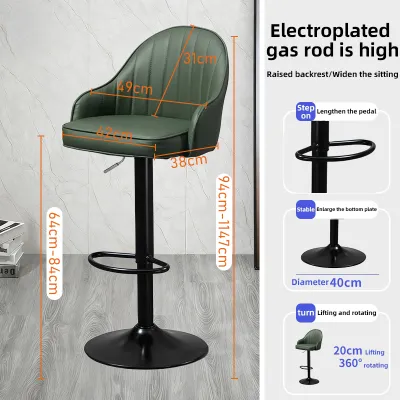
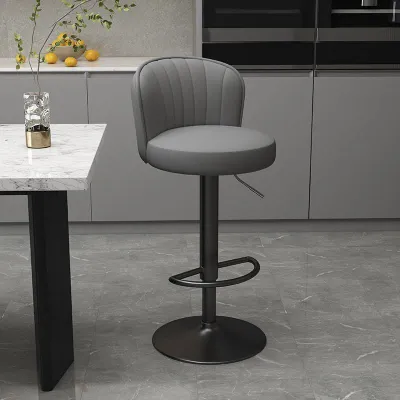
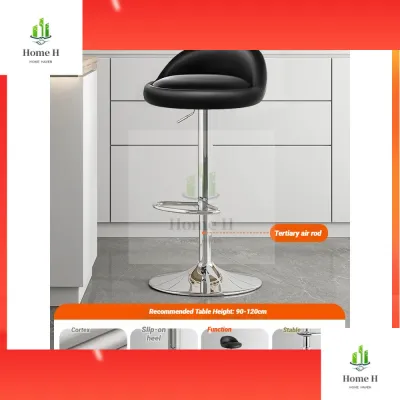
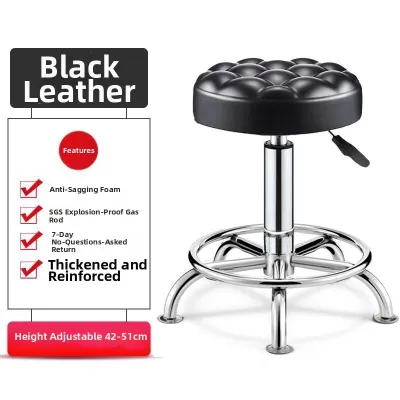
Prices are valid at publication and may change. Please refer to the product page for the latest price.
Beyond height, the physical footprint of the stool base must align with your available space. A wide dome or trumpet base provides excellent stability but requires more floor area, which can be a constraint in compact dining zones. Measure the base diameter and compare it to the depth of your counter overhang to ensure the stool can be tucked away when not in use. Additionally, always verify the manufacturer’s stated weight capacity. A robust base construction and a certified lift mechanism are essential to ensure the stool remains stable and safe under daily load.
Matching Bar Stool Styles to Your Interior Theme
Selecting the right aesthetic involves aligning the stool’s silhouette, materials, and finishes with your home’s existing interior design theme. Because bar stools often sit at the boundary between the kitchen and the living room, they act as visual anchors that can either unify the two spaces or create visual clutter. Choosing materials that complement your cabinetry and flooring ensures a cohesive look while standing up to the daily wear of a high-traffic dining area.

Industrial and Urban Loft Styles
For homes featuring industrial or urban loft aesthetics, look for stools that showcase raw, utilitarian materials. Matte black metal frames, distressed wood seats, and raw steel finishes are hallmarks of this style. Design cues often include exposed hardware, heavy-duty adjustment levers, and cage-like footrests that emphasize structural honesty. When selecting metal-framed stools for Singapore’s humid climate, it is crucial to verify if the metal parts have been treated with a rust-resistant powder coating or protective sealant. Unprotected iron or steel can oxidize quickly in high humidity, leading to unsightly corrosion and structural degradation over time.
Modern Minimalist and Scandinavian
If your home embraces a minimalist or Scandinavian theme, focus on clean lines, organic textures, and a light color palette. Stools crafted from light-toned woods such as oak or ash, molded plywood, or matte-finished plastics fit seamlessly into these bright, airy spaces. Look for streamlined profiles with integrated or hidden adjustment mechanisms that do not disrupt the clean silhouette of the chair. In compact apartments, opting for backless or low-back designs is highly beneficial. These low-profile stools can be slid completely under the counter overhang, keeping walkways clear and maintaining an unobstructed line of sight across the room.
Contemporary Luxury and Mid-Century
For upscale or retro-modern interiors, premium finishes and ergonomic curves elevate the dining experience. Look for upholstered seats featuring rich textures like velvet, bouclé, or high-quality leather alternatives, paired with brushed brass, chrome, or warm walnut wood accents. Design cues in this category include curved backrests, integrated armrests, and tailored stitching that add a sense of sophistication. Because these materials are more delicate, always check the manufacturer’s cleaning instructions. Upholstered stools in high-traffic dining areas require stain-resistant treatments or easily cleanable surfaces to withstand accidental spills during meals.
Evaluating Daily Comfort and Functional Features
While aesthetics are important, the daily usability of an adjustable tall chair depends heavily on its functional features. The placement and design of the footrest are critical for comfort, especially when sitting at elevated heights where your feet cannot reach the floor. Ensure the footrest is positioned at an ergonomic distance from the seat and is securely attached to the central column. On gas lift stools, the footrest typically moves in tandem with the seat, maintaining a consistent distance that supports your legs regardless of the chosen height.
Another key decision is choosing between a swivel and a fixed base. A 360-degree swivel mechanism offers exceptional convenience, allowing you to turn and exit the stool easily without sliding the heavy base across the floor. This is particularly useful in tight spaces where pulling a chair back is difficult. However, swivel stools require careful use to prevent the seat from swinging into the edge of the counter, which can chip both the stool and the countertop. If you select a swivel model, look for options with a self-returning mechanism that automatically aligns the seat forward when vacant.
The choice of backrest and armrests also dictates how the stool will be used. High backrests and padded armrests offer superior support, making the stool comfortable for extended periods, such as working from home or enjoying long dinners. However, these features add significant visual weight and physical bulk. If your priority is space-saving and a clean aesthetic, backless stools are much easier to tuck away, though they are generally less comfortable for long seating sessions.
Space Planning and Safety Checks for Singapore Homes
Integrating bar stools into Singapore apartments requires careful space planning to maintain safe traffic flow and protect your interior surfaces. Walkways around kitchen islands are often high-traffic zones, so you must measure the clearance between the back of the stool and any nearby walls or cabinets. Ideally, leave at least 90 centimeters of clearance behind the stool when in use to allow others to walk past comfortably without tripping over the stool’s base.
During assembly, ensure all bolts and connection points are tightened according to the manufacturer’s instructions to prevent wobbling. Protecting your flooring is another essential consideration. Heavy metal bases can easily scratch or dent popular local flooring materials such as vinyl, laminate, engineered wood, or polished tile. Inspect the underside of the stool base before assembly. High-quality stools should feature built-in rubber rings, felt pads, or plastic glides designed to cushion the contact point with the floor. If these are not included, purchase heavy-duty felt tape or specialized floor protectors to apply to the base, preventing permanent scuff marks and reducing noise when the stool is moved.
Finally, stability is paramount, particularly in households with young children or pets. Adjustable stools with a single central pedestal and a trumpet base can pose a tipping risk if a child attempts to climb onto the seat. To mitigate this risk, look for stools with a wide, heavy base that lowers the center of gravity. Check the manufacturer’s specifications for anti-tip certifications or stability ratings. If stability is a primary concern, a four-legged adjustable stool with a wider stance may offer a safer, more grounded alternative to the traditional pedestal design.
Frequently Asked Questions (FAQ)
How do I fix a sinking gas lift bar stool?
A sinking seat is usually caused by a failing pneumatic cylinder, which can no longer maintain the internal air pressure required to support weight. First, check if the adjustment lever is loose or misaligned, as a stuck lever can continuously engage the release valve. If the lever is functioning correctly but the stool still sinks when sat upon, the gas cylinder itself is faulty. For safety reasons, do not attempt to disassemble or repair a pressurized gas cylinder yourself. The safest solution is to purchase a manufacturer-approved replacement cylinder and install it according to the provided instructions, or consult a professional furniture repair service if the base or seat plate shows signs of damage.
Can adjustable bar stools be used at a standard dining table?
Using adjustable bar stools at a standard dining table is generally not recommended due to height mismatches. Standard dining tables typically stand between 75 and 80 centimeters high, requiring a seat height of approximately 45 to 50 centimeters. Most adjustable bar stools have a minimum seat height of 60 centimeters or more, which is designed for counter use. Even at their lowest setting, these stools will position you too high relative to the tabletop, leading to poor posture, hunched shoulders, and discomfort. For standard dining tables, it is better to use standard dining chairs or specialized adjustable-height chairs designed specifically for lower table heights.
Community discussion
Share your experience or ask a question. Comments are reviewed before publication.