
Finding the perfect glass-top coffee table for your living room is less about the glass itself and more about how the base material, leg design, and glass treatment interact with your existing decor. A well-chosen table top glass coffee table acts as a visual anchor that preserves light and space, making it an exceptional choice for modern homes. To find the right match, you must first identify your room’s dominant aesthetic, choose a base structure that complements those materials, and verify that the table’s physical dimensions fit your layout. Because glass is inherently neutral and reflective, it has a unique ability to blend into almost any design scheme while providing a sense of visual lightness that keeps compact spaces feeling open.
How to Identify Your Living Room Aesthetic
Before purchasing a new coffee table, take a systematic look at your current living room setup to determine its core design profile. You do not need a professional interior designer to classify your space; instead, use a simple checklist to evaluate the dominant elements already in play.
- Silhouettes: Look at your sofa, armchairs, and shelving. Are they characterized by sharp, clean geometric lines, or do they feature soft, rounded, and organic curves?
- Color Palette: Identify the primary and secondary colors. Are you working with neutral whites, greys, and blacks, or does your room lean toward warm earth tones, soft pastels, or bold, saturated accent colors?
- Textures and Materials: Take note of the prominent surfaces. Do you see polished metals, raw concrete, exposed brick, light-toned natural woods, or heavy textiles like boucle and velvet?
Once you have mapped these elements, you can determine which design theme dominates your space. Modern minimalist spaces lean heavily on sleek surfaces and monochromatic tones, while Scandinavian decors prioritize light woods and functional warmth. Industrial designs feature raw, unrefined materials, and mid-century modern rooms showcase retro curves and tapered legs.
Products mentioned in this guide
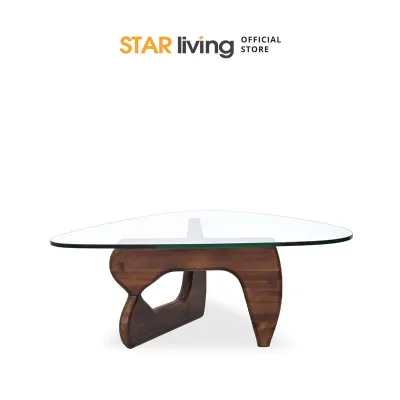
Prices are valid at publication and may change. Please refer to the product page for the latest price.
With this profile in hand, decide whether your new coffee table should harmonize seamlessly with your existing furniture or serve as an intentional, contrasting focal point. A matching table reinforces a cohesive, calming atmosphere, whereas a contrasting piece—such as a dark, industrial glass table in a soft, neutral room—creates a striking visual anchor.
Top Glass-Top Coffee Table Styles for Every Decor
Every interior design style utilizes glass in different ways to achieve a specific atmosphere. By understanding how different bases, frames, and glass finishes interact, you can select a table that elevates your existing furniture rather than cluttering the room.

Modern Minimalist
Modern minimalist design centers on simplicity, clean lines, and the complete elimination of unnecessary clutter. In this aesthetic, a coffee table typically features a clear, frameless glass top with polished or subtly beveled edges, allowing the structural base to become a subtle work of art. Look for bases constructed from sleek chrome, matte black powder-coated steel, or high-gloss geometric frames that seem to disappear from certain angles.
For residents living in compact apartments and HDB flats in Singapore, this style offers a major spatial advantage. The transparency of the glass top allows the flooring or area rug underneath to remain visible, which visually expands the room and prevents the furniture from blocking natural light. However, clear glass is highly reflective and prone to showing fingerprints, dust, and water rings. If you opt for this style, be prepared for regular maintenance with a soft cloth to keep the surface pristine.
Scandinavian
Scandinavian design blends functional minimalism with natural warmth, creating cozy, light-filled spaces that feel deeply connected to nature. When matching this aesthetic, look for glass tops paired with light-toned wooden bases made of oak, ash, or beech, or simple, unadorned white-coated metal frames. The silhouettes are characterized by rounded corners, organic shapes, and tapered, angled legs that evoke a sense of gentle craftsmanship.
When shopping for a Scandinavian-style table, do not assume that a wooden base is automatically durable. You should physically check the quality of the protective wood finish and the stability of the joints, ensuring they can withstand daily use in Singapore’s humid climate. Opt for clear or lightly frosted glass to maintain the bright, airy flow of natural light that is central to this design philosophy.
Industrial
Industrial interior design celebrates raw, unfinished structural elements, drawing inspiration from factories, warehouses, and urban lofts. An industrial glass-top coffee table typically pairs heavy, dark bases—such as distressed iron, blackened steel, or reclaimed timber—with substantial glass surfaces. To add character and reduce glare under bright overhead lights, these tables often utilize tinted, smoked, or lightly textured glass.
Because industrial bases are often constructed from heavy, raw metals, it is critical to inspect the frame for proper rust-prevention treatments, especially in humid environments. Additionally, verify how the glass top is secured to the frame; because reclaimed wood or hand-welded metal bases can have minor surface unevenness, the glass must be resting on secure, level bumpers or nested within a protective metal lip to prevent shifting or rattling.
Mid-Century Modern
Mid-century modern design focuses on the fusion of organic forms, retro warmth, and distinct geometric structures from the mid-20th century. Coffee tables in this style often feature sculptural wooden bases, iconic tapered dowel legs, or delicate brass accents. The glass tops themselves frequently take on organic, non-traditional shapes, such as kidney beans, soft ovals, or boomerangs.
Because mid-century modern bases can be highly asymmetrical or feature narrow footprints, you must carefully evaluate their structural integrity. Check that the angled wooden legs are securely joined to the mounting plates and verify that the glass thickness and weight distribution are sufficient to prevent the table from tipping over if pressure is applied to the outer edges.
Choosing the Right Table Top Glass: Thickness, Tint, and Edges
Selecting the ideal table top glass involves balancing aesthetic preferences with critical safety and structural requirements. The glass itself is not a uniform material; its thickness, tint, and edge profile will dictate how the table looks, how much weight it can carry, and how safe it is for daily household use.
Understanding Glass Thickness
Standard glass tops for coffee tables generally range from 6mm to 12mm in thickness. If the glass is fully supported by a solid wooden or metal frame underneath, a thinner glass (such as 6mm or 8mm) is usually sufficient, as the frame bears the structural load. However, if you are choosing a frameless design where the glass rests on isolated support points or spans a wide gap, you should opt for a thicker glass profile (at least 10mm or 12mm) to prevent bowing, flexing, or cracking under weight. Always check the manufacturer’s specified load-capacity ratings before purchasing.
Selecting Tint and Finish
The color and finish of the glass significantly influence the table’s visual weight and maintenance needs:
- Clear Glass: Offers maximum light transmission and visual openness, making it ideal for showing off a beautiful statement rug. However, it requires frequent dusting and wiping to remove smudges.
- Frosted Glass: Diffuses light and partially obscures the view of the floor or base below. It is excellent for softening the look of the room and hiding dust, fingerprints, and minor scratches.
- Smoked or Tinted Glass: Available in grey, bronze, or black hues, tinted glass adds dramatic flair and reduces glare. It works beautifully in industrial or modern settings but can make a small room feel slightly more enclosed.
Evaluating Edge Profiles
The treatment of the glass edges affects both the style and safety of the table:
- Polished Edges: The edges are ground flat and polished to a smooth, shiny finish, offering a clean, contemporary look that is perfect for minimalist designs.
- Beveled Edges: The perimeter of the glass is cut at an angle, creating a sloping border that catches and refracts light. This adds a touch of traditional elegance.
- Pencil Edges: The edge is rounded off into a smooth, semi-circular profile. This is highly recommended for high-traffic areas as it minimizes sharp points.
Regardless of the style you choose, always verify with the manufacturer that the glass is tempered rather than standard annealed glass. Tempered glass undergoes a thermal tempering process that makes it significantly stronger and ensures that, in the rare event of breakage, it fractures into small, relatively harmless granular pieces rather than sharp, dangerous shards.
Practical Checks Before You Buy: Space, Safety, and Maintenance
A coffee table must do more than look beautiful; it must also function seamlessly within your daily routine and physical living space. Before finalizing your purchase, run through these essential checks to ensure a successful integration.
Space and Clearance Dimensions
Measure your living room layout carefully. For comfortable movement, ensure there is a walkway of at least 40 cm to 45 cm between the edge of the coffee table and your sofa or TV console. Additionally, check the access route to your home. Because glass-top tables can be heavy and fragile, verify the dimensions of your building’s lift, corridors, and doorways to ensure the delivery team can safely transport the table into your unit without risking damage to the glass or walls.
Stability and Safety Checks
To prevent accidental tipping, evaluate the width of the table’s base relative to the size of the glass top. A wide, stable footprint is essential, particularly if you have young children or active pets running through the living room. Look for tables that include integrated, high-quality silicone or rubber anti-slip bumpers placed strategically between the glass and the base frame to keep the glass firmly anchored in place.
Maintenance and Care Routines
To preserve the clarity and finish of your table, establish a proper cleaning routine. Use soft microfiber cloths to prevent fine scratches, and avoid using abrasive scrubbing pads or harsh, ammonia-based chemical cleaners that could degrade specialized glass tints, protective edge seals, or the finish of the metal or wooden base below. Always refer to the manufacturer’s specific care instructions for any applied coatings or unique materials.
Frequently Asked Questions (FAQ)
Is a glass-top coffee table safe for homes with toddlers?
Safety in homes with young children depends heavily on the type of glass and the table’s shape. Always verify that the table uses tempered safety glass, which is designed to crumble into small, rounded pieces if broken, rather than sharp shards. Additionally, choose tables with rounded or heavily beveled edge profiles rather than sharp 90-degree corners, and ensure the base is heavy and wide enough to prevent tipping. You can also temporarily apply clear, adhesive corner guards to sharp edges for added protection.
How do I stop my glass table top from sliding on the base?
To prevent a glass top from shifting or sliding off its base, place clear silicone bumpers, rubber friction pads, or specialized museum wax between the glass and the support frame. These non-abrasive materials create friction without damaging the base’s finish. Avoid using strong, permanent double-sided industrial tapes, as these can leave stubborn residues or strip away wood veneers and metal coatings. Always consult the manufacturer’s assembly guide before applying any aftermarket adhesives.
Community discussion
Share your experience or ask a question. Comments are reviewed before publication.