
The choice between glass-front and open-shelf corner cabinets hinges on a primary trade-off: enclosed protection versus open accessibility and visual lightness. Glass doors shield fragile or dust-prone items from the environment and household hazards, while open shelves offer a curated, easily accessible gallery look that makes a room feel more expansive. The ideal style for your corner cabinet storage depends entirely on the fragility of your display items, your tolerance for dusting, and the specific lighting and layout of your space.
Corner spaces are frequently underutilized in modern homes, often becoming dead zones that contribute little to a room’s functionality or style. Selecting the right corner cabinet storage can transform these awkward nooks into stunning focal points that maximize vertical space. Whether you are looking to display fine china, showcase a curated collection of art pieces, or simply organize your favorite books, understanding how these two distinct styles perform in real-world conditions is the first step toward making a confident purchase.
Core Differences in Protection and Visibility
When evaluating corner cabinet storage, the level of protection your items require should be your primary consideration. Glass-front cabinets excel at safeguarding delicate, valuable, or highly dust-prone items from environmental hazards. The glass panels create a physical barrier that keeps out airborne dust, pet hair, and kitchen grease, which is especially beneficial if your cabinet is located near a dining area or open-plan kitchen. This physical barrier also provides an essential layer of safety, preventing curious pets or young children from accidentally knocking over fragile collectibles.
Products mentioned in this guide
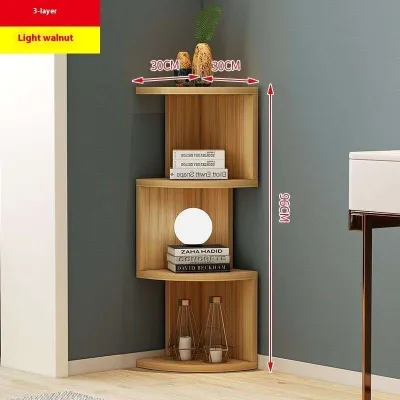
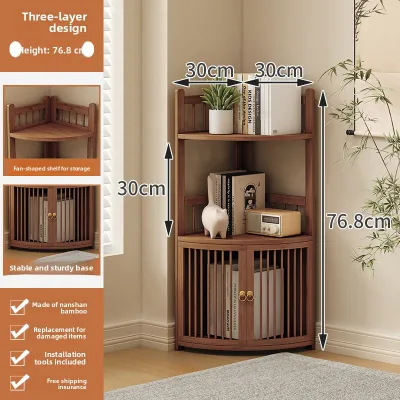
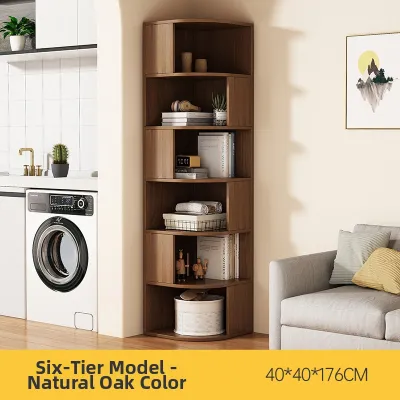
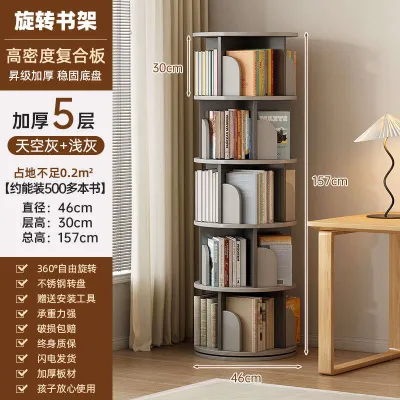
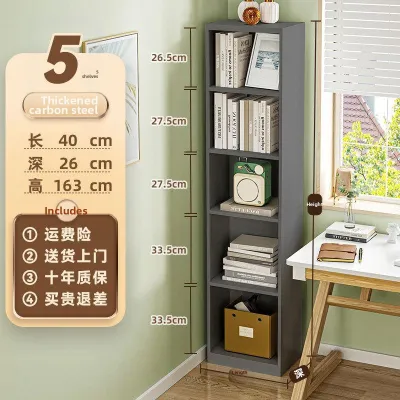
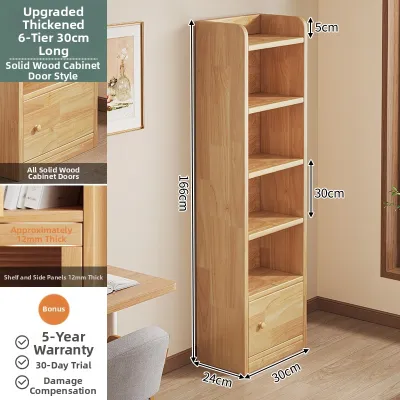
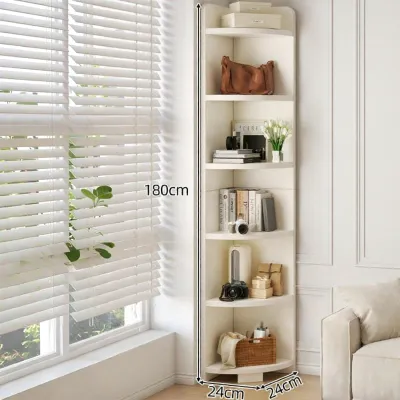
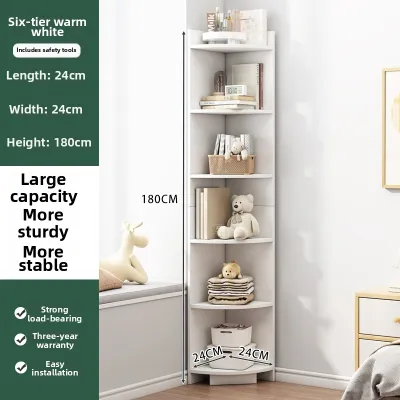
Prices are valid at publication and may change. Please refer to the product page for the latest price.
However, glass doors do not offer complete protection against all environmental factors, particularly light. If your corner cabinet is positioned near a window, you must check the UV exposure risks for your display items. Prolonged exposure to direct sunlight can fade book spines, discolor delicate fabrics, and damage sensitive materials like paper or certain plastics. In such cases, placing the cabinet in a shaded corner or using UV-filtering window treatments is a necessary step to preserve your collection.
Open-shelf corner cabinets, by contrast, offer completely uninterrupted sightlines and allow you to view your items from multiple angles. Without the physical barrier of doors and frames, your display feels more integrated into the room’s immediate environment. This makes open shelves highly suitable for displaying sculptural objects, hardy indoor plants, or everyday items that benefit from a three-dimensional perspective. The trade-off, however, is complete exposure; your items will accumulate dust more rapidly and are vulnerable to accidental bumps from passing foot traffic.
Before deciding on the level of enclosure, perform a quick verification step by auditing the items you plan to display. Assess their fragility, dust-sensitivity, and overall value. If you are showcasing delicate porcelain, vintage cameras, or valuable figurines, an enclosed glass-front cabinet is the safer choice. If you are displaying sturdy ceramic mugs, potted succulents, or heavy hardcover books, open shelving provides a beautiful and highly accessible platform.
Aesthetic Impact and Space Perception
The visual weight of your furniture significantly influences how spacious and bright your room feels. Corner spaces are naturally prone to feeling dark and cramped, making the aesthetic impact of your cabinet choice crucial. A glass-front corner cabinet can counteract this darkness by reflecting ambient light off its glass panes, creating an illusion of depth and making a bulky unit feel lighter and more integrated into the room. The reflective surfaces bounce light around the corner, helping to brighten an otherwise dim area of the room.

Open shelving has a grounded, architectural presence that can also enhance space perception, but in a different way. The absence of solid doors keeps sightlines open, allowing the eye to travel through the unit to the corner walls, which can make a small room feel more expansive. However, this open look is highly dependent on how you style the shelves. Overcrowding an open-shelf unit will quickly make the entire corner look chaotic and cluttered, defeating the purpose of the open design.
Managing clutter requires different strategies for each style. Open shelves demand strict styling, careful curation, and plenty of negative space to look intentional and elegant. Glass-front cabinets offer a bit more leeway, especially if you explore textured glass options. Selecting a cabinet with frosted, ribbed, or fluted glass allows you to obscure the exact shapes of the contents. This is an excellent compromise if you want to store less-than-perfectly styled items while still maintaining a soft, clean, and diffused aesthetic.
Lighting integration is another key factor in how your display is perceived. If you plan to install internal LED strips or spotlights, consider how each cabinet style interacts with light. Glass shelves and doors reflect and multiply light, creating a sparkling, high-end gallery effect that highlights glass, crystal, or metallic objects beautifully. Open shelves tend to absorb or diffuse light; lighting an open unit requires careful placement of fixtures to avoid harsh shadows, but it can create a warm, cozy, and inviting glow that highlights the textures of wood, ceramic, or paper.
Maintenance and Daily Usability
The long-term upkeep and physical interaction required for both cabinet styles will directly impact your daily satisfaction with the furniture. The cleaning routines for these two options are vastly different. With open shelving, dust settles directly on your display items and the shelf surfaces. This requires you to pick up and wipe down each individual object regularly to keep the display looking clean and fresh. If you have a large collection of small items, this maintenance routine can quickly become time-consuming.
Glass-front cabinets significantly reduce the need for internal dusting, keeping your items clean for months at a time. However, they introduce a different maintenance chore: cleaning the glass itself. You will need to wipe down the exterior and interior glass surfaces regularly to remove fingerprints, smudges, and dust. Additionally, dust can accumulate in the door frames, tracks, and around the hinges, requiring detailed cleaning to keep the cabinet operating smoothly and looking pristine.
Long-term durability also requires different hardware and structural checks for each style. For glass-front cabinets, you must periodically inspect the hinges, handles, and door alignment. Over time, doors can sag or hardware can loosen, which can lead to improper sealing or, in worst-case scenarios, glass breakage if a door misaligns and strikes the frame. For open shelving, the focus is on structural stability and shelf-sag checks. Because open shelves are often used for heavier items like books or large ceramic pots, you must regularly check that the shelves are not bowing under the weight and that the wall anchors remain secure.
Consider the physical friction of daily use when choosing your cabinet style. Glass doors introduce a layer of physical friction; you must open a door every time you want to retrieve or replace an item. This is ideal for purely decorative displays that you rarely touch, but it can become tedious for everyday items. Open shelves offer unmatched grab-and-go convenience, making them perfect for items you use daily, such as frequently read books, daily dishware, or smart home devices.
How to Decide: A Condition-Based Checklist
To finalize your decision, evaluate your household environment and display goals against these specific conditions.
Choose a glass-front corner cabinet if:
- Your display consists of fragile, highly dust-prone, or valuable items such as delicate glassware, vintage collectibles, or intricate sculptures.
- Your household includes active pets, young children, or high foot traffic, where accidental bumps could easily knock over unsecured items.
- You prefer a low-maintenance interior display and do not want to dust individual items frequently.
- You want to integrate internal lighting to create a sparkling, high-end gallery effect.
Choose an open-shelf corner cabinet if:
- Your display items are sturdy, frequently used, or benefit from a casual, curated gallery look, such as potted plants, heavy ceramic dinnerware, or books.
- You enjoy the process of styling shelves and do not mind regular dusting of both the shelves and the items.
- You want to maintain completely open sightlines to make a small room feel more expansive.
- You require quick, unobstructed access to your items on a daily basis.
Before purchasing either style, verify the physical and structural conditions of your corner space. Check if the walls are perfectly plumb, as uneven corner walls can make installing a flush corner cabinet challenging. Assess the lighting in the corner; dark corners may require you to plan for integrated lighting. Most importantly, verify the weight capacity of the shelves and the manufacturer’s anchoring requirements to ensure the cabinet can safely support your items without tipping.
Frequently Asked Questions (FAQ)
Can I mix glass doors and open shelves in one corner unit?
Yes, hybrid corner cabinets are an excellent solution that combines the best of both worlds. Many designs feature a closed lower section—often with solid wooden doors or drawers—to conceal clutter, paired with an open or glass-front upper section for display. This configuration keeps the visual weight balanced, placing the heavier, solid elements at the base and the lighter, airy elements at eye level. When considering a hybrid or modular design, always check the manufacturer’s specifications to ensure the unit is structurally sound and that any stacked components are securely fastened together.
How do I ensure a corner cabinet fits my space safely?
Ensuring a safe and precise fit requires careful pre-purchase measurements. Start by measuring the corner walls from the corner point outward to ensure the cabinet’s depth matches your available wall space. You must also measure the diagonal depth, wall clearance, and account for any baseboard interference, which can prevent the cabinet from sitting flush against the wall. If choosing a glass-front model, measure the door swing radius to ensure the doors can open fully without hitting nearby furniture, walls, or light fixtures. Finally, because corner cabinets are often tall and top-heavy, check the unit’s tipping risk and plan to install wall anchors. Always consult the manufacturer’s installation guide for specific anchoring hardware and methods suitable for your wall type.
Community discussion
Share your experience or ask a question. Comments are reviewed before publication.