
Finding the best value in a glass display cabinet in Singapore requires balancing your budget with your home’s spatial constraints and aesthetic goals. There is no single “best” brand that fits every household. Instead, the ideal choice depends on whether you prioritize a low upfront cost, long-term durability under tropical humidity, or a seamless custom-built aesthetic.
To evaluate value objectively, you must look past marketing claims and analyze three core pillars: build quality (the safety of the glass and the integrity of the joinery), design (how the piece utilizes your floor space and incorporates lighting), and price (comparing the initial purchase price in Singapore Dollars against the expected lifespan of the unit).
The Singapore market is broadly divided into three distinct brand tiers: mass-market flat-pack retailers, mid-range online-first furniture brands, and premium custom woodworkers. Each tier serves a different consumer need, and understanding their structural differences is the first step toward making a smart investment for your home.
Products mentioned in this guide
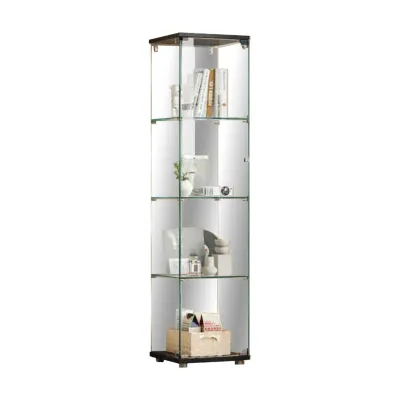
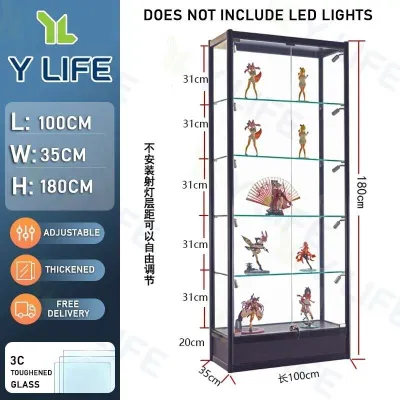
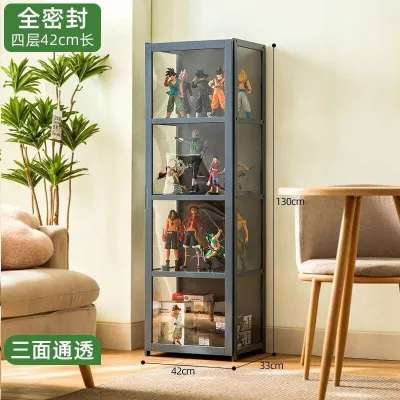
![[FREE INSTALLATION] KENZZO :Belly Glass Door Display Cabinet /book shelf/ filing cabinet/ wardrobe](https://img.lazcdn.com/g/p/ef0152d394d3bae692e449cb326dcb39.jpg_400x400q80.jpg_.webp)
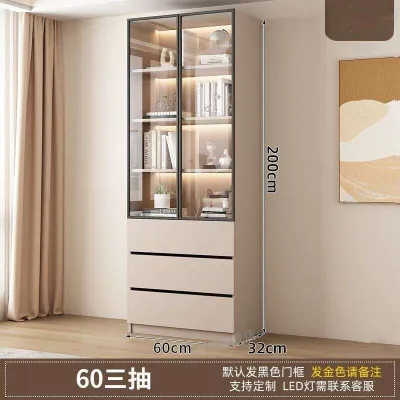
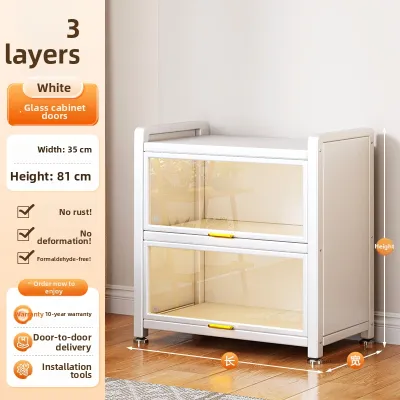

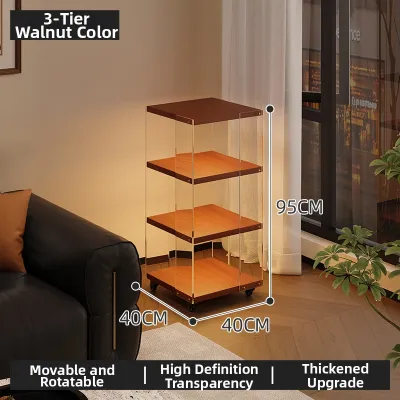
Prices are valid at publication and may change. Please refer to the product page for the latest price.
Key Comparison Dimensions: Quality, Design, and Price
Selecting a glass display cabinet is not merely an aesthetic decision; it is an engineering evaluation. Because these pieces combine heavy, fragile glass panels with structural framing, their design directly impacts both home safety and functional longevity. By breaking down the physical components of these cabinets, you can objectively compare different brands regardless of their marketing positioning.
Glass Types and Frame Materials
Safety must be your primary consideration when choosing any furniture piece that incorporates large expanses of glass. Tempered glass is the industry standard for high-quality display cabinets because it undergoes a thermal tempering process that increases its strength up to four to five times compared to standard annealed (float) glass. If tempered glass does break, it fractures into small, relatively harmless granular chunks rather than sharp, jagged shards, significantly reducing the risk of injury. Standard annealed glass should generally be avoided for large doors or side panels, as any accidental impact can result in dangerous structural failure.
The frame material provides the structural skeleton that supports both the glass panels and the weight of your displayed items. Solid wood offers exceptional natural strength and classic beauty, but it requires proper sealing to withstand environmental changes. Metal frames, particularly those with powder-coated finishes, offer a sleek, industrial aesthetic and excellent resistance to structural sagging, making them ideal for heavy collections. Engineered wood, such as Medium-Density Fibreboard (MDF) or particleboard finished with a laminate or wood veneer, is highly cost-effective and structurally stable, though it is more vulnerable to moisture damage if the protective outer layer is compromised.
When comparing brands, always look beyond generic material descriptions and scrutinize the technical specifications. Check the exact thickness of the glass panels; high-quality cabinets typically feature glass shelves and doors that are at least 5mm to 8mm thick. Furthermore, look for verified load-bearing claims for each shelf. A reputable manufacturer will explicitly state the maximum weight capacity in kilograms, allowing you to match the cabinet to the specific items you plan to display, whether they are lightweight porcelain figures or heavy ceramic pottery.
Hardware, Joinery, and Structural Stability
The moving parts of a cabinet are almost always the first components to fail. High-quality hinges, shelf pins, and door tracks ensure smooth operation and prevent alignment issues over years of daily use. Look for cabinets equipped with soft-close hinges or magnetic catches, which prevent doors from slamming and sending vibrations through the glass shelves. If you are opting for sliding glass doors, verify that the tracks are made of durable materials like aluminum or brass rather than soft plastics that can warp or crack over time.
Adjustable shelves provide the flexibility needed to accommodate items of varying heights, but they require robust support systems. Look for metal shelf pins that lock securely into pre-drilled frame holes rather than simple push-in plastic pins that can slip under load. Structural stability also relies heavily on the cabinet’s overall geometry and the inclusion of safety hardware. Because glass-heavy cabinets are inherently top-heavy—especially when the doors are opened—they must feature pre-drilled holes or dedicated brackets for anti-tip wall anchoring kits.
Before finalizing any purchase, verify the exact weight capacity per shelf in the manufacturer’s technical specifications. Do not assume that a thicker glass shelf automatically translates to a higher weight capacity; the overall load limit is heavily dependent on the span of the shelf and the strength of the supporting frame and pins. If a brand does not publish these weight limits, treat it as a warning sign and contact their customer service team for clarification before displaying heavy collectibles.
Design Versatility and Spatial Footprint
The choice between a modular, freestanding cabinet and a built-in unit depends largely on your long-term housing plans and layout flexibility. Freestanding cabinets offer the advantage of mobility, allowing you to reposition the piece during a room redesign or transport it to a new home if you move. Modular designs take this a step further by letting you connect multiple units side-by-side as your collection grows. Built-in cabinets, while permanent, offer a seamless, integrated look that maximizes every millimeter of available wall space, though they cannot be easily relocated.
Visual weight is another critical design factor that influences how spacious your room feels. Frameless or ultra-thin metal-framed glass cabinets have minimal visual weight, allowing light to pass through freely and making small living rooms feel larger and more open. Conversely, heavy timber frames or thick, dark metal structures have a strong visual presence; they anchor a room and serve as dramatic focal points, but they can easily overwhelm compact spaces if not balanced with light-colored walls and minimalist decor.
Integrated lighting is what transforms a simple storage unit into a true gallery display. When evaluating different brands, compare those that offer built-in LED channels with those that require aftermarket lighting solutions. Built-in systems often feature routed channels that hide wiring within the wooden or metal frame, creating a clean, professional look. If you choose a brand that does not offer integrated lighting, ensure there is sufficient clearance behind or beneath the shelves to run aftermarket LED strip lights or puck lights without creating a cluttered mess of visible cables.
Comparing Brand Tiers Available in Singapore
Navigating the local furniture market can be overwhelming due to the sheer variety of retailers offering glass display solutions. To simplify your search, it is helpful to categorize available brands into three distinct tiers based on their production methods, material quality, and pricing structures. By understanding what each tier offers, you can align your budget with the level of craftsmanship and service that fits your home.

Mass-Market and Flat-Pack Retailers
Mass-market and flat-pack retailers represent the most accessible entry point for Singaporean homeowners looking for immediate storage solutions. These brands typically mass-produce their furniture in standardized sizes, utilizing engineered wood or basic powder-coated steel frames paired with standard tempered glass panels. Because these items are designed for global distribution, they rely heavily on flat-pack packaging, requiring the buyer to transport and assemble the furniture themselves or pay an additional fee for third-party assembly services.
The primary value proposition of this tier is its unmatched affordability and convenience. You can walk into a local showroom, inspect the display model, purchase the flat-pack box, and have it set up in your home on the very same day. Furthermore, because these products are highly standardized, finding replacement parts, extra glass shelves, or compatible lighting accessories is straightforward and inexpensive. For renters or those on a strict budget, this tier offers a functional, clean aesthetic without a major financial commitment.
However, mass-market cabinets come with clear structural limitations. The weight capacity per shelf is typically lower than that of mid-range or premium options, making them unsuitable for heavy book collections or dense glass sculptures. Additionally, the engineered wood components used in flat-pack furniture are highly susceptible to moisture absorption. In Singapore’s humid climate, if the protective laminate or veneer edges are chipped or poorly sealed, the underlying particleboard can swell, warp, and lose its structural integrity over time, potentially compromising the alignment of the glass doors.
Mid-Range and Online-First Furniture Brands
Mid-range and online-first furniture brands have experienced significant growth in Singapore, offering a compelling middle ground between cheap flat-packs and expensive custom builds. These brands often operate with a digital-first model, showcasing their products online while maintaining small boutique showrooms in industrial estates or central shopping districts. They typically utilize better material blends, such as solid wood veneers, solid ash or oak accents, and sturdier powder-coated aluminum or steel frames that offer superior structural rigidity.
The value proposition of mid-range brands lies in their strong design-to-price ratio. They frequently collaborate with independent designers to create curated, modern aesthetics that align perfectly with contemporary HDB and condominium interiors. Furthermore, their pricing usually includes professional delivery and on-site assembly, sparing you the frustration of DIY construction and ensuring that the heavy glass panels are aligned and leveled correctly by experienced installers. This tier offers excellent structural longevity, with frames and hardware designed to withstand years of daily use without sagging or squeaking.
The limitations of this tier are primarily related to customization and availability. Because these brands often manufacture their furniture in batches overseas, popular models can have long lead times, sometimes requiring you to wait several weeks or months for imported stock to arrive at the local warehouse. Additionally, while they offer a wider variety of styles than mass-market retailers, they still operate with fixed dimensions. If you have a highly specific alcove or an awkward corner under a structural beam, a mid-range freestanding cabinet may not fit perfectly, leaving awkward gaps that accumulate dust.
Premium and Custom Woodworkers
For homeowners seeking heirloom-quality furniture and a perfect architectural fit, premium brands and custom woodworkers represent the pinnacle of the market. This tier is characterized by the use of premium solid hardwoods—such as teak, walnut, or white oak—sourced from sustainable forests and crafted using traditional joinery techniques. These cabinets are often built to order, allowing you to customize everything from the exact height, width, and depth to the type of glass, metal accents, and integrated smart lighting systems.
The value proposition here is centered on perfect spatial integration, exceptional durability, and unique design. A custom-built glass cabinet can be designed to span from floor to ceiling, fitting seamlessly into an alcove or acting as a sophisticated room divider between your living and dining areas. Premium woodworkers use high-grade, imported soft-close hardware and heavy-duty tempered glass (often 8mm or thicker) that can support substantial weight. Because these pieces are crafted from solid timber and finished with professional-grade lacquers or oils, they possess natural resistance to wear and can be sanded down and refinished in the future, making them true investments.
The primary drawbacks of premium custom work are the high initial cost and the complexity of the procurement process. Prices are significantly higher than mass-market or mid-range options, reflecting the cost of skilled labor and high-end materials. Production timelines are also lengthy, often requiring six to twelve weeks from the initial design consultation to final installation. Furthermore, because these pieces are tailored to a specific space, they require highly precise pre-installation site measurements; any error in measuring your walls, skirting boards, or ceiling height can lead to costly modifications during the installation phase.
Space, Safety, and HDB/Condo Considerations
Singapore’s residential landscape is dominated by HDB flats and condominiums, where maximizing square footage is essential. When planning for a glass display cabinet, accurate space measurement goes far beyond simply checking the width of an empty wall. You must account for the thickness of skirting boards along the floor, which can prevent a flat-backed cabinet from sitting flush against the wall, leaving a gap where dust and small items can fall.
Furthermore, carefully evaluate the door swing clearance. Glass doors require ample space to open fully without colliding with nearby sofas, coffee tables, or dining chairs. If your living room layout is compact, consider choosing a cabinet with sliding glass doors rather than hinged doors, as sliding mechanisms operate entirely within the unit’s footprint and do not obstruct walkways. Additionally, measure the clearance around light switches and electrical outlets to ensure the cabinet does not block access to essential controls or power sources.
Safety must be your absolute priority, particularly when installing tall, front-heavy glass cabinets in homes with young children, elderly family members, or active pets. Because glass is heavy and the center of gravity shifts forward when cabinet doors are opened, there is a very real risk of the unit tipping over if it is not securely anchored. Reputable brands will provide anti-tip anchoring kits, which typically consist of heavy-duty straps or metal brackets that connect the back of the cabinet directly to the wall.
Before installing these anchors, you must verify your wall type. Most HDB flats feature solid concrete walls, which require a hammer drill and masonry wall plugs (anchors) to establish a secure hold. In contrast, some newer condominiums and partition walls in renovated flats utilize drywall (gypsum board) supported by metal or wooden studs. Drywall requires specialized hollow-wall anchors or toggle bolts, as standard masonry plugs will pull out easily under tension. Never skip the wall-anchoring step, and if you are unsure about your wall type or lack the proper tools, hire a professional handyman to complete the installation safely.
Singapore’s tropical climate, characterized by high relative humidity and consistent warmth, presents unique challenges for furniture preservation. High humidity can cause natural wood fibers to expand and contract, which can lead to warping, joint separation, or mold growth if the material is not properly treated. Engineered wood products, such as cheap MDF or particleboard, are particularly vulnerable; if moisture penetrates the seams of the laminate, the wood fibers will swell and crumble, permanently weakening the cabinet’s structure and causing glass doors to sag out of alignment.
To protect your investment, look for cabinets with high-quality finishes that act as moisture barriers. For solid wood frames, ensure they are sealed with polyurethane lacquers, marine-grade varnishes, or high-quality wood oils that repel water. For metal frames, opt for powder-coated or anodized finishes, which protect the underlying steel or aluminum from oxidation and rust. If you are displaying highly sensitive collectibles, such as rare books, stamps, or delicate paper artwork, consider placing rechargeable silica gel dehumidifying packs inside the cabinet or running a household dehumidifier to maintain a stable internal microclimate.
A common oversight when purchasing large furniture in Singapore is failing to plan for the delivery route. Glass display cabinets are often bulky, heavy, and fragile, making them difficult to maneuver through tight spaces. Before placing an order, measure the height, width, and depth of your building’s lift doors and cabin interior to ensure the packaged cabinet can fit inside. If the unit is too large for the lift, delivery teams may have to carry it up the stairwell, which often incurs steep “staircase charges” per floor and increases the risk of accidental damage to the glass.
You must also measure the width of your main entrance door, the corridor outside your unit, and any tight turning radiuses within your home’s entryway. If you live in a condominium, check the management’s moving policies, as many developments restrict furniture deliveries to specific hours on weekdays and require security deposits to protect common areas. Ensuring these logistical details are sorted in advance will prevent a stressful delivery day and protect your new cabinet from unnecessary handling risks.
Final Decision Framework: Which Brand Tier Fits Your Budget?
To make a confident final decision, you must balance your immediate budget with your long-term expectations for durability, safety, and visual appeal. Use the following decision framework to identify which brand tier aligns best with your specific household needs.
- Choose Mass-Market if: You need an immediate, highly budget-friendly storage solution, are comfortable with DIY assembly, and plan to display lightweight items like plastic action figures or small decorative pieces. This tier is excellent for temporary living arrangements, rental properties, or those who prefer to allocate their budget elsewhere while still achieving a clean, modern look.
- Choose Mid-Range if: You want a strong balance of contemporary aesthetics, reliable structural durability, and professional delivery without paying custom-built prices. This tier is ideal for long-term HDB or condominium residents who want to showcase medium-weight collectibles, such as heavy glassware, books, or ceramic plates, in a stylish and stable cabinet that will withstand Singapore's humid climate.
- Choose Premium/Custom if: You have highly specific spatial constraints, require an exact wood species or color match to integrate with existing built-in carpentry, and view the display cabinet as a permanent, heirloom-quality investment. This is the best choice for displaying heavy, highly valuable collections that require custom-engineered load capacities and integrated, professional-grade lighting systems.
- Verify first if: You are unsure about your wall type for anchoring, the exact weight of your collectibles, or whether your building's lift can accommodate a fully assembled cabinet. Taking the time to verify these structural and logistical details before making a purchase will save you from costly return fees, installation delays, or potential safety hazards in your home.
Frequently Asked Questions (FAQ)
How much weight can a typical glass display cabinet shelf hold?
The weight capacity of a glass shelf varies significantly based on its thickness, the span of the shelf, and the quality of the supporting hardware. Generally, a standard 5mm tempered glass shelf can safely support between 5kg and 8kg of evenly distributed weight, while a thicker 8mm tempered glass shelf can often hold up to 15kg or more. Always check the manufacturer’s specified load limit per shelf in the product manual rather than guessing, and avoid placing heavy, concentrated loads in the center of the shelf to prevent structural failure.
Is tempered glass necessary for display cabinets?
Yes, tempered glass is highly recommended and often considered necessary for residential display cabinets due to crucial safety standards. Unlike standard annealed glass, which breaks into large, razor-sharp shards, tempered glass is designed to shatter into small, blunt, granular pieces upon impact, dramatically reducing the risk of severe cuts or injury. When shopping, always check the product specifications or labels to verify that the manufacturer uses certified safety tempered glass for all doors, side panels, and shelves.
How do I prevent moisture damage to wooden cabinet frames?
To protect wooden cabinet frames from Singapore’s high humidity, ensure the room has good ventilation and avoid placing the cabinet directly beneath air conditioning vents, which can cause localized condensation. Regularly wipe down the wooden components with a dry, soft microfiber cloth, and strictly follow the manufacturer’s care instructions regarding the use of specific wood polishes or wax finishes. For added protection in closed cabinets, you can place small, discreet dehumidifier tubs or silica gel packs inside to absorb excess moisture.
Community discussion
Share your experience or ask a question. Comments are reviewed before publication.