
Selecting the right glass display cabinet for a Singapore home requires balancing visual weight, spatial constraints, and interior design themes. Because modern apartments like HDB flats and condominiums often feature compact layouts, a display cabinet must do more than just hold items; it must complement the room’s flow, maximize natural light, and match the existing decor. By aligning the cabinet’s frame material, glass type, and structural silhouette with your specific interior style, you can turn a simple storage unit into a sophisticated design statement.
To find the ideal match, homeowners must evaluate how different design elements—such as frameless glass, warm timber accents, or rugged metal frames—interact with popular local design aesthetics. Whether your home leans toward clean minimalism, cozy Scandinavian warmth, or bold industrial textures, choosing the right cabinet involves analyzing both form and function.
Assessing Your Space and Existing Decor
Before browsing styles, you must accurately assess the physical space where the cabinet will stand. Begin by measuring the available floor footprint and the ceiling height. Always account for architectural details that might obstruct placement, such as skirting boards along the base of the wall, wall-mounted power outlets, light switches, and air conditioning units. If the cabinet features swing-out doors, measure the clearance zone to ensure they can open fully without striking nearby dining chairs, sofas, or entryways.
Products mentioned in this guide
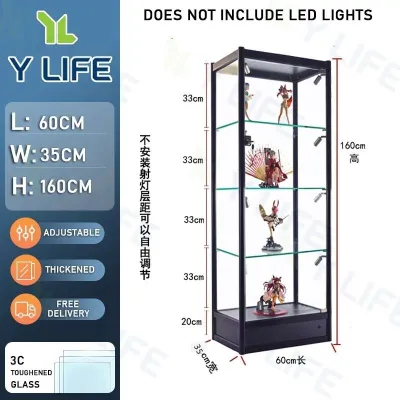
![[FREE INSTALLATION] KENZZO :Belly Glass Door Display Cabinet /book shelf/ filing cabinet/ wardrobe](https://img.lazcdn.com/g/p/ef0152d394d3bae692e449cb326dcb39.jpg_400x400q80.jpg_.webp)
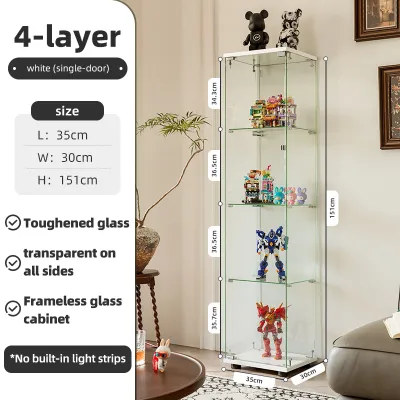
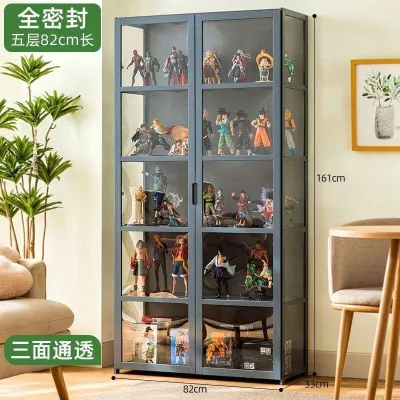
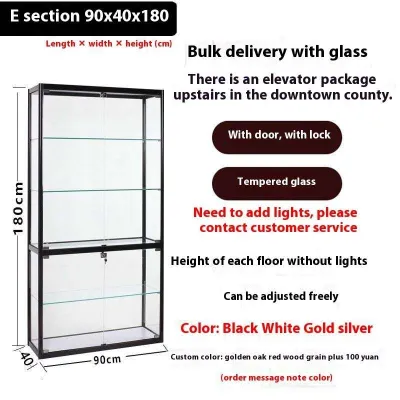
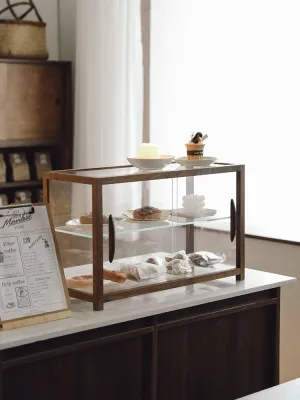
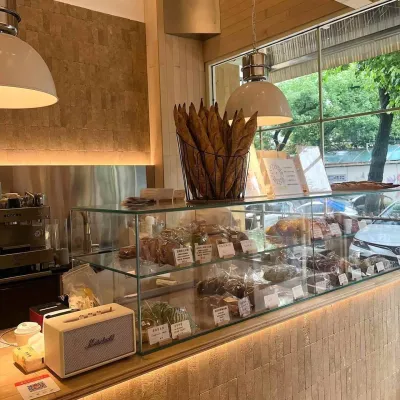
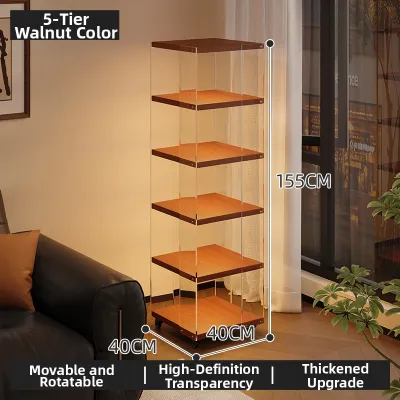
Prices are valid at publication and may change. Please refer to the product page for the latest price.
Visual cohesion is equally important when integrating a new piece of furniture. Identify the dominant color palette and the primary materials already present in the room. If your living room features cool-toned grey tiles and marble surfaces, a warm cherry-wood cabinet might clash visually. Instead, look for materials that echo or thoughtfully contrast with your existing setup, such as matching a matte black metal frame with black steel light fixtures or metal-legged coffee tables.
Finally, clarify the primary purpose of the cabinet. A unit intended to showcase delicate porcelain or intricate collectibles requires maximum glass exposure and built-in lighting. Conversely, a cabinet meant to store daily dining ware alongside miscellaneous household clutter benefits from a hybrid design, featuring clear glass on top and solid wooden doors or opaque drawers at the bottom to keep everyday items out of sight.
Selecting Glass Cabinets for Modern Minimalist Interiors
Modern minimalist interiors prioritize clean lines, open spaces, and the elimination of unnecessary visual clutter. For these homes, the ideal display cabinet should feel almost invisible, allowing the curated items inside to appear as if they are floating. Look for frameless glass-on-glass designs or cabinets with ultra-thin metal profiles that minimize structural distraction.

To maintain a streamlined silhouette, prioritize cabinets equipped with concealed hinges and integrated push-to-open mechanisms. These features eliminate the need for external handles, keeping the exterior surfaces completely flush. The glass itself plays a crucial role in minimalism; selecting low-iron glass is highly recommended. Standard float glass has a slight greenish tint that becomes more pronounced along the edges, whereas low-iron glass offers exceptional clarity, ensuring that the true colors of your displayed items are visible without distortion.
Lighting is another essential element of the minimalist aesthetic. Look for cabinets with integrated, hidden LED lighting systems. Ideally, the LED strips should be recessed into the vertical frame profiles or hidden beneath the front edge of the shelves. This positioning illuminates the contents evenly while keeping the wiring, fixtures, and light sources completely hidden from view, preserving the clean, uncluttered look of the room.
Matching Scandinavian and Japandi Aesthetics
Scandinavian and Japandi (Japanese-Scandinavian fusion) styles focus on warmth, natural textures, and a strong connection to organic elements. To complement these aesthetics, choose display cabinets that pair glass panels with light-toned wood frames. Species such as oak, ash, beech, or rubberwood work beautifully, as do cabinets finished in soft matte white or light beige tones that keep the room feeling bright and airy.
If you want to display some items while concealing others, look for cabinets that utilize textured glass. Fluted, ribbed, or frosted glass panels are excellent choices, particularly for the lower sections of the cabinet. This textured glass diffuses light beautifully, offering a soft, semi-opaque look that hides everyday clutter while maintaining a light, textured appearance that aligns with Japandi principles.
To enhance the sense of spaciousness in smaller HDB or condo living rooms, select a cabinet with elevated legs or a raised base. Lifting the main body of the cabinet off the floor allows light to pass underneath, making the entire room feel larger. This design choice also serves a practical purpose in Singapore homes, as it provides sufficient clearance for robotic vacuum cleaners or manual mops to slide underneath easily, preventing dust from accumulating in hard-to-reach corners.
Incorporating Industrial Chic Elements
Industrial chic design celebrates raw, utilitarian materials, exposed structural elements, and weathered textures. If your home features concrete screed floors, exposed brick walls, or track lighting, your glass display cabinet should reflect this rugged aesthetic. Focus on robust frames constructed from black powder-coated steel, distressed iron, or dark reclaimed timber.
Unlike minimalist styles that hide structural details, industrial cabinets embrace visible hardware. Look for designs featuring exposed rivets, prominent corner brackets, cross-bracing on the back or sides, and vintage-style latch handles or heavy metal pulls. These elements add architectural interest and reinforce the factory-inspired theme.
Glass choices can also lean into the industrial vibe. While clear glass works well, slightly tinted or smoked glass can add a moody, sophisticated layer to the display. Consider modular units or open-shelf designs with glass doors, which offer the flexibility to arrange books, plants, and metallic art pieces in a relaxed, unstructured layout that fits the casual nature of industrial spaces.
Practical Buying Checks for HDBs and Condos
Living in a high-rise apartment in Singapore introduces unique logistical challenges when purchasing large furniture. Before finalizing your order, verify the delivery access routes. Measure the height, width, and diagonal clearance of your building’s lift, as well as the width of your front door and any narrow corridors or tight turns inside your home. If the display cabinet is delivered fully assembled, ensuring it can physically fit through these entry points is critical to avoiding costly return fees.
Next, evaluate the structural integrity and weight capacity of the cabinet. Glass shelves must be rated to support the specific items you plan to display. Check the manufacturer’s specifications for the maximum load capacity per shelf, especially if you intend to store heavy items like ceramic dinnerware, books, or liquor bottles. Additionally, ensure the cabinet’s base is highly stable; if your apartment’s flooring has slight unevenness, look for models equipped with adjustable leveling feet to prevent any wobbling.
Safety should always be a primary consideration when buying glass furniture. Confirm that the cabinet is constructed using tempered or toughened glass rather than standard annealed glass. Tempered glass is significantly stronger and more resistant to impacts. In the rare event of a breakage, it is designed to fracture into small, blunt, granular pieces rather than sharp, dangerous shards, greatly reducing the risk of injury in your home.
Frequently Asked Questions (FAQ)
Are glass display cabinets safe for homes with young children or pets?
Yes, glass display cabinets can be safe for active households, provided you verify specific safety features before purchasing. Always confirm that the cabinet uses certified tempered safety glass, which resists impacts and breaks safely if damaged. For tall, narrow, or top-heavy cabinets, it is essential to install an anti-tip wall anchoring kit to secure the unit firmly to the wall, preventing accidental tipping if a child or pet climbs on it. Additionally, consider installing magnetic child-safety locks or discreet glass door locks on lower doors to restrict access to fragile or hazardous items stored inside.
How can I minimize dust buildup and maintain the glass?
To minimize dust inside your cabinet, check the door seal quality and gap tolerances during the selection process. Cabinets designed with tight-fitting doors, magnetic closures, or integrated dust-exclusion brush strips along the door edges are highly effective at keeping airborne dust out. For routine maintenance, use lint-free microfiber cloths and non-ammonia glass cleaners to prevent streaks and protect the frame finishes from chemical degradation. When organizing the interior, leave a small gap between displayed items; this layout allows you to wipe down the shelves quickly during regular cleaning without needing to unpack the entire cabinet.

Community discussion
Share your experience or ask a question. Comments are reviewed before publication.