
A glass coffee table serves as a design chameleon in the modern living room, offering a unique blend of functional surface area and visual weightlessness. Choosing the right style depends on aligning the table’s structural lines, base materials, and glass finishes with your existing decor. Whether your home leans toward the clean simplicity of Scandinavian design, the raw edge of an industrial loft, the warm curves of mid-century modern, or the polished elegance of contemporary glam, a glass table can enhance your space by reflecting light and showcasing underlying rugs or flooring.
By understanding how different frame materials, glass textures, and geometric shapes interact with your room’s color palette and layout, you can select a piece that feels intentional rather than accidental. In compact urban spaces, such as Singapore’s high-rise apartments, the transparency of glass is particularly valuable for maintaining an open, airy atmosphere. The key is to balance aesthetic preferences with practical considerations like safety, durability, and ease of maintenance.
Assessing Your Living Room Aesthetic and Spatial Needs
Before browsing specific designs, you must conduct a thorough assessment of your living room’s current state and functional requirements. Begin by identifying the dominant design language of your space. Look at your primary seating, wall colors, and existing wood or metal finishes.
Products mentioned in this guide
Prices are valid at publication and may change. Please refer to the product page for the latest price.
If your sofa features clean, blocky lines and neutral upholstery, a table with a highly ornate base might clash, whereas a sleek, geometric frame will harmonize beautifully. Take note of the overall mood—is it casual and cozy, or formal and structured?
Next, precise physical measurements are essential to ensure a comfortable flow of movement. Measure the available floor space between your sofa, television console, and any accent chairs.
As a general guideline, maintain a clearance of 30 to 45 centimeters between the edge of the coffee table and the surrounding seating. This provides ample legroom while keeping the table’s surface within easy reach.
The overall footprint of the table should ideally be about two-thirds the length of your sofa.
The shape of the table also dictates how traffic flows through the room. Round or oval glass tables are highly effective in tight spaces or high-traffic pathways because they eliminate sharp corners, allowing family members to navigate the room smoothly.
Square or rectangular tables work exceptionally well with large L-shaped sectionals, mirroring the clean angles of the seating arrangement and providing equal access to the surface from different spots on the couch.
Lighting is another critical, yet often overlooked, factor when introducing glass furniture to a room. Take time to observe how natural light from windows and artificial light from ceiling fixtures or floor lamps interact with your living space throughout the day.
A clear glass tabletop can beautifully bounce natural light, making a dimly lit room feel significantly brighter. However, high-gloss, reflective surfaces can also create distracting glare under intense, direct overhead lighting.
If your living room receives strong afternoon sun, you might consider tinted or frosted glass finishes to soften reflections.
Finally, define how your household will actually use the table daily. If the surface will primarily host a curated selection of art books and a single decorative vase, you can prioritize delicate, sculptural designs.
Conversely, if your coffee table doubles as an informal dining spot, a workspace, or a play area for children, you must prioritize structural stability, thicker tempered glass, and highly durable frame materials that can withstand frequent cleaning and heavy use.
Matching Glass Coffee Table Styles to Your Living Room Decor
The versatility of glass allows it to pair with a wide array of structural materials, making it a staple across diverse interior design movements. Each aesthetic relies on specific combinations of frame geometry, material warmth, and glass transparency to achieve its signature look. By identifying the core elements of your preferred style, you can select a table that reinforces your design theme.

Modern Minimalist and Scandinavian
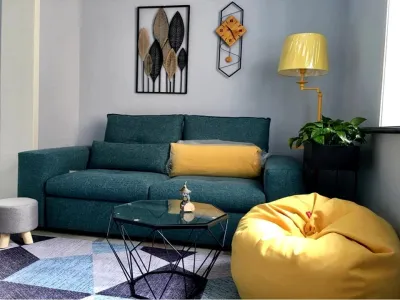
Modern minimalist and Scandinavian aesthetics prioritize functionality, clean lines, and an abundance of light. In these spaces, a glass coffee table should feel almost weightless, serving its purpose without dominating the room’s visual plane. Look for frameless designs, such as bent-glass waterfall tables, which are crafted from a single sheet of curved glass. These pieces offer an uninterrupted view of the floor beneath, making them ideal for showcasing a beautiful patterned rug.
If you prefer a table with a distinct base, opt for slim, low-profile metal frames in matte black or white, or light-toned wooden legs made from ash, beech, or light oak. These materials emphasize simplicity and organic warmth without adding unnecessary bulk. The glass itself should be perfectly clear and untextured to preserve the open, airy feel of the room. This style is exceptionally well-suited for smaller living rooms or apartments where maximizing the perception of space is a primary goal, as the transparent surface prevents the room from feeling crowded.
When positioning a minimalist glass table, keep the styling on the tabletop restrained. A single ceramic bowl or a small stack of neutral-toned books is sufficient to dress the surface. This restraint ensures that the table continues to support the uncluttered, serene atmosphere characteristic of Scandinavian and minimalist interiors.
Industrial and Urban Loft
Industrial design celebrates raw, utilitarian materials, exposed architectural elements, and a sense of history. To complement this rugged aesthetic, a glass coffee table should feature a substantial, heavy-duty base that contrasts with the delicate nature of the glass surface. Look for frames constructed from blackened steel, cast iron, reclaimed wood, or even industrial elements like functional metal casters and exposed pipe fittings.
To balance the visual weight of these heavy metal and wood bases, consider using tinted, smoked, or lightly textured glass. Smoked glass, in particular, adds a moody, sophisticated layer that aligns perfectly with the dark color palettes often found in industrial spaces, such as charcoal walls, exposed red brick, and concrete flooring. The glass top prevents the heavy industrial base from making the living room feel overly dark or cramped, acting as a window that lightens the overall composition.
This style works best in large, open-plan living areas where bold, structural furniture is needed to define specific zones. An industrial glass table acts as a strong visual anchor, bridging the gap between comfortable upholstered seating and the raw, unpolished textures of the surrounding architecture.
Mid-Century Modern and Organic
Mid-century modern design is celebrated for its integration of organic shapes, warm wood tones, and sculptural forms. A glass coffee table in this style typically features a base crafted from rich, warm hardwoods such as walnut, teak, or cherry. Look for iconic design elements like tapered legs, interlocking wooden frames, or organic, fluid shapes that mimic forms found in nature.
The glass top for a mid-century table often departs from strict rectangles, embracing softer silhouettes like kidney-bean, pebble, oval, or rounded triangular shapes. A classic example is the sculptural biomorphic table, where a heavy glass top rests elegantly on two interlocking wood pieces. These curved edges introduce a sense of movement and softness to the living room, breaking up the rigid straight lines of standard sofas and media consoles.
The combination of warm, tactile wood and cool, smooth glass creates a beautiful sensory contrast. This pairing allows the table to bridge the gap between vintage charm and contemporary usability, ensuring the piece feels relevant in a modern home while still channeling the nostalgic, artistic spirit of the mid-twentieth century.
Contemporary Glam and Luxe
For those who prefer a more formal, luxurious, or high-fashion living environment, contemporary glam and luxe styles offer the perfect backdrop for statement glass furniture. In these settings, the coffee table is designed to be a dazzling focal point. Look for bases finished in polished brass, brushed gold, polished chrome, or reflective stainless steel. These bases often feature intricate geometric patterns, interlocking rings, or sculptural, architectural shapes that double as functional art.
To elevate the luxurious feel of the piece, look for premium glass specifications. Thick, high-clarity low-iron glass prevents the green tint often visible along the edges of standard glass, offering a pristine, crystal-clear appearance. Beveled glass edges, which feature a sloped border that catches and refracts light like a prism, add an extra layer of sophistication. Some luxe designs also incorporate mirrored lower shelves or marble accents, creating a multi-layered, reflective display.
These tables pair beautifully with rich, tactile textiles such as velvet sofas, silk drapery, and high-pile rugs. When styled with metallic trays, crystal decanters, or fresh floral arrangements, a glam glass coffee table enhances the overall sense of opulence and refinement in the room, reflecting the glow of ambient lighting and chandeliers.
Selecting Base Materials and Glass Finishes for Your Style
While the overall silhouette of a coffee table is important, its specific style and daily performance are largely determined by the combination of its base material and glass finish. Understanding the characteristics of these materials allows you to mix and match elements to suit both your aesthetic goals and your lifestyle needs.
- Wood Bases: Wood brings natural warmth, texture, and a sense of grounding to a room. It is highly versatile, fitting into Scandinavian, mid-century, or rustic decors depending on the species and finish. However, in humid climates like Singapore's, it is crucial to verify that any solid wood or wood veneer base has been properly sealed with a moisture-resistant finish to prevent warping or joint degradation over time.
- Metal Bases: Metal offers exceptional structural strength, allowing for incredibly thin, delicate frame designs that can still support heavy glass tops. Finishes range from matte black powder coating (ideal for industrial or minimalist styles) to polished gold or chrome (perfect for glam and modern spaces). Metal is highly durable and easy to wipe clean, making it a practical choice for busy households.
- Acrylic Bases: For the ultimate minimalist or small-space solution, acrylic or lucite bases provide a completely transparent, "invisible" support structure. This maximizes light flow and floor visibility, making the table appear to float in the room. While visually stunning, acrylic is susceptible to scratching, so it requires gentle handling and specialized cleaning.
The treatment of the glass itself also plays a significant role in both aesthetics and practical maintenance:
- Clear Glass: This is the most common option, offering maximum transparency and light transmission. It is excellent for keeping a room looking spacious, but it easily reveals fingerprints, dust, and water spots, requiring frequent wiping to maintain its pristine look.
- Frosted or Textured Glass: Frosted, acid-etched, or fluted glass finishes obscure the view through the tabletop, adding a layer of privacy and visual texture. These finishes are highly practical because they are excellent at hiding smudges, fingerprints, and minor surface scratches, making them a great choice for high-use family rooms.
- Tinted or Smoked Glass: Infused with subtle color—typically gray, bronze, or black—tinted glass reduces glare and adds a sophisticated, moody vibe to the room. It grounds the furniture piece, making it feel more substantial while still retaining the reflective, light-catching qualities of glass.
When shopping, remember that material names alone do not guarantee specific performance or durability traits. Always check the manufacturer’s product labels and detailed specifications to verify the exact material compositions, finish treatments, and recommended care guidelines before making your purchase.
Essential Sizing, Delivery, and Safety Checks Before You Buy
A coffee table must not only look beautiful but also function safely and fit seamlessly into your physical environment. Before finalizing your purchase, there are several critical technical and practical checks you must perform.
First, evaluate the height and clearance of the table relative to your seating. The top of the coffee table should sit level with, or slightly lower than, the cushions of your sofa—typically between 40 and 45 centimeters from the floor. A table that is too high will disrupt the visual lines of the room and feel awkward when you reach to set down a drink, while a table that is too low can be uncomfortable to use. Ensure there is adequate clearance on all sides to allow for comfortable leg movement and easy passage.
Second, consider the logistics of delivery, especially if you live in a high-rise condominium or HDB apartment in Singapore. Glass tabletops, particularly those made from thick, high-quality tempered glass, can be incredibly heavy and awkward to maneuver. Measure the height, width, and diagonal clearance of all doorways, tight corridor corners, stairwells, and elevator cabins along the delivery path. Confirming these dimensions beforehand prevents the frustration of a delivery team arriving only to find that the piece cannot safely reach your living room.
Third, safety must be a primary consideration, particularly if your household includes young children, elderly family members, or active pets. Always verify that the table uses tempered glass, which is designed to undergo a thermal tempering process that makes it significantly stronger than standard annealed glass. In the rare event of breakage, tempered glass fractures into small, relatively harmless granular pieces rather than sharp, jagged shards. Look for a safety certification mark or label on the glass to confirm this standard.
The edge profile of the glass is also vital for safety. For homes with toddlers or pets, avoid sharp, 90-degree corners. Instead, choose tables with rounded corners, beveled edges, or completely circular or oval shapes. Polished, rounded edges significantly reduce the risk of painful bumps and injuries from accidental collisions.
Finally, inspect the structural design of the base and how the glass top is secured. The base must provide excellent stability and even weight distribution to prevent tipping if someone accidentally leans on the edge of the table. Look for designs where the glass top is securely anchored to the frame via suction pads, recessed channels, or specialized metal hardware, rather than simply resting loosely on top of a narrow base.
Frequently Asked Questions (FAQ)
Are glass coffee tables suitable for small living rooms?
Yes, glass coffee tables are exceptionally well-suited for small living rooms. Because clear glass is transparent, it minimizes visual clutter and allows the eye to travel straight through the piece, creating the illusion of a larger, more open floor area. To maximize this space-enhancing effect, select a table with a slender, open metal frame or a minimalist bent-glass design, and avoid heavy, solid bases or dark, heavily tinted glass that can reintroduce visual weight to the room.
How do you keep a glass coffee table looking clean?
To keep your glass coffee table looking pristine, dust the surface regularly with a dry, clean microfiber cloth to remove loose particles that could cause micro-scratches. For deeper cleaning, apply a gentle, non-abrasive glass cleaner or a mild mixture of water and white vinegar, wiping in a circular motion before buffing dry with a clean microfiber cloth. Always consult the manufacturer’s specific care instructions before applying any cleaning solutions, particularly if your table features specialized surface coatings, tinted films, or delicate metal and wood frames that require specialized care.
Community discussion
Share your experience or ask a question. Comments are reviewed before publication.