
Selecting the ideal upholstery for your setup is one of the most critical decisions when purchasing a new seat. Choosing the right gaming chair fabric or alternative material requires balancing breathability, wear resistance, and ease of cleaning. Because you will likely spend hours at a time in this chair, the material directly affects your body temperature, skin comfort, and the overall longevity of your investment.
In tropical environments where heat and humidity are constant factors, your choice of upholstery becomes even more consequential. A material that performs well in a cool, climate-controlled showroom might feel sticky, warm, or prone to rapid degradation in a naturally ventilated home. Understanding the distinct properties of mesh, woven fabric, PU synthetic leather, and genuine leather will help you make an informed decision that suits your daily habits and living space.
Quick Overview: Core Trade-Offs of Gaming Chair Materials
Every upholstery option represents a specific compromise between breathability, tactile comfort, and maintenance effort. No single material excels in every category, meaning your choice should align with your personal priorities and room conditions.
Products mentioned in this guide
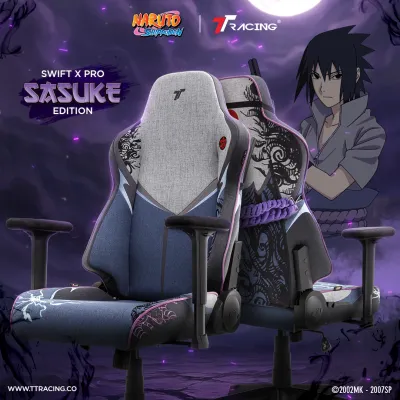
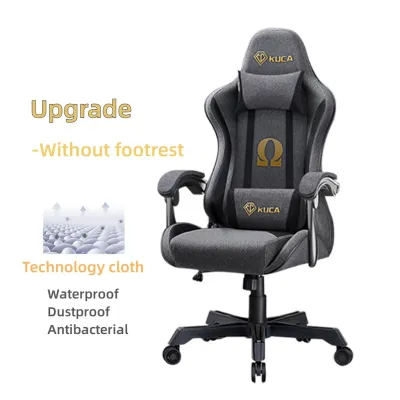
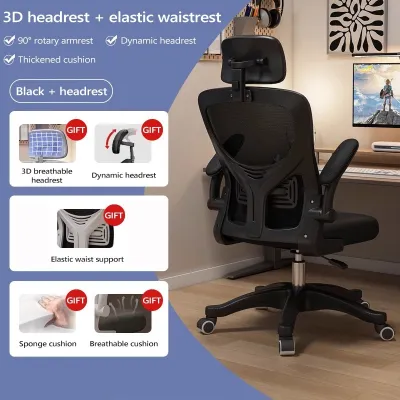
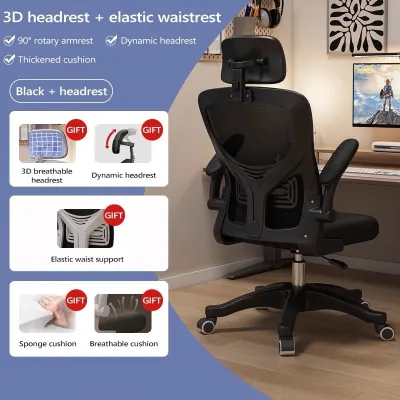
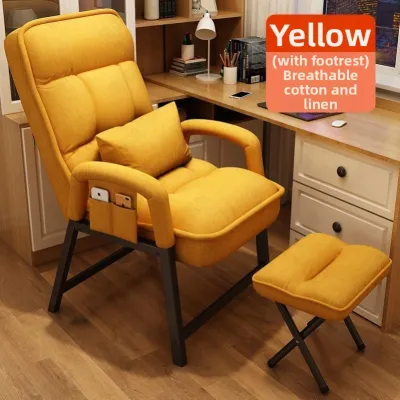
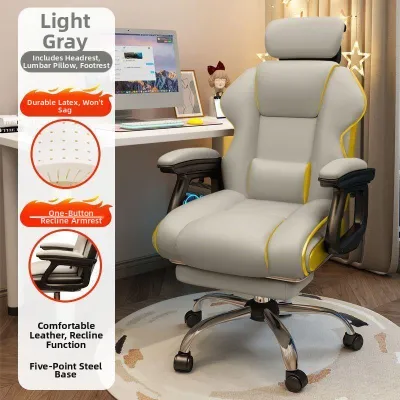
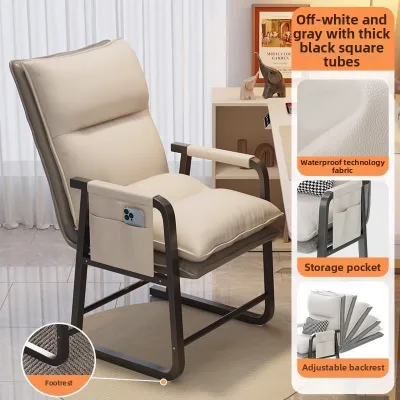
Prices are valid at publication and may change. Please refer to the product page for the latest price.
Mesh provides the highest level of airflow, keeping you cool in warm environments, but it offers a firmer, more utilitarian feel that some find less cozy. Woven fabric offers a soft, traditional furniture feel with excellent temperature neutrality, but it easily absorbs sweat, spills, and odors. PU synthetic leather provides a sleek, modern look that is incredibly easy to wipe clean, yet it traps body heat and is highly susceptible to peeling over time. Genuine leather offers unmatched durability, luxury, and natural breathability, but it carries a premium price tag and demands regular conditioning to prevent drying.
Before deciding, consider your typical gaming or working duration, whether your room is consistently air-conditioned, and how much effort you are willing to dedicate to routine maintenance. By matching these factors to the strengths and weaknesses of each material, you can avoid common pitfalls like premature peeling or uncomfortable heat buildup.
Mesh Upholstery: Airflow and Ergonomic Tension
Mesh upholstery stands out because it completely redefines how a chair supports your body. Instead of relying on a thick layer of polyurethane foam wrapped in fabric or leather, mesh chairs feature a highly tensioned woven net stretched across a rigid frame. This design distributes your body weight evenly across the entire surface, promoting active posture alignment and reducing pressure points without the sink-in feel of traditional padding.

For those sitting in warm or poorly air-conditioned rooms, the thermal benefits of mesh are unmatched. Because there is no solid backing or foam to trap heat, air flows freely behind your back and beneath your thighs. This passive cooling prevents the build-up of sweat and humidity, making it an exceptional choice for long, intense sessions in tropical climates.
However, mesh does have distinct physical trade-offs. The woven synthetic fibers can feel abrasive against bare skin, and delicate clothing materials can experience friction wear over time. Additionally, because the material is entirely open, any liquid spills will pass straight through the weave, settling onto the frame below or the floor, which can make deep cleaning a multi-step process.
When shopping for a mesh chair, it is crucial to verify the quality of the materials used. Look for high-grade elastomeric mesh, which retains its tension and bounces back to its original shape over years of use. Cheaper polyester mesh tends to stretch and sag prematurely, causing your body to bottom out against the frame. Always check the manufacturer’s specified weight capacity and frame reinforcement details to ensure the structural tension is built to last.
Fabric (Cloth): Tactile Comfort and Wear Resistance
Woven gaming chair fabric offers a soft, cozy tactile experience that closely resembles high-end living room furniture. This material is highly favored by users who prefer a plush, cushioned seat that feels instantly welcoming. Unlike synthetic leathers, woven cloth is highly temperature-neutral, meaning it does not feel freezing cold when you first sit down in an air-conditioned room, nor does it become hot and sticky when the air conditioning is turned off.
In terms of physical durability, high-quality fabric is remarkably resilient. It does not suffer from the peeling, flaking, or cracking that plagues synthetic PU leathers as they age. A well-made fabric chair can withstand years of friction from movement without showing significant surface degradation, making it an excellent long-term investment for daily use.
Despite these benefits, fabric requires a proactive approach to hygiene. The porous nature of woven textiles means they easily absorb liquids, sweat, body oils, and environmental odors. If you enjoy eating or drinking at your desk, a single spilled coffee or soda can leave a permanent stain if not treated immediately. Fabric also tends to accumulate dust, pet dander, and hair within its weave, which may trigger allergies if the chair is not cleaned regularly.
To mitigate these issues, many manufacturers now apply specialized stain-resistant or water-repellent coatings to their fabric lines. When comparing options, check the product specifications for these treatments or look for high-density weaves that naturally resist liquid penetration. Keep in mind that even treated fabrics require regular vacuuming and prompt spot-cleaning to preserve their appearance and hygiene over the years.
Leather Options: PU Synthetic vs. Genuine Leather
Leather-style upholstery remains a highly popular choice for gaming setups due to its classic, executive aesthetic and clean lines. However, the term “leather” covers vastly different materials with contrasting price points, lifespans, and care requirements.
PU Leather: Budget-Friendly Aesthetics and Peeling Risks
Polyurethane (PU) leather is the standard upholstery for entry-level and mid-range gaming chairs. It consists of a thin layer of synthetic polymer applied over a fibrous backing, mimicking the texture and sheen of real leather at a fraction of the cost. This material is highly favored for its initial premium appearance and its water-resistant surface, which allows you to wipe away spills, dust, and crumbs with a simple damp cloth.
The primary drawback of PU leather is its vulnerability to a chemical process called hydrolysis. Over time, exposure to moisture—including ambient humidity, sweat, and body oils—breaks down the polyurethane molecules. This causes the surface to crack, flake, and peel away in high-friction areas like the seat base and headrest. In humid climates, this degradation can begin within two to three years of daily use.
When purchasing a PU leather chair, pay close attention to the warranty terms. Many manufacturers offer long structural warranties but explicitly exclude upholstery peeling or cosmetic wear from their coverage. To ensure better longevity, look for terms like “prime PU” or “reinforced synthetic leather,” which indicate a thicker protective topcoat designed to resist hydrolysis longer than standard budget alternatives.
Genuine Leather: Premium Feel and Conditioning Needs
At the high end of the market, typically in premium price bands exceeding S$800, you will find chairs upholstered in genuine top-grain or full-grain leather. Genuine leather is a natural, porous material that offers superior durability and a unique tactile feel. Unlike synthetic alternatives, real leather possesses natural pores that allow a degree of breathability, preventing it from trapping heat as aggressively as PU leather.
With proper care, a genuine leather chair can last for decades, developing a soft, personalized patina as it molds to your body shape over time. It is highly resistant to tearing and punctures. However, this longevity depends entirely on your willingness to perform regular maintenance. Because it is an organic material, genuine leather can dry out, stiffen, and crack if it is exposed to dry air, direct sunlight, or body sweat without periodic hydration.
It is also important to read product descriptions carefully to avoid misleading marketing. Terms like “leatherette,” “bonded leather,” or “PU leather” do not refer to real animal hide. Bonded leather, in particular, is made from shredded leather scraps glued together and coated with polyurethane; it is highly prone to rapid peeling and does not offer the durability of true top-grain leather. Always verify that the product label explicitly states “top-grain” or “full-grain” leather if you are paying a premium price.
How to Choose the Right Material for Your Setup
To select the perfect material, you must evaluate your specific living conditions, household dynamics, and physical space rather than relying solely on aesthetic appeal.
- Climate and Room Temperature: If you live in a warm, humid environment and primarily use your gaming room without air conditioning, mesh is the most practical choice to prevent sweating and discomfort. Woven fabric is a suitable secondary option if you prefer a cushioned feel. If your room is consistently air-conditioned, PU or genuine leather becomes much more comfortable, as the ambient cool air prevents the sticky sensation associated with synthetic surfaces.
- Household Factors (Pets and Children): Your living companions should heavily influence your choice. Mesh is highly vulnerable to cat claws, which can easily snag, pull, and unravel the tensioned weave. Genuine leather is also prone to visible scratches from pet nails. If you have pets or young children, a tightly woven fabric or a high-quality, easily wipeable PU leather is often the most practical option, provided you address spills immediately.
- Usage Duration and Posture: For those who sit for eight or more hours a day for intense work or competitive gaming, the firm, ergonomic support of a high-quality mesh chair helps maintain healthy spinal alignment. If your usage is more casual—such as lounging with a controller, watching movies, or taking breaks—the plush, cushioned support of a thickly padded fabric or leather chair offers a more relaxing, sink-in experience.
- Maintenance Willingness: Be honest about your cleaning habits. If you want a low-maintenance "wipe-and-go" routine, PU leather is the easiest to manage daily, despite its shorter overall lifespan. If you do not mind regular vacuuming and occasional spot treatments, woven fabric offers excellent durability. If you are willing to invest in specialized leather creams and perform biannual conditioning, genuine leather provides the ultimate long-term reward.
- Space and Installation Constraints: Before finalizing your purchase, always verify the finished dimensions of the chair against your desk height and available floor space. Ensure that the chair's width can easily clear your room doorways and lift doors during delivery. Additionally, check the manufacturer's specified load capacity and stability ratings to ensure the internal frame and gas lift are properly rated for your body weight.
Safe Cleaning and Maintenance by Material Type
Proper care is the single most effective way to extend the lifespan of your gaming chair, regardless of the material you choose. Applying the wrong cleaning agent can permanently damage the upholstery, strip protective coatings, or void your warranty.
For mesh and woven fabric chairs, dust accumulation is the primary enemy. Use a vacuum cleaner equipped with a soft upholstery brush attachment once a week to remove dust, skin flakes, and pet dander from the weave. If a liquid spill occurs on fabric, immediately blot the area with a clean, dry microfiber cloth to absorb as much liquid as possible; never rub the spill, as this forces the liquid deeper into the fibers. For stubborn stains, use a highly diluted solution of mild dish soap and warm water, applying it gently with a damp cloth, then allow the chair to air dry completely in a well-ventilated room. Avoid using stiff bristle brushes or saturated wet cloths, as excess moisture can seep into the underlying foam and lead to mold growth.
For PU and genuine leather chairs, a weekly wipe-down with a dry or slightly damp microfiber cloth is essential to remove sweat and body oils, which accelerate material breakdown. For genuine leather, apply a high-quality leather conditioner every six to twelve months to keep the hide supple and prevent cracking. Never use harsh chemical cleaners, bleach, alcohol-based sanitizers, or household glass sprays on any leather or synthetic leather surface, as these solvents will instantly dissolve the protective topcoats and cause rapid, irreversible cracking.
Before applying any cleaning solution, commercial fabric protector, or leather cream, locate the manufacturer’s care tag or consult the official user manual. Always perform a spot test on a small, hidden area on the underside of the seat to ensure the cleaner does not cause discoloration or structural damage to the material.
Frequently Asked Questions (FAQ)
Is mesh better than leather for gaming chairs in hot climates?
Yes, mesh is generally superior in hot and humid climates because its open-weave design allows continuous passive airflow. This prevents body heat and perspiration from becoming trapped against your back and thighs. Leather, particularly synthetic PU leather, acts as an insulator and does not breathe, which often leads to a sticky, hot, and uncomfortable seating experience during long sessions in rooms without active air conditioning.
How do I stop PU leather from peeling?
Once PU leather begins to peel due to hydrolysis, the chemical breakdown cannot be reversed. However, you can significantly delay this process by wiping down the chair with a dry microfiber cloth after every use to remove sweat and body oils. Keep the chair out of direct sunlight, maintain a moderate humidity level in your room, and avoid wearing clothes with sharp metal zippers or rivets that can scratch and weaken the protective polyurethane coating.
Are fabric gaming chairs harder to clean than leather?
Fabric chairs do require more effort for routine cleaning because their porous woven fibers can absorb spilled liquids, dust, and odors, requiring prompt blotting and regular vacuuming. In contrast, PU leather allows you to quickly wipe away wet spills and dust with a damp cloth. However, fabric does not suffer from the irreversible peeling and flaking that eventually ruins aging PU leather, making fabric much easier to maintain cosmetically over a longer lifespan.

Community discussion
Share your experience or ask a question. Comments are reviewed before publication.