
Quick Answer: Matching Pads to Your Floor
Selecting the right furniture protector depends entirely on your flooring material. For hard, smooth surfaces like ceramic tiles and parquet, high-density felt pads are generally the most effective option to prevent surface scratching during movement. For resilient surfaces like vinyl and laminate, non-reactive rubber or silicone grips are preferred because they prevent sliding without leaving chemical residues that can cause permanent discoloration.
Before making a purchase, always verify the manufacturer’s labels for floor compatibility and weight capacity. A pad that works perfectly on a hard stone surface might degrade or slip on a flexible floating floor. Matching the protector’s material to your floor’s specific physical properties ensures long-term protection and keeps your furniture stable.
Floor-Specific Furniture Protector Guide
Different flooring materials react uniquely to pressure, friction, and moisture. The hardness of the floor, the type of protective finish applied to it, and its sensitivity to ambient humidity dictate which protector material will perform best.
Products mentioned in this guide
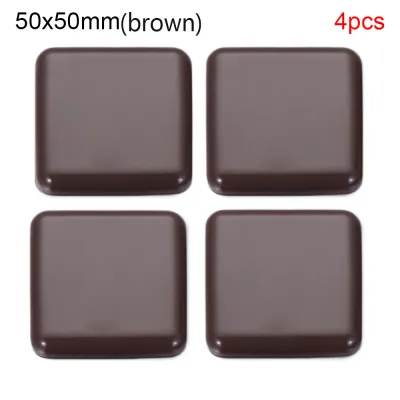
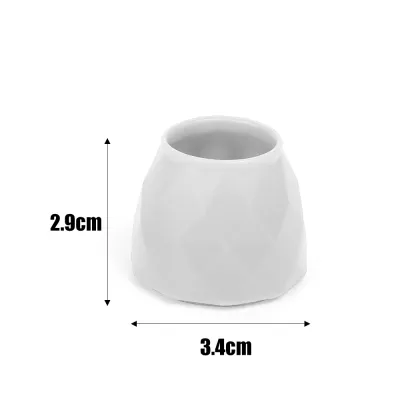
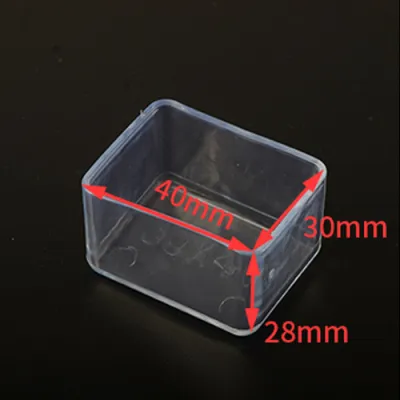
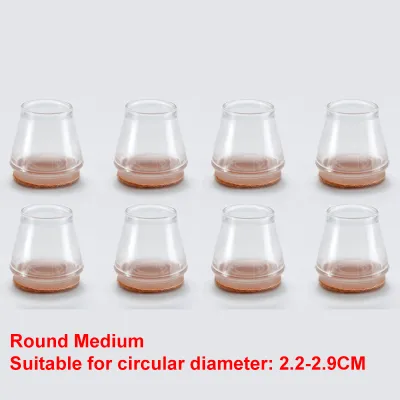
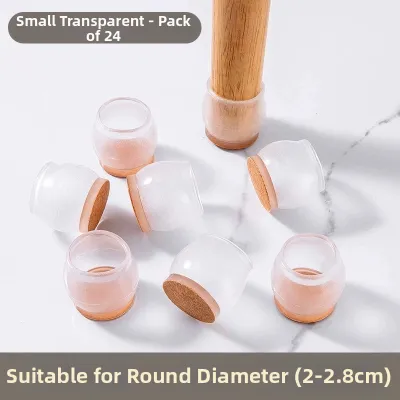
Prices are valid at publication and may change. Please refer to the product page for the latest price.

Additionally, always check your flooring manufacturer’s warranty guidelines before applying any adhesive-backed products. Some warranties are voided if unapproved adhesives or rubber backings damage the floor’s wear layer.
Tiles and Stone Floors
Ceramic, homogeneous, and natural stone tiles are highly durable, but they are susceptible to chipping and cracking under heavy point loads. When heavy furniture like dining tables or solid wood cabinets are dragged across tiled floors, the impact can damage both the tile surface and the grout lines.
To prevent this, look for thick felt pads or dense rubber cups that can absorb sudden shocks. These materials cushion the contact point and distribute the weight of heavy furniture legs evenly across the tile and grout.
Wide-base cups or coasters are particularly useful for heavy items. They spread the load over a larger surface area, reducing the risk of localized pressure cracking a single tile.
Avoid hard plastic glides on stone or tile floors. Plastic glides can slip too easily, causing furniture to slide unexpectedly and create impact damage when it collides with walls or other items. They can also trap tiny pieces of grit beneath them, grinding scratches into polished marble or granite surfaces.
Vinyl and Linoleum Floors
Vinyl and linoleum are resilient, comfortable underfoot, and highly popular in modern homes. However, they are sensitive to chemical reactions and localized pressure.
When choosing protectors for vinyl, select non-staining rubber or silicone pads. Many standard rubber pads contain plasticizers, which are chemical agents that can migrate into the vinyl over time, causing permanent yellow or brown stains.
For frequently moved furniture like dining chairs, smooth-bottomed felt pads or specialized vinyl glides are excellent choices. They allow the chairs to slide effortlessly without dragging or pulling at the vinyl surface.
Always verify that any adhesive backings on the protectors are explicitly approved for use on vinyl. Low-quality adhesives can melt in warm, humid climates, leaving a sticky residue that attracts dirt and ruins the floor’s finish.
Parquet and Solid Hardwood Floors
Solid timber and parquet floors add warmth to a home, but their polyurethane or oil finishes are highly vulnerable to scratches, dents, and moisture damage.
High-density felt pads are the gold standard for wood floors. They allow chairs and tables to slide smoothly across the surface without grinding dust, sand, or grit into the delicate wood finish.
However, felt pads require regular inspection. Over time, they can wear thin or trap abrasive debris like small pebbles or pet hair, turning the protector into sandpaper that scratches the floor every time the furniture moves.
Avoid using rubber or highly grippy materials on polyurethane-finished wood floors. In warm or humid conditions, these materials can chemically bond to the wood coating, tearing the finish away when the furniture is eventually moved.
Laminate Floors
Laminate flooring consists of a dense fiberboard core topped with a photographic layer and a clear wear layer. Because laminate is a floating floor system, it is particularly sensitive to surface scratching and seam separation.
Soft felt pads or smooth plastic glides are ideal for laminate because they reduce friction during movement. This prevents the protective top wear layer from wearing down prematurely, which would expose the vulnerable photographic layer beneath.
Using wide surface area pads is crucial for laminate floors. They distribute the weight of heavy furniture, preventing individual planks from shifting or separating at the seams under heavy, uneven loads.
It is also important to check that your furniture legs are completely level. Uneven pressure from a crooked leg can concentrate weight on a single spot, causing the laminate planks to bow or warp over time.
Key Design Features to Verify Before Buying
Selecting the right material is only the first step; you must also evaluate the physical design and specifications of the furniture protectors.
Weight Capacity and Thickness: Verify that the thickness and density of the pad match the weight of the furniture. Heavy sofas, beds, and wardrobes require thick, heavy-duty felt or solid rubber cups that will not compress completely flat under load. Light dining chairs, on the other hand, do well with thinner, low-profile felt pads.
Attachment Methods: Choose an attachment style that suits both your floor and the furniture leg material. Adhesive pads are easy to apply but can slide off over time. Slip-on silicone caps provide a secure fit for round or square chair legs without using glue. Nail-on or screw-in glides offer the most permanent attachment for wooden legs, but you must ensure they are installed straight to prevent the metal screws from contacting the floor.
Shape and Dimensions: Measure the bottom of your furniture legs carefully before buying. The protector should match the shape (round, square, or rectangular) and dimensions of the leg to ensure full coverage and prevent uneven wear.
Installation and Ongoing Maintenance
Proper installation and regular maintenance are essential to keep your furniture protectors functioning correctly and to prevent accidental floor damage.
Before applying adhesive pads, clean the bottom of the furniture leg thoroughly with a damp cloth and allow it to dry completely. Removing dust, grease, and old adhesive residue ensures a strong, long-lasting bond.
Establish a routine schedule to inspect your furniture pads every few months. Check for worn-out felt, shifting adhesives, or embedded grit that could act as an abrasive against your flooring.
Stop using and immediately replace any protector pad that shows signs of hardening, cracking, or leaving sticky residue on the floor. Taking a few minutes to swap out worn pads can save you from expensive floor repairs later.
Frequently Asked Questions (FAQ)
Can I use the same furniture protectors on all types of flooring?
It is not recommended to use a single type of protector across all flooring materials. A pad designed to grip and prevent sliding on hard tiles might contain chemicals that stain vinyl, or it might be too abrasive for delicate parquet finishes. Always check the manufacturer’s multi-surface compatibility claims and test the protector in an inconspicuous area, such as inside a closet or under a rug, before applying it throughout your home.
How do I remove adhesive residue left by old furniture pads?
Before applying any cleaning agents or solvents, check your flooring manufacturer’s care guidelines to avoid stripping the finish. For a safe approach, try gently rubbing the residue with a soft microfiber cloth dampened with warm, soapy water. If the adhesive persists, use a mild, floor-safe cleaner approved for your specific flooring type, stopping immediately if you notice any dulling or discoloration of the surface finish.
Do furniture protector pads prevent dents in vinyl flooring?
While furniture pads help distribute weight and prevent surface scratches, they cannot completely prevent indentation from extremely heavy, static loads on resilient floors like vinyl. To minimize the risk of permanent dents from heavy wardrobes or appliances, use wide-load furniture coasters to spread the weight over a larger area, and verify the vinyl manufacturer’s maximum weight limits.
Community discussion
Share your experience or ask a question. Comments are reviewed before publication.