
Assessing the right furniture leg protector requires matching the material to both your floor’s vulnerability and the furniture’s movement pattern. There is no single universal winner; felt excels at gliding on wood, while rubber and silicone prioritize grip on smooth stone. This guide compares the physical traits of felt, rubber, silicone, and plastic to help you prevent scratches and ensure smooth movement across parquet, tile, and marble surfaces.
Assessing Your Floor Finish and Furniture Movement
Parquet flooring, with its natural wood grain and protective topcoat, is highly susceptible to fine scratches and scuffs. Even minor friction from moving a chair can wear down the polyurethane or wax finish over time, exposing the raw wood underneath to moisture and dirt.
Ceramic and porcelain tiles are significantly harder than wood, making them highly resistant to scratches. However, they feature grout lines that create uneven transitions. Furniture dragged across these grout lines experiences constant micro-impacts, which can chip the edges of the tiles or loosen the grout over time.
Products mentioned in this guide
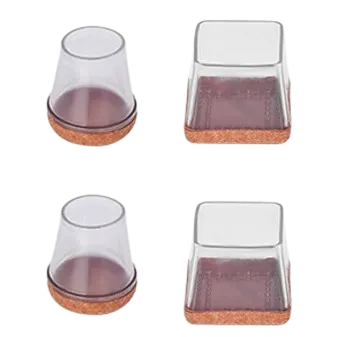
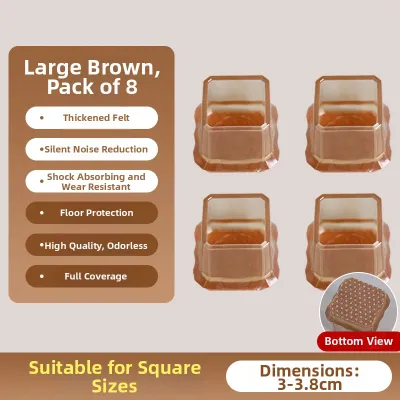
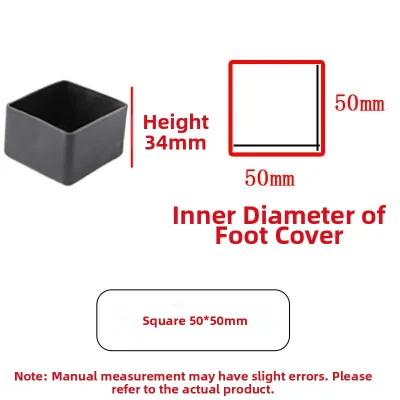
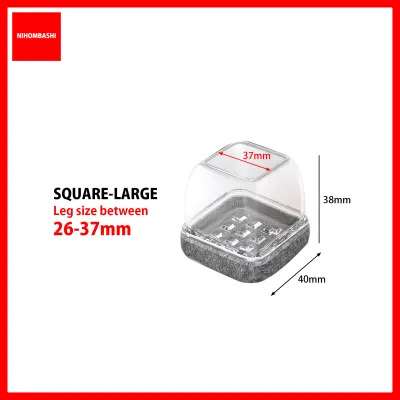
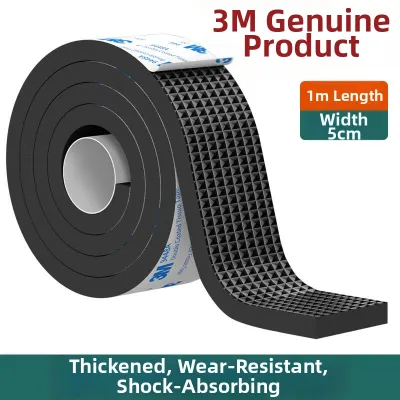
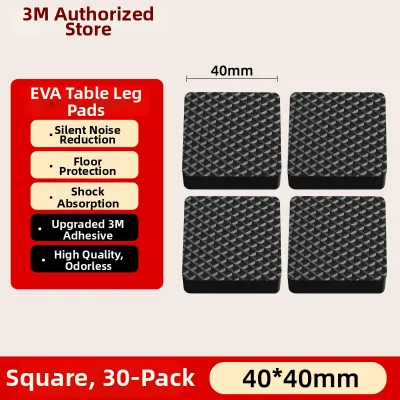
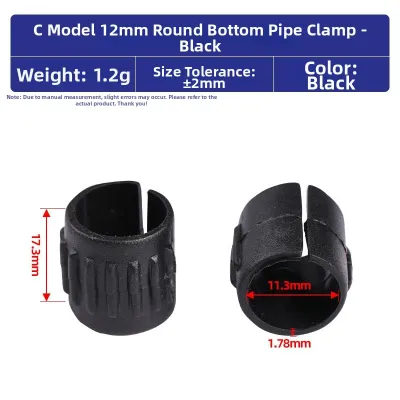
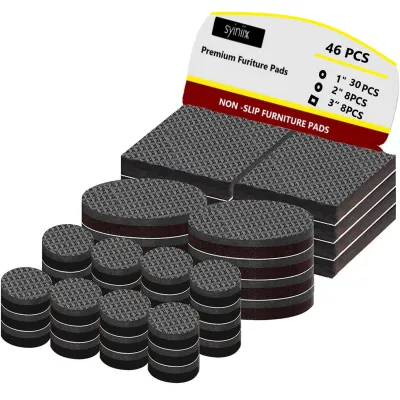
Prices are valid at publication and may change. Please refer to the product page for the latest price.
Marble and other natural stone floors present a unique challenge because they are both hard and surprisingly porous. While they resist deep dents, polished marble scratches easily under heavy loads, and unsealed stone can absorb chemicals or oils from certain synthetic rubber compounds, leading to permanent discoloration or etching.
Beyond the flooring material, the weight and movement patterns of your furniture dictate the type of protection required. Dining chairs, which are pulled out and pushed in multiple times a day, require low-friction materials that glide effortlessly. Heavy sofas, sideboards, and wardrobes, on the other hand, need high-friction materials that distribute weight evenly and prevent the furniture from shifting when in use.
Environmental conditions also play a critical role in how well a protector performs. In high-humidity areas, such as kitchens or dining spaces near open balconies, standard self-adhesive backings can lose their grip and slide off the leg. Similarly, high-traffic entryways accumulate grit and dust quickly, which can become embedded in certain protector materials and turn them into abrasive pads.
Comparing Protector Materials: Felt, Rubber, Silicone, and Plastic
To choose the right protector, it helps to understand how different materials interact with your floor based on their hardness and friction levels. Soft, fibrous materials allow for easy sliding by reducing friction, whereas elastomeric materials grip the floor to prevent movement.

Every material choice involves a trade-off. A protector that excels at gliding will not keep a heavy sofa from sliding out of place, while a high-grip rubber cap will resist movement so intensely that dragging the furniture could damage the leg joints or the floor itself.
Felt Protectors
Felt is the traditional choice for protecting delicate floors, particularly parquet and polished marble. Because felt is soft and fibrous, it allows furniture legs to glide silently and smoothly across the floor, minimizing the risk of surface scratches during daily use.
However, felt has distinct physical limitations. Under heavy, stationary loads—such as a fully loaded bookshelf or a large wardrobe—felt pads compress completely, losing their cushioning effect and potentially allowing the hard furniture leg to make contact with the floor.
Additionally, the fibrous texture of felt acts like a magnet for dust, pet hair, and loose grit. Over time, these particles become embedded in the pad, transforming a soft protector into a rough, sandpaper-like surface that can scratch the very floor it was meant to protect.
Moisture is another major enemy of felt protectors. If used in areas prone to spills or wet mopping, the felt can absorb water, weakening the adhesive backing and causing the pad to slip off center or peel away entirely.
When selecting felt protectors, it is essential to check the density of the material rather than just its thickness. High-density, heavy-duty wool or synthetic felt resists compression much better than soft, craft-style felt, and checking the strength of the adhesive backing ensures the pad remains centered under the leg.
Rubber and Silicone Protectors
Rubber and silicone protectors are designed primarily for grip, making them excellent choices for keeping furniture firmly in place on smooth surfaces like ceramic tiles and polished stone. These materials absorb vibrations and prevent “creep”—the gradual sliding of heavy furniture when sat on or leaned against.
Silicone caps often feature flexible sleeves that stretch over the furniture leg, providing a secure fit without relying solely on adhesives. This makes them highly durable and resistant to peeling, even in humid environments or rooms subjected to frequent cleaning.
The primary limitation of these high-friction materials is their resistance to sliding. If a chair fitted with rubber protectors is forcefully dragged, the high friction can cause the leg to catch violently, potentially loosening the joints of the furniture or leaving dark scuff marks on the floor finish.
Furthermore, certain low-grade rubber compounds contain plasticizers or oils that can migrate into porous flooring materials like unsealed marble or light-colored grout, causing permanent yellowing or dark stains that cannot be easily polished out.
To avoid these issues, always verify that the rubber or silicone protector is explicitly labeled as non-marking. For light-colored stone or delicate marble, checking the manufacturer’s specifications for material stability is a crucial step to prevent chemical staining.
Plastic and Hard Nylon Protectors
Plastic and hard nylon glides are typically installed on heavy, commercial-grade furniture or items that are rarely moved. These protectors are highly durable, do not compress under extreme weight, and are completely unaffected by moisture or household cleaning chemicals.
Despite their durability, hard plastic glides are generally unsuitable for delicate residential floors like parquet or polished marble. Because the plastic is hard, any tiny grain of sand or grit trapped between the glide and the floor will be pressed into the wood or stone under the weight of the furniture, resulting in deep, permanent scratches.
Additionally, hard plastic does not absorb impact. When heavy furniture is dropped or moved roughly, the force is transferred directly to the floor surface, which can lead to hairline cracks in ceramic tiles or deep dents in soft wood finishes.
Before using plastic or nylon glides, inspect the bottom of each protector carefully. Ensure the surface is completely smooth and free of sharp manufacturing seams, molding flash, or rough edges that could act as cutting tools on your floor.
Matching Materials to Parquet, Tile, and Marble
Selecting the right protector requires a systematic approach that balances the hardness of your floor with the frequency of furniture movement. For parquet floors, where scratch prevention is the absolute priority, high-density felt is the standard choice for chairs and tables, while non-marking silicone caps can be used on stationary sofas to prevent sliding.
For tiled floors, the main challenge is navigating the grout lines without chipping. Here, silicone caps with a reinforced felt base offer an excellent hybrid solution, providing enough grip to keep the furniture stable while allowing enough glide to pass over grout lines smoothly.
Marble floors require extreme caution due to their susceptibility to both physical scratching and chemical staining. Non-marking felt pads are ideal for moving chairs, whereas high-quality, medical-grade silicone sleeves are highly suitable for stationary items to avoid the risk of oil migration and chemical etching associated with cheap rubber.
Verify first if your stone floor is completely sealed, if your parquet has an antique oil finish, or if there is existing surface damage. Unsealed stone absorbs liquids and oils rapidly, meaning any adhesive or rubber compound must be tested for compatibility, while rough, damaged wood can tear felt pads apart within days.
| Floor Type | Furniture Movement Type | Recommended Material | Key Risk to Avoid |
|---|---|---|---|
| Parquet | Frequent (e.g., Dining Chairs) | High-Density Felt | Trapped grit scratching the wood finish |
| Parquet | Stationary (e.g., Heavy Sofas) | Non-Marking Silicone | Adhesive failure or sliding under load |
| Ceramic Tile | Frequent (e.g., Bar Stools) | Felt-Bottom Silicone Caps | Catching on grout lines and tearing |
| Ceramic Tile | Stationary (e.g., Bed Frames) | Heavy-Duty Rubber | Scuff marks from high-friction dragging |
| Marble | Frequent (e.g., Study Chairs) | Premium Wool Felt | Scratches from embedded dust particles |
| Marble | Stationary (e.g., Sideboards) | Non-Marking Silicone | Chemical staining or oil migration |
Applying, Maintaining, and Replacing Protectors
Proper installation is key to ensuring that your furniture leg protectors stay in place and perform effectively. Before applying any self-adhesive pad, clean the bottom of the furniture leg thoroughly with a damp cloth and a mild detergent to remove dust, wax, or old adhesive residue, then allow it to dry completely.
For slip-on silicone caps, ensure the leg is free of sharp splinters or rough edges that could puncture the silicone sleeve during installation. A snug fit is essential; if the cap is too loose, it will collect dirt inside, while a cap that is too tight may split under the weight of the furniture.
Maintenance is a simple but often overlooked step in floor preservation. Every few months, inspect the bottom of your felt pads for signs of dirt accumulation or flattening. If you notice pet hair or grit embedded in the felt, use a stiff brush or a vacuum attachment to clean the surface, or replace the pad entirely if the fibers have become compacted and hard.
Recognizing when to replace your protectors is crucial to preventing unexpected floor damage. Look for warning signs such as peeling adhesives, flattened felt that has lost its cushioning, cracked plastic bases, or rubber that has become brittle and hard over time.
If you encounter existing floor damage, such as deep scratches in your parquet, loose tiles, or unsealed marble surfaces, stop and consult a professional flooring specialist before applying new protectors or adhesives. Attempting to slide furniture over damaged areas can worsen the structural issues or pull up loose floorboards.
Frequently Asked Questions (FAQ)
Can I use the same protectors for indoor and outdoor furniture?
Standard indoor furniture protectors are not designed to withstand the harsh environmental conditions found outdoors. Moisture, temperature fluctuations, and direct UV exposure will rapidly degrade standard adhesives, causing felt pads to peel off and rubber or silicone caps to dry out, crack, or lose their elasticity.
For outdoor settings, such as patios or balconies, check the manufacturer’s specifications for weather-resistant ratings. Outdoor-specific glides are typically made from UV-stabilized plastics or heavy-duty synthetic elastomers designed to resist moisture absorption and withstand rougher surfaces like concrete or outdoor decking.
Do self-adhesive protectors damage the furniture leg finish when removed?
Removing self-adhesive protectors can sometimes leave behind a sticky residue or, in some cases, pull away a loose wood finish or lacquer. To minimize this risk, apply gentle heat from a hair dryer to soften the adhesive before slowly peeling the pad away from the leg.
If adhesive residue remains on the leg, use a mild adhesive remover or a cloth dampened with soapy water, taking care not to saturate the wood. Always check the furniture manufacturer’s care instructions or test the removal method on an inconspicuous area first to ensure you do not damage the finish or void any active warranties.

Community discussion
Share your experience or ask a question. Comments are reviewed before publication.