
Selecting the right furniture dust cover in Singapore requires balancing dust protection with moisture management. The ideal material depends heavily on whether your space is constantly air-conditioned or exposed to ambient tropical humidity. For most local homes, a breathable synthetic woven fabric like medium-weight Oxford cloth or a treated cotton-polyester blend offers a reliable defense, preventing dust accumulation while allowing trapped moisture to escape before mould can develop.
Why Singapore's Climate Changes Your Dust Cover Needs
Singapore’s tropical climate presents a unique challenge for home preservation, characterized by consistently high relative humidity levels that often exceed 80 percent. When you cover a piece of furniture, you are not just keeping dust off; you are also creating a microclimate beneath the fabric. If the air inside this microclimate becomes stagnant and saturated with water vapour, it creates an ideal breeding ground for mould, mildew, and wood-boring pests.
Completely non-breathable materials, such as heavy vinyl or untreated plastic sheeting, can exacerbate this issue indoors. As ambient temperatures fluctuate between the heat of the afternoon and the cooler night air, moisture can condense on the underside of the cover. This liquid water then drips directly onto wooden finishes, fabric upholstery, or leather surfaces, leading to warping, musty odours, and permanent staining.
Products mentioned in this guide
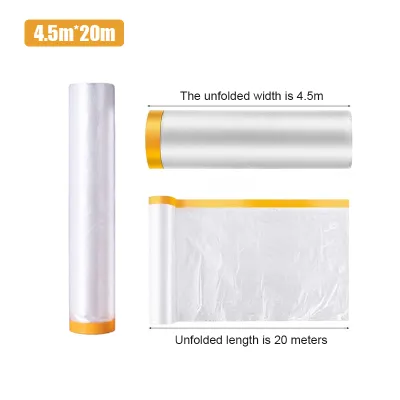
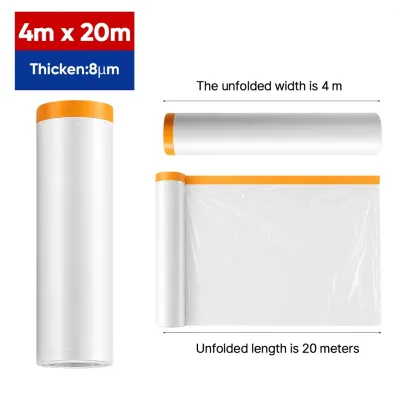
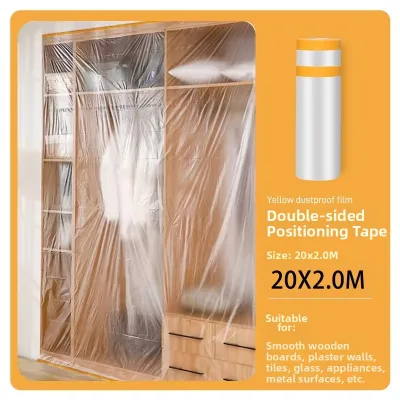
![[2-3 Days Delivery] 4.5m x 20m Plastic Dust Cover Protective Plastic Sheet Disposable Furniture Dustproof Cover Protective Cover Plastic Cover Plastic Film for Home Improvement CNY Gift Present](https://img.lazcdn.com/g/p/37fceab8fc43d4b3b58593d55aae9bcb.jpg_400x400q80.jpg_.webp)
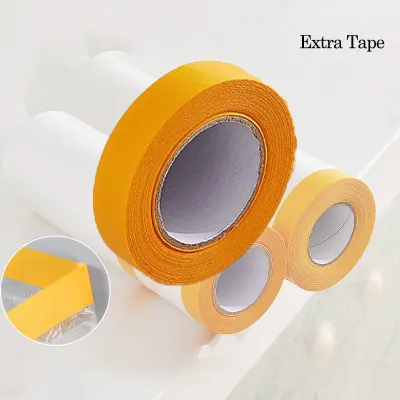
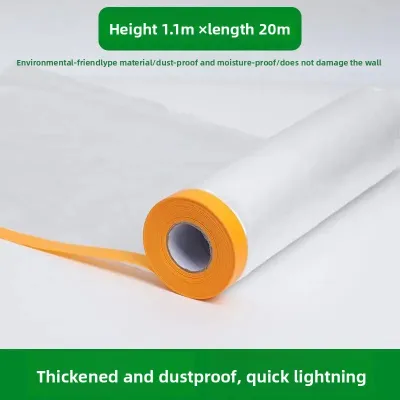
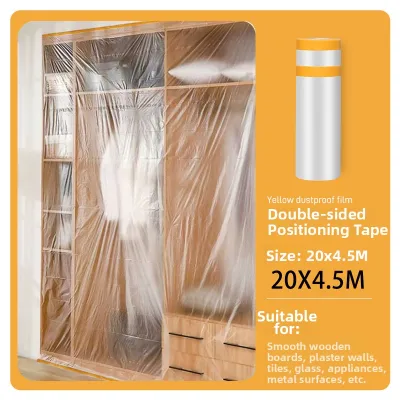
![[SG SELLER]Plastic Dust Cover Dust Prevention Renovation Drop Sheet Protective Plastic Film Furniture Dustproof Cover Paintproof Waterproof Cover Sheet Rolls](https://img.lazcdn.com/g/p/d2c82f6cde5eed649a28d487364fc7d2.png_400x400q80.png_.webp)
Prices are valid at publication and may change. Please refer to the product page for the latest price.
The risk profile changes significantly depending on how you manage your indoor climate. In a climate-controlled room where air conditioning runs frequently, the ambient humidity is actively reduced, making dust protection the primary concern. However, in non-air-conditioned spaces that rely on natural ventilation, the air remains highly humid, meaning any dust cover used must prioritize maximum airflow to prevent moisture from settling on your valuable furniture.
Key Material Properties to Check for Humid Environments
When shopping for a furniture dust cover, you must look beyond simple aesthetics and focus on specific material specifications that handle moisture effectively. The primary factor to evaluate is the balance between breathability and water resistance. A cover should be tight enough to block fine dust particles and occasional water splashes, yet porous enough to let air circulate freely.

Always inspect the product packaging or online specifications for anti-mould or mildew-resistant treatment labels. Many manufacturers apply specialized finishes to fabrics that inhibit fungal growth, which is crucial when the cover is left unattended for weeks or months. Verify whether these treatments are permanent or if they require reapplication after a certain number of wash cycles.
Washability is another non-negotiable feature for tropical environments. Dust covers inevitably collect airborne fungal spores along with household dust, meaning they must be cleaned regularly to prevent these spores from colonizing the fabric. Look for materials that are explicitly labeled as machine-washable and can withstand warm water cycles without shrinking or losing their protective coatings.
Finally, pay close attention to the structural details of the cover, such as seam construction and hem designs. Double-stitched or taped seams prevent dust from slipping through the joints, while weighted hems or adjustable drawstrings help hold the cover in place. These features ensure the cover remains secure against drafts without requiring you to seal the bottom edge completely, which would trap humid air inside.
Evaluating Common Dust Cover Materials
Choosing the right material involves understanding how different textiles interact with moisture and dust. No single material is universally suitable for every scenario, so you must weigh the trade-offs between breathability, durability, and water resistance based on your specific home environment.
Natural and Blended Fabrics (Cotton, Canvas)
Natural fibres like cotton and canvas are highly valued for their excellent breathability, making them excellent candidates for non-air-conditioned rooms. Because these fabrics allow air to pass through easily, they minimize the risk of condensation forming on the surface of your furniture. This natural ventilation helps keep wooden and leather items dry even during Singapore’s wettest monsoon seasons.
However, untreated natural fibres have a significant drawback: they are highly hygroscopic, meaning they readily absorb moisture from the surrounding air. In a humid room, an untreated cotton sheet can become damp over time, holding moisture directly against the furniture it is supposed to protect. This damp fabric can also trap dust and organic matter, turning the cover itself into a food source for mould.
To use natural fabrics safely, you must verify if the material has been treated with a water-repellent or moisture-resistant finish. Blended fabrics, such as cotton-polyester mixes, often provide a practical middle ground. They retain much of the breathability of pure cotton while offering the faster drying times and lower moisture absorption characteristic of synthetic fibres.
Synthetic Woven Fabrics (Oxford Cloth, Polyester)
Synthetic woven fabrics, particularly polyester and Oxford cloth, are highly resilient options that perform exceptionally well in tropical climates. Unlike natural fibres, synthetic threads do not absorb water into their core, meaning they dry quickly and are inherently resistant to rot and mildew. This makes them highly durable and easy to maintain over long periods of storage.
When evaluating synthetic covers, check for polyurethane (PU) or acrylic coatings applied to the underside of the fabric. These coatings enhance water repellency, protecting your furniture from ceiling leaks or accidental spills. However, you must ensure that the coating is not so thick that it completely seals the fabric, as this would eliminate the breathability needed to prevent condensation.
For indoor furniture protection, a light to medium-weight synthetic weave without an airtight backing is usually preferred. This configuration provides a robust barrier against dust and light moisture while allowing sufficient air exchange. If you choose a heavily coated outdoor-grade cover for indoor use, make sure the room has consistent air circulation or that the cover features built-in ventilation panels.
Plastics and Vinyl (PEVA, PVC, Non-woven)
Plastic and vinyl materials, such as PEVA (polyethylene vinyl acetate) and PVC (polyvinyl chloride), offer complete barriers against dust, water, and pests. These materials are highly effective for short-term protection, such as during home renovations or painting projects, where blocking external debris is the main priority. They are also easy to wipe clean and do not absorb any ambient moisture.
Despite these benefits, using solid plastic covers for long-term storage in Singapore carries a high risk of trapping condensation. If the furniture is covered during a humid afternoon, the trapped air will cool down at night, causing moisture to condense on the inner surface of the plastic. This trapped water cannot escape, leading to rapid mould growth and potential damage to wood finishes or fabric cushions.
If you must use plastic or vinyl covers, look for designs that include ventilation grommets or mesh panels to allow air exchange. Additionally, be cautious with cheap non-woven plastic fabrics; while they are breathable and inexpensive, they tend to degrade and become brittle quickly when exposed to the heat and humidity of tropical environments, often leaving behind a fine plastic residue on your furniture.
How to Measure and Fit Your Furniture for Airflow
Achieving the proper fit is just as important as selecting the right material when it comes to preventing mould and dust buildup. Before purchasing a cover, take precise measurements of your furniture’s height, width, and depth. Avoid the temptation to buy an oversized cover that drapes loosely over the entire piece and pools on the floor.
When calculating your required dimensions, always allow for a slight air gap at the bottom of the furniture. The cover should ideally hang about 5 to 10 centimetres above the floor rather than touching it. This gap is crucial because it allows cooler air to enter from the bottom and warmer, humid air to escape from the top, creating a natural chimney effect that keeps the air moving.
Covers that drag on the floor can also act as wicks, drawing up moisture from damp tiles during humid days or after floor mopping. This moisture can travel up the fabric and transfer directly to the legs or base of your furniture. Keeping the hem clear of the floor protects both the cover and the furniture from this direct water transfer.
To secure the cover without creating an airtight seal, utilize built-in ties, elastic corner straps, or hem weights. These fastening methods keep the cover snug against drafts and prevent dust from blowing underneath, while still maintaining the necessary air gaps. Avoid taping or sealing the edges of the cover to the floor or walls, as some airflow must always be preserved.
Maintenance and Cleaning in High-Humidity Conditions
A proper maintenance routine is essential to keep your furniture dust covers functioning effectively and to prevent them from becoming sources of mould themselves. Always consult the manufacturer’s care label before washing any cover. Using the wrong water temperature or harsh detergents can strip away specialized water-repellent and anti-mould coatings, reducing the cover’s lifespan.
After washing, ensure the cover is completely dry before placing it back on your furniture or folding it away for storage. Even a tiny amount of residual moisture trapped under a cover can trigger mould growth within 24 to 48 hours in Singapore’s warm climate. Line drying in direct sunlight is highly recommended, as ultraviolet rays act as a natural sanitizer to kill remaining fungal spores.
For routine maintenance, establish a schedule to remove surface dust and inspect your covered furniture. You can use a vacuum cleaner with a brush attachment to gently remove dust from the exterior of the cover. During these checks, lift the cover entirely to inspect the furniture underneath for any signs of musty odours, dampness, or early mildew spots.
If you discover mould has deeply penetrated the fibres of a fabric cover, leaving persistent black stains or a strong musty smell even after washing, it is highly recommended to discard it. Reusing a heavily contaminated cover will transfer active spores directly onto your furniture surfaces, defeating the purpose of the protection. Investing in a replacement cover is a small price to pay compared to the cost of restoring damaged upholstery or wood.
Frequently Asked Questions (FAQ)
Can I use a plastic sheet as a temporary dust cover in an air-conditioned room?
You can use a plastic sheet temporarily, but you must ensure the furniture and the room are completely dry before covering. If you run the air conditioning, the temperature drop can cause any trapped moisture under the plastic to condense. It is best to remove the plastic sheet once the air conditioning is turned off to prevent humid ambient air from getting trapped underneath as the room warms up.
How often should I wash my furniture dust covers in a tropical climate?
In Singapore’s humid climate, it is advisable to wash your dust covers every three to six months, depending on the room’s ventilation and dust levels. If the room is not air-conditioned and has high natural airflow, covers may accumulate dust and spores more quickly, requiring more frequent washing. Always check the care label to ensure frequent washing does not degrade any protective coatings.
Community discussion
Share your experience or ask a question. Comments are reviewed before publication.