
Choosing between a Fujitec and an Ogawa massage chair for your home is a significant decision that involves balancing upfront costs against long-term physical comfort, durability, and after-sales support. While both brands are prominent names in the wellness equipment market, they approach relaxation through different design philosophies and engineering priorities. Fujitec typically emphasizes robust, traditional mechanical systems and straightforward, user-friendly operations. In contrast, Ogawa frequently integrates modern smart technologies, customizable sensor-driven programs, and contemporary aesthetic designs.
To make an informed choice, you must look beyond general brand reputation and focus on the specific physical specifications of individual models. A massage chair is a complex mechanical and electronic appliance that will occupy a permanent footprint in your living space. Therefore, evaluating the structural frame, the upholstery material, the track configuration, and the local warranty terms is essential before committing to a purchase. This guide establishes a practical, step-by-step framework to compare these two brands across the key performance and service dimensions that affect your daily ownership experience.
Understanding the Brand Positioning of Fujitec and Ogawa
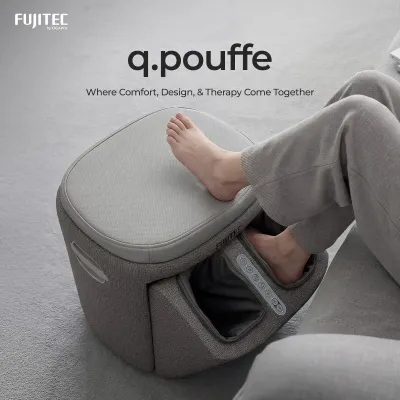
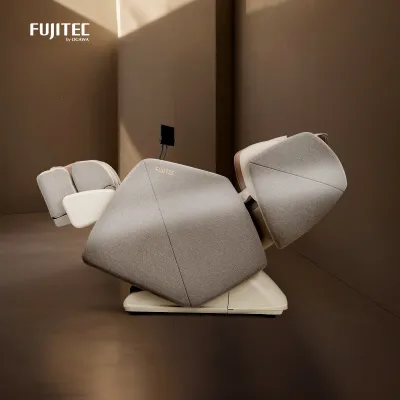
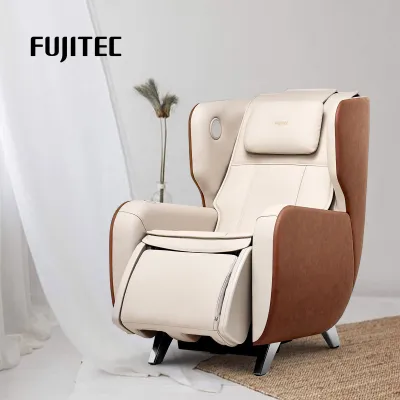
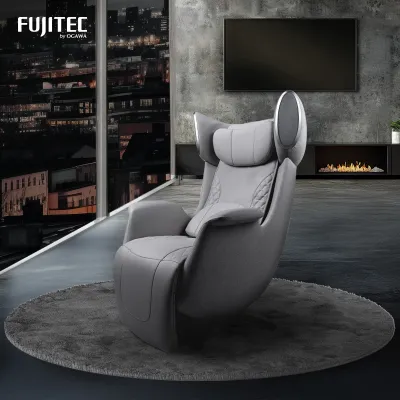
To understand which brand aligns with your lifestyle, it is helpful to examine their core design philosophies and target audiences. Fujitec has historically positioned itself as a provider of reliable, mechanically focused wellness products. Their design philosophy centers on delivering consistent, deep-tissue massage techniques that mimic traditional therapies like Shiatsu and kneading. The controls on Fujitec chairs are often designed for simplicity, making them highly accessible to users who prefer a straightforward, tactile interface without navigating complex digital menus or mobile applications. This makes them a popular choice for multi-generational households where older adults may struggle with overly complex technology.
Products mentioned in this guide
![OGAWA Eye Touch Pro [GREY] - Eye Massager with Airbag (Wireless)](https://img.lazcdn.com/g/p/0b6fd9a7447d447b434ca3e4ed3aa723.png_400x400q80.png_.webp)
Prices are valid at publication and may change. Please refer to the product page for the latest price.
Ogawa, on the other hand, positions itself at the intersection of wellness and modern smart home technology. Their product development focuses heavily on incorporating advanced sensors, automated body-scanning systems, and interactive control interfaces. Ogawa chairs often feature sleek, futuristic aesthetics with integrated Bluetooth speakers, LED ambient lighting, and customizable user profiles managed via touchscreen tablets or smartphone apps. This approach appeals directly to tech-savvy users who want a highly personalized, data-driven relaxation experience that can be updated or adjusted with fine precision.
Both brands maintain a physical retail presence in Singapore, which is a crucial factor for any prospective buyer. Because comfort is entirely subjective, relying on online specifications alone is rarely sufficient. Visiting an authorized showroom allows you to experience the actual pressure, roller depth, and seating ergonomics of each brand. It also provides an opportunity to speak directly with sales representatives about current model availability, localized delivery options, and any ongoing promotional packages that might affect the overall value proposition.
Evaluating Build Quality and Material Durability
The longevity of a massage chair depends heavily on the quality of its internal frame and external upholstery. Most modern massage chairs utilize synthetic leather, typically Polyurethane (PU) or Polyvinyl Chloride (PVC), because these materials are engineered to withstand the constant friction and stretching caused by moving rollers. When comparing Fujitec and Ogawa models, you should inspect the material specification sheets or care labels. High-grade PU leather is generally softer, more breathable, and more resistant to peeling than standard PVC, making it more comfortable for extended sessions in Singapore’s warm, humid climate.

The mechanical track system is the backbone of any massage chair, determining how far and how effectively the rollers travel along your body. You will encounter terms like S-track, L-track, and SL-track in the technical manuals of both brands. An S-track follows the natural curve of your spine from the neck to the lower back, while an L-track extends further down to massage the glutes and upper hamstrings. An SL-track combines both systems, offering a continuous, contoured massage path. When evaluating models, verify the track length and roller type—such as 3D rollers that move up, down, left, right, in, and out, or 4D rollers that also adjust their speed dynamically—to ensure the mechanical coverage matches your physical needs.
Frame stability and weight capacity are critical indicators of overall build quality. A high-quality massage chair should feature a reinforced steel frame that prevents flexing or squeaking during operation. Check the technical specifications for the maximum user weight capacity, which typically ranges from 100 kg to 150 kg depending on the model. A higher weight capacity generally indicates a more robust internal structure and a more powerful motor system capable of handling consistent resistance without overheating or wearing out prematurely.
Comparing After-Sales Support and Warranty Terms
Because a massage chair is a complex mechanical investment, the quality of local after-sales support is just as important as the initial purchase price. When comparing Fujitec and Ogawa, you must carefully review the specific terms of their standard warranties. A comprehensive warranty should clearly distinguish between coverage for the structural frame, the electronic components, the mechanical roller systems, and the upholstery. Some warranties may offer three years of coverage but limit on-site labor to the first year, requiring you to pay transport or service fees for subsequent repairs.
The availability and responsiveness of local authorized service centers in Singapore can significantly impact your ownership experience. If a motor fails or a sensor malfunctions, you want to ensure that qualified technicians are available to perform in-home repairs. Ask the retailer for their documented response times and whether they maintain a local inventory of spare parts. Brands with established local service networks can typically dispatch a technician within a few business days, whereas brands without dedicated local support may require weeks to source replacement parts from overseas warehouses.
It is equally important to understand the specific conditions that can void your warranty. Most manufacturers exclude coverage for damage caused by unauthorized repairs, commercial use in offices or gyms, or exposure to adverse environmental conditions. In Singapore, high humidity and direct sunlight can accelerate the degradation of synthetic leather and sensitive electronic boards. Ensuring your chair is placed in a well-ventilated, shaded area and operated strictly according to the user manual will help preserve your warranty rights and extend the operational lifespan of the appliance.
Assessing Space Requirements and Home Installation
Before finalizing your purchase, you must ensure that the massage chair can physically fit into your home and operate safely within your existing electrical setup. Massage chairs require a significant amount of floor space, especially when fully reclined. Many modern models feature “wall-hugging” or space-saving technology, which slides the chair forward on its base as it reclines, requiring only a few centimeters of clearance from the wall. You should consult the product dimension charts for both the upright and fully reclined positions to map out the exact footprint in your living room or bedroom.
Delivery logistics present another critical hurdle that must be planned in detail. Massage chairs are heavy, often weighing between 80 kg and 150 kg, and are typically delivered in large, bulky boxes. You must measure the width of your front door, hallway clearances, elevator doors, and any tight corners or staircases along the delivery route. If the boxed dimensions exceed these clearances, check if the delivery team can unbox the chair outside or temporarily remove the side panels to facilitate entry. Additionally, verify if your flooring can support the concentrated weight of the chair, especially if you have delicate hardwood or vinyl tiles that might scratch or dent under heavy loads.
From an electrical perspective, massage chairs are generally designed to operate on standard household voltage (220V-240V in Singapore) and consume a relatively modest amount of power, typically between 150W and 280W during active use. This is comparable to a desktop computer or a small household appliance, meaning it will not require specialized high-amperage wiring. However, you should ensure that the chair is plugged directly into a grounded wall outlet rather than a daisy-chained extension cord to prevent electrical interference or voltage drops that could affect the sensitive microprocessors controlling the massage programs.
Decision Framework: Which Brand Fits Your Needs?
Choosing between Fujitec and Ogawa ultimately comes down to identifying which brand’s strengths align with your personal wellness goals and household constraints. Fujitec is often the more suitable choice for users who prioritize mechanical simplicity, robust traditional massage techniques, and straightforward, tactile controls. If your primary goal is reliable, deep-tissue relief without the learning curve of digital applications, a Fujitec model tested and approved in a local showroom will likely provide the direct, uncomplicated experience you desire.
Conversely, Ogawa is the ideal option if you prefer a highly customizable, tech-forward wellness experience. If you value smart home integration, precise body-scanning technology, automated programs tailored to daily activities, and a modern aesthetic that complements contemporary interior design, Ogawa’s feature-rich lineup is well worth the investment. Their focus on user-friendly digital interfaces and multi-sensory relaxation features makes them highly appealing to households looking for a personalized, spa-like retreat at home.
Before making your final decision, perform a direct comparison of the specific models within your budget. Verify the exact warranty terms offered by the local distributor at the time of purchase, and confirm that the physical dimensions of your chosen model are compatible with your home’s entryways and layout. By focusing on these practical, verifiable factors rather than general brand prestige, you can confidently select a massage chair that will provide reliable comfort and value for years to come.
Frequently Asked Questions (FAQ)
How do I clean and maintain the synthetic leather on these massage chairs?
To maintain the synthetic leather upholstery on your massage chair, always refer to the specific care instructions in the user manual. For routine cleaning, use a soft, dry microfiber cloth to remove dust and body oils after each use. If a deeper clean is required, wipe the surface gently with a slightly damp cloth using mild, diluted soapy water, then dry it immediately with a clean towel. Avoid using harsh chemical solvents, alcohol-based cleaners, or abrasive polishes, as these can dry out the synthetic material, leading to cracking, peeling, and premature wear.
What should I check before scheduling a delivery for a heavy massage chair?
Before scheduling your delivery, measure every point of entry along the delivery path, including elevator doors, apartment main gates, front doors, and hallway corners. Compare these measurements against the boxed dimensions provided by the retailer to ensure the chair can pass through safely. You should also confirm whether the delivery service includes professional in-home assembly, positioning, and packaging removal. Finally, inspect your flooring and consider placing a protective non-slip mat under the chair to distribute its weight and prevent scratches on delicate surfaces.
Can I test Fujitec and Ogawa chairs in person before buying online?
Yes, testing massage chairs in person is highly recommended to evaluate their comfort, roller intensity, and overall fit. Both Fujitec and Ogawa operate authorized physical showrooms and retail counters in Singapore, which you can locate by visiting their official websites. When visiting a showroom, spend at least 15 to 20 minutes testing your preferred models through a full massage cycle. This allows you to assess the mechanical track range, the responsiveness of the control panel, and whether the roller pressure feels comfortable and therapeutic for your body type.

Community discussion
Share your experience or ask a question. Comments are reviewed before publication.