
The entryway serves as the critical transition zone of your home, where daily essentials are either organized systematically or left to pile up in chaotic clutter. Choosing between a freestanding coat rack and a wall-mounted alternative depends on your spatial dimensions, drilling permissions, and the physical structure of your walls.
Quick Answer: Which Coat Rack Type is Right for You?
Wall-mounted coat racks are the optimal choice for narrow entryways, high-traffic zones, and maximizing floor space, provided you have permission to drill. Freestanding coat racks are better suited for wider foyers, strict rental environments where wall modifications are prohibited, or spaces requiring flexible furniture placement.
Products mentioned in this guide

![[✅SG Ready Stock] 100% solid wood Wooden Clothes Hanger Rack Nordic Style Clothes Hanger Hook Bedroom Coat Stand Rack](https://img.lazcdn.com/g/p/f4e39069115cbc3402d9b2bbb638ae5a.png_400x400q80.png_.webp)

![[SG Stock]Solid wood floor to ceiling coat rack Solid wood floor hanger Bedroom floor rack Coat hanger hook Hat rack](https://img.lazcdn.com/g/p/2153f4a84adbd9d43bff5947ae875c2f.jpg_400x400q80.jpg_.webp)
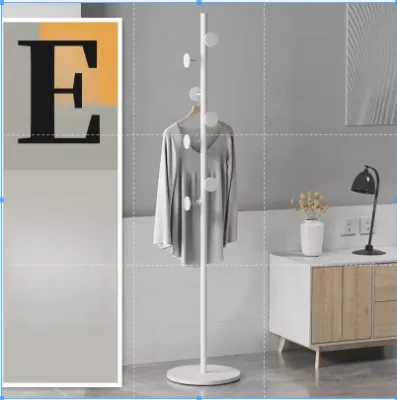
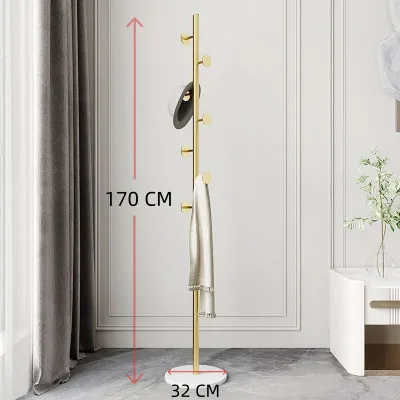
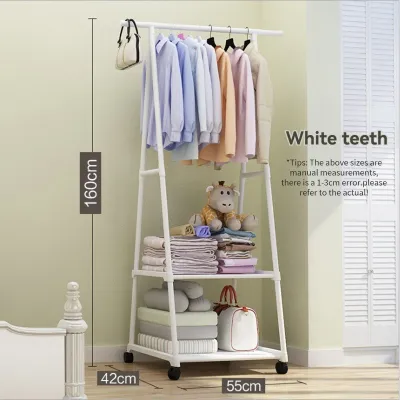

Prices are valid at publication and may change. Please refer to the product page for the latest price.
To help you make an immediate assessment, use this simple decision framework:
- Choose Wall-Mounted if: You have limited floor space, need to keep walkways completely clear, and can securely anchor hardware into wall studs or solid masonry.
- Choose Freestanding if: You have ample floor space, cannot drill into walls due to tenancy agreements, or need the flexibility to move the rack to different rooms.
- Verify first if: Your wall material (such as drywall versus concrete) can support the dynamic, pulling weight of heavy bags and multiple garments without specialized anchors.
Before purchasing any organizing system, it is vital to evaluate how these two configurations interact with your home’s physical layout and daily routines.
Space and Layout: Floor Footprint vs Wall Clearance
In compact residential layouts, such as modern apartments or condominiums, every square centimeter of floor space is highly valuable. A freestanding coat rack requires a dedicated circular or triangular floor footprint, typically ranging from 30 to 50 centimeters in diameter. However, the true spatial footprint of a freestanding model is actually larger than its base; garments, umbrellas, and bags draped over the hooks extend outward, creating a wider perimeter that can easily obstruct a narrow hallway.
If you place a freestanding rack too close to the entrance, you risk blocking the full swing arc of your main door. This creates a constant physical bottleneck when entering or leaving the home. Furthermore, if you select a multi-functional freestanding model that incorporates integrated umbrella stands, shoe tiers, or storage benches, the base diameter increases significantly, demanding a spacious foyer to remain functional without causing a tripping hazard.
Wall-mounted coat racks, by contrast, utilize vertical wall space and leave the floor entirely clear. This layout choice is highly advantageous for maintaining an open, airy entryway. Keeping the floor clear simplifies daily cleaning routines, allowing vacuum cleaners and robotic sweepers to navigate the foyer without obstacles. It also frees up valuable floor space directly beneath the hooks for low-profile shoe trays, storage boxes, or a small bench.
Despite these floor-saving benefits, wall-mounted racks introduce a different spatial challenge: protrusion depth. The mounting board, the hooks themselves, and the items hung upon them will project outward from the wall, typically extending 15 to 30 centimeters into the room. In a tight corridor or a narrow walk-through, this protrusion can catch on shoulders, loose clothing, or backpacks as family members walk past.
To avoid spatial conflicts, always measure your entryway carefully before buying. A practical method is to use blue painter’s tape to map out the exact floor footprint of a prospective freestanding base, or the projected wall protrusion of a mounted rack. Walk past the taped area several times and open your main door fully to ensure the layout remains functional and safe.
Installation and Rental Constraints: Drilling vs Freestanding Setup
The physical effort required to set up your coat rack is a major deciding factor, often dictated by whether you own or rent your home. Wall-mounted racks require a permanent, structural installation that involves drilling into your walls. The success of this installation depends entirely on matching your mounting hardware to the specific wall material in your entryway.

In many modern homes, particularly concrete-built apartments or HDB flats in Singapore, structural walls are made of solid concrete or brick, while internal partition walls are made of drywall. Drilling into concrete requires a specialized rotary hammer drill, masonry drill bits, and heavy-duty wall plugs to ensure the screws grip tightly. Mounting on drywall requires locating the wooden or metal studs behind the plaster, or using specialized heavy-duty anchors, such as toggle bolts, to prevent the rack from tearing out under load.
This installation process is permanent and leaves visible holes. If you decide to relocate the rack or rearrange your entryway layout in the future, you must remove the hardware, patch the holes with joint compound, sand the surface smooth, and apply matching paint. For renters, these modifications can violate strict tenancy agreements, potentially leading to disputes or deductions from security deposits at the end of the lease.
Freestanding coat racks offer a completely zero-installation, renter-friendly alternative. They require no drilling, no wall anchors, and no permanent alterations to the property. Most freestanding models are shipped flat-packed and can be assembled in minutes using basic hand tools. The assembly typically involves threading and tightening a central vertical pole into a heavy, weighted base.
While freestanding assembly is straightforward, it does require attention to detail. Over time, the physical leverage of hanging items can cause the threaded joints of a freestanding pole to loosen, leading to a persistent wobble. To prevent this, you must ensure all joints are tightened securely during the initial setup and checked periodically as part of your home maintenance routine.
For renters, the ease of moving a freestanding model makes it the default choice. Homeowners, however, often prefer the clean, integrated, and permanent look of a wall-mounted system that can be customized to match the architectural lines of the home.
Stability, Weight Capacity, and Safety
A coat rack must do more than look good; it must safely support the physical load of your daily gear. The physics of a freestanding coat rack rely entirely on a low center of gravity and a balanced weight distribution. Because a freestanding rack stands on a single central pole, it is highly susceptible to the laws of leverage.
When you hang a heavy backpack, a laptop bag, or a wet coat on one side of a freestanding rack without balancing it on the opposite side, you create an asymmetrical load. This uneven distribution shifts the center of gravity outside the base perimeter, causing the entire structure to tip over. To maintain stability, you must check the manufacturer’s maximum weight limit and actively manage how you load the rack. Always place the heaviest items on the lowest hooks to keep the center of gravity as close to the floor as possible, and distribute items evenly around the radial hooks.
Wall-mounted coat racks offer a much higher potential weight capacity, but their strength is not determined by the rack alone. Instead, the load capacity depends on the shear strength of the rack’s mounting board, the quality of the hooks, and the holding power of the wall anchors. A high-quality solid wood or steel wall rack can still fail if it is attached to soft plaster or drywall using cheap, plastic expansion plugs.
When properly anchored into solid concrete or directly into wall studs, a wall-mounted rack can easily support heavy winter coats, sports bags, and wet gear without bowing or pulling away from the wall. This makes wall-mounted systems highly reliable for busy households with high storage demands.
Safety is another critical consideration, particularly in active households. For families with young children or large, energetic pets, freestanding coat racks present a real tipping hazard. A child pulling on a low-hanging scarf or a pet bumping into the pole can easily bring the entire heavy structure crashing down.
If you choose a freestanding model in a household with kids or pets, look for designs with an exceptionally heavy, wide base, or consider securing the top of the pole with an anti-tip wall tether. If safety is your primary concern, a securely anchored wall-mounted rack is inherently the safer option, as it cannot be knocked over or pulled down by curious hands.
Aesthetics, Flexibility, and Daily Use
The visual style and daily usability of your entryway organizer will shape your experience of the home every time you step through the front door. Freestanding coat racks often serve as three-dimensional, sculptural design statements. Because they stand independently, they draw the eye and can act as an artistic focal point in an empty corner.
Freestanding models are available in a wide variety of expressive styles, from classic bentwood designs that evoke traditional warmth to sleek, powder-coated metal branches that complement minimalist or industrial interiors. The primary aesthetic advantage of a freestanding rack is its ability to fill vertical space in an open foyer, making the entryway feel intentional and styled.
Wall-mounted racks offer a much more streamlined, minimalist visual profile. They can be mounted to blend seamlessly with your wall color, or integrated into architectural features like wainscoting, beadboard, or custom entryway mudroom built-ins. Because they lack a vertical pole and base, they keep the visual lines of your foyer clean and uncluttered, which helps small entryways feel larger than they actually are.
In terms of flexibility, the freestanding coat rack is the clear winner. If you decide to redesign your entryway, host a large social gathering, or move to a new home, you can simply pick up the rack and carry it to another room. It can easily transition from an entryway organizer to a clothes valet in the bedroom, a towel rack in a guest bathroom, or temporary storage on a covered patio.
Wall-mounted racks are fixed, permanent fixtures. Once you choose a mounting height and position, you are committed to that spot. Relocating the rack requires a full disassembly, wall repair, and re-installation process, which discourages frequent layout changes.
Daily convenience also differs between the two designs. Wall-mounted racks allow you to customize the height of your storage. You can mount a main rack at adult eye level and install individual wooden pegs or a secondary rack lower down, making it easy for young children to hang up their own school bags and rain jackets.
Freestanding racks, however, have fixed hook heights. Because the hooks are arranged radially around a single pole, hanging multiple bulky items can cause them to overlap, bunch up, and slide off. If the radial hooks are placed too closely together, retrieving a single jacket from the bottom of the pile often results in pulling other items down with it.
Final Verdict: How to Measure and Decide
To make a confident, long-term purchase decision for your entryway, follow this step-by-step physical and logistical checklist:
- Step 1: Measure Your Space: Use a measuring tape to record the exact width and depth of your entryway. Open your main door completely and measure its swing arc to identify the "no-go zone" where a freestanding base would block the door.
- Step 2: Assess Your Wall Structure: Determine if you are working with solid concrete, brick, or drywall. If you are renting your home, review your tenancy agreement or contact your landlord to verify if drilling holes for wall anchors is permitted. If drilling is not allowed, a freestanding model is your best option.
- Step 3: Calculate Your Load Requirements: Estimate the total weight of the items you plan to hang daily. If your household regularly stores heavy backpacks, loaded work bags, and multiple wet umbrellas, a wall-mounted rack anchored into solid wall studs or concrete will provide the necessary structural support.
- Step 4: Match to the Decision Framework: If you have a narrow, high-traffic corridor and permission to drill, choose a wall-mounted rack. If you have a wider foyer, need rental-friendly flexibility, or want a sculptural design piece, choose a freestanding model.
Before finalizing your purchase, always verify the manufacturer’s exact product specifications, including the base diameter, protrusion depth, and maximum load capacity, to ensure the model matches your entryway’s physical limits.
Frequently Asked Questions (FAQ)
Can I use a freestanding coat rack on a carpeted floor?
Using a freestanding coat rack on a carpeted floor can compromise its stability. Thick carpets and plush rugs allow the weighted base to sink unevenly, which increases the risk of the rack wobbling or tipping over when loaded. To ensure safety, place a rigid, non-slip furniture mat or a solid piece of finished wood beneath the base to distribute the weight evenly across the carpet fibers.
How high should I install a wall-mounted coat rack?
The standard mounting height for a wall-mounted coat rack is between 150 and 170 centimeters from the floor. This height allows standard coats and bags to hang freely without touching the ground, while keeping the hooks within comfortable reach for most adults. If you have children, consider mounting a secondary row of individual pegs at a lower height of 100 to 120 centimeters to encourage them to organize their own belongings.
Are over-the-door coat racks a good alternative?
Over-the-door coat racks are an excellent, budget-friendly alternative if you face both tight floor space and strict drilling restrictions. They require zero tools and can be hung instantly over standard interior doors. However, you must measure the clearance gap between the top of your door and its frame; most over-the-door hooks require a gap of at least 2 millimeters to allow the door to close smoothly. Additionally, be mindful of weight limits, as overloading an over-the-door rack can strain the door hinges over time.
Community discussion
Share your experience or ask a question. Comments are reviewed before publication.