
Selecting the right foot rest hardware for a chair or recliner requires verifying physical compatibility, load limits, extension ranges, and material specifications. Replacing or upgrading this hardware is not a one-size-fits-all task; a mismatch can lead to structural damage, poor alignment, or a mechanism that drags across your flooring. By focusing on precise measurements and checking the structural limits of your furniture frame, you can ensure a smooth, stable deployment that restores your seating comfort.
Identifying the Correct Mounting Type and Bracket Style
The foundation of a successful hardware replacement lies in matching the mounting style of your existing furniture frame. Foot rest mechanisms generally fall into three categories: side-mount brackets, under-seat assemblies, and direct-to-frame mounts. Side-mount brackets attach directly to the inner wooden or metal side panels of the chair, relying on the lateral strength of the frame. Under-seat assemblies bolt to the bottom seat rails, while direct-to-frame brackets integrate directly into the main reclining chassis.
Before purchasing any replacement parts, inspect the existing screw hole patterns and bracket orientations on your chair. Use a flashlight to examine how the current hardware is anchored, noting whether the screws thread into pre-installed metal inserts or directly into wooden rails. Measure the frame thickness at these mounting points; thin or degraded wood cannot safely support new hardware without splitting or stripping under pressure.
Products mentioned in this guide
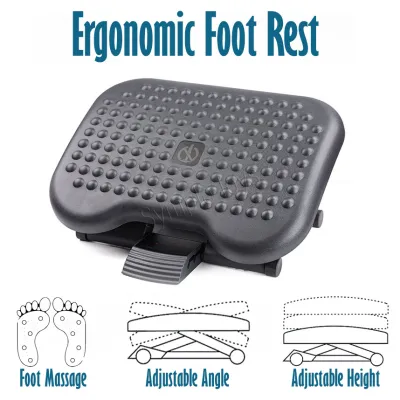
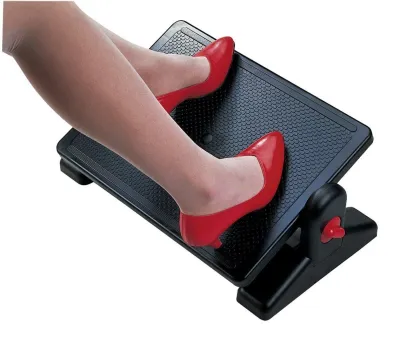
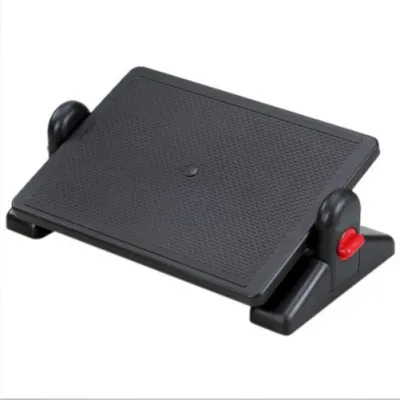
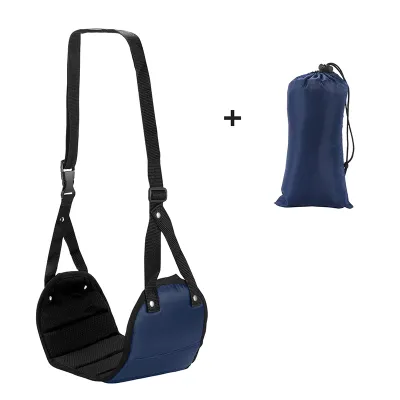
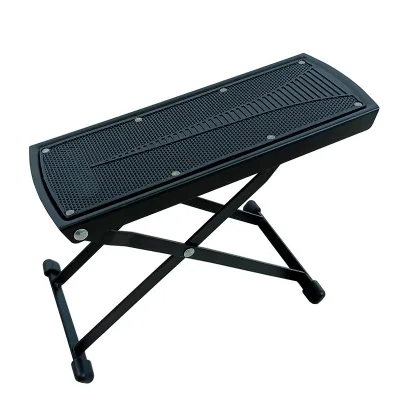
Prices are valid at publication and may change. Please refer to the product page for the latest price.
Additionally, you must verify the vertical clearance between the bottom of the folded mechanism and the floor. In many homes, especially those with plush rugs or uneven flooring, a mechanism that hangs too low will drag, scratch the floor, or jam during deployment. Ensure the folded hardware sits fully within the recessed underside of the chair frame, leaving a safe buffer above your flooring.
Evaluating Load Capacity and Extension Range
Every foot rest mechanism is engineered to operate within specific weight thresholds, which are typically divided into static and dynamic load capacities. Static capacity refers to the weight the foot rest can support when fully extended and stationary, while dynamic capacity accounts for the forces applied as a user shifts weight or sits down. To find these limits, check the manufacturer’s product specification labels or technical data sheets rather than relying on generic category descriptions.

The extension range must align with the height of the primary users to provide proper ergonomic support under the calves or ankles. However, a longer extension range increases the leverage exerted on the mounting brackets and pivot joints. If you require a longer extension, you must verify that the hardware features reinforced pivot joints and thicker steel linkages to handle this increased mechanical stress without bending.
You must also balance the maximum extension range with the physical space available under the seat cushion when the foot rest is retracted. A longer scissor-linkage mechanism requires more depth to fold away cleanly. If the retraction clearance is insufficient, the foot rest may protrude from the front of the chair when closed, creating a tripping hazard and putting constant tension on the internal springs.
Reviewing Mechanism Types and Material Specifications
Selecting the right deployment mechanism depends on your chair’s design and your physical preferences. Manual pull-ring systems rely on a cable to release a spring-loaded latch, allowing the foot rest to pop open quickly. Lever-operated mechanisms offer more controlled deployment and manual retraction, requiring physical leg force to lock the foot rest back into place. Motorized actuator mechanisms provide smooth, infinite positioning at the touch of a button, but they require proximity to an electrical outlet and space for the motor housing.
Given the high humidity levels typical of Singapore’s tropical climate, material selection and surface treatments are critical to prevent premature failure. Look for hardware specifications that explicitly state the metal gauge thickness—thicker steel resists warping under daily use. Additionally, check for protective surface treatments such as powder coating, electroplating, or zinc plating, which shield the raw steel from moisture and rust.
The longevity of the hardware is ultimately determined by its moving parts. Inspect the specifications for heavy-duty rivets, nylon or brass bushings at the pivot points, and sealed bearings. High-quality bushings and bearings reduce friction, prevent the metal-on-metal grinding that leads to squeaking, and ensure the mechanism deploys smoothly over thousands of cycles.
Step-by-Step Measurement Guide Before Purchasing
To avoid purchasing incompatible hardware, you must take precise physical measurements of your chair’s bare frame before ordering. Gather a reliable metal tape measure, a digital caliper for screw hole diameters, and a notepad to record your findings. Strip away any removable dust covers or loose cushions to expose the underlying wooden or metal structure.
Begin by measuring the inner width of the chair frame from the left side panel to the right side panel, as this dictates the maximum width of the replacement mechanism. Next, measure the mounting hole spacing—both center-to-center horizontally and vertically—on your existing brackets. Compare these dimensions directly with the technical drawings provided by the hardware manufacturer to ensure a direct bolt-on fit.
When calculating your clearances, do not forget to account for upholstery thickness, padding overhang, and internal zig-zag springs. A mechanism may seem to fit the bare frame dimensions but can compress or tear the fabric and foam once installed. If your measurements indicate that you must drill new holes into a metal frame or make structural modifications to a wooden chassis, stop immediately and consult the furniture manufacturer or a professional upholstery technician to avoid compromising the chair’s structural integrity.
Frequently Asked Questions (FAQ)
Can I install foot rest hardware on any standard armchair?
No, standard armchairs are rarely built to accommodate retrofitted foot rest hardware. Adding a reclining mechanism requires a reinforced frame designed to handle shifting weight loads, as well as specific internal clearance zones that standard stationary chairs lack. Attempting to mount hardware to a standard frame can cause the wood to split or the chair to tip forward when weight is applied.
What should I do if the new hardware screw holes do not align?
If the new hardware holes do not align with your existing frame mounts, do not force the installation or drill random holes. Check if the manufacturer offers adapter plates or alternative mounting brackets. If no compatible adapters exist, consult a professional furniture repair technician to assess whether the frame can be safely reinforced and redrilled without weakening the structural support.
Are motorized foot rest kits compatible with manual recliners?
Motorized foot rest kits are generally not compatible with manual recliners unless the chair frame was originally designed as a dual-compatibility model. Motorized systems require specific mounting brackets for the linear actuator, electrical routing paths, and clearance for the motor drive. Attempting to convert a manual frame without these built-in provisions usually results in mechanical interference and structural failure.
Community discussion
Share your experience or ask a question. Comments are reviewed before publication.