
When space is at a premium in Singapore apartments, a folding single bed offers a highly practical sleeping solution for children’s bedrooms, study rooms, or guest spaces. However, combining a mechanical folding frame with a child’s daily sleeping environment introduces specific safety considerations that parents must address. Unlike standard stationary beds, folding mechanisms contain pivot points, hinges, and moving parts that can pose risks if not properly designed, tested, and maintained.
In Singapore, where compact living often requires multi-functional furniture, ensuring a child’s bed meets rigorous safety expectations is paramount. Children frequently use beds not just for sleeping, but also for playing, reading, and jumping, which subjects the frame to dynamic forces. To prevent accidents such as finger pinching, accidental frame collapse, or entrapment, parents must understand the regulatory landscape and physical safety checks required before introducing a folding bed into a child’s room.
This guide outlines the essential safety standards, verification steps, physical inspection techniques, and safe usage boundaries to help you make an informed and secure purchase for your home.
Products mentioned in this guide
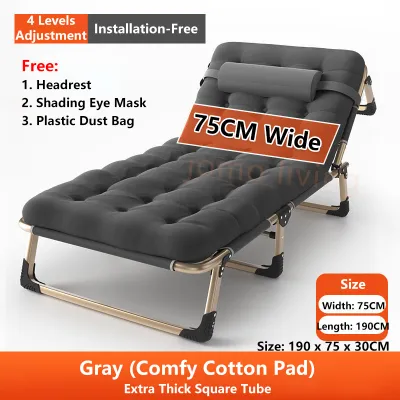
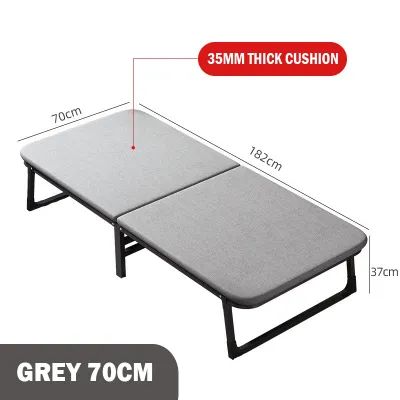
![[✅Sg Ready Stock] Japanese Portable Folding Single Bed 75cm Wide Surface Lightweight Foldable bed (FREE Blanket )](https://img.lazcdn.com/g/p/df572d14758a5950da863af08e9ab9ef.png_400x400q80.png_.webp)
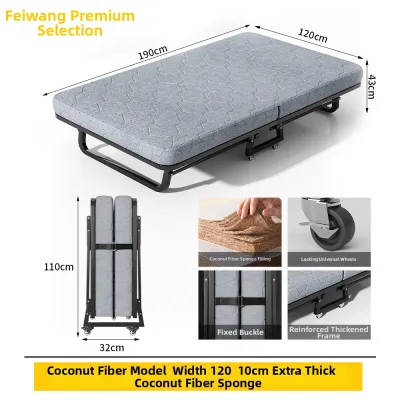
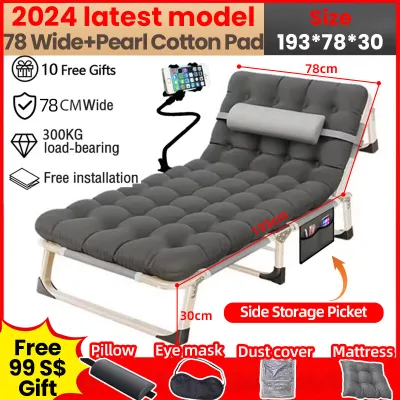
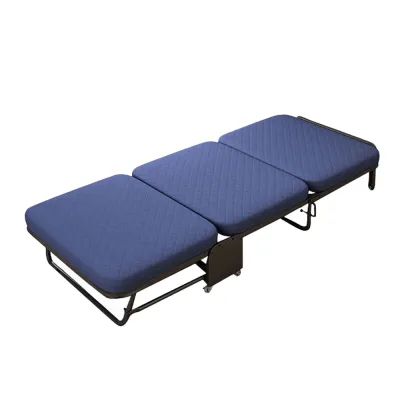
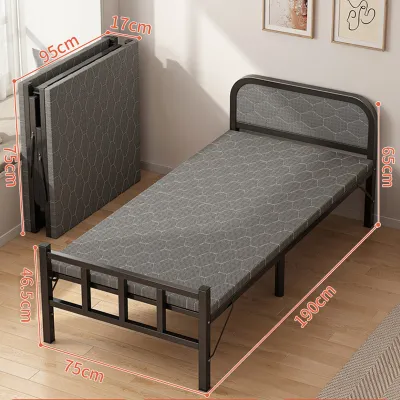
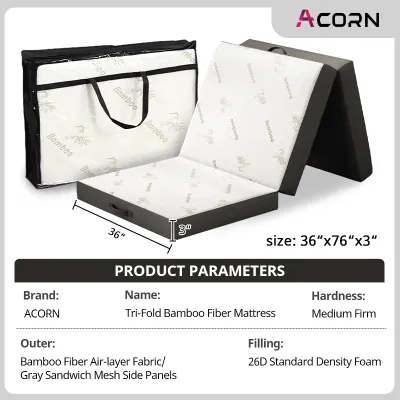
Prices are valid at publication and may change. Please refer to the product page for the latest price.
How to Verify Safety Certifications and Labels
When shopping for a folding single bed intended for a child, relying on vague marketing claims like “child-safe,” “non-toxic,” or “heavy-duty” is insufficient. Legitimate manufacturers subject their products to independent laboratory testing to verify structural integrity and safety. Parents should actively look for recognized international safety standards on the product packaging, instruction manuals, or the manufacturer’s official documentation.
In Singapore, general consumer goods, including children’s furniture, are overseen by the Consumer Product Safety Office (CPSO) under the Consumer Protection (Consumer Goods Safety Requirements) Regulations (CGSR). While folding beds may not require a specific local “Safety Mark” like electrical appliances do, they must comply with international safety standards. Look for certifications such as European Standards (EN), British Standards (BS), or American Society for Testing and Materials (ASTM) codes. For children’s beds, standards like EN 1725 (mechanical safety requirements for domestic beds) or EN 747 (safety requirements for bunk beds and high beds, which often cover structural stability and gap sizes) are excellent benchmarks.
To verify these certifications, ask the retailer or manufacturer for the official test report or certificate of compliance. A reputable seller should be able to provide a document showing the product model name, the testing laboratory, the specific standards tested, and the date of the test. You can cross-reference the certificate number on the website of the issuing testing body to ensure the document is authentic and currently valid.
Be cautious when purchasing from online marketplaces or unverified overseas sellers. Products sold directly from overseas may not adhere to the same safety regulations or material standards. If a seller cannot provide clear, verifiable documentation of safety testing, it is best to look for alternative options that prioritize transparent safety reporting.
Essential Physical Safety Checks Before Purchase
While certifications provide peace of mind, conducting a physical inspection of the folding single bed is a crucial step in the decision-making process. If you are purchasing from a physical showroom in Singapore, take the time to operate the bed yourself. If you are buying online, perform these checks immediately upon delivery and before allowing your child to sleep on or play near the bed.

Physical inspection allows you to assess the quality of the materials, the smoothness of the folding action, and the overall stability of the frame. Visual checks must always be combined with mechanical testing of all moving parts to ensure there are no hidden manufacturing defects or assembly errors.
Gap Sizes and Entrapment Risks
Entrapment is one of the most significant hazards associated with children’s furniture. Gaps between the mattress and the bed frame, or within the folding hinges themselves, can trap a child’s fingers, limbs, or even their head and neck, leading to serious injury.
Hinge and Pivot Gaps Inspect all folding joints and hinges when the bed is fully open, partially folded, and completely closed. Ensure that any accessible gaps in the folding mechanism are either smaller than 5 mm (to prevent fingers from getting caught) or larger than 12 mm (to allow fingers to move freely without pinching). Avoid designs with exposed scissor-style mechanisms that can act as shears when the bed is operated.
Mattress and Frame Alignment Measure the gap between the mattress and the sides or ends of the bed frame. The mattress must fit snugly within the frame. A gap wider than 30 mm can allow a child’s foot or hand to slip down and become wedged, while a gap wider than 95 mm poses a head entrapment risk. The standard safety range dictates that gaps should either be less than 25 mm or greater than 230 mm to prevent a child’s head from getting stuck while their body slips through.
Guardrail and Slat Spacing If the folding bed features integrated guardrails or side barriers, measure the distance between the vertical slats. The spacing between slats must not exceed 75 mm. This prevents a child’s head or torso from slipping between the bars, ensuring they remain safely contained within the sleeping area.
Locking Mechanisms and Structural Stability
A folding single bed must remain rigidly locked in its open position during use. Children do not lie perfectly still, and sudden movements, rolling, or sitting on the edge of the bed can cause an unsecured frame to fold or slide unexpectedly.
Positive Locking Systems Look for beds equipped with a positive locking mechanism. This means the bed requires a deliberate, multi-step physical action to unlock, such as pressing a safety button while pulling a lever, or releasing a spring-loaded pin. Avoid beds that rely solely on gravity or the weight of the mattress to stay open, as these can easily collapse if a child lifts the end of the bed or bounces on the frame.
Frame Stability and Support Legs Examine the design of the support legs. When the bed is fully deployed, the legs should lock vertically and resist folding inward if the bed is pushed horizontally. Check that the legs are equipped with non-slip rubber or plastic caps. In Singapore homes, which commonly feature smooth flooring like vinyl, laminate, polished tiles, or parquet, non-slip caps prevent the bed from sliding when a child climbs in or out.
Anti-Tip Features If the folding bed is designed to be stored vertically against a wall (such as a wall bed or Murphy bed), it must feature a robust anchoring system. The wall-mounting brackets must be secured to a solid wall structure (such as concrete or brick) rather than simple drywall. Ensure the locking latch that holds the bed in its vertical storage position is positioned high enough to be completely out of reach of young children.
Safe Setup and Usage Boundaries for Children
Once you have selected a certified and physically sound folding single bed, proper installation and daily usage habits are critical to maintaining a safe environment. The way the bed is positioned in the room and how it is operated directly impacts its safety profile.
Room Placement and Clearance When planning the layout of the room, ensure there is adequate clearance around the bed when it is fully deployed. Maintain a distance of at least 1 meter from windows, ceiling fans, air conditioning units, wall-mounted shelves, and electrical outlets. This prevents children from using the bed as a climbing platform to reach hazardous areas. Additionally, ensure the bed does not block primary exit paths or bedroom doors.
Wall Placement Precautions If the bed is placed parallel to a wall, ensure it is pushed completely flush against the wall to eliminate any gap. Alternatively, leave a clear space of at least 300 mm between the bed frame and the wall. A narrow gap of 50 mm to 150 mm is a high-risk zone where a child can roll off the bed and become trapped between the mattress and the wall, leading to suffocation risks.
Manufacturer Limits and Age Restrictions Strictly adhere to the manufacturer’s specified weight and age limits. Most standard folding single beds are not designed for infants or toddlers under the age of three due to the complexity of the frame and the risk of entrapment. Never exceed the maximum weight capacity, which must account for both the child’s weight and the weight of the mattress and bedding.
Mattress Compatibility Guidelines Only use a mattress that matches the exact specifications provided by the bed manufacturer. Using a mattress that is too thick can reduce the effective height of safety guardrails, making them useless. Conversely, a mattress that is too thin or lightweight may not provide enough downward pressure to keep certain gravity-assisted frames stable, or it may slide easily, exposing dangerous gaps in the frame.
Supervision and Operation Rules Establish clear household rules regarding the operation of the folding bed. Children should never be allowed to fold or unfold the bed themselves. The folding mechanism should always be operated by an adult. When storing the bed away, ensure the safety locks are fully engaged, and double-check that no toys, blankets, or fingers are caught in the frame joints.
Maintenance and When to Stop Using the Bed
Regular maintenance is essential to ensure the long-term safety of a folding single bed. Because these beds contain moving parts, they are subject to wear and tear that stationary beds do not experience. In Singapore’s warm and humid climate, metal components can be susceptible to rust, and wooden parts may warp if not kept in a well-ventilated environment.
Routine Inspection Checklist Perform a thorough safety inspection of the bed at least once every three months. Use the following checklist to identify potential issues:
- Fasteners: Check all screws, bolts, and rivets to ensure they are tight. Tighten any loose hardware immediately, but avoid overtightening, which can strip threads or crack wooden components.
- Hinges and Joints: Inspect all pivot points for signs of metal fatigue, bending, or rust. Apply a small amount of silicone-based lubricant to squeaky or stiff joints to ensure smooth operation, wiping away any excess to prevent slipping.
- Locking Pins: Verify that spring-loaded pins and latches snap back into place quickly and securely. If a lock feels sticky or fails to engage automatically, inspect it for dirt buildup or mechanical failure.
- Slats and Support: Check the wooden or metal slats supporting the mattress. Look for cracks, splinters, or sagging sections that could compromise the structural integrity of the sleeping surface.
The Danger of Makeshift Repairs If any part of the folding mechanism, frame, or locking system becomes damaged or broken, stop using the bed immediately. Never attempt makeshift repairs using tape, wire, non-original screws, or temporary wooden splints. Bypassing a broken safety lock or using non-authorized parts can lead to sudden structural failure under load. Always contact the manufacturer or an authorized distributor to obtain original replacement parts and professional repair advice.
Retiring and Replacing the Bed Knowing when to retire a folding bed is crucial for your child’s safety. If the frame becomes visibly bent, if the locking mechanism fails to hold the bed secure, or if the joints develop excessive play (wobbling), the bed has reached the end of its safe lifespan. It is far safer to replace the bed entirely than to risk a mechanical collapse while a child is sleeping.
Frequently Asked Questions (FAQ)
Can a standard adult folding single bed be safely used for a child?
A standard adult folding single bed is generally not recommended for unsupervised child use. Adult folding beds are designed with the assumption that the user has the physical strength and cognitive awareness to avoid pinch points, operate locks safely, and sleep without rolling off. They often lack child-specific safety features, such as narrow gap tolerances to prevent limb entrapment, secure double-locking mechanisms, and integrated guardrails. If an adult folding bed must be used, it should only be under direct adult supervision, and parents must manually verify that all gaps and locking systems pose no hazard to the child’s specific age and size.
Are floor-level folding beds safer for toddlers than elevated ones?
Floor-level folding beds, such as folding futons or tri-fold foam mattresses without a metal frame, eliminate the risk of injuries from falls, making them highly suitable for toddlers. However, they introduce different safety considerations. While they do not have elevated frames, parents must still ensure that the folding seams and fabric covers do not create entrapment risks. Additionally, because these beds sit directly on the floor, they require frequent airing out to prevent moisture buildup and mold growth, which is particularly common in Singapore’s humid climate. If using a floor-level folding bed, ensure the room is well-ventilated and the mattress is lifted and dried regularly.

Community discussion
Share your experience or ask a question. Comments are reviewed before publication.