
In space-conscious homes, such as high-rise apartments and condominiums, maximizing floor space is a constant priority. A foldable bed single offers an elegant solution for guest rooms, study areas, or shared children’s bedrooms, allowing a room to transition from a play area by day to a sleeping space by night. However, because these beds feature moving parts, hinges, and collapsible frames, they introduce unique safety considerations when used by children. Ensuring a child’s safety requires looking beyond simple convenience to evaluate the structural integrity, locking mechanisms, and safety certifications of the furniture. By understanding what to look for, parents can select a space-saving bed that provides a secure, comfortable night’s sleep without compromising on safety.
Critical Structural Features to Inspect Before Buying
When shopping for a foldable bed single, the physical design of the frame and its moving parts must be your primary focus. Children naturally use furniture in dynamic ways, including sitting on the edges, climbing, or occasionally jumping, which puts unique stress on folding joints. The first and most critical feature to inspect is the folding mechanism lock. A reliable child-safe foldable bed must feature automatic or secondary locking pins that engage fully when the bed is unfolded. These locks prevent the frame from accidentally folding or collapsing if the bed is shifted, bumped, or subjected to sudden movement while occupied. Avoid models that rely solely on gravity or simple friction to stay open, as these can easily fail under active use.
Another vital structural element is the configuration of guardrails and the size of any physical gaps. If the foldable bed is elevated or designed with side barriers, these rails must be continuous and securely attached to the main frame. Carefully measure or inspect the gaps between the mattress, the metal or wooden frame, and the guardrails. Gaps must be small enough to prevent a child’s head, neck, or limbs from becoming trapped, yet designed so that fingers cannot be pinched during normal use. Entrapment is a serious hazard, particularly for younger children who may roll over or attempt to climb out of bed during the night.
Products mentioned in this guide
![[SG Stock]Foldable Single Bed Office Folding Bed Single Bed Marching Bed Guest Bed Nursing Bed Lunch Break Bed](https://img.lazcdn.com/g/p/e4593a1c3674cbfe6e7f32fe29546789.jpg_400x400q80.jpg_.webp)
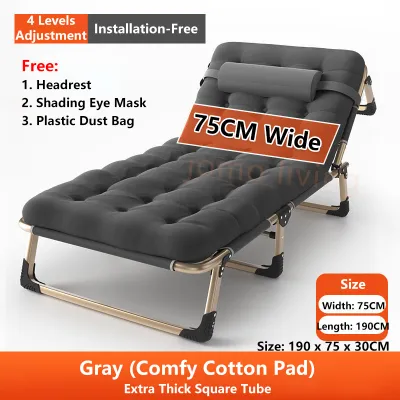
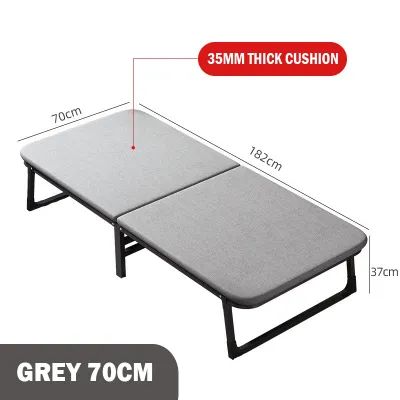
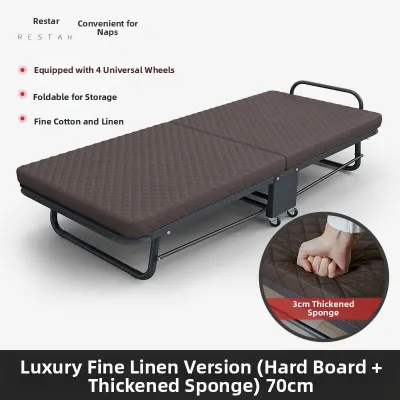
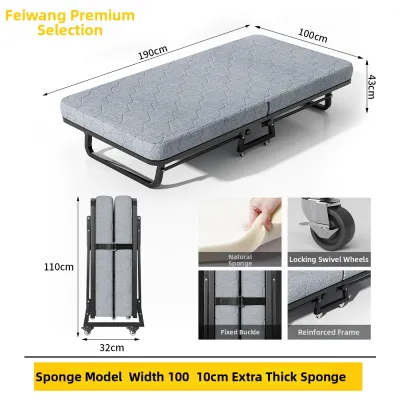
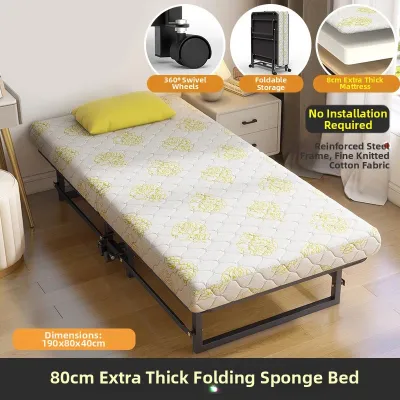
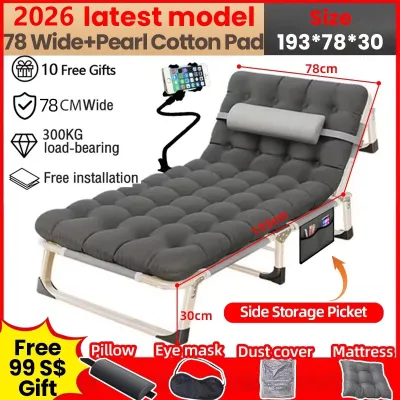
Prices are valid at publication and may change. Please refer to the product page for the latest price.
Finally, evaluate the overall frame stability and the manufacturer’s stated weight limits. A high-quality foldable bed single should have a wide, stable base with robust legs that distribute weight evenly across the floor. Check the joints where the legs connect to the main frame; these should be reinforced with heavy-duty hardware rather than thin rivets. Always verify the maximum weight capacity specified by the manufacturer and compare it against your child’s current weight, factoring in future growth over the next few years. Remember to include the weight of the mattress itself when calculating this load, and ensure the bed’s folded dimensions allow for safe transport through your home’s doorways and lifts during delivery.
How to Verify Safety Certifications and Manufacturer Claims
With numerous options available on online marketplaces and in local furniture showrooms, distinguishing between genuine safety and mere marketing claims can be challenging. To protect your child, you must look for verifiable proof of safety compliance rather than relying on vague product descriptions. Start by locating physical compliance labels and age-grade warnings on the product itself. Reputable manufacturers permanently attach tracking labels to the underside of the bed frame or print clear safety warnings in the user manual. These labels should indicate that the bed meets recognized juvenile furniture safety standards, which govern factors like structural load capacity, material toxicity, and entrapment hazards.

Do not hesitate to request official documentation from the retailer or manufacturer before finalizing your purchase. A trustworthy brand will readily provide accessible test reports or compliance certificates specific to the exact foldable bed single model you are considering. These documents should come from independent, accredited testing laboratories and confirm that the product has undergone rigorous mechanical testing. When reviewing these certificates, verify that the model number on the report matches the model you intend to buy, and check that the testing date is relatively recent.
Recognizing red flags during your search can save you from purchasing an unsafe product. Be highly skeptical of listings that use generic buzzwords like “child-safe,” “premium quality,” or “certified” without naming the specific testing standards or certifying bodies. Other warning signs include the complete absence of age recommendations, missing assembly and maintenance instructions, or a lack of clear manufacturer contact information. If a seller cannot or will not provide a clear user manual or safety certificate upon request, it is best to look for alternative options from transparent, established brands.
Safe Room Placement and Setup Boundaries
Even the safest foldable bed single can become a hazard if it is positioned incorrectly within a child’s bedroom. Proper room layout and setup are essential to minimize environmental risks and prevent accidental tipping. Begin by establishing clear clearance zones around the bed. Position the bed well away from windows, where a child could climb out or become entangled in blind cords—a particularly critical hazard in high-rise apartments. Ensure there is adequate clearance from ceiling fans, wall-mounted shelves, heavy wardrobes, and electrical outlets to prevent injuries if the child sits up suddenly or climbs on the frame.
Consider the specific floor and wall conditions of the room where the bed will be used. Some foldable beds, especially those that fold vertically against a wall or into a cabinet, are top-heavy and require secure wall anchoring or anti-tip straps to prevent them from falling forward. If the bed is a free-standing model, ensure the floor surface provides sufficient traction. Smooth surfaces like polished ceramic tiles, vinyl, or laminate flooring can cause bed legs to slide when a child gets in or out. Placing a non-slip rug or rubber caster cups under the legs can help keep the bed firmly in place.
Mattress compatibility is another crucial factor that directly impacts the safety features of the bed. Always use a mattress that matches the exact dimensions and thickness specified by the manufacturer. If the mattress is too thick, it will reduce the effective height of the guardrails, making them useless at preventing falls. Conversely, if the mattress is too thin or too small for the frame, it will create dangerous gaps along the sides where a child’s limbs could easily become wedged. Never stack multiple mattresses or use makeshift padding to adjust the bed’s height, as this compromises the structural balance of the entire unit.
Routine Inspections and When to Retire the Bed
Maintaining a foldable bed single requires ongoing vigilance, as the mechanical parts that make the bed convenient are also subject to wear and tear over time. Establishing a routine inspection schedule—ideally once a month—helps you catch potential structural issues before they pose a risk to your child. Start by testing the folding joints and locking mechanisms. Unfold and fold the bed a few times, listening for any unusual squeaks, grinding noises, or resistance. Verify that the automatic locking pins engage fully and smoothly without requiring manual force to align them.
Next, perform a thorough check of all hardware and fasteners. The repeated motion of folding, combined with the daily movement of a child sleeping or sitting on the bed, can gradually loosen screws, bolts, and brackets. Use the appropriate tools to tighten any loose hardware according to the manufacturer’s maintenance guidelines, taking care not to over-tighten and strip the threads. Inspect the frame for any signs of material fatigue, such as hairline cracks in plastic joints, splintering in wooden slats, or bending in metal support bars.
Knowing when to retire the bed is just as important as maintaining it. You should stop using the foldable bed immediately if you observe bent frame components, stripped locking pins, or cracked structural joints that cannot be safely replaced with original manufacturer parts. Additionally, keep a close eye on your child’s physical growth. Once your child exceeds the manufacturer’s stated maximum weight or height limits, the bed is no longer safe for them to use. Continuing to use an outgrown or compromised bed significantly increases the risk of structural failure, making it time to transition to a standard, non-folding single bed.
Frequently Asked Questions (FAQ)
Can a standard adult foldable single bed be used safely for a child?
Standard adult foldable beds are generally not safe for young children because they are designed without child-specific safety features. Adult models often have larger gaps between the frame and the mattress, wider spacing between support bars, and higher elevations that pose a significant fall risk. They also lack the specialized guardrails and secondary locking mechanisms required to prevent entrapment or accidental collapse under a child’s active movement.
Are floor-level foldable beds safer than elevated ones for young children?
Floor-level foldable beds, such as folding mattresses or low-profile trundles, eliminate the risk of serious injuries from falls, making them a popular choice for younger children. However, they still require careful inspection. You must ensure that the materials used are non-toxic, that the folding seams do not pinch small fingers, and that the bed is placed on a clean, dry floor surface to prevent moisture buildup and sliding.
What should I do if the folding mechanism gets stuck or feels loose?
If the folding mechanism of your foldable bed single becomes stuck, loose, or difficult to operate, stop using the bed immediately and move your child to a safe alternative sleeping area. Do not attempt to force the mechanism or perform DIY repairs on structural hinges and locking pins, as this can compromise the bed’s safety. Contact the manufacturer or retailer directly to request authorized replacement parts or professional repair advice.

Community discussion
Share your experience or ask a question. Comments are reviewed before publication.