
In compact living spaces, such as modern apartments, or during family staycations and visits to grandparents, a portable folding bed is a highly convenient, space-saving solution. However, when it comes to children, safety must always take precedence over convenience. Foldable beds can be safe for kids, but their safety is never absolute; it depends heavily on the specific folding mechanism, the overall build quality of the frame, and your child’s age and behavior.
Portable beds are generally engineered for temporary, travel, or occasional use rather than permanent daily sleeping. Because these frames are designed to collapse for easy storage, they contain moving parts and joints that standard beds do not have. Consequently, active adult supervision is absolutely necessary during both the folding and unfolding processes. Children should never be permitted to set up or pack away a foldable bed, as the mechanical parts require adult strength and coordination to lock securely into place.
Key Structural and Mechanical Hazards to Inspect
Before purchasing or using a portable bed, parents must look beyond aesthetics and focus on the physical components that pose the highest risk of injury. A foldable bed is essentially a dynamic structure with moving parts, which means it requires a much more rigorous inspection than a static wooden or upholstered bed frame.
Products mentioned in this guide

![[✅Sg Ready Stock] Japanese Portable Folding Single Bed 75cm Wide Surface Lightweight Foldable bed (FREE Blanket )](https://img.lazcdn.com/g/p/df572d14758a5950da863af08e9ab9ef.png_400x400q80.png_.webp)
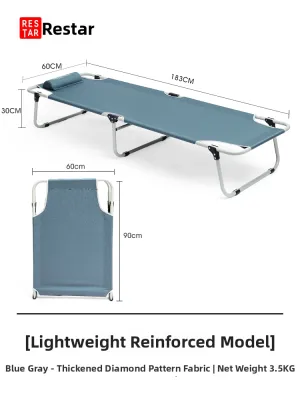
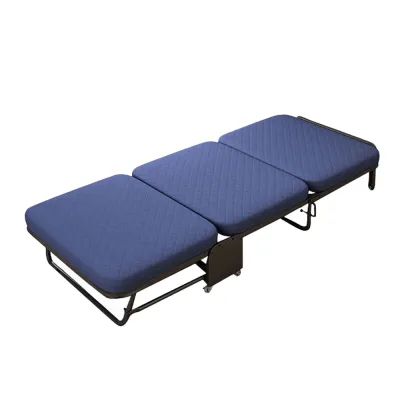

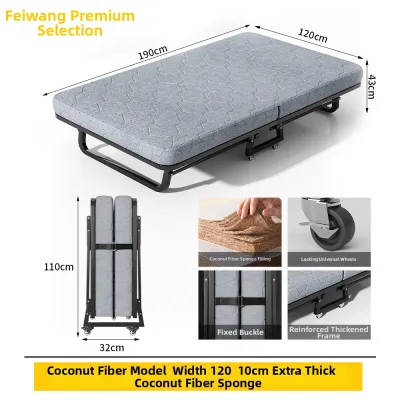


Prices are valid at publication and may change. Please refer to the product page for the latest price.
Understanding the main categories of structural risks inherent to portable, folding furniture allows you to make an informed decision. By evaluating specific mechanical and design hazards, you can identify potential failure points before they pose a danger to your child.
Pinch Points and Folding Joints
The moving joints that allow a bed to fold flat are the most common sources of minor injuries, such as pinched fingers or skin. When inspecting a portable bed, closely examine all hinges, locking latches, and folding brackets. Look for exposed scissor-style mechanisms or gaps where small fingers could easily become trapped when the bed is being opened, closed, or shifted.
A safe folding bed should feature a locking mechanism that requires intentional, adult-level force or a dual-action release to operate. Dual-action locks require two distinct physical movements—such as pressing a safety button while simultaneously sliding a lever—to disengage. This design ensures that a curious child cannot accidentally trigger a collapse while playing near or under the bed. Additionally, run your hands along the metal frame near all joints to check for sharp edges, rough welds, or protruding hardware that could cause scratches or snag clothing.
Frame Stability and Collapse Risks
A portable bed must remain completely stable under the dynamic weight of a moving child. To assess the structural integrity of the frame, set the bed up fully and physically test the leg locks and crossbars. Push down firmly on the center, head, and foot of the bed to ensure the legs do not wobble, slide, or fold inward under pressure. The locking mechanisms should engage with a clear, positive click and show no play or movement once locked.
Because portable beds are often lightweight and have a narrower footprint than standard beds, they are more susceptible to tipping. Test the frame’s resistance to tipping by applying pressure to the outer edges; a safe bed should remain flat on the floor without lifting on the opposite side. Furthermore, inspect the condition of the support slats or the fabric mesh base. Sagging fabric, torn seams, or bent metal slats can cause uneven weight distribution, compromising both the stability of the frame and the safety of the child.
Mattress Fit and Entrapment Gaps
The interface between the foldable frame and the mattress is a critical safety zone. If a mattress does not fit the frame precisely, dangerous gaps can form along the sides or ends of the bed. A child can easily slip into these gaps during sleep, leading to a high risk of entrapment or suffocation.
To prevent these hazards, always ensure the mattress size matches the manufacturer’s exact specifications. There should be no gap wider than two fingers between the mattress and the frame. Avoid using aftermarket, thicker, or softer mattresses that did not come with the bed or are not explicitly approved by the manufacturer. An ill-fitting mattress can alter the bed’s center of gravity, reduce the effective height of safety barriers, or create unexpected wedging hazards.
Age Appropriateness and Developmental Readiness
Determining whether a foldable bed is safe for your child requires an honest assessment of their physical and cognitive development. Age recommendations provided by manufacturers are based on safety testing and should be followed strictly rather than relying on general assumptions about your child’s size.

Higher fall risks exist for toddlers who roll excessively during sleep or who still lack spatial awareness on narrow, low-profile portable beds. If a child is transitioning from a crib, they may not yet understand the physical boundaries of a bed without high, fixed guardrails. For these younger children, a specialized toddler travel bed with built-in inflatable or fabric bumpers is often a much safer alternative than a standard folding cot.
Cognitive readiness is equally important. Your child must be mature enough to understand basic safety rules surrounding the bed. They need to know that a foldable bed is strictly for sleeping and resting, not a toy for climbing, jumping, or building forts. If your child is prone to tampering with levers, buttons, or mechanical parts, they may not be ready for a foldable bed unless it is placed in an area where adult supervision is constant.
How to Verify Safety Labels and Manufacturer Specifications
When shopping for a portable bed, safety documentation and physical labels are essential tools for verifying the product’s safety parameters. Before making a purchase, locate the manufacturer’s product tag or label permanently attached to the frame. This label should clearly state the maximum weight capacity and the recommended age range for users.
Keep in mind that the maximum weight capacity includes not just the child’s body weight, but also the weight of any heavy blankets, pillows, or toys placed on the bed. Never exceed this limit, as overloading the frame places immense stress on the joints and can lead to sudden structural failure. Additionally, check the frame and packaging for mandatory warning labels regarding entrapment, suffocation, and proper locking procedures.
Always consult the included user manual before assembling or using the bed for the first time. The manual provides specific instructions on how to engage the locking mechanisms correctly, how to perform routine safety checks, and how to maintain the frame. If a product does not come with a clear, detailed instruction manual, or if the safety labels are missing or illegible, it is best to avoid using it.
Safe Setup and Daily Usage Rules
Establishing a strict setup routine and household rules is essential for minimizing risks during daily use. Every time you set up the portable bed, follow these safety steps:
- Verify the locks: Physically shake the frame and press down on the sleeping surface to confirm that all primary and secondary locking mechanisms are fully engaged.
- Check the feet: Ensure the bed's feet are resting flat on a level, non-slip surface. If the bed is placed on polished tile or laminate flooring, verify that the rubberized feet are clean and providing adequate grip to prevent sliding.
- Position the bed safely: Place the bed away from walls, windows, window blind cords, and heavy furniture. A gap between the bed and a wall can create a dangerous entrapment zone, while nearby cords present a severe strangulation hazard.
- Clear the surrounding area: Ensure there are no sharp objects, toys, or hard furniture close to the bed in case the child accidentally rolls out.
Once the bed is safely positioned, establish clear rules with your child. Emphasize that the bed is for sleeping only. Prohibit jumping, roughhousing, or playing on the frame, as sudden impact loads can bend metal supports, strip locking pins, or cause the entire structure to tip over.
When to Stop Using a Foldable Bed
A foldable bed is not a permanent fixture and has a limited safe lifespan. You must regularly inspect the bed for physical signs of wear and tear. Discontinue use immediately if you observe any of the following structural issues:
- Loose or damaged joints: Rivets, screws, or bolts that are loose, missing, or stripped.
- Bent or cracked frames: Metal tubing that is bent, dented, or showing hairline cracks near weld points.
- Failing locking mechanisms: Latches or buttons that no longer click securely into place or that slip out of lock easily.
- Damaged support base: Frayed fabric, torn seams, or sagging mesh that allows the mattress to dip excessively.
Additionally, you must stop using the bed when your child reaches any of the manufacturer’s developmental milestones or physical limits. If your child’s weight approaches the maximum limit, or if their head or feet are close to the ends of the frame, the bed is no longer safe. If you observe any structural damage or are unsure about the integrity of a component, stop using the bed and contact the manufacturer for guidance or replacement parts.
Frequently Asked Questions (FAQ)
Can a foldable bed be used as a permanent daily bed for a child?
No, foldable beds are not suitable for permanent daily use. They are engineered for temporary accommodation, travel, or occasional sleepovers. The frames and support bases are optimized for portability and lightweight storage, meaning they do not offer the same level of robust, long-term spinal support as a standard kids’ bed with a high-quality mattress. Continuous daily use will also accelerate wear and tear on the folding joints, increasing the risk of structural failure over time.
What should I do if the folding mechanism gets stuck?
If the folding mechanism becomes stiff or stuck, do not force it or use excessive weight to push it down. Forcing the frame can bend the metal tubes, strip the locking pins, or damage the hinges, rendering the bed permanently unsafe. Keep your child away from the area to prevent accidental pinches. Consult the troubleshooting section of the user manual, check for any debris or fabric caught in the joints, and contact the manufacturer if the mechanism remains jammed.

Community discussion
Share your experience or ask a question. Comments are reviewed before publication.