
Selecting a foldable bed sofa for a typical HDB living room requires balancing daily seating comfort with the physical realities of a compact floor plan. Because HDB flats often feature structural pillars, household shelters, and multi-functional zones, finding the right fit is not just about choosing a style. It is about understanding how the furniture behaves in both its folded and unfolded states. A sofa that looks perfectly proportioned during the day can easily overwhelm a room or block essential pathways once it is converted into a bed at night.
To make a successful decision, you must evaluate the complete footprint of the furniture, the clearance required for its specific opening mechanism, and the physical path it takes from the delivery truck to your living room. By taking precise measurements and planning for daily traffic flow, you can select a versatile piece of furniture that enhances your home without causing physical obstruction.
Measuring Your HDB Living Room for a Sofa Bed
Before browsing online marketplaces or visiting showrooms, you must establish the physical boundaries of your living room. Start by measuring the length of the designated wall or corner where the sofa will sit. When taking these measurements, do not rely on floor-to-floor distances alone; always account for the thickness of skirting boards, which can push the back of the sofa several centimeters away from the wall. Additionally, locate all power outlets, light switches, and internet ports to ensure the sofa frame does not block access to essential utilities.
Products mentioned in this guide
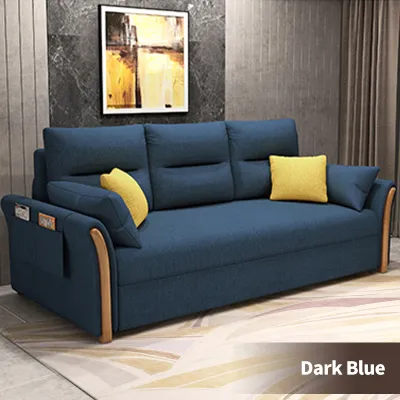
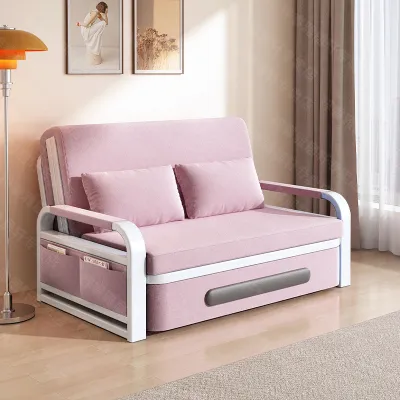
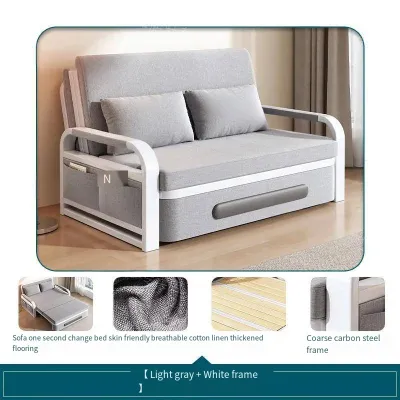
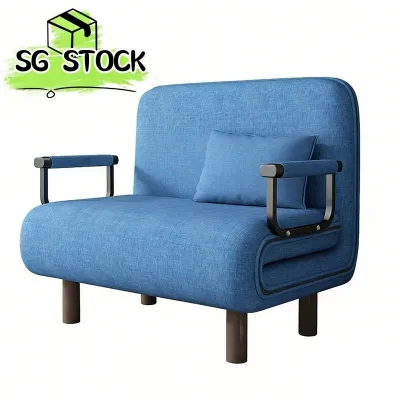
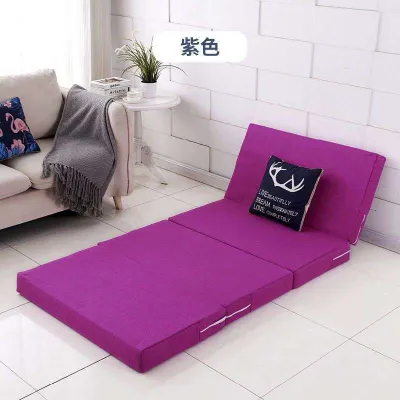
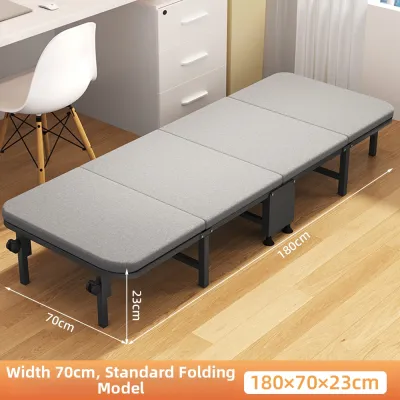

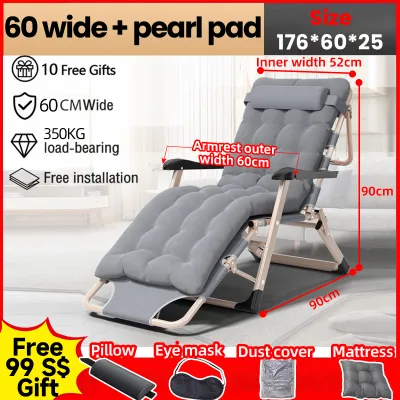
Prices are valid at publication and may change. Please refer to the product page for the latest price.
The delivery route is another critical factor that buyers often overlook until the delivery team arrives. You must measure the width and height of your HDB flat’s main entrance, the clearance of the lift lobby, and the interior dimensions of the lift itself. Many modern HDB lifts have tight entry frames and low ceilings that can prevent long, fully assembled sofa frames from being transported easily. If your flat is located on a floor that requires staircase access, measure the turning clearance of the stairwells to avoid delivery complications.
Finally, inspect the vertical and horizontal space around the designated area for fixed structural obstacles. Look out for low-hanging air-conditioning trunking, ceiling fans, wall-mounted light fixtures, or built-in cabinets. Air-conditioning pipes running along the top of a wall can prevent a tall, high-back sofa bed from sitting flush against the wall. Similarly, a ceiling fan must have sufficient clearance from the bed surface to ensure safety when someone sits up or stands on the unfolded mattress.
Matching Foldable Bed Sofa Sizes to Your Layout
Once you have your room’s physical boundaries, you can begin matching potential foldable bed sofa sizes to your layout. Start by comparing the folded width of the sofa against your available wall length. It is wise to avoid filling the entire wall space with the sofa frame. Instead, leave comfortable side margins on both ends to accommodate curtains, standing floor lamps, side tables, or air purifier units. A tight fit can make the living room look cramped and restrict access to nearby windows or balcony doors.

Next, evaluate the unfolded depth of the sofa bed. This is the total distance from the back of the frame to the foot of the extended mattress. In typical HDB layouts, where the living room often transitions directly into the dining area or kitchen walkway, an extended bed can easily block the main thoroughfare. You must ensure that the mattress length does not push so far forward that it forces family members to squeeze past or step over the bed to access other parts of the home.
The opening mechanism of the foldable bed sofa plays a major role in determining the required clearance. For instance, click-clack models require you to pull the sofa away from the wall to lower the backrest, meaning you must leave a permanent gap behind the frame or be prepared to slide the heavy furniture forward every time you use it. Pull-out drawer mechanisms require significant clearance directly in front of the sofa to roll out the underframe, while tri-fold foam designs unfold directly onto the floor and require a completely flat, unobstructed surface area.
Clearance and Walkway Checks for Unfolded States
A successful sofa bed installation relies on maintaining functional pathways when the bed is fully extended. Rather than relying on a single fixed measurement, you should assess the walkway width based on the daily movement of your household. A functional pathway should allow a person to walk naturally without having to turn sideways, squeeze past walls, or step onto the mattress. This is especially important in households with young children or elderly family members who require clear, stable paths to navigate safely at night.
You must also verify that the unfolded bed does not obstruct access to essential doors and fixtures. Check that balcony sliding doors, bedroom doors, and household shelter entrances can still open fully when the bed is deployed. Blocking a balcony door not only restricts natural ventilation but can also create a safety hazard in an emergency. Similarly, ensure that light switches, fan controllers, and wall-mounted air-conditioning remotes remain within easy reach and are not covered by the extended headboard or frame.
Additionally, plan for the temporary relocation of movable furniture. Items like coffee tables, side tables, and area rugs must be shifted whenever you convert the sofa into a bed. If your living room features a heavy, solid wood coffee table, moving it daily can become a strenuous chore. Consider replacing heavy items with lightweight nesting tables, wheeled coffee tables, or lightweight rugs that can be easily rolled up or slid aside to accommodate the extended bed frame.
Common Sizing Mistakes to Avoid
One of the most common mistakes when purchasing a foldable bed sofa is focusing solely on the folded seating dimensions. Buyers often choose a compact two-seater sofa because it fits beautifully against their living room wall, only to discover that the unfolded mattress extends too far forward, blocking the television console or the entryway. Always prioritize the fully extended footprint during your planning phase to ensure the room remains functional in both configurations.
Another frequent error is forgetting to account for the physical space required to operate the folding mechanism. Some pull-out frames require you to stand at the side of the sofa to lift, pull, or lock the metal joints into place. If the sofa is wedged tightly between two walls or built-in cabinets, you will not have the necessary physical leverage to operate the mechanism comfortably, which can lead to strained muscles or damage to the furniture.
Lastly, do not overlook the thickness of the armrests and the outer frame when calculating the usable sleeping area. A sofa bed might have a total width of two meters, but if the armrests are wide and heavily padded, the actual mattress width might only accommodate a single sleeper. Always distinguish between the overall frame dimensions and the actual mattress dimensions to ensure you get the sleeping surface you expect without wasting valuable floor space on bulky decorative elements.
Frequently Asked Questions (FAQ)
Can I use a foldable bed sofa as my main everyday bed in an HDB?
Using a foldable bed sofa as your primary, everyday bed in an HDB living room involves several practical trade-offs. Standard bed mattresses are designed with thick, continuous pocketed springs or dense foam layers optimized for long-term spinal support and pressure relief. In contrast, sofa bed mattresses must be thin and flexible enough to fold into the frame, which often results in a firmer, less supportive sleeping surface that may not be suitable for daily use over extended periods.
The daily physical effort required to convert the sofa is another important consideration. Folding and unfolding the mechanism twice a day can become tedious, and you must also find storage space for pillows, bedsheets, and heavy duvets, which can quickly clutter a compact HDB living room. If you plan to use the sofa bed daily, look for models with robust, heavy-duty mechanisms and verify the manufacturer’s guidelines regarding weight limits and continuous daily wear to ensure the frame does not sag or loosen prematurely.

Community discussion
Share your experience or ask a question. Comments are reviewed before publication.