
Choosing the right sofa gap blocker is a practical decision that directly impacts the comfort, cleanliness, and longevity of your living room furniture. While a gap blocker might seem like a simple accessory, selecting the wrong material can lead to constant slipping, poor fit, or the accumulation of dust and moisture. The ideal material depends on your sofa’s specific construction, the size of the gap, and your household’s daily activities.
Foam, silicone, and fabric each offer distinct advantages and trade-offs. Foam is highly adaptable, making it the go-to choice for wide, irregular gaps where it can blend seamlessly with existing cushions. Silicone provides a sleek, waterproof, and easily cleanable barrier that excels in narrow spaces and high-spill environments. Fabric blockers offer a soft, aesthetically pleasing option that matches your sofa’s upholstery while protecting dropped items from hard impacts.
To make an informed decision, you must evaluate how these materials interact with your sofa’s upholstery, whether it is smooth leather or textured fabric. Additionally, factors like the presence of pets, young children, and the local climate play a significant role in determining which material will remain secure and hygienic over time.
Products mentioned in this guide
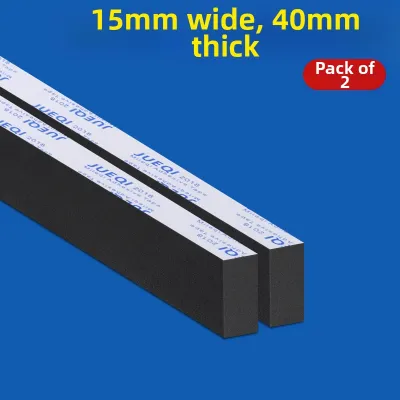
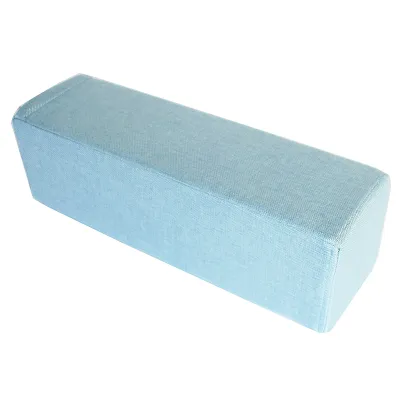
Prices are valid at publication and may change. Please refer to the product page for the latest price.
Understanding Your Sofa Gap and Household Needs
Before purchasing a sofa gap blocker, accurate measurement and a clear understanding of your household dynamics are essential. To measure the gap, use a firm tape measure to check the width, depth, and length of the space between the cushions, backrest, or armrests. It is common for gaps to vary in width from top to bottom, so take measurements at multiple points to identify any irregular shapes or tapering along the sofa back.
Your household environment dictates the physical demands placed on the blocker. If you have pets, especially cats that like to scratch or dogs that shed, you must consider how easily a material traps hair or resists claws. For homes with toddlers, the blocker must be secure enough to prevent small toys from disappearing, while remaining free of small, detachable parts that could pose safety risks.
The upholstery of your sofa also determines the amount of friction required to keep the blocker in place. Smooth leather sofas have very low surface friction, meaning lightweight or slick blockers may easily slide out of position when someone sits down. Textured fabric sofas, such as those made of linen, chenille, or boucle, offer natural grip but are more prone to transferring fibers and trapping dust against the blocker.
Foam Sofa Gap Blockers: Best for Wide Gaps and Cushion Blending
Foam sofa gap blockers are highly favored for their compressibility and ability to fill substantial, irregular voids. When you have a wide gap between your seat cushions and the backrest, a foam blocker can be compressed and wedged tightly into the space, expanding to fill the contours perfectly. This elasticity allows it to stay firmly in place even when the sofa cushions shift under weight.

When evaluating foam blockers, it is important to check the density of the foam. High-density polyurethane foam offers better structural support and longevity, resisting sagging or flattening over months of use. Additionally, look for options that feature a removable, machine-washable cover and a built-in non-slip base, such as silicone micro-dots, to prevent the foam from sliding against smooth upholstery.
However, foam has distinct limitations, particularly in humid environments like Singapore. Unprotected foam can absorb ambient moisture, leading to musty odors or mold growth if not ventilated properly. Furthermore, exposed foam is highly vulnerable to pet claws, which can easily shred the material, and forcing a bulky foam blocker into a narrow gap can cause the surrounding cushions to bulge awkwardly.
Silicone Sofa Gap Blockers: Best for Narrow Gaps and Easy Cleaning
Silicone sofa gap blockers are designed for precision, offering a low-profile, highly durable solution for tight spaces. These blockers typically feature a T-shaped or wedge profile that sits flush against the cushions, creating a seamless barrier that prevents crumbs, coins, and phones from slipping through. Their waterproof nature makes them exceptionally well-suited for households where spills are a frequent occurrence.
To ensure a silicone blocker performs well, verify its flexibility and thickness. High-quality food-grade silicone remains pliable in various temperatures and conforms slightly to minor cushion movements without cracking. You should also examine the surface texture; a matte or slightly textured underside provides significantly better grip against sofa cushions than a completely smooth, glossy finish.
Despite their utility, silicone blockers are not universal solutions. They do not conform well to highly irregular or extremely wide gaps, as they lack the bulk needed to fill deep voids. On smooth leather sofas, silicone can sometimes slide or squeak when subjected to movement, and its modern, rubbery appearance can create a stark visual contrast when paired with traditional, soft fabric upholstery.
Fabric Sofa Gap Blockers: Best for Aesthetics and Soft Protection
Fabric sofa gap blockers, often designed as weighted bolster rolls or fabric-covered wedges, excel in visual integration and gentle protection. If you want a blocker that looks like an intentional extension of your sofa rather than an aftermarket accessory, fabric is the ideal choice. They are particularly suited for medium-sized gaps where they can rest comfortably between cushions without disrupting the seating alignment.
When selecting a fabric blocker, check the quality of both the inner filling and the outer cover. The inner filling should consist of firm polyester fiberfill, weighted beads, or dense foam to ensure it maintains its shape and stays anchored deep in the gap. The outer cover should be made of a durable, abrasion-resistant textile, such as heavy canvas or tightly woven polyester, and feature secure attachment mechanisms like tucking flaps or non-slip backing.
The primary drawback of fabric blockers is their maintenance requirement. Unlike silicone, which can be wiped clean in seconds, fabric absorbs spilled liquids, traps fine dust, and accumulates pet hair quickly. This means they require regular removal and laundering to maintain hygiene, making them less practical for high-traffic family sofas prone to frequent food and drink spills.
Material Comparison Matrix: Matching Blocker to Sofa Type
To help you visualize the differences and select the right option, the following matrix compares the three primary materials across key performance dimensions:
| Performance Dimension | Foam Blockers | Silicone Blockers | Fabric Blockers |
|---|---|---|---|
| Gap Width Adaptability | Excellent (highly compressible for wide/irregular gaps) | Limited (best for narrow, uniform gaps) | Moderate (best for medium, consistent gaps) |
| Cleaning Effort | Moderate (requires removing and washing the cover) | Low (wipe-clean, waterproof surface) | High (requires regular laundering or vacuuming) |
| Pet & Child Friendliness | Moderate (can be damaged by claws; safe if covered) | High (durable, non-toxic, easy to sanitize) | Moderate (traps pet hair; soft and safe for kids) |
| Slip Resistance | High (when equipped with a non-slip cover) | Moderate (may slip on smooth leather) | High (when weighted or tucked deeply) |
When matching these materials to specific scenarios, clear rules emerge. If you own a leather sofa with a narrow gap, a textured silicone blocker provides a clean, unobtrusive barrier that won’t damage the leather. Conversely, if you have a fabric sofa with a wide, deep gap, a high-density foam blocker with a non-slip cover will blend visually and stay securely wedged in place.
Every material involves a trade-off. Choosing foam means sacrificing quick cleaning for superior gap adaptability. Selecting silicone means prioritizing hygiene and spill protection over soft, seamless aesthetics. Opting for fabric gives you the most cohesive look, but demands the highest level of ongoing maintenance to keep clean.
Installation and Maintenance Checklist
Proper installation and routine care are vital to ensure your sofa gap blocker remains effective and does not shift during daily use. Before installing any blocker, perform a thorough pre-installation cleaning. Vacuum the gap to remove accumulated dust, crumbs, and pet hair, and wipe down the inner frame or cushion edges to remove oils that could reduce friction.
When positioning the blocker, use proper tucking techniques to anchor it securely. For foam and fabric blockers, push the material deep into the gap, ensuring it sits beneath the crown of the seat cushions where the downward pressure is greatest. For silicone blockers, align the top flange flat against the cushion surface and press the vertical wedge firmly into the seam to create a tight seal.
Establish a material-specific care routine to prolong the life of your blocker. Silicone blockers should be wiped down weekly with a damp microfiber cloth and a mild, pH-neutral detergent to remove dust and body oils. Foam and fabric blockers should have their covers removed and laundered monthly according to the manufacturer’s instructions, ensuring they are completely dry before reinstallation to prevent moisture buildup.
Frequently Asked Questions (FAQ)
Can I use a gap blocker on a reclining or modular sofa?
Reclining sofas have moving metal mechanisms that can easily pinch, tear, or jam standard gap blockers. If you have a recliner, avoid rigid or bulky blockers and instead look for highly flexible, segmented options that can move independently with each section. For modular sofas that tend to drift apart, ensure the modular units are securely locked together using connector brackets before installing a flexible fabric or foam blocker to bridge the seam.
How do I stop the gap blocker from sliding out when I sit down?
If your blocker repeatedly pops out, first verify that it is sized correctly for the depth and width of your gap; an oversized blocker will naturally be pushed upward under pressure. To increase grip, you can place a strip of non-slip rubber rug pad underneath the blocker or choose a model with deep tucking flaps that anchor beneath the seat cushions. Ensuring the blocker is pushed deep past the cushion’s point of maximum compression will also help keep it anchored.
Are sofa gap blockers safe for toddlers and babies?
Sofa gap blockers are generally safe, but you must verify specific material standards to protect young children. Ensure silicone blockers are made of certified food-grade, non-toxic silicone free of phthalates and BPA. For foam blockers, choose firm, high-density foam that does not pose a suffocation risk if a child rests against it, and always inspect the blocker regularly to ensure there are no small detachable parts, zippers, or loose threads that could become choking hazards.
Community discussion
Share your experience or ask a question. Comments are reviewed before publication.