
To maximize a compact Singapore living room, highly practical floor table styles are those that prioritize multi-functional flexibility and visual lightness, such as lift-top, nesting, and foldable designs. In smaller HDB flats and condominiums, traditional bulky coffee tables can quickly overwhelm the limited floor area and disrupt the flow of the room. Transitioning to a low-profile floor table not only opens up the vertical space, making the room feel larger, but also encourages a relaxed, versatile living environment. By choosing a style that can adapt to dining, working, and hosting, you can maintain a highly functional home without sacrificing precious square footage.
Assessing Your Floor Space and Seating Height
Before purchasing a floor table, it is essential to measure the exact footprint of your seating area to ensure a comfortable fit. Start by mapping out the space between your existing low sofas, floor cushions, or modular seating arrangements. You want to ensure there is sufficient room to sit comfortably with your legs crossed or extended without feeling wedged against other furniture. A good rule of thumb is to leave enough open floor space around the table so that household members can transition from standing to sitting without bumping into sharp corners.
Seating ergonomics play a critical role in how comfortable your low-profile setup will be. If you plan to sit directly on the floor or on thin tatami mats, a table height of 30 to 35 centimeters is generally the most comfortable, as it aligns well with your natural resting posture. If you prefer thicker floor cushions or low-slung modular sofa bases, look for a table height closer to 38 to 42 centimeters. Ensuring the table surface allows for a comfortable reach without forcing you to hunch forward is key to preventing back strain.
Products mentioned in this guide
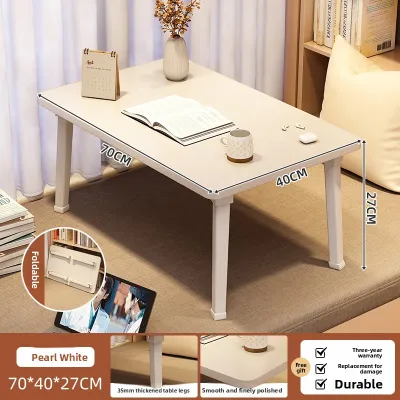
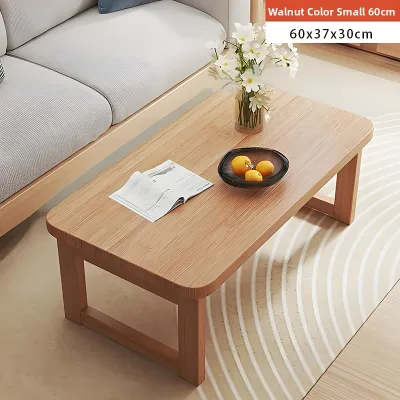
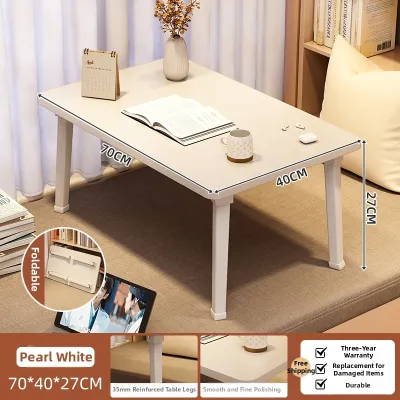
![[CozyNest ] Wood Side Table Multi-Use for Floor Seating/Study Chic!](https://img.lazcdn.com/g/p/3de10834ab6795b0feeaaef88d7e44d9.jpg_webp_400x400q80.jpg_.webp)
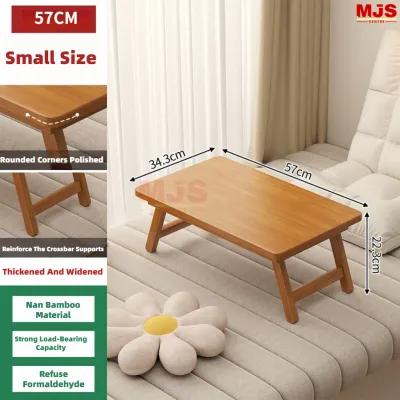
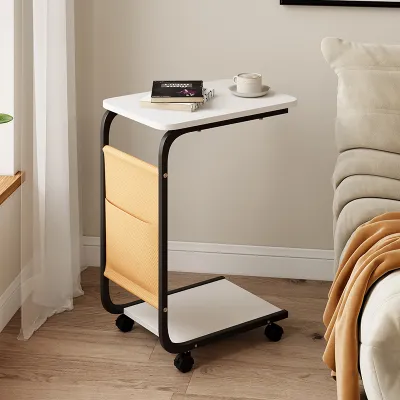
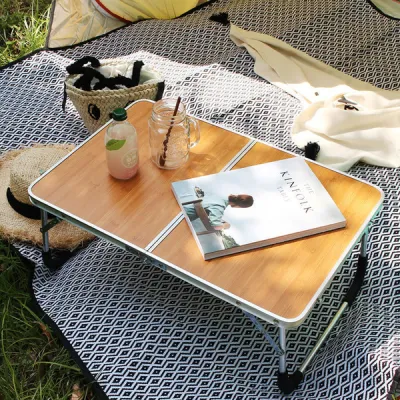
Prices are valid at publication and may change. Please refer to the product page for the latest price.
Identifying the primary daily functions of your living room will help determine the ideal shape of your floor table. If your table will double as a casual dining spot or a workspace, a rectangular or oval shape offers a more structured and practical surface. For homes where the living room is primarily used for relaxation or tea, a round table is often more suitable. Round tables have no sharp corners, making them easier to navigate around in tight quarters and safer for households with active children.
Space-Saving Floor Table Styles for Compact Rooms
For small Singapore living rooms, selecting a table style with built-in adaptability is one of the smartest ways to save space. Lift-top and adjustable floor tables are highly versatile options that transition smoothly between low lounging and elevated working or dining. These designs feature internal mechanical brackets that allow you to lift and pull the tabletop closer to you, transforming a low coffee table into a comfortable desk height. When looking at these models, check the manufacturer’s specifications regarding the lifting mechanism’s weight capacity and stability when fully extended.

Nesting floor tables offer another excellent solution for compact layouts, especially for those who frequently host guests. These sets typically consist of two or three tables of graduating sizes that slide completely underneath one another when not in use. During daily routines, you can keep them nested to reclaim valuable floor space for easy movement. When friends or family visit, you can pull the smaller tables out to create multiple individual surfaces for drinks and snacks, distributing them around your seating area as needed.
If clutter is a persistent challenge in your living room, look for floor tables designed with built-in hidden storage compartments. Tables featuring integrated drawers, lift-up tops with hollow interiors, or low-profile open undershelves allow you to keep remote controls, reading materials, chargers, and coasters organized and out of sight. This keeps the main tabletop clear, which instantly makes a small room feel more spacious and orderly. When selecting a storage model, verify that the drawers or compartments are easily accessible from your seated position on the floor.
Foldable or collapsible floor tables provide an excellent level of flexibility for multi-functional spaces. These tables are designed with legs that fold flat against the underside of the tabletop, allowing you to store the entire unit behind a sofa, inside a utility closet, or under a bed when it is not needed. This style is particularly beneficial for residents who use their living room floor for yoga, home workouts, or children’s play areas during the day, and only require a table surface during meal times or evening relaxation.
Materials and Finishes for Visual Lightness
The materials and finishes you choose can significantly influence how large or small your living room feels. To prevent a floor table from visually dominating a compact space, prioritize transparent or translucent materials such as acrylic or tempered glass. A glass-top or clear acrylic table allows the floor pattern or rug underneath to remain visible, maintaining uninterrupted sightlines across the room. This optical trick makes the entire living area feel more open, airy, and less physically crowded.
If you prefer the warmth of natural materials, opt for light-colored woods, pale tones, or matte finishes that blend seamlessly with bright, modern interiors. Light oak, ash, birch, and painted white or cream finishes reflect natural light beautifully, contributing to a bright and spacious atmosphere. These lighter tones are characteristic of Japandi and Scandinavian design styles, which are highly effective at making small spaces feel calm and uncluttered.
Conversely, it is generally recommended to avoid heavy, dark woods or overly ornate, solid bases that visually anchor the eye to the floor. Chunky block bases or thick, dark metal frames can make a low table look like a heavy obstacle in the center of the room, drawing attention downward and emphasizing the limited floor space. Instead, look for tables with slender, tapered legs, open wire frames, or cantilevered designs that allow light and air to pass underneath the table surface.
Regardless of the material you choose, review the manufacturer’s labels and care instructions to verify scratch and stain resistance. Because floor tables are positioned low to the ground, they are more susceptible to accidental kicks, vacuum cleaner bumps, and spills from floor-level dining. Choosing a table with a durable protective coating, such as a polyurethane finish on wood or a scratch-resistant treatment on acrylic, helps keep your furniture in good condition despite daily wear and tear.
Layout and Walkway Clearance Tips
Proper placement of your floor table is essential for maintaining safe, comfortable movement and preserving the flow of a compact living area. As a general guideline, aim to leave a clearance of at least 50 to 60 centimeters between the edges of the table and any surrounding furniture, such as your sofa, media console, or walls. This clearance provides enough space for household members to walk past comfortably without having to squeeze sideways, and it ensures you have adequate legroom when seated.
When planning your layout, pay close attention to the swing paths of doors and access routes to key areas of the home. Ensure that the table’s position does not block the path to balcony sliding doors, main walkways, or built-in storage cabinets. Additionally, consider the location of wall power outlets; if you plan to use your floor table for laptop work, positioning it near an outlet will prevent charging cables from stretching across walkways, which can create a tripping hazard on the floor.
Using an area rug is a highly effective way to visually define your floor seating zone and anchor the table without adding physical barriers. A low-pile or flat-weave rug provides a comfortable, soft surface for sitting and helps protect your flooring from scratches caused by moving the table or cushions. To keep the space looking cohesive, choose a rug that is large enough for both the floor table and your primary seating cushions to sit on, which helps unify the arrangement and makes the seating area feel like a dedicated, cozy nook.
Frequently Asked Questions (FAQ)
Can I use a regular coffee table as a floor table?
While it is possible to use a standard coffee table, it is often not ergonomically ideal for direct floor seating. Standard coffee tables typically range from 40 to 50 centimeters in height, which can feel uncomfortably high when you are sitting directly on the floor, leading to shoulder and neck strain. Additionally, many standard coffee tables feature thick side aprons or lower shelves that restrict knee clearance, making it difficult to tuck your legs comfortably underneath. A dedicated floor table is specifically designed with a lower profile and open clearance underneath.
How do I clean and maintain a floor table placed on a rug?
Maintaining a floor table on a rug requires regular care to prevent dust buildup and protect both the furniture and the textile. Perform routine dusting of the table surface and legs, and lift the table completely once a week to vacuum the rug underneath, as dust tends to accumulate around the base. In Singapore’s humid climate, periodically check the underside of the table base and the rug surface for any trapped moisture, which can lead to mold. Always follow the manufacturer’s specific care instructions for cleaning the table’s surface material.
Community discussion
Share your experience or ask a question. Comments are reviewed before publication.