
Finding the perfect fabric recliner sofa for a compact HDB living room requires balancing personal comfort with spatial reality. While the deep, plush cushioning of a recliner offers unmatched relaxation, its physical footprint can easily overwhelm a standard three-room or four-room flat layout. Successfully integrating one of these pieces depends on selecting compact mechanisms, verifying precise clearance paths, and choosing durable fabrics that withstand daily tropical living. By focusing on smart dimensions and strategic layouts, you can enjoy the luxury of a recliner without sacrificing precious floor space or disrupting the flow of your home.
Assessing Your HDB Living Room Space and Clearances
Before browsing online marketplaces, establish the exact spatial boundaries of your living area. A common mistake is measuring only the static footprint of the sofa when upright. Recliners require a dynamic footprint; you must account for the full extension of the footrest and the backward tilt of the backrest. Use masking tape on your floor to map out both the closed and fully reclined positions, ensuring a clear path remains for walking past.
Delivery logistics present another critical hurdle in high-rise HDB estates. Measure the clear width and height of your main entrance door, safety gates, and narrow hallways. Additionally, check the dimensions of your estate’s passenger lift, paying close attention to the door opening width, internal cabin depth, and ceiling height. If your unit has tight corridor turns, communicate these constraints to the retailer beforehand to avoid delivery failures.
Products mentioned in this guide
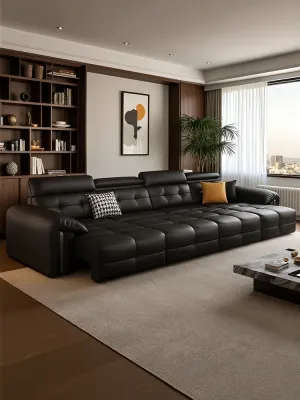
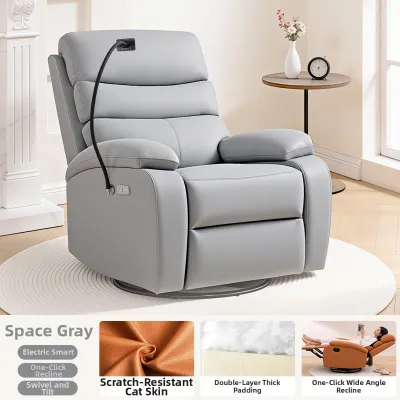
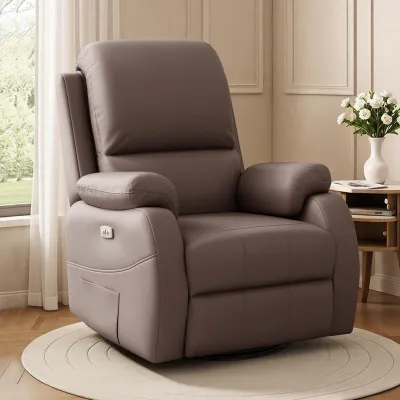
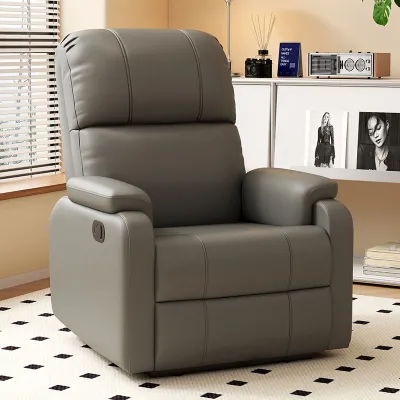
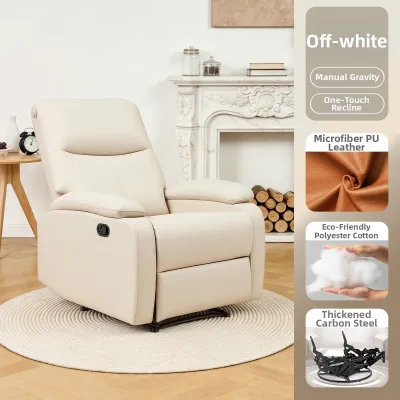

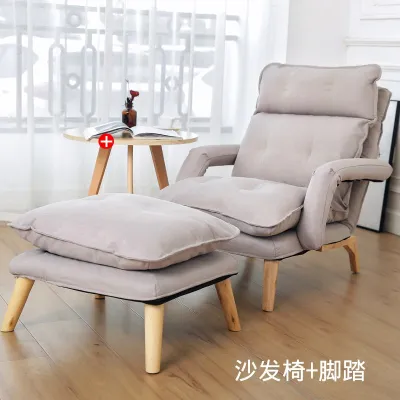
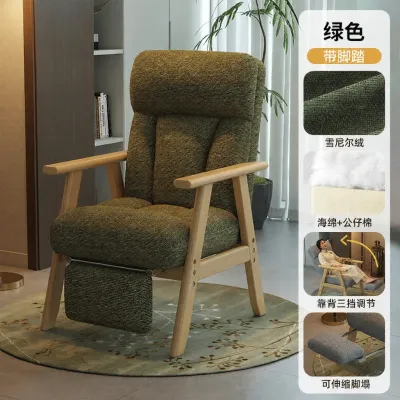
Prices are valid at publication and may change. Please refer to the product page for the latest price.
Power infrastructure is also essential. If you are leaning toward a motorized recliner, locate your existing wall sockets before finalizing the sofa’s position. Running long extension cords across the floor creates tripping hazards and disrupts the clean aesthetic of a compact room. Check if the sofa design includes integrated cord management channels or if you need to position the unit directly flush against a power outlet.
Key Dimensions and Mechanisms for Compact Recliners
The mechanism powering your recliner dictates how much space it consumes. Standard recliners pivot backward, requiring a substantial gap of thirty to fifty centimeters between the back of the sofa and the wall. In a compact HDB flat, this creates dead space. To solve this, look for wall-hugger or wall-saving mechanisms. These specialized designs slide the seat forward as the backrest reclines, allowing you to position the sofa within ten to fifteen centimeters of the wall.

Configuration choices also play a major role in preserving spatial harmony. While a traditional three-seater recliner set might seem appealing, it often dominates a small room. Consider opting for a modular setup or a compact two-seater loveseat instead. Modular configurations allow you to customize the seating arrangement, perhaps choosing a unit where only one seat reclines while the other remains stationary. This hybrid approach provides the comfort of a recliner while keeping the overall frame size manageable.
To further minimize bulk, pay close attention to the design details of the frame. Armrest width is a key area where manufacturers often add unnecessary volume; choosing a model with slim, streamlined armrests can save up to twenty centimeters of overall width without reducing the actual seating surface. Additionally, verify the seat depth and overall height. A lower backrest design can make a low-ceilinged room feel more open, while a shallower seat depth ensures the sofa does not protrude too far into the central walkway. Finally, inspect the frame joints and overall stability when the mechanism is fully extended to ensure the unit remains secure.
Fabric Selection and Care for Compact Living
Selecting the right upholstery fabric is crucial for ensuring your recliner remains comfortable in Singapore’s warm, humid climate. Unlike leather, which can feel sticky in high humidity, fabric offers a breathable, cozy seating experience. However, because compact living rooms are high-traffic zones, the fabric must be exceptionally durable. When evaluating options, check the manufacturer’s specifications for the rub count, which measures wear resistance. For daily residential use, look for fabrics rated for heavy domestic use, typically indicated by a high Wyzenbeek or Martindale rating.
The weave and texture of the fabric also influence its longevity. Tight, flat weaves are generally more resistant to snagging and are easier to clean than loose, textured fabrics like chenille or boucle, which can trap dust and debris. If you have pets or young children, prioritize performance fabrics that feature built-in stain resistance or water-repellent treatments. These specialized coatings prevent liquids from immediately sinking into the fibers, giving you time to blot away spills.
Proper maintenance is key to preserving the appearance of your fabric recliner. Establish a routine of vacuuming the upholstery weekly using a soft brush attachment to remove dust from the crevices and folding mechanisms. Always consult the manufacturer’s care label for the standardized cleaning codes before attempting to spot-clean any spills. Using the wrong cleaning agent can degrade fabric treatments or cause discoloration, so verify whether the material requires water-based cleaners, solvent-based solutions, or professional dry cleaning.
Layout Strategies to Maximize Flow and Comfort
Integrating a bulky furniture piece like a recliner into a small living room requires strategic placement. Avoid placing the sofa in a position that blocks natural light from your windows or obstructs the main walkway connecting the entryway to other rooms. Positioning the recliner slightly off-center or angled toward the television can create a more dynamic, inviting layout while keeping the primary traffic paths completely clear.
To balance the inherent visual weight of a recliner, pair it with lightweight, minimalist companion furniture. Instead of a large, solid coffee table, opt for nesting side tables or low-profile coffee tables with open wire frames or slender legs. These pieces allow light to pass through, making the room feel larger, and can be easily moved aside when you want to fully extend the footrest. Keeping the surrounding furniture flexible ensures your living room remains adaptable.
Defining your seating zone with an area rug is another effective way to anchor the layout without building physical barriers. Choose a rug large enough that at least the front legs of the recliner sit on top of it, which visually unifies the seating arrangement. Ensure the rug pile is low enough that it does not interfere with the movement of the recliner’s footrest or bottom frame. By using color and texture to delineate the living zone, you create a cozy, defined space that feels organized.
Frequently Asked Questions (FAQ)
Do wall-hugger recliners require zero clearance from the wall?
While wall-hugger designs are engineered to minimize rear clearance, they rarely require absolute zero clearance. Most models still need a small gap of five to fifteen centimeters to allow the backrest to tilt slightly and clear the wall surface. Additionally, you must account for the thickness of your skirting boards and any power cords or plugs protruding from wall outlets behind the sofa. Always check the manufacturer’s specific installation guidelines to confirm the exact minimum distance required for safe, unobstructed operation.
Can I fit a three-seater recliner in a standard 4-room HDB living room?
Fitting a three-seater recliner in a 4-room HDB flat is possible, but it requires careful planning. You must measure the continuous wall length where you plan to place the sofa, subtracting space for curtains, floor lamps, or side tables. If the remaining wall space is tight, a full three-seater may make the room feel cramped and restrict access to nearby power points. In such cases, opting for a two-seater recliner or a modular configuration with a single reclining seat is often a more practical solution that preserves open space.
Are manual recliners better for small spaces than motorized ones?
Both manual and motorized recliners have distinct spatial trade-offs. Manual recliners do not require proximity to power outlets, giving you more freedom in layout placement, but they often feature side-mounted levers or pull tabs that require extra lateral clearance to operate. Motorized recliners offer precise, incremental positioning and can often be placed closer to adjacent furniture since they operate via flush buttons, but they must be positioned near power sources or require careful management of rechargeable battery packs.

Community discussion
Share your experience or ask a question. Comments are reviewed before publication.