
Selecting a fabric recliner sofa for a Singapore home requires balancing plush comfort with the realities of compact urban living. Unlike standard stationary sofas, a recliner is a dynamic piece of furniture that demands physical clearance, robust mechanical parts, and resilient upholstery to withstand daily use. In Singapore’s warm, humid climate, the choice of fabric becomes just as critical as the reclining mechanism itself. Homeowners must navigate spatial constraints in HDB flats and condominiums while ensuring the piece integrates seamlessly into their lifestyle. This guide provides a practical framework for evaluating fabric recliners, covering spatial planning, material durability, mechanism reliability, and brand support, helping you make an informed investment for your living space.
Assessing Space and Clearance Requirements
The most common mistake when buying a recliner is measuring only the static footprint. A recliner requires two distinct sets of measurements: the closed state and the fully extended state. You must measure the total depth when the footrest is fully raised and the backrest is fully tilted to ensure it does not block walkways or collide with coffee tables.
Wall clearance is another critical factor. Traditional recliners need to be placed 30 to 50 centimeters away from the wall to tilt backward safely. If space is limited, look for “zero-wall” or “wall-hugger” designs, which slide forward on a track as they recline, requiring only 5 to 10 centimeters of rear clearance.
Products mentioned in this guide
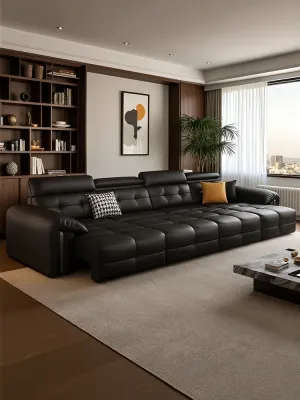

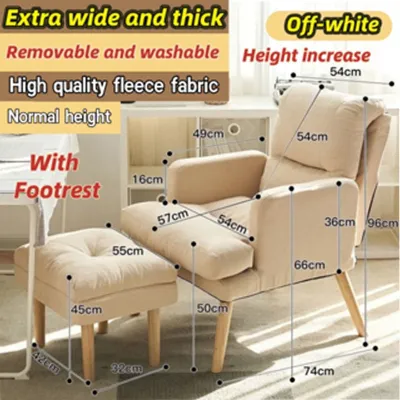
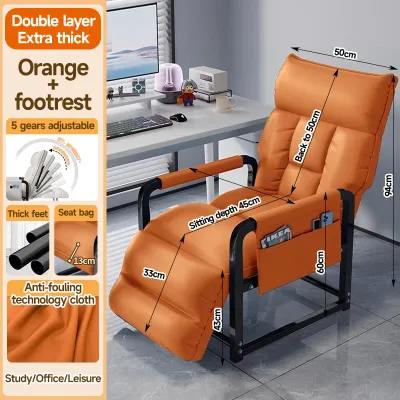
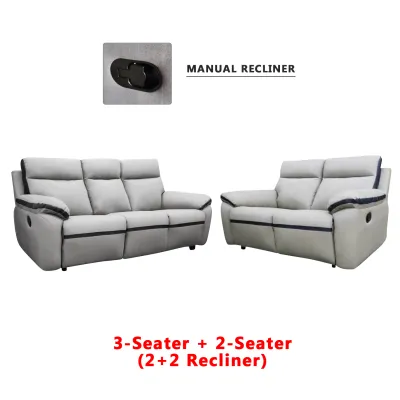
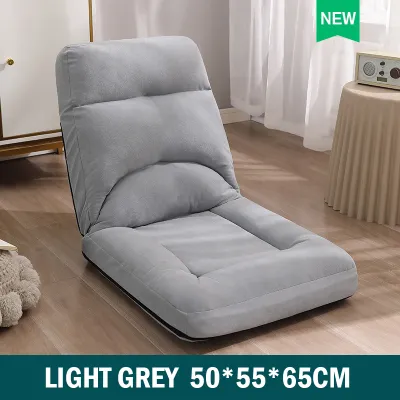
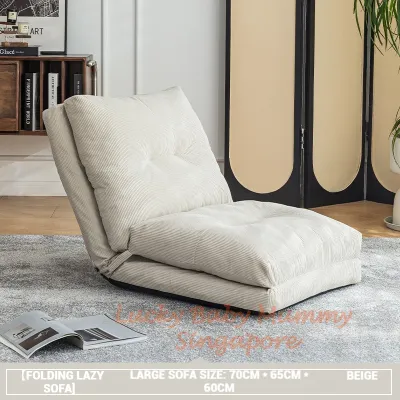
Prices are valid at publication and may change. Please refer to the product page for the latest price.
Beyond the living room layout, you must map the delivery pathway from the unloading bay to your living room. Measure the height and width of your apartment’s main door, internal corridors, and any tight corners. For high-rise living, check the elevator door width, internal height, and diagonal clearance to ensure the delivery team can transport the sofa without damage.
Visual weight also plays a significant role in compact living rooms. Recliners are naturally bulkier than standard sofas due to their internal machinery and padded frames. Choosing a model with slimmer armrests, elevated legs, or a lighter fabric tone can prevent the sofa from visually overwhelming a small HDB living room.
Evaluating Fabric Durability and Mechanism Quality
Fabric selection directly impacts both comfort and longevity, especially in Singapore’s tropical climate. High-density synthetic blends, such as polyester or nylon microfibers, offer excellent durability and resistance to wear. Tight weaves are generally more resistant to snagging and stretching over time compared to loose, textured weaves.

Breathability is essential for comfort during warm afternoons. While synthetic performance fabrics are highly durable, look for options specifically engineered for air permeability to prevent heat retention. Some modern fabrics feature moisture-wicking properties or specialized liquid-resistant treatments that allow spills to bead up on the surface for easy cleaning.
The reclining mechanism is the mechanical heart of the sofa, available in manual or motorized configurations. Manual systems rely on a physical lever or pull-tab, offering faster operation and eliminating the need for proximity to electrical outlets. However, they require physical effort to close and offer fewer intermediate reclining angles.
Motorized systems provide smooth, incremental adjustments at the touch of a button, allowing you to find the exact angle of comfort. When testing motorized options, listen closely to the motor’s sound; a high-quality motor should operate with a quiet, consistent hum without grinding or stuttering. Ensure the control panel is easily accessible and intuitive to use.
Inspecting the internal frame is crucial for long-term stability. A reliable recliner frame is typically constructed from kiln-dried hardwood or heavy-duty steel to support the shifting weight of a reclining body. Check the manufacturer’s specifications for joint construction, prioritizing frames reinforced with corner blocks, screws, and dowels rather than simple staples or glue.
Vetting Brands and Retailer Support
A fabric recliner is a complex piece of furniture, making after-sales support and warranty coverage essential selection criteria. When comparing brands in Singapore, scrutinize the warranty details carefully. A comprehensive warranty should separate coverage into distinct tiers: a long-term warranty for the structural frame (often 5 to 10 years), a mid-term warranty for the reclining mechanism and motors (typically 2 to 5 years), and a shorter warranty for the fabric upholstery and foam cushioning.
Physical testing is indispensable before making a final decision. Visit local showrooms to experience the sofa’s comfort firsthand rather than relying solely on online descriptions. Showroom visits allow you to assess the responsiveness of the sales staff and verify if the brand has a dedicated local service team capable of handling repairs and part replacements in your home.
Clarify the retailer’s delivery and assembly policies before purchasing. Because recliners are heavy and contain delicate mechanical parts, professional assembly is highly recommended. Inquire about delivery lead times, especially for customized fabric options, and confirm the exact fees for walk-up deliveries if your building lacks elevator access.
Understand the retailer’s policy regarding manufacturing defects and returns. A reputable brand should provide a clear protocol for reporting issues discovered upon delivery, such as misaligned mechanisms, loose stitching, or electrical faults in motorized models. Ensure these terms are documented in writing on your sales agreement.
Planning Your Showroom Visit and Final Decision
When you visit a furniture showroom, approach the testing process systematically. Sit in the recliner for at least ten to fifteen minutes in various positions. Check that your feet rest comfortably on the floor when the sofa is closed, and that the headrest provides adequate neck support without pushing your head forward.
Test the lumbar support by paying attention to any gaps between your lower back and the backrest. The cushioning should feel supportive rather than overly soft, as high-density foam retains its shape and support much longer than low-density alternatives. Operate the reclining mechanism multiple times to ensure the transition is smooth and the base remains completely stable without tipping or rocking.
Prepare a list of specific questions for the showroom representatives. Ask about the recommended cleaning methods for the specific fabric weave, whether the motorized models include a battery backup system, and the exact dimensional tolerances of the frame. This information ensures you select a model that fits your home’s physical space and your household’s maintenance habits.
Finally, balance your aesthetic preferences with practical realities. While a light-colored, textured fabric may match your interior design vision, a darker, stain-resistant performance fabric might be more practical if you have young children or pets. Weigh the upfront cost against the expected lifespan of the materials and mechanisms to find the best value for your home.
Frequently Asked Questions (FAQ)
Do motorized fabric recliners require special electrical planning?
Motorized fabric recliners require proximity to a standard electrical outlet to function. If your living room layout places the sofa away from walls, you will need to plan for cable management to prevent tripping hazards, using low-profile floor cord protectors or running cables under rugs. Some premium motorized models offer optional rechargeable lithium-ion battery packs, allowing you to place the recliner in the center of the room without visible power cords.
How should I maintain fabric recliners in a humid climate?
Maintaining a fabric recliner in Singapore’s humid climate requires regular preventive care to prevent moisture buildup and dust mite accumulation. Vacuum the upholstery weekly using a soft brush attachment, paying close attention to the crevices where dust and debris gather. Ensure your living room is well-ventilated, using dehumidifiers or air conditioning during particularly humid periods, and always consult the manufacturer’s care label before applying any liquid fabric cleaners or protective sprays.

Community discussion
Share your experience or ask a question. Comments are reviewed before publication.