
Finding a reliable entrance shoe bench in Singapore requires balancing daily seating stability with smart storage, especially given the compact entryways of local apartments. To secure the best quality and value, you must look beyond aesthetic appeal and evaluate how a bench handles the local humid climate, fits within strict spatial limits, and supports your household’s daily routine. Taking the time to assess materials, construction details, and installation constraints ensures your entryway remains safe, organized, and welcoming.
Defining Quality and Value for Your Entryway
Evaluating quality and value begins with identifying how your household will interact with the shoe bench on a daily basis. A home with multiple family members requires a robust, high-capacity seating surface that can withstand frequent weight shifts every morning and evening. Conversely, a single occupant or a couple might prioritize a compact design with specialized storage slots over heavy-duty load capacities. Defining these primary use cases prevents you from overpaying for industrial-grade durability you do not need, or conversely, buying a fragile decorative piece that quickly wears out under heavy daily use.
Storage capacity must be carefully balanced against the available seating surface area. A bench that is too long may obstruct your front door, while one that is too short might not offer enough seating space for comfortable use. Consider your household’s shoe volume and the types of footwear you own; high-top sneakers and boots require taller shelf clearances, whereas flats and sandals can be stacked closely. Choosing a bench with adjustable shelving or a mix of open and closed compartments allows you to customize the storage layout without expanding the furniture’s overall footprint.
Products mentioned in this guide
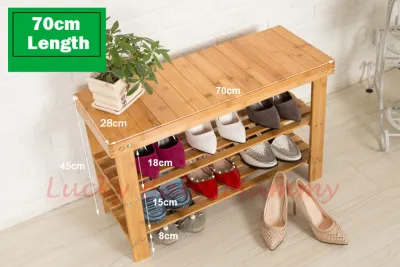
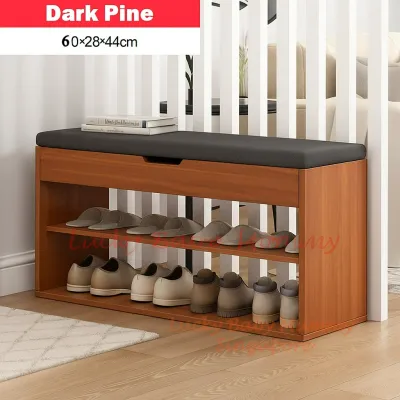
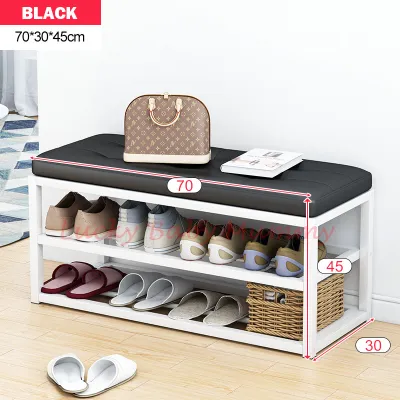
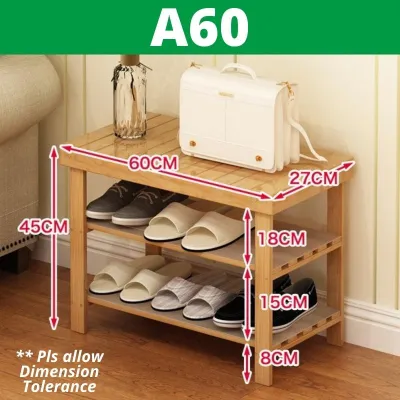
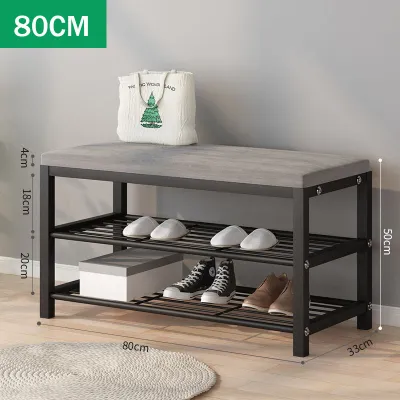
Prices are valid at publication and may change. Please refer to the product page for the latest price.
Brand reliability is often reflected in the transparency of after-sales support, warranty terms, and return policies. When shopping, look for brands that provide clear documentation regarding structural warranties, which typically cover frame stability and joint integrity. A reliable brand should also offer a straightforward return policy for items that arrive with manufacturing defects or transit damage. Checking these policies beforehand protects your investment and ensures you have a clear path of recourse if the product does not meet expectations upon delivery.
Navigating Retail Channels and Brand Categories
Mass-market furniture retailers are excellent sources for standardized sizing, immediate availability, and budget-friendly options. These brands typically produce furniture in high volumes, which keeps costs predictable and allows you to view physical floor models in local showrooms before purchasing. The trade-off is that mass-market designs may not perfectly fit irregular entryway alcoves, and the materials used are often standardized engineered woods that require careful handling to prevent moisture damage.

For entryways with awkward angles, structural pillars, or highly specific design themes, specialized local carpentry and custom built-in services offer a tailored alternative. Custom carpentry allows you to maximize every square centimeter of your foyer, integrating the shoe bench seamlessly with existing wall paneling or electrical distribution board (DB) box covers. While this route requires a higher initial investment and longer lead times for design and fabrication, it eliminates wasted space and ensures the bench matches your home’s interior architecture perfectly.
Online marketplaces and direct-to-consumer brands provide an extensive variety of styles, often at highly competitive prices. When navigating these digital platforms, it is crucial to verify seller ratings and read detailed buyer reviews, focusing particularly on photos uploaded by previous customers to assess the true color and texture of the materials. Additionally, pay close attention to assembly requirements; some online purchases arrive fully assembled, while others require extensive DIY assembly using basic household tools, which can impact the overall stability of the finished piece if not done correctly.
Inspecting Materials and Construction Details
To assess the physical build quality of a shoe bench, start by examining the frame materials and joinery. Solid wood frames offer excellent longevity and natural weight resistance, but they must be properly sealed to withstand Singapore’s high humidity. If the bench is constructed from engineered wood, such as medium-density fiberboard (MDF) or particleboard, inspect the edge banding closely to ensure there are no gaps where moisture could seep in and cause the material to swell or warp. Metal frames should feature smooth, consistent welds and a rust-resistant powder coating to prevent corrosion over time.
Cushioning and upholstery require equal scrutiny if you select a padded bench. High-density foam is preferred for seating because it recovers its shape quickly after pressure is applied, preventing the saggy appearance common in low-grade cushions. Look for removable and washable cushion covers, which make long-term maintenance significantly easier. If the fabric is non-removable, check the product label for stain-resistant treatments or synthetic fiber blends that can be easily spot-cleaned with a damp cloth.
Hardware quality is a reliable indicator of overall craftsmanship. Test any drawers or cabinet doors to ensure they operate smoothly without sticking, grinding, or squeaking. High-quality drawer slides and soft-close hinges prevent slamming, which protects the structural joints of the bench from repetitive impact shock. If you are assembling a flat-pack bench yourself, verify that all metal fasteners, dowels, and brackets fit tightly into their pre-drilled holes without stripping the surrounding material.
Measuring Space and Checking Installation Constraints
Before finalizing your purchase, precise spatial measurements are essential to ensure safe passage through your entryway. Measure the total width and depth of your foyer, taking into account the swing path of your main door, safety gate, and any adjacent shoe cabinets. The bench must not protrude into the main walkway, as a cramped entrance can create a tripping hazard and make carrying groceries or large items into the home difficult. Aim to maintain a clear, unobstructed path that allows at least one person to stand comfortably next to the bench while the front door is fully open.
In Singapore, housing corridor regulations must also be factored into your placement plans, especially if you reside in an HDB flat and intend to place the bench outside your unit. Civil defense and fire safety guidelines require maintaining a minimum clear escape passage along common corridors, typically measuring 1.2 meters. Placing a bulky shoe bench in a narrow corridor can violate these safety standards and obstruct emergency evacuation routes, so always verify your local estate’s specific corridor clearances before positioning any furniture outside.
Logistical access during delivery is another critical constraint that is easily overlooked. Measure the height, width, and depth of your building’s lift cabin, as well as the clearance of your front doorway, to ensure a pre-assembled bench can be brought inside safely. If your building does not have lift access or if the item is too large for the elevator, check the turning radiuses of the stairwells. Confirming these delivery routes beforehand prevents unexpected handling fees or the frustration of a delivery that cannot physically enter your home.
Planning for Long-Term Maintenance and Safety
Maintaining your shoe bench’s appearance and structural integrity requires routine care tailored to its specific materials. For wooden and metal surfaces, regular dusting with a dry microfiber cloth is usually sufficient, while occasional spills should be wiped up immediately to prevent water spots or rust. Avoid using harsh chemical solvents or abrasive scrubbing pads, which can strip away protective topcoats and leave the material vulnerable to environmental wear. Fabric cushions should be vacuumed regularly to remove dust and outdoor debris brought in on footwear.
Over time, regular use can cause the structural components of any seating furniture to shift. Periodically inspect your shoe bench for signs of wear, such as loose screws, wobbling legs, or hairline cracks in the support slats. If you notice any instability, tighten the hardware immediately using the appropriate tools. Ignoring minor wobbles can place uneven stress on the joints, leading to sudden structural failure when weight is applied.
Establish clear stopping conditions to determine when a bench is no longer safe to use. If you observe deep structural cracks in load-bearing wooden beams, severely bent metal supports, or joints that remain loose even after tightening, cease using the bench as a seat immediately. Continuing to sit on a compromised bench poses a significant fall risk. At this stage, you should either contact a professional repair service to reinforce the frame or replace the unit entirely to ensure household safety.
Frequently Asked Questions (FAQ)
What is a safe weight capacity for a shoe bench?
To determine a safe weight capacity, you must locate and adhere to the manufacturer’s stated maximum load limit, which is typically found on the product specification sheet or assembly manual. Do not rely on general assumptions, as weight capacities vary widely based on the bench’s materials, length, and support structure. Real-world stability is also heavily influenced by weight distribution; sitting directly over a support leg is safer than placing all your weight on the unsupported center of a long span. Additionally, ensure the bench is placed on a perfectly level floor to prevent tipping or uneven stress on the frame.
Should you choose custom carpentry or ready-made retail brands?
Choosing between custom carpentry and ready-made retail brands depends on your budget, timeline, and living situation. Custom carpentry offers superior space utilization, allowing you to design a bench that fits perfectly into irregular alcoves and matches your home’s exact aesthetic, though it comes with higher costs and permanent installation. Ready-made retail brands offer immediate availability, lower upfront costs, and the flexibility to move the furniture if you rearrange your layout or relocate to a new home, making them highly suitable for renters or those seeking a quick, cost-effective entryway solution.

Community discussion
Share your experience or ask a question. Comments are reviewed before publication.