
Finding the right tv console 140cm wide is a critical step in designing a functional and visually balanced living room in Singapore. This specific size—roughly 4.6 feet—is highly popular among local homeowners because it fits comfortably into compact HDB BTO flats and modern condominium layouts. It offers a stable base for standard television sizes while leaving adequate wall space to prevent the room from feeling cramped.
Selecting the ideal console requires more than choosing an attractive design. You must evaluate physical dimensions, storage configurations, and material resilience against Singapore’s high-humidity climate. By understanding how to plan your layout and what specifications to verify, you can select a piece that enhances both your home’s aesthetic and its daily functionality.
Assessing Your Space for a 140cm TV Console: Clearance, Proportions, and TV Size Compatibility
When planning your living room layout, measuring your available wall space is the first essential step. A 140cm console should not occupy the entire length of a partition wall or feature wall. To maintain a sense of visual balance, aim to leave at least 20cm to 30cm of empty space on both sides of the unit. This visual “breathing room” prevents the furniture from looking squeezed into the corner, which is especially important in narrower living room designs. In a typical 3-meter-wide living room wall, a 140cm console occupies just under half the width, leaving a balanced area for floor lamps, indoor plants, or air purification units.
Products mentioned in this guide
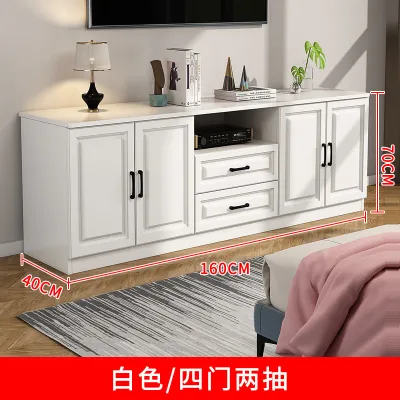
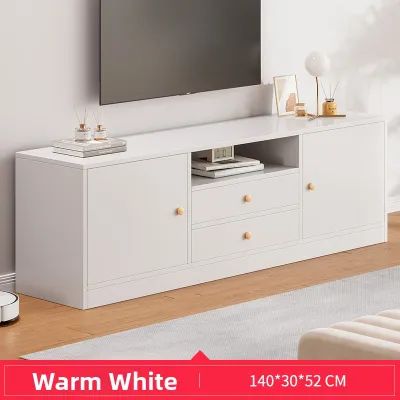
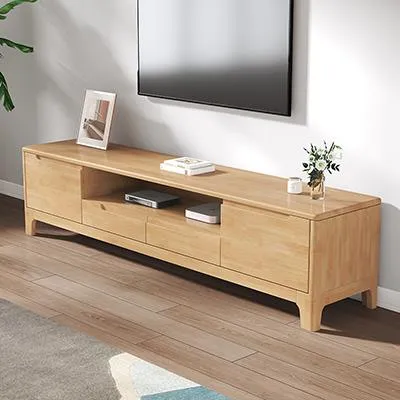
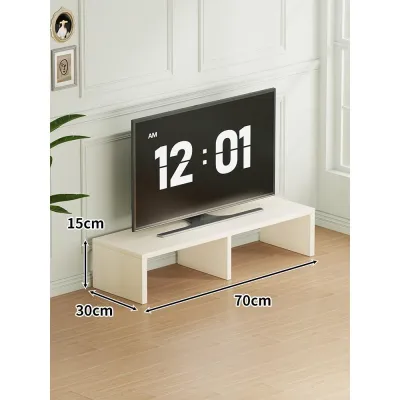
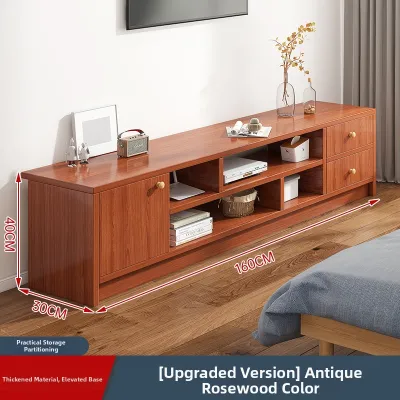
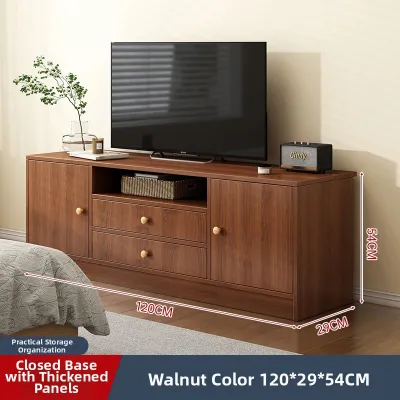
Prices are valid at publication and may change. Please refer to the product page for the latest price.
Matching your television size to the console width is equally important for safety and aesthetics. A 140cm console is ideal for TVs up to 55 inches. A standard 55-inch television has a physical width of approximately 121cm, which leaves a comfortable 9.5cm margin on either side of the console’s top surface. While a 60-inch TV (about 133cm wide) can fit, the margins are narrow. Avoid placing a 65-inch television (about 145cm wide) directly on a 140cm console, as the screen will overhang the edges, creating a top-heavy appearance and increasing the risk of accidental bumps.
Walkway clearance and viewing distances are also critical factors in typical Singapore apartments. Ensure there is at least 60cm of clear walkway space between the front of the console and your coffee table or sofa. If your chosen console features drawers or hinged doors that open outward, add the depth of those fully extended compartments (typically an additional 30cm to 40cm) to your measurements. This ensures that you can access your stored items comfortably without blocking traffic paths through the living room.
Choosing the Right Style and Material for Your Living Room
Scandinavian and Minimalist Designs
Scandinavian and minimalist designs are excellent choices for maximizing the perception of space in compact living areas. These styles typically rely on clean, horizontal lines, light wood tones like oak, ash, or rubberwood, and handle-less drawers with push-to-open mechanisms. By minimizing visual clutter, these consoles help create a bright, airy atmosphere that complements the natural light coming from balcony doors.

Choosing a console with elevated legs—ideally between 12cm and 15cm off the floor—adds to this sense of visual lightness. This elevation is also highly practical for local homes, as it provides sufficient clearance for robotic vacuum cleaners to pass underneath without getting stuck. Matte finishes are preferred in these designs, as they reduce glare from overhead lighting and are less prone to showing fingerprints.
Industrial and Mid-Century Modern Aesthetics
For homeowners who prefer a bolder design statement, industrial and mid-century modern aesthetics offer rich textures and distinctive structural features. Mid-century modern units often showcase warm walnut wood grains, tapered legs, and sliding slatted doors. Industrial designs, on the other hand, frequently pair dark-stained timber with matte black powder-coated steel frames.
When integrating these darker, heavier styles, it is important to balance their visual weight with the rest of your decor. A dark walnut or black metal console can make a small room feel enclosed if the surrounding walls are dark. Pair these pieces with lighter wall colors, soft ambient lighting, or indoor plants to soften the overall look and keep the living room feeling warm and inviting.
Evaluating Materials and Surface Finishes
In Singapore’s tropical climate, high relative humidity can cause rapid deterioration of poorly made furniture. When shopping, do not rely solely on generic material names like “solid wood” or “engineered wood.” Instead, check the manufacturer’s specifications for the exact surface treatments and edge banding quality.
Unsealed MDF (Medium-Density Fibreboard) or low-grade particleboard can absorb moisture from the air, leading to warping, swelling, and peeling veneer. Look for consoles constructed with high-pressure laminates (HPL), water-resistant melamine coatings, or solid wood sealed with protective polyurethane finishes. Inspect the edge banding on drawers and corners; seamless, heat-activated edge banding is crucial for preventing moisture penetration and ensuring long-term durability.
Essential Functional Features and Storage Configurations
The storage layout of your console should align with the specific electronic devices and media accessories you own. Open shelving is highly practical for media players, game consoles, and smart hubs because it allows unobstructed infrared signals from remote controls and promotes natural airflow to prevent electronics from overheating. However, open shelves require regular dusting and expose messy wiring to plain view. Closed cabinets or drawers keep visual clutter hidden and shield your items from dust, but they require you to open the doors during device operation unless the doors are made of infrared-permeable materials like tinted glass or slatted wood.
A clean, wire-free look requires a dedicated cable management system. Look for TV consoles equipped with pre-drilled cable grommets in the back panel of each compartment. Ensure the console has a depth of at least 40cm to accommodate bulky power adapters, HDMI cables, and power strips behind your devices. Some advanced designs feature a recessed back panel or a dedicated cable management channel, allowing the console to sit completely flush against the wall without pinching the power cords.
Standard electronic components vary significantly in height. Opt for a console with adjustable internal shelving, which allows you to customize the compartment heights for taller items like vertical gaming consoles or audio receivers. If you use external hard drives, smart home hubs, or routers, dedicated compartments with ventilation cutouts will help maintain optimal operating temperatures and prolong the lifespan of your electronics.
Before loading your console with heavy soundbars, amplifiers, and decorative items, always check the manufacturer’s stated weight limits. While a typical modern television is relatively lightweight, older high-end audio equipment, vinyl players, and extensive book collections can exert significant downward force. Ensure the top surface and individual internal shelves are rated to support your specific gear setup to prevent sagging or structural failure over time.
Pre-Purchase Checks: Delivery, Assembly, and Structural Safety
Before placing your order, trace the physical path the packaged console must travel to reach your living room. Measure the height and width of your main entrance doorway, any tight hallway corners, and the internal dimensions of your condominium or HDB lift. A 140cm console is relatively compact, but its shipping box can be significantly larger and may not fit into smaller passenger lifts if delivered fully assembled. Verify these dimensions with the retailer to avoid delivery failures or additional handling fees.
Many online furniture purchases require self-assembly or professional on-site installation. If you choose to assemble the unit yourself, review the manufacturer’s instruction manual beforehand to ensure you have the necessary tools, such as a rubber mallet, spirit level, and screwdriver. When placing the assembled console in its final position, use a spirit level to check for floor unevenness, which is common in older buildings. Many modern consoles feature adjustable leveling feet; use them to stabilize the unit, as an uneven base puts uneven stress on joints and can cause doors to misalign.
Structural safety is paramount, particularly in households with young children, elderly family members, or active pets. Even a low-profile 140cm console can tip forward if heavy drawers are fully extended or if a child attempts to climb it. If you plan to place a heavy TV directly on top of the console rather than wall-mounting it, the risk of tipping increases. Always follow the manufacturer’s specific anchoring instructions and use the provided wall-mounting safety straps. Be sure to use the correct wall plugs for your wall type—concrete wall plugs for standard HDB structural walls, or toggle bolts for drywall partitions.
Frequently Asked Questions (FAQ)
What TV size is suitable for a 140cm console?
For optimal visual balance and safety, a 140cm console is best suited for televisions up to 55 inches. A standard 55-inch TV is roughly 121cm wide, leaving a clean 9.5cm border on both sides of the screen. While you can technically place a 60-inch TV (approximately 133cm wide) on a 140cm console, the margins will be very narrow. Avoid placing a 65-inch or larger TV on top of a 140cm console, as the screen will overhang the edges, creating a top-heavy look and increasing the risk of accidental damage.
How do I manage cables in a TV cabinet effectively?
To keep your entertainment center organized, start by routing all power and connection cables through the console’s built-in grommets or rear cutouts. Group adjacent cables together using reusable Velcro ties or flexible cable sleeves rather than plastic zip ties, which are difficult to adjust later. Mount a multi-plug power strip inside one of the closed cabinet compartments or attach it to the back panel of the console using heavy-duty double-sided tape. Ensure there is at least 5cm of clearance around power adapters to allow heat dissipation and prevent overheating.
Do I need to anchor a 140cm TV console to the wall?
Yes, anchoring is highly recommended, especially if you have young children or pets, or if you plan to place a heavy television directly on top of the unit. Pulling out multiple fully loaded drawers can shift the center of gravity forward, causing the console to tip. Always use the anti-tip hardware supplied by the manufacturer. If you are securing the unit to a solid concrete wall typical of Singaporean homes, use a masonry drill bit and plastic wall plugs. For hollow drywall partitions, ensure you use specialized toggle bolts or anchor directly into the timber studs.
Community discussion
Share your experience or ask a question. Comments are reviewed before publication.