
Selecting a 120×190 cm mattress in Singapore requires a careful balance of size verification, firmness matching, and brand policy evaluation. This specific dimension, often referred to as a small double or wide single, is wider than the standard local Single (91×190 cm) and Super Single (107×190 cm). Because it is a non-standard size in the local mass market, finding a high-quality option means looking beyond generic retail displays to verify exact specifications and custom-order terms.
To secure the ideal mattress, you must first align the firmness level with your primary sleeping posture to ensure proper spinal alignment. Next, you must verify the physical dimensions of your bed frame and home access routes to prevent delivery complications. Finally, evaluating brand-specific warranties and sleep trial policies will protect your investment, ensuring that your chosen mattress delivers long-term comfort and support.
Matching Firmness Levels to Your Sleep Profile
Firmness is the most critical factor in determining sleep quality, as it directly influences how your spine aligns throughout the night. Because there is no universal industry standard for mattress firmness, manufacturers use subjective scales, typically ranging from 1 (extremely soft) to 10 (extremely firm). Understanding how your body weight and preferred sleeping position interact with these levels is the first step in narrowing down your options.
Products mentioned in this guide
![[Inence] Customized Mattress Student Dormitory Children Floor Bunk 50607075808590110 * 170 * 180 * 19014 xfFi](https://img.lazcdn.com/g/p/7f435230273226f2a24b2b802e984a34.jpg_webp_400x400q80.jpg_.webp)
![[1-2 day delivery ] Single size and Queen Size Foam Mattress](https://img.lazcdn.com/g/ff/kf/S53f34f438945453bac9eb7ad88f413a5N.jpg_400x400q80.jpg_.webp)
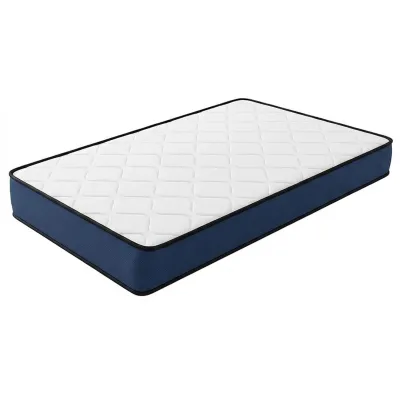
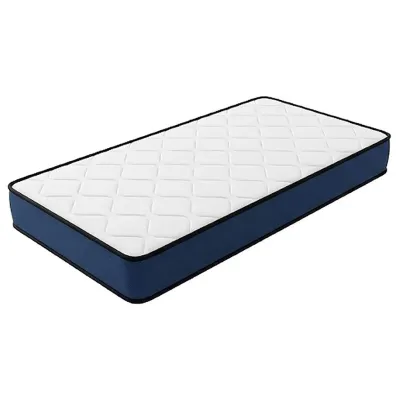
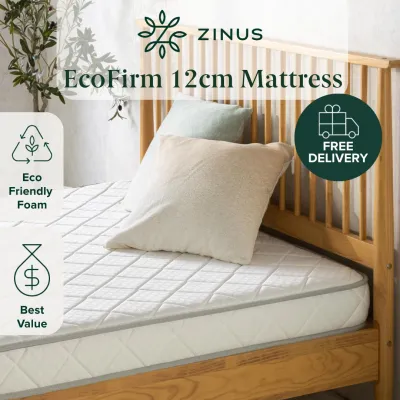
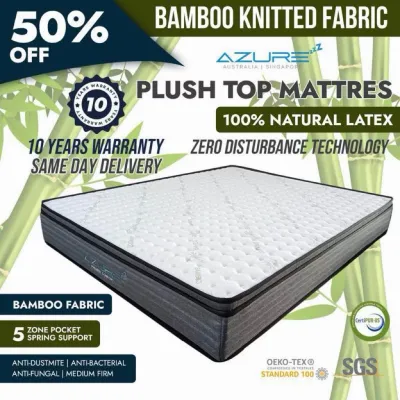

Prices are valid at publication and may change. Please refer to the product page for the latest price.
Soft to Medium-Soft (Ratings 3 to 5)
Soft to medium-soft mattresses are designed to provide deep contouring and pressure relief. When you sleep on your side, your shoulders and hips protrude significantly, creating concentrated pressure points that can cut off circulation and cause tossing and turning. A softer surface allows these heavier areas to sink sufficiently into the comfort layers, keeping the spine in a straight, neutral horizontal line.
However, softer mattresses are generally less suitable for back or stomach sleepers. Without sufficient upward resistance, the heavier pelvic region sinks too deep into the mattress, arching the lower spine unnaturally and leading to chronic lower back pain. If you choose a softer model, look for brands that incorporate resilient comfort materials, such as natural latex or high-density memory foam, which contour without bottoming out.
Medium to Medium-Firm (Ratings 5 to 7)
Medium to medium-firm mattresses represent the most versatile category, often recommended for combination sleepers who shift positions during the night. This firmness range strikes a balance between surface cushioning and structural support. It provides enough give to cushion the shoulders and hips when side sleeping, while offering enough resistance to support the lower back when rolling onto your back.
For individuals of average body weight, a medium-firm mattress prevents the sensation of being trapped in the foam, making it easier to change positions. When evaluating brands, check if the mattress utilizes a zoned support system. Zoned mattresses feature firmer support in the middle third to support the hips and softer zones at the head and foot, optimizing alignment across multiple sleeping postures.
Firm to Extra-Firm (Ratings 7 to 9)
Firm to extra-firm mattresses prioritize structural alignment and surface stability over deep contouring. This range is highly recommended for dedicated back and stomach sleepers, as well as individuals with heavier body weights. When sleeping on your stomach, a soft mattress allows the midsection to sag, placing severe strain on the lumbar spine; a firm surface keeps the hips level with the shoulders.
Back sleepers also benefit from a firmer surface that supports the natural S-curve of the spine without allowing the pelvis to drop. If you prefer an extra-firm feel, ensure the mattress still features a thin, high-quality comfort layer on top. A completely rigid surface with no cushioning can create pressure points on the shoulder blades and tailbone, leading to discomfort.
Verifying 120×190 Dimensions and Room Fit
Before purchasing a 120×190 cm mattress, you must carefully verify its physical compatibility with your existing furniture and home layout. In Singapore, standard mattress sizes follow specific regional dimensions that differ from international standards. Misunderstanding these differences can lead to costly return fees or unusable furniture setups.

Bed Frame Compatibility
Confirm the exact inner dimensions of your bed frame before ordering a 120×190 cm mattress. A standard Singapore Single measures 91×190 cm, while a Super Single measures 107×190 cm. A 120×190 cm mattress is significantly wider than both, meaning it will not fit onto standard local single or super single frames.
If you attempt to place a 120×190 cm mattress on a smaller frame, the mattress will overhang the edges, destroying its structural integrity, voiding the warranty, and creating a tipping hazard. Conversely, placing it on a standard Queen frame (152×190 cm) will leave a substantial 32 cm gap, causing the mattress to slide and exposing the hard slats of the frame. Always source a frame specifically designated for 120×190 cm dimensions.
Delivery and Access Clearance
Measuring your home’s entry points is just as important as measuring the bed frame. A 120×190 cm mattress, particularly high-thickness hybrid or pocketed spring models, can be heavy and rigid. You must measure the height, width, and diagonal clearance of your apartment’s doorways, corridors, and elevator doors.
If your building requires using the stairwell, check the clearance at every turn and landing. Many modern mattresses are delivered compressed and rolled in a box, which simplifies delivery significantly. However, once unboxed and fully expanded, the mattress cannot be re-compressed, making subsequent moves or returns highly dependent on clear pathways.
Room Layout and Clearance
To maintain a comfortable and functional bedroom, calculate the clearance around the bed frame once the 120×190 cm mattress is installed. Interior designers recommend maintaining a minimum of 60 cm of walking space on any open side of the bed. This space is necessary for comfortable movement, making the bed, and cleaning.
Additionally, check the swing radius of nearby wardrobe doors, bedroom entry doors, and desk drawers. If space is tight, consider a bed frame with integrated under-bed drawers, but ensure you have enough floor clearance to pull them out fully. A 120×190 cm bed is an excellent space-saving compromise for small rooms, but only if the surrounding layout is planned precisely.
Evaluating Mattress Brands and Retail Channels
Because the 120×190 cm size is non-standard in Singapore, your choice of brands and retail channels requires extra scrutiny. Many mass-market retailers do not stock this size on their showroom floors, meaning you will often need to navigate online platforms, specialized importers, or custom-order services.
Sleep Trials and Return Policies
When buying a mattress, especially online or in a non-standard size, a comprehensive sleep trial is invaluable. It takes the body up to four weeks to adjust to a new sleep surface. Look for brands that offer a trial period of at least 100 nights, allowing you to test the mattress in your own home.
However, you must read the terms and conditions carefully. Verify whether the trial applies to the 120×190 cm size, as some brands exclude custom or non-standard dimensions from their return policies. Check if there are return fees, such as pickup charges or restocking fees, and confirm whether the returned mattress must be in pristine condition or if a mattress protector is required during the trial.
Warranty Coverage and Sagging Depth
A long warranty is a common marketing point, but the actual protection lies in the specific clauses. Standard mattress warranties range from 5 to 15 years, but they primarily cover manufacturing defects rather than gradual wear and tear. The most critical clause to inspect is the allowable sagging depth.
Most warranties only cover visible indentations if they exceed a specific depth, such as 2.5 cm or 3.8 cm, when no weight is applied to the mattress. Furthermore, the warranty is usually conditional on using an appropriate, supportive bed base. A sagging center support on a cheap bed frame can cause the mattress to sag, which will void your mattress warranty. Ensure you understand these requirements before finalizing your purchase.
Sourcing and Custom Orders
When searching for a 120×190 cm mattress, ask brands directly if this size is part of their standard production line or if it requires a custom order. Standard production models are typically cheaper and eligible for standard return policies. Custom orders, where a manufacturer cuts down a larger size or builds a custom run, often come with a price premium and are usually non-refundable.
Compare purchasing through official brand showrooms, authorized furniture retailers, and reputable online marketplaces. Showrooms allow you to test other sizes of the same model to gauge firmness, while online marketplaces may offer competitive pricing. Always verify that the seller is an authorized distributor to ensure your warranty is valid and recognized by the manufacturer.
Inspecting Materials and Construction for Durability
To ensure your 120×190 cm mattress maintains its shape and support over years of use, you must look past marketing buzzwords and inspect the actual materials and construction specifications. High-quality components prevent premature sagging and maintain the intended firmness level.
Core Support Layers
The core of the mattress provides the primary upward support and determines the overall durability of the bed. Pocketed spring systems are highly regarded for their ability to contour to the body while isolating motion. When evaluating pocketed springs, check the coil count and wire gauge if the manufacturer provides them; a higher coil count generally indicates more precise support.
For foam cores, look for high-density polyurethane foam. Low-density foams degrade rapidly under body weight, leading to permanent body impressions within a few years. A durable foam core should have a density rating of at least 30 kg/m³ for base support layers. If the brand does not disclose these specifications, ask their customer service for technical data sheets.
Comfort Layer Materials
The comfort layers sit on top of the support core and determine the initial feel and pressure relief of the mattress. Common materials include memory foam, natural latex, and synthetic gel foams. Each material has distinct physical properties that affect temperature regulation and movement.
- Natural Latex: Highly resilient, responsive, and naturally breathable due to its open-cell structure. It is excellent for Singapore's humid climate as it does not trap body heat.
- Memory Foam: Offers exceptional pressure relief by contouring closely to the body. However, traditional memory foam tends to retain heat. Look for open-cell formulations or gel infusions designed to mitigate heat retention.
- Pillow Tops and Euro Tops: Additional layers stitched to the top of the mattress. While they provide immediate plushness, ensure the underlying foam is high-density to prevent these top layers from flattening prematurely.
Edge Support and Cover Fabrics
Edge support is crucial for maximizing the usable surface area of a 120×190 cm mattress. Without strong edge support, the sides of the mattress will compress deeply when you sit on the edge or sleep near the border, giving you the sensation of rolling off. Look for mattresses with reinforced foam perimeters or thicker gauge coils around the outer edges.
Finally, inspect the mattress cover. In a tropical climate, a breathable, moisture-wicking cover fabric is essential. Materials like Tencel, bamboo-derived rayon, or cool-touch synthetic fibers help dissipate heat. A removable, washable cover is highly beneficial for maintaining hygiene, as it allows you to wash away sweat, dust mites, and allergens easily.
Frequently Asked Questions (FAQ)
Is a 120×190 mattress considered a standard Single or Super Single in Singapore?
No, a 120×190 cm mattress is not a standard Single or Super Single size in Singapore. The standard Singapore Single measures 91×190 cm, and the Super Single measures 107×190 cm. A 120×190 cm mattress is wider than both and is often classified internationally as a small double, three-quarter bed, or wide single. Because it is non-standard locally, you must ensure your bed frame is specifically designed for these exact dimensions, as standard local frames will not fit.
How can I test mattress firmness accurately when buying online?
To test mattress firmness accurately when purchasing online, rely on structured evaluation methods rather than subjective product descriptions. First, look for brands that offer risk-free sleep trials of 100 nights or more, which allow your body to adjust to the mattress in your own home. Second, read verified customer reviews, specifically filtering for feedback from individuals with similar body weights and sleeping positions. Finally, check if the brand offers adjustable firmness options, such as flippable designs with different firmness levels on each side, or interchangeable comfort layers that can be swapped after delivery.
Community discussion
Share your experience or ask a question. Comments are reviewed before publication.