
With hybrid work arrangements remaining a permanent fixture for many professionals in Singapore, finding the right ergonomic office chair is no longer just about home decor—it is a critical investment in long-term spinal health. Sitting for eight or more hours a day puts immense cumulative strain on the lumbar spine, neck, and shoulders. While many products claim to be ergonomic, the actual support they provide varies wildly, leaving remote workers to navigate a crowded market of local showrooms, international brands, and cheap online imports.
Determining which brand offers the best value is not a matter of finding a single, universally perfect chair. Instead, true value is highly conditional, depending on your daily usage patterns, your physical proportions, and your budget. By analyzing the market through structured brand tiers, understanding the engineering that supports the human body, and calculating the long-term cost per year of ownership, you can make an informed decision that protects both your posture and your wallet.
Quick Answer: Which Brand Tier Offers the Best Value?
The best value ergonomic chair brand is determined by your daily sitting hours and how many years you expect the chair to last. Because physical support and durability requirements scale with use, the market is best understood through three distinct brand tiers, each offering a different value proposition.
Products mentioned in this guide
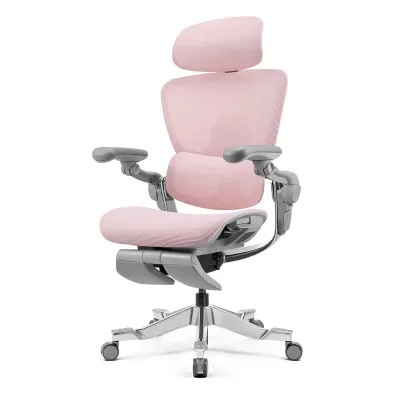
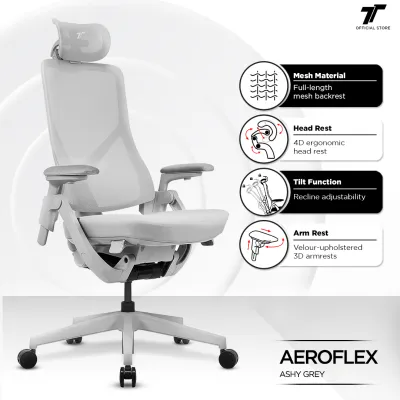
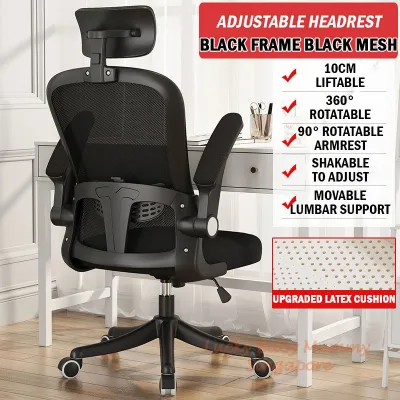
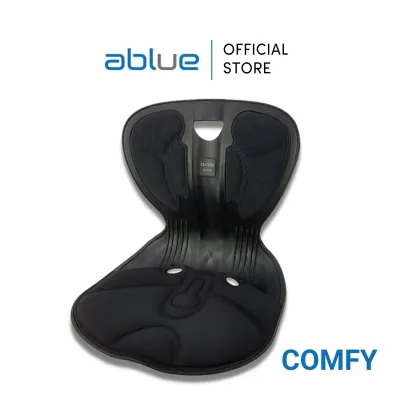
Prices are valid at publication and may change. Please refer to the product page for the latest price.
For professionals who sit at their desks for eight or more hours daily, premium heritage brands offer the best long-term value. Although their upfront cost is high, their comprehensive 10-to-12-year warranties and superior materials mean you are paying a low amortized cost over a decade of reliable, daily use. These chairs are engineered to maintain their structural integrity and tension, preventing the physical fatigue and chronic pain associated with inferior seating.
For standard work-from-home setups averaging four to eight hours of daily use, regional direct-to-consumer (DTC) brands offer the most balanced immediate value. These brands provide advanced physical adjustability, local customer support, and Singapore-based showrooms where you can physically test the chairs before buying. They typically cost between S$400 and S$900, making them highly accessible while still offering robust multi-year warranties.
Budget marketplace imports are only cost-effective for short-term, occasional use of under two hours a day. While their low upfront prices are tempting, their lack of adjustability, lower-grade materials, and absence of local warranty support make them a poor investment for full-time remote work. They often require replacement within a year or two, ultimately costing more over time.
Defining "Value" for Long Work-From-Home Sessions
To find a chair that truly supports your body during long working hours in Singapore, you must redefine what “value” means. A cheap chair that causes back pain is a poor investment, while an expensive chair that lasts fifteen years can be highly economical. True value rests on three essential pillars.

Comfort and Postural Support
Genuine ergonomic comfort is not defined by initial, plush softness. When you sit on a thick, heavily cushioned foam seat, it may feel comfortable for the first ten minutes, but soft foam quickly compresses under your body weight. This compression bottom-out deprives your sit bones of support, causing your pelvis to tilt backward and your lower spine to slouch. True ergonomic comfort comes from firm, responsive support that adapts to your body’s natural curves, distributing your weight evenly and keeping your pelvis in a neutral position throughout the day.
Build Quality and Climate Suitability
Singapore’s hot and humid tropical climate places unique demands on furniture materials. High-density, non-breathable foam seats and synthetic leather upholstery trap body heat and moisture, leading to sweating, discomfort, and rapid material degradation. Over time, humidity can cause cheap polyurethane leather to peel and crack, while low-grade foam can trap odors and lose its resiliency. High-quality elastomeric mesh is essential for local homes, as it allows constant airflow to keep you cool. Furthermore, the structural components—such as a reinforced aluminum or heavy-duty nylon base and high-quality casters—must roll smoothly on local flooring, whether you have vinyl, parquet, or polished marble.
Amortized Cost and Warranty Coverage
Evaluating price requires shifting your perspective from the initial retail price to the cost per year of use. A premium chair costing S$1,500 that carries a comprehensive 12-year warranty costs approximately S$125 per year. Conversely, a S$150 budget chair from an online marketplace that lacks a warranty and needs replacement after twelve months costs S$150 per year—not including the physical toll of poor posture or the hassle of disposal. A long, robust manufacturer’s warranty is the most reliable indicator of a chair’s durability, as it shows the brand’s confidence in its components.
Comparing Ergonomic Chair Brand Categories
Navigating the Singapore market is much easier when you group brands into three distinct categories. Each tier operates on a different business model, which directly influences the price, build quality, and level of after-sales service you can expect.
Premium Heritage Brands
Premium heritage brands are global leaders in office furniture, backed by decades of scientific research, orthopedic collaboration, and rigorous mechanical testing. These brands design chairs with complex, synchronized tilt mechanisms that mimic the natural pivot points of the human body, allowing you to recline while keeping your feet flat on the floor and your eyes aligned with your monitor.
- Strengths: Exceptional build quality, highly durable proprietary mesh, advanced biomechanical engineering, and comprehensive warranties (often 10 to 12 years) that cover both structural frames and moving parts like gas lifts and tilt mechanisms.
- Weaknesses: High upfront cost, with prices typically starting above S$1,200 and reaching over S$2,500 for fully optioned models.
- Ideal User: Remote professionals, software engineers, and writers who spend 8+ hours a day sitting, have the budget for a long-term wellness investment, and want a chair guaranteed to last a decade or more.
Direct-to-Consumer and Regional Brands
Direct-to-consumer (DTC) and regional brands have grown rapidly in Singapore by selling directly to buyers online and through local industrial showrooms. By bypassing traditional retail distributors, they offer highly adjustable chairs that mimic the features of premium models at a fraction of the price.
- Strengths: Excellent physical adjustability (including depth-adjustable seats, adjustable lumbar supports, and multi-directional armrests), local showrooms for physical testing, and highly competitive mid-range pricing (S$400 to S$900).
- Weaknesses: While they often advertise long warranties of up to 5 to 12 years, the fine print frequently reveals that only the main structural frame is covered for the full duration. Wear-and-tear parts, such as the mesh, armrest pads, and gas cylinders, may only be covered for 1 to 3 years.
- Ideal User: Hybrid workers and students who need a highly adjustable, breathable chair for 4 to 8 hours of daily use and want to test the fit in person without paying premium heritage prices.
Budget and Marketplace Import Brands
These are low-cost, mass-produced chairs imported from overseas manufacturing hubs and sold directly through online e-commerce platforms. They are designed to look like high-end ergonomic chairs in photos, but they rarely match their performance or durability.
- Strengths: Very low upfront cost, typically ranging from S$80 to S$250, making them highly accessible for tight budgets.
- Weaknesses: Extremely limited physical adjustability, often featuring fixed lumbar supports that do not align with your spine, static armrests, and cheap mesh that sags within months. They lack local showrooms for testing, have low weight capacities, and offer minimal or non-existent warranty support.
- Ideal User: Occasional computer users, guest bedrooms, or temporary rental setups where the chair is used for less than two hours at a time and advanced physical support is not a priority.
Essential Ergonomic Features to Verify
When evaluating any brand or model, do not rely on generic marketing terms like “orthopedic” or “ergonomic.” Instead, use this practical checklist to verify the physical adjustments and material specifications of the chair.
- Adjustable Lumbar Support: The human spine has a natural inward curve at the lower back (lumbar lordosis). A quality chair must have lumbar support that can be adjusted both vertically (to align with the narrowest part of your lower back) and in depth (to control how firmly it presses against your spine). Avoid chairs with fixed lumbar bars, as they can force your pelvis forward and strain your muscles.
- 4D Armrests: Your shoulders and neck carry significant tension when your arms are unsupported. Look for armrests that adjust in four dimensions: height (up and down to match your desk height), depth (forward and backward to let you sit close to the desk), width (inward and outward to match your shoulder width), and angle (pivoting inward to support your forearms while typing). This prevents you from shrugging your shoulders or reaching forward, which causes upper back strain.
- Seat Depth Adjustment (Seat Slider): To maintain healthy blood circulation in your legs, the seat pan must adjust forward and backward. When sitting fully back against the lumbar support, there should be a gap of roughly two to three fingers between the front edge of the seat and the back of your knees. If the seat is too deep, it will press against the blood vessels behind your knees; if it is too shallow, your thighs will not be properly supported, placing excessive pressure on your sit bones.
- Elastomeric Mesh Quality: In Singapore's humid climate, a mesh backrest is highly recommended. However, cheap polyester mesh will stretch and sag over time, causing you to lose spinal support. Look for elastomeric mesh, which is woven with flexible polymer fibers that distribute your body weight evenly and spring back into shape when you stand up. The mesh should feel firm and supportive, not soft and hammock-like.
- Tilt Tension and Synchro-Tilt Mechanism: Static sitting is unnatural and restricts blood flow. A high-quality chair should feature a synchro-tilt mechanism, where the backrest reclines at a 2:1 ratio relative to the seat pan. This keeps your feet flat on the floor and your torso open, encouraging subtle, dynamic movement throughout the day. The tilt tension should be adjustable so you can recline smoothly without feeling like you are falling backward.
Decision Framework: How to Choose Your Ideal Brand
To make your final decision, use this structured framework to match your daily habits with the right brand category, and perform these essential pre-purchase checks.
Selection Matrix
- Scenario A: You work from home full-time (8+ hours daily), suffer from occasional back or neck pain, and want a long-term investment.
- Action: Choose a Premium Heritage Brand. The high upfront cost is justified by superior biomechanics and a 12-year warranty that guarantees a low cost per year of use.
- Scenario B: You work in a hybrid model (3 to 5 hours of home use daily), have a moderate budget, and want to test the chair before buying.
- Action: Choose a Direct-to-Consumer or Regional Brand. Visit their local Singapore showroom to test the fit, and verify the specific warranty terms for moving parts.
- Scenario C: You only use your home desk occasionally (1 to 2 hours daily) for quick tasks, or you are setting up a temporary study space.
- Action: A Budget Marketplace Brand is acceptable here. Focus on finding a model with basic height adjustment and a breathable mesh backrest, but do not expect long-term durability.
Pre-Purchase Verification Checks
Before finalizing your purchase online or in-store, complete these three critical checks to ensure a smooth delivery and setup process.
- Measure Your Space and Access Routes: Measure the width of your HDB or condominium main door, your bedroom door, and your hallway clearances. Additionally, verify the elevator dimensions in your building. Many high-end ergonomic chairs are delivered fully assembled in large boxes. Ensure these boxes can clear all doorways and fit into the lift without damage.
- Read the Warranty Fine Print: Do not simply trust a "10-year warranty" headline. Ask the retailer for the detailed warranty breakdown. Confirm exactly how many years of coverage apply to the gas lift cylinder, the mesh fabric, the armrest pads, and the caster wheels. Under local consumer laws, a clear, written warranty policy is your best protection.
- Check the Comfort Trial and Return Policy: Even after testing a chair in a showroom, your body may take several days to adjust to a new sitting posture. Verify if the brand offers a risk-free home trial (typically 7 to 21 days). Read the return terms carefully: check if you must keep the original packaging, and verify if there are restocking fees or return transport charges.
- Review Care and Maintenance Instructions: To maximize the lifespan of your chair, consult the manufacturer's care guidelines. Regularly vacuum the mesh with a soft brush attachment to remove dust, and wipe down the frame with a damp microfiber cloth. Periodically check and tighten the main structural bolts under the seat pan, as regular movement can cause them to loosen slightly over time.
Frequently Asked Questions (FAQ)
Is a headrest necessary for an ergonomic office chair?
No, a headrest is not necessary for active, upright working postures like typing, writing, or coding. Headrests are primarily designed to support your neck and head when you recline to rest, take phone calls, or watch videos. If you spend the vast majority of your day sitting upright, you should prioritize adjustable lumbar support and 4D armrests over a headrest, especially if you are working within a limited budget.
How long should a good ergonomic chair last?
A high-quality ergonomic chair from a premium heritage brand is engineered to last between 10 and 15 years under normal daily use, which is why they are backed by 12-year warranties. Mid-range regional and DTC chairs typically have an expected lifespan of 5 to 8 years, though wear-and-tear components like armrest pads or gas lifts may need replacement sooner. Budget marketplace chairs often show signs of mechanical wear or sagging mesh within 1 to 3 years.
Can I claim my ergonomic chair under company WFH allowances?
Many companies operating in Singapore offer work-from-home (WFH) allowances, equipment stipends, or wellness benefits that cover ergonomic furniture. Before making a purchase, consult your company’s Human Resources department or review your employee handbook. Ensure you understand their specific reimbursement limits, eligible product categories, and required documentation. Most companies require an itemized tax invoice showing the vendor’s details, the specific chair model, and proof of payment.

Community discussion
Share your experience or ask a question. Comments are reviewed before publication.