
Selecting a storage bench for a narrow entryway with limited depth requires focusing on a slim profile—typically under 30 cm—and space-saving storage mechanisms like tilt-down compartments or open shelving. These designs allow you to store footwear efficiently without obstructing walkways, making them highly suitable for tight hallways and compact foyers. Finding the right fit requires balancing physical clearance, storage capacity, and structural stability.
Measuring Your Entryway for a Slim Storage Bench
Before browsing for furniture, you must establish the exact physical boundaries of your entryway. Start by measuring the distance from the wall to the edge of your active walkway. To maintain a comfortable path, ensure there is enough clearance for household members to walk past without turning sideways or bumping into the furniture.
Next, examine the surrounding architectural features. Open nearby doors fully to check if their swing arcs will collide with the proposed bench location. Take note of baseboards, electrical outlets, light switches, and wall moldings, as these can prevent a slim bench from sitting completely flush against the wall, effectively increasing its footprint.
Products mentioned in this guide
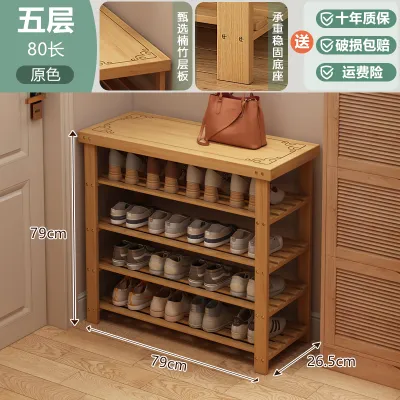
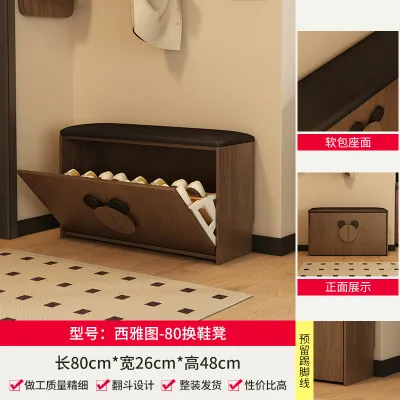
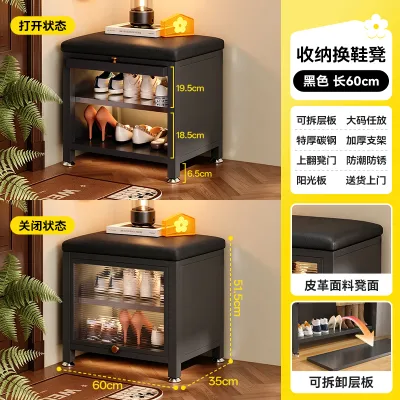
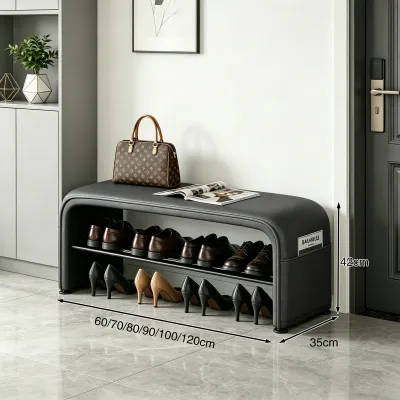
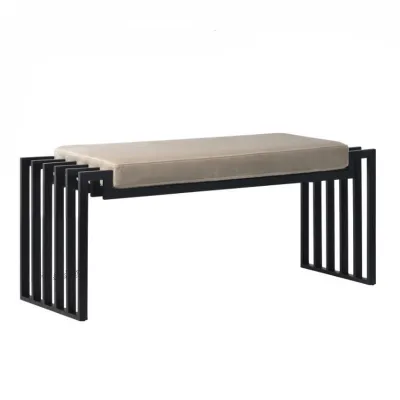
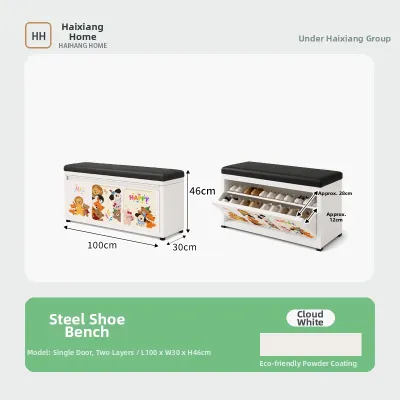
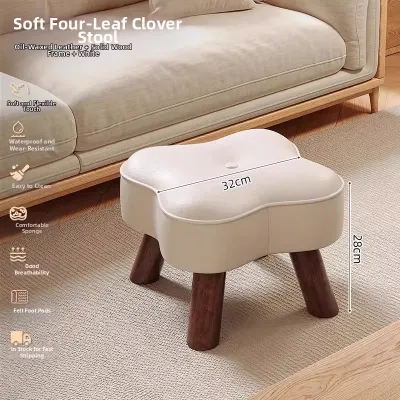
Prices are valid at publication and may change. Please refer to the product page for the latest price.
Finally, measure any vertical and horizontal boundaries. If you plan to place the bench beneath a wall-mounted mirror, a console table, or next to a coat rack, verify the height and width limits. Ensuring these dimensions align beforehand prevents a cramped visual appearance and maintains the functionality of your existing entryway setup.
Types of Shallow Storage Benches for Shoe Organization
When floor space is limited, the internal design of a storage bench determines how well it functions in a shallow footprint. Standard flat shelves typically require a depth of at least 35 cm to accommodate adult shoes horizontally. To go slimmer, manufacturers use alternative configurations that minimize the exterior depth while maintaining usable storage.

The two primary categories for tight hallways are tilt-down shoe cabinet benches and open-shelving or slim-drawer designs. Each approach handles shoe storage differently, affecting both the physical clearance required in front of the bench and the visual weight of the furniture in your entryway.
Tilt-Down Shoe Cabinet Benches
Tilt-down shoe benches utilize angled internal compartments that store shoes vertically or at a slant. This orientation allows the cabinet to maintain an exceptionally slim profile, often measuring between 15 cm and 24 cm in depth. When closed, the shoes are hidden from view, creating a clean and uncluttered look in your foyer.
However, this design has specific limitations regarding shoe size and style. High-top sneakers, platform shoes, and large boots may prevent the compartment from closing fully. Before purchasing, check the manufacturer’s specifications for the maximum shoe size and height supported by the internal racks.
You must also account for the operational clearance of the tilt-down mechanism. When you pull the compartment open, it extends outward into the hallway. Measure your walkway to ensure that you can fully open the drawers and comfortably reach your shoes without blocking the entire passage.
Open Shelving and Slim Drawer Benches
Open-shelf benches offer a straightforward, highly accessible alternative for narrow spaces. By eliminating doors and drawer fronts, these benches maximize every millimeter of depth for shoe storage. The open design also provides visual lightness, making a narrow hallway feel less cramped, though it requires you to keep shoes neatly arranged to prevent a cluttered look or tripping hazards.
Some slim benches incorporate shallow drawers instead of, or alongside, open shelves. Because the overall depth of the bench is restricted, these drawers are typically too shallow for standard footwear. Instead, they serve as convenient storage spots for smaller entryway essentials like keys, mail, shoehorns, or flat house slippers.
Because these benches have a narrow base, their physical stability is a critical safety consideration. A slim footprint means a higher center of gravity, especially when someone sits down or if items are stored unevenly. Always check the manufacturer’s product label for the maximum weight capacity and stability guidelines before use.
Key Features to Check Before Buying
When evaluating product specifications, pay close attention to the seat padding and upholstery. Some benches feature integrated cushions that may overhang the frame, adding unexpected millimeters to the overall depth. If space is exceptionally tight, look for benches with a flush wooden top or a removable seat pad that can be stored when not in use.
The choice of material and finish should align with your local environment and maintenance habits. In humid climates like Singapore, entryways are often exposed to moisture from damp umbrellas, wet shoes, and high ambient humidity. Rather than assuming a material is durable based on its name alone, review the manufacturer’s care instructions to verify if the finish is rated for moisture resistance and easy cleaning.
Safety is paramount for any furniture with a shallow depth. Many slim storage benches require wall anchoring to prevent tipping, especially when drawers are pulled out or when an adult sits down. Check the product description to see if wall-mounting hardware is included and verify if your entryway walls can support anchoring screws.
Common Sizing Mistakes to Avoid in Tight Hallways
One of the most common errors when planning for a narrow bench is forgetting to account for the thickness of your baseboards. Baseboards can protrude 1 cm to 2 cm from the wall, preventing the bench from sitting flush. This gap pushes the entire unit forward, reducing your walking clearance more than the manufacturer’s stated depth suggests.
Another frequent oversight is ignoring the operational clearance of the bench’s moving parts. A bench might seem to fit well when closed, but if opening a drawer or a tilt-down compartment blocks a doorway or hits an opposing wall, the setup becomes impractical. Always calculate your space requirements using the “fully open” dimensions of the furniture.
Finally, do not overlook the physical path the bench must take to reach your entryway. Even if the assembled bench fits your hallway, the packaged box must first pass through your building’s elevator, stairwell, and front door. Check the packaged dimensions on the product sheet to ensure a smooth delivery and assembly process.
Frequently Asked Questions (FAQ)
Can a narrow entryway bench safely hold an adult's weight?
Yes, many narrow entryway benches are designed to support the weight of an adult, but you must verify the exact weight limit on the manufacturer’s product specification sheet. Because slim benches have a narrow footprint, their load capacity and stability depend heavily on their construction and whether they are anchored to the wall. Always follow the manufacturer’s assembly instructions and weight distribution guidelines to ensure safe seating.
How do I store large boots in a shallow bench?
Storing large boots in a shallow bench can be challenging due to the limited depth and height of the compartments. Look for benches that feature adjustable or removable internal shelves, which allow you to customize the compartment height for taller footwear. Alternatively, consider using the shallow entryway bench strictly for daily slip-ons and flat shoes, while storing bulky boots in a main wardrobe or a dedicated closet.

Community discussion
Share your experience or ask a question. Comments are reviewed before publication.