
Finding the perfect dining table chair involves balancing physical clearance, daily household demands, and visual cohesion. A chair that looks stunning in a showroom can easily overwhelm a compact dining nook or prove too delicate for a busy household. By taking a systematic approach to your purchase, you can avoid common pitfalls and select seating that enhances both your daily comfort and your home’s overall design.
To identify your ideal seating style, you must navigate a three-step self-assessment. This process begins with evaluating your physical spatial constraints, moves into analyzing your household’s lifestyle and usage patterns, and finishes with defining your aesthetic direction. Taking the time to establish these personal parameters before browsing prevents costly returns and ensures your chosen chairs function flawlessly in your specific living environment.
Step 1: Assess Your Space and Layout Constraints
Before exploring materials or design eras, you must understand the physical boundaries of your dining area. Measuring your space accurately ensures that your furniture remains functional and that your dining room does not feel cramped or difficult to navigate.
Products mentioned in this guide
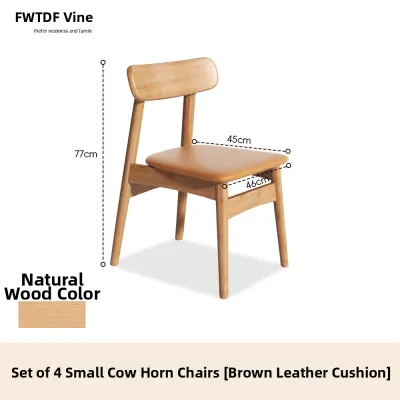
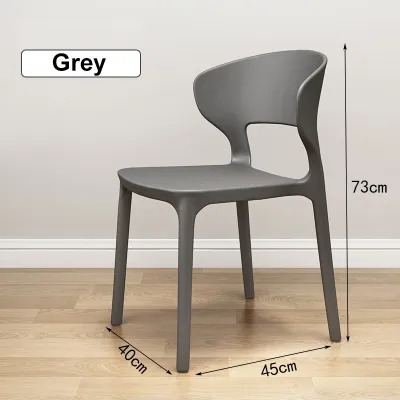
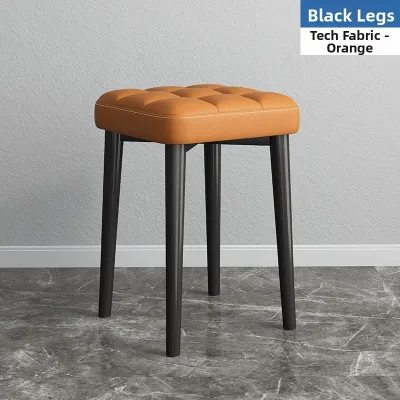

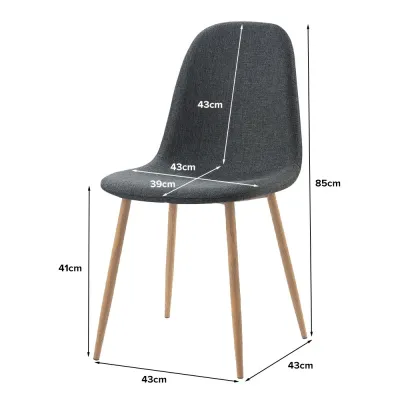
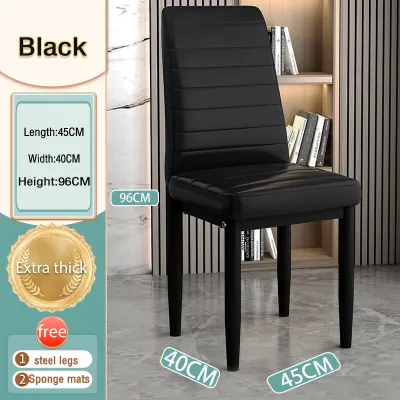
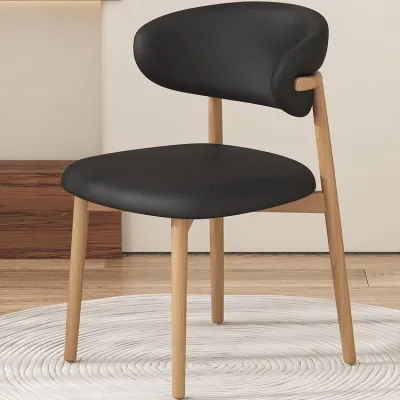
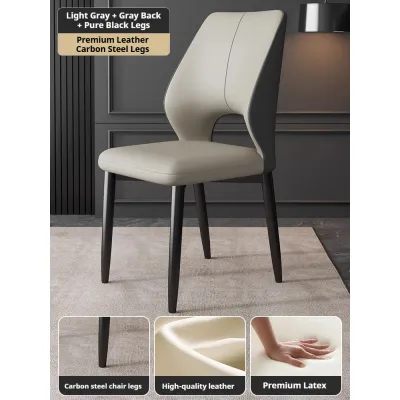
Prices are valid at publication and may change. Please refer to the product page for the latest price.
Measuring Clearance and Traffic Flow
To maintain a comfortable dining environment, you must account for the space required to pull out chairs and walk behind seated guests. Standard spatial guidelines recommend leaving a minimum of 90 centimeters of clearance between the edge of your dining table and the nearest wall, sideboard, or architectural obstruction. This distance allows an individual to pull their dining table chair out, sit down comfortably, and still leave enough room for someone else to pass behind them.
In many Singaporean homes, such as open-plan HDB flats and condominiums, dining spaces are frequently integrated into main living areas or double as primary walkways. If you are working with a tight layout or a narrow dining nook, you can reduce this clearance to an absolute minimum of 60 to 70 centimeters, though this will restrict traffic flow while the table is in use. To visualize how chairs will impact your daily movement, map out the physical footprint of the fully extended chairs on your floor using painter’s tape; this simple exercise reveals whether a specific chair profile will block your main pathways.
Evaluating Table Shape and Proportions
Your existing dining table dictates the physical limits of the chairs you can pair with it. One of the most common compatibility errors is failing to check the table apron, which is the wooden or metal structural frame directly beneath the tabletop. If your table has a deep apron, it significantly reduces the vertical clearance available for your thighs and can prevent chairs with armrests from sliding fully underneath the table when not in use.
Key Proportions to Verify:
- Apron Clearance: Measure from the floor to the bottom of the table apron. Ensure this height accommodates both the seat height of your chair (typically 45 centimeters) and the height of any armrests.
- Visual Weight: Heavy, solid wood tables pair best with chairs that carry a similar visual weight, such as fully upholstered designs or thick timber frames. Conversely, a light glass-topped table or a slender metal-framed table benefits from sleek, low-profile chairs that do not dominate the room.
- Between-Leg Width: Measure the exact distance between the table legs at the level where the chairs will sit. Divide this measurement by the number of chairs you plan to place along that side, factoring in at least 15 centimeters of breathing room between each chair to prevent elbow collisions.
Step 2: Evaluate Your Household Lifestyle and Usage
Once you have established your physical constraints, you must analyze how your dining space is actually used. A chair’s primary function changes depending on whether your dining room is a quiet spot for quick morning coffees or the active hub of a busy family home.

Daily Use vs. Occasional Entertaining
If your dining room doubles as a home office, a study area for children, or a space for long, multi-course dinner parties, ergonomics and comfort should be your highest priorities. For extended sitting sessions, look for dining table chairs that offer contoured back support and padded, upholstered seats. High-backed chairs provide excellent lumbar support, making them ideal for those who spend hours at the table, though they do carry more visual weight in a room.
For households that use the dining table occasionally or prioritize flexibility, lightweight, minimalist, or stackable designs are highly practical. These styles are easy to move, clean under, and reconfigure when hosting guests. If you live in a smaller apartment, you might opt for a hybrid approach: purchase a highly comfortable, supportive set of four chairs for daily use, and keep a few matching stackable or folding chairs stored away for when you expand the table for visitors.
Factoring in Kids, Pets, and Maintenance Needs
Busy households with young children or pets require materials that can withstand spills, scratches, and frequent cleaning. While fully upholstered chairs in delicate fabrics offer a luxurious feel, they can quickly become stained in a high-activity home. Instead, focus on materials that are inherently easy to wipe down or check for specialized performance finishes.
Material Maintenance Guidelines:
- Wood and Metal: Solid wood and powder-coated metal frames are highly durable and easy to clean with a damp cloth. However, you should check the manufacturer's care instructions regarding moisture exposure, as standing liquids can damage wood finishes or cause rust on low-grade metals.
- Upholstery and Fabrics: If you prefer upholstered chairs, look for performance polyester blends, treated stain-resistant fabrics, or high-quality leather. Always verify the manufacturer's cleaning codes (such as "W" for water-based cleaners or "S" for solvents) before attempting to spot-clean spills.
- Structural Stability: For homes with active children, prioritize chairs with a wide, stable base and a low center of gravity to prevent tipping. Avoid delicate, lightweight frames or designs with sharp, unrounded wooden corners at child height.
Step 3: Define Your Aesthetic and Design Direction
With your spatial and functional requirements established, you can focus on the visual elements. Your dining table chairs should complement your existing decor while reflecting your personal style.
Matching Existing Furniture and Room Vibe
Your dining chairs do not need to match your dining table perfectly, but they must coordinate with the overall room vibe. Start by identifying the dominant materials, colors, and design styles present in your dining area or adjacent open-plan living room. Common design directions include Scandinavian (characterized by light woods and clean lines), mid-century modern (featuring tapered legs and organic curves), and industrial (incorporating dark metals and raw wood).
If you want your dining table to remain the focal point of the room, choose chairs that harmonize with its material and color palette. For example, pair an oak table with chairs featuring similar oak legs or neutral-colored upholstery. If you prefer a more dynamic look, introduce a deliberate contrast: pair a rustic, reclaimed wood table with sleek, matte-black metal chairs to bridge the gap between rustic charm and modern industrial style.
Mixing and Matching Chair Styles
Mixing different chair styles is an excellent way to create a curated, eclectic aesthetic, but it requires careful planning to avoid looking disorganized. The secret to a successful mixed set is establishing a unifying element that ties the disparate pieces together, often referred to as the “rule of commonality.”
Strategies for Mixing Chairs:
- Consistent Silhouette, Varied Colors: Select a single chair model that you love, but purchase it in two or three complementary colors. This approach adds visual playfulness while keeping the physical lines of your dining space unified.
- Consistent Color, Varied Silhouettes: Choose chairs made from entirely different materials or from different design eras, but ensure they are all finished in the same color, such as all-black or all-white. This keeps the look cohesive while highlighting the unique shapes of each chair.
- The Head-of-Table Anchor: Use a uniform set of armless chairs along the sides of a rectangular table, and place two distinct, slightly larger armchairs at the head and foot of the table. This classic configuration anchors the dining set and adds a sense of structure to the room.
- Maintain Consistent Seat Heights: Regardless of how much you mix shapes or styles, always ensure that the seat heights of all your chairs are within 1 to 2 centimeters of one another. Inconsistent seat heights destroy the visual alignment of the table and make dining uncomfortable for guests seated at different levels.
Translating Your Assessment into a Shopping Strategy
Armed with your measurements, lifestyle requirements, and aesthetic preferences, you can now approach the market with a targeted shopping strategy. Instead of browsing aimlessly, use your criteria as search filters on e-commerce platforms and retail websites. For instance, search specifically for “armless dining chair,” “easy-clean synthetic fabric,” or “mid-century modern wood dining chair” to narrow down your options quickly.
When reviewing product pages, do not rely solely on promotional images. Scroll down to verify the detailed specifications, paying close attention to the finished dimensions, seat height, maximum load capacity, and assembly requirements. If a chair requires home assembly, check whether the necessary tools are included and whether the joints are secured with high-quality hardware like steel bolts rather than simple wood screws.
Finally, before finalizing your purchase, perform a logistical check of your home’s entry points. In Singapore, navigating narrow condominium corridors, older HDB passenger lifts, and tight apartment doorways can be challenging with bulky furniture. Measure the height and width of your main door, entryway, and elevator opening to ensure that fully assembled chairs or large delivery boxes can be brought into your home safely and without damaging your walls.
Frequently Asked Questions (FAQ)
Can I use living room accent chairs at the dining table?
Generally, using standard living room accent chairs at a dining table is not recommended. Accent and lounge chairs are typically designed with a lower seat height (around 35 to 40 centimeters) and a reclined seating angle, which makes eating comfortably very difficult. Additionally, the wide footprint and bulky armrests of accent chairs often prevent them from fitting between dining table legs or sliding under the table apron.
How many dining chairs should I buy for an extendable table?
When purchasing chairs for an extendable dining table, buy a primary set of high-quality, comfortable chairs that match the table’s everyday, unextended size. For the extra seating needed when the table is fully extended, invest in lightweight, stackable, or foldable chairs that can be easily stored in a utility closet or used as accent seating in other rooms when not required. This approach keeps your dining area clutter-free during daily use.
Community discussion
Share your experience or ask a question. Comments are reviewed before publication.