
Choosing the right furniture pads to protect your floors is a balancing act between three variables: your specific flooring material, the weight of your furniture, and how frequently those pieces move. There is no single, universally superior protector. Instead, the ideal choice depends on matching the physical properties of the pad to the vulnerabilities of your floor.
Felt offers an exceptionally smooth glide that prevents scratches on delicate wood, while rubber provides a high-friction grip that anchors heavy items on slick tiles. Silicone serves as a versatile middle ground, offering flexible, slip-on protection that conforms to irregular furniture legs while providing moderate shock absorption.
Before buying or installing any protective pad, always check your flooring manufacturer’s warranty and care instructions. Some floor finishes, particularly high-end wood lacquers or luxury vinyl planks, have strict rules regarding chemical compatibility and may react poorly to certain adhesives or rubber compounds.
Products mentioned in this guide
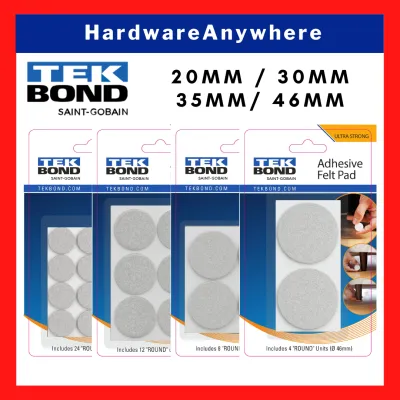
![[Min Buy Any 3] Steve & Leif Heavy Duty Round Felt Self Adhesive Furniture Felt Sliders Anti-Skid Pads](https://img.lazcdn.com/g/p/044da93e9c9e56f3e393d27958cba463.jpg_400x400q80.jpg_.webp)
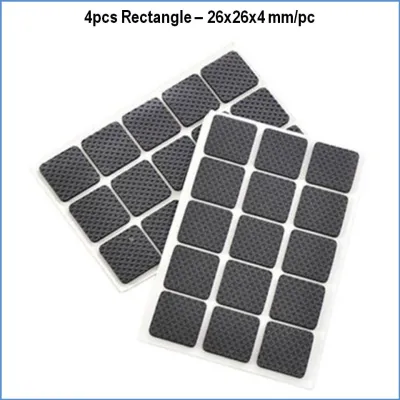
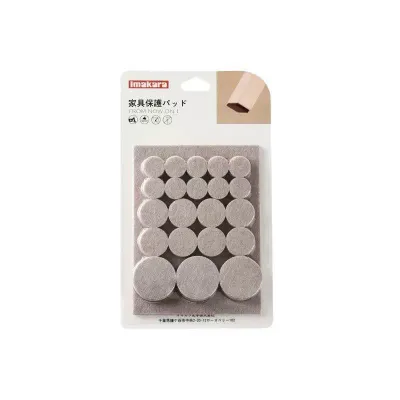
![[SG] 8/18pcs Premium Felt Soft Close Cushions Chair Leg Furniture Pads Floor Protector Drawers Doors](https://img.lazcdn.com/g/p/26672e505c6d3c21ac8e4c7c4e179179.png_400x400q80.png_.webp)
Prices are valid at publication and may change. Please refer to the product page for the latest price.
Evaluating Felt, Rubber, and Silicone Material Profiles
Felt pads are characterized by their compressible, fibrous structure, typically made from compressed wool, synthetic polyester, or a blend of both. This dense network of fibers acts as a soft cushion, absorbing minor impacts and significantly reducing friction between the furniture leg and the floor. Because of this low-friction profile, felt allows heavy tables and chairs to slide smoothly across hard surfaces without causing direct, abrasive contact. These pads are widely available in various formats, including peel-and-stick self-adhesive backings, nail-on glides, and screw-on designs. When selecting felt, it is important to look for high-density options, as low-density felt will quickly flatten under weight, losing its protective cushioning and exposing your floors to damage.
Rubber pads are defined by their high-friction, dense, and highly elastic nature. Unlike felt, which is designed to facilitate movement, rubber is engineered to prevent it. The primary function of a rubber protector is to grip both the furniture leg and the floor surface, anchoring the piece firmly in place and dampening vibrations. Rubber pads are available in solid, flat discs, textured cups, or heavy-duty caster cups designed to cradle wheels. They are excellent for keeping lightweight items from sliding out of position and for stabilizing heavy furniture. However, because rubber does not slide, attempting to force a rubber-padded piece of furniture across the floor can cause the pad to drag, potentially marking the floor or pulling the pad off entirely.
Silicone pads offer a flexible, non-porous, and moderately grippy alternative to traditional felt and rubber. Often molded into stretchable, slip-on caps or sleeves, silicone protectors conform easily to the shape of the furniture leg, making them ideal for angled, tapered, or irregularly shaped feet. Silicone provides a clean, modern aesthetic because many caps are translucent, blending in with the wood or metal finish of the furniture. While they offer decent shock absorption and a moderate level of slip resistance, they do not slide as effortlessly as felt on hard surfaces. They are highly valued for their durability and water resistance, making them particularly useful in environments where liquid spills or high humidity might cause other materials to fail.
When shopping for these protectors, always check the product packaging and labels for specific material compositions. Many inexpensive products labeled as “rubber” or “silicone” are actually made from cheap PVC or synthetic polymer blends that contain chemical plasticizers. These fillers can significantly alter the hardness, durability, and floor compatibility of the pad, sometimes leading to premature wear or chemical reactions that stain your flooring.
Key Comparison Dimensions for Floor Protection
Scratch Prevention vs. Slip Resistance
The fundamental trade-off in floor protection is the balance between scratch prevention and slip resistance. Felt represents the low-friction end of the spectrum, allowing furniture to glide with minimal resistance. This is highly beneficial for preventing scratches on delicate wood or laminate floors, as the soft fibers sweep away tiny dust particles rather than grinding them into the finish. However, this low friction means felt offers virtually no slip resistance; a light push can send a chair sliding.

Rubber sits at the opposite end, offering maximum slip resistance. The high coefficient of friction ensures that furniture stays exactly where you want it. The risk with rubber is that if debris, such as sand or grit, becomes trapped underneath, the high-pressure grip can grind those particles into the floor when the furniture is forced to move. Silicone occupies the middle ground, providing a moderate grip that prevents unwanted sliding while still allowing for slight, cushioned movement without the aggressive resistance of dense rubber.
Weight Capacity and Shock Absorption
The weight of your furniture plays a critical role in how well a protective pad performs over time. Heavy static loads, such as those from large wardrobes, solid wood bed frames, or fully loaded bookshelves, exert immense downward pressure on small furniture feet. Under these heavy loads, thin or low-density felt pads will rapidly compress, eventually bottoming out. Once the felt is completely flattened, the hard furniture leg or the metal fastener holding the pad can make direct contact with the floor, defeating the purpose of the protector.
Dense rubber and high-density felt are far better suited for heavy loads, as they resist extreme compression and distribute the weight more evenly. Silicone’s ability to absorb shock and support weight depends heavily on its thickness and structural design. Thin, stretchable silicone caps are excellent for lightweight dining chairs but will quickly tear or wear through under heavy, static furniture. Solid, thick silicone blocks or molded cups offer much better load-bearing capacity and shock absorption, helping to cushion the impact when someone sits down heavily.
Adhesion and Residue Risks in Humid Climates
In tropical climates like Singapore, where high relative humidity and temperature fluctuations are common, the reliability of self-adhesive backings becomes a major concern. Most standard peel-and-stick pads use pressure-sensitive acrylic or foam adhesives. Over time, exposure to ambient humidity and the constant lateral shear forces from moving furniture can cause these adhesives to soften, degrade, and slide off-center. When this happens, the adhesive is exposed to the floor, leaving a sticky, dirt-attracting residue that is difficult to clean.
Slip-on silicone caps and mechanical fasteners, such as nail-on or screw-on felt glides, completely bypass this issue by securing the protector without relying on glue. If you do choose self-adhesive pads, it is highly recommended to test them on a small, hidden area of the furniture leg first. Some aggressive adhesives can chemically react with delicate wood lacquers, varnishes, or veneers, stripping the finish when the pad is eventually removed.
Matching Pads to Your Specific Floor Type
Hardwood, Laminate, and Engineered Wood
Natural timber, engineered wood, and laminate floors are highly prized for their aesthetic warmth, but they are also the most vulnerable to scratches, dents, and moisture damage. For these surfaces, high-quality felt is universally recommended. The soft, non-abrasive surface of felt cushions the wood, preventing micro-scratches and dulling of the protective topcoat. When using felt on wood, regular maintenance is key, as any trapped grit can act like sandpaper.
You must exercise extreme caution when considering rubber or low-quality silicone pads on wood floors. Many synthetic rubber formulations contain plasticizers—chemical bonding agents that keep the material flexible. Over time, these plasticizers can migrate out of the rubber and chemically react with polyurethane, lacquer, or oil finishes. This chemical migration can cause permanent dark staining, yellowing, or softening of the wood finish, which often requires professional sanding and refinishing to repair. Always verify with your flooring manufacturer to ensure any rubber or polymer product you use is certified as non-staining.
Tile, Vinyl, and Stone Surfaces
Tile, vinyl, and natural stone floors present a different set of challenges. Polished porcelain, ceramic tiles, and marble are highly durable and scratch-resistant, but their smooth, hard surfaces can be incredibly slippery, causing chairs and tables to slide dangerously. On these floors, rubber and silicone protectors are highly effective because their grip prevents unwanted sliding, protecting both the furniture and the users.
However, if you have Luxury Vinyl Plank (LVP) or sheet vinyl flooring, you must be cautious. Vinyl is a relatively soft material that is highly susceptible to deep, permanent pressure indentations from heavy furniture legs. To prevent this, use wide, high-density felt pads or flat, broad silicone caps to distribute the weight across a larger surface area.
Additionally, be aware that textured tiles or deep grout lines can act as an abrasive surface. If you use felt on textured tiles, the rough surface will quickly shred the fibers, requiring frequent replacements. In these scenarios, smooth silicone or specialized, non-marking rubber pads are far more durable and practical.
Matching Pads to Furniture Weight and Movement
Heavy and Stationary Furniture
Furniture that remains largely stationary, such as beds, heavy wardrobes, sideboards, and large sofas, requires a different protection strategy than items moved daily. Because these pieces are rarely shifted, the primary threat to your floor is static load indentation and gradual shifting from daily use.
For these heavy items, thick, high-density rubber caster cups or non-slip rubber pads are highly recommended. These protectors grip the floor securely, preventing the furniture from shifting and scratching the surface. Because the sheer weight of the furniture is more than enough to hold the pads firmly in place, you can often use non-adhesive options. Slip-on silicone cups or heavy-duty rubber cups that sit loosely under the furniture legs are ideal, as they eliminate the risk of adhesive failure and protect your floors without leaving sticky residue.
Lightweight and Frequently Moved Furniture
Dining chairs, bar stools, study chairs, and small side tables are pushed, pulled, and dragged multiple times every day. This constant dynamic movement subjects the protective pads to high lateral forces and rapid wear. For these frequently moved items, durable, low-friction materials are essential.
High-quality felt pads are the traditional choice, allowing chairs to slide silently and smoothly without catching on floor seams or tile grout. To prevent the pads from sliding off-center due to constant movement, consider using screw-on or nail-on felt glides rather than simple peel-and-stick options.
Alternatively, slip-on silicone caps with integrated felt bases offer an excellent modern solution. The silicone sleeve grips the chair leg securely without adhesive, while the felt bottom ensures a smooth, scratch-free glide. Regardless of the material you choose, regular inspection is mandatory. Frequent movement accelerates wear, and you must replace the pads before the felt wears thin or the silicone tears, which would expose the hard furniture leg to your delicate floor.
Quick Decision Framework: Choose Based on Your Needs
To help you make the right choice for your home, use this straightforward, condition-based checklist to match your flooring and furniture with the ideal protective material.
Choose Felt if:
- You have delicate hardwood, engineered timber, or laminate floors that scratch easily.
- You need to move furniture, such as dining chairs or bar stools, frequently and quietly.
- You prioritize smooth, effortless gliding over slip resistance and anchoring.
Choose Rubber if:
- You have smooth ceramic, polished porcelain, or natural stone tile floors.
- You need to anchor heavy, stationary furniture like sofas, beds, or wardrobes to prevent sliding.
- Your flooring manufacturer explicitly approves contact with rubber or non-slip synthetic polymers.
Choose Silicone if:
- Your furniture has irregularly shaped, tapered, or angled legs that make standard pads difficult to attach.
- You want to avoid adhesive residue entirely by utilizing flexible, slip-on caps or sleeves.
- You have vinyl or tile floors and require a balanced combination of grip, cushioning, and water resistance.
Verify First if:
- Your flooring is currently covered under an active manufacturer warranty, as some warranties are voided by the use of rubber-backed products.
- Your furniture features delicate veneers, lacquers, or oil finishes that could be damaged by strong adhesives.
- You are installing protectors in high-moisture areas like kitchens or bathrooms, where moisture can trap under rubber or degrade adhesive bonds.
Installation, Maintenance, and Replacement Signals
Proper installation and regular maintenance are just as important as choosing the right material. Before applying any self-adhesive pad, you must prepare the furniture leg surface thoroughly. Start by cleaning the bottom of the leg to remove any dust, dirt, or old adhesive residue. If the surface is rough or splintered, gently sand it smooth with fine-grit sandpaper. Wipe the area with a damp cloth and allow it to dry completely, as any remaining moisture or dust will severely compromise the adhesive bond. Once dry, press the self-adhesive pad firmly onto the center of the leg, holding it under pressure for at least 30 seconds to activate the adhesive. For nail-on or screw-on protectors, pre-drill a small pilot hole to prevent the wood leg from splitting.
To ensure ongoing floor protection, you must establish a routine for inspecting your furniture pads. Look for clear, observable signals that indicate a pad has reached the end of its lifespan and needs immediate replacement. For felt pads, replace them when they become heavily compressed, thin, matted, or embedded with hard debris like pet hair, sand, or grit. For rubber pads, look for signs of cracking, hardening, or if they begin leaving dark scuff marks on your floor. For silicone caps, replace them if they begin to tear, stretch out, or slip off the furniture leg.
When removing old adhesive pads, safely clean any sticky residue using gentle, floor-safe and furniture-safe methods. Start by gently rolling the residue off with your fingers or a plastic scraper. If needed, use a mild solution of warm soapy water or a tiny amount of cooking oil to break down the adhesive, and always test any cleaning agent on a hidden area of the furniture leg first.
Frequently Asked Questions (FAQ)
Do furniture pads ruin floor finishes over time?
While furniture pads are designed to protect, certain materials can cause damage if used incorrectly. Low-quality rubber or synthetic polymer pads containing plasticizers can chemically react with polyurethane, lacquer, or oil-finished wood floors, causing permanent dark stains or softening of the finish. Additionally, strong adhesives on self-adhesive pads can strip delicate wood veneers or lacquers when removed. To prevent these issues, always check both the floor and pad manufacturer guidelines. Periodically lift your heavy furniture to inspect the floor underneath for any early signs of chemical reaction, discoloration, or trapped moisture.
How do I remove sticky residue left by old pads?
To remove stubborn adhesive residue without damaging your furniture or floors, always start with the least invasive methods. Begin by gently rolling the residue off with your fingers or using a dull plastic scraper. If the adhesive remains, apply a small amount of mild household solution, such as warm soapy water or a drop of cooking oil, to help break down the stickiness. Avoid using harsh chemical solvents like acetone, paint thinner, or heavy-duty alcohol on finished wood, laminate, or vinyl, as these chemicals can permanently strip, cloud, or dissolve the surface finish. Always test any cleaning agent on an inconspicuous area first to ensure compatibility.
Community discussion
Share your experience or ask a question. Comments are reviewed before publication.