
Selecting the right furniture leg protector depends entirely on the interaction between your floor surface, the weight of the furniture, and how often it is moved. There is no single universal winner; felt excels at allowing heavy items to glide on smooth hardwood, rubber provides essential grip and vibration dampening for stationary pieces on tile, and silicone offers a secure, water-resistant wrap for irregularly shaped legs. This guide breaks down the specific conditions where each material performs best, helping you verify manufacturer claims and choose the most effective option for your home.
Protecting your flooring is one of the simplest ways to preserve the value and aesthetic appeal of your living space. Whether you are dealing with delicate solid timber, modern luxury vinyl tiles, or classic ceramic tiling, the constant friction of moving chairs and heavy sofas can cause irreversible wear. Investing a few S$ in the correct protective accessories prevents costly refinishing or tile replacement down the road.
To make an informed decision, you must look beyond basic aesthetics and evaluate how different materials interact with your specific environment. By understanding the physical properties of felt, rubber, and silicone, you can match the right protector to each piece of furniture, ensuring long-lasting floor preservation and smooth, quiet movement.
Products mentioned in this guide
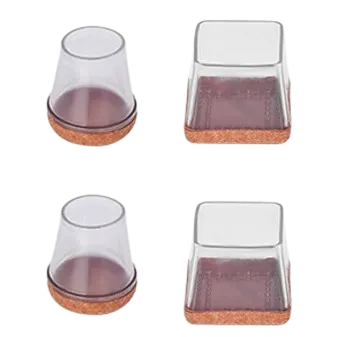
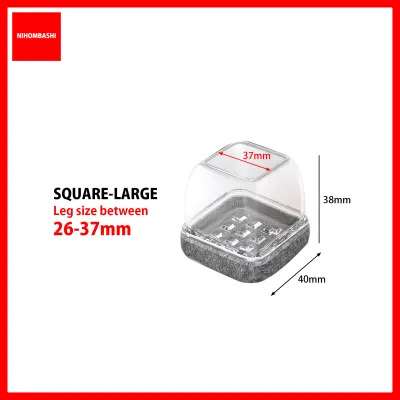
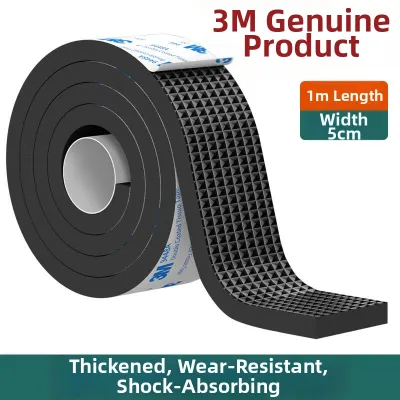
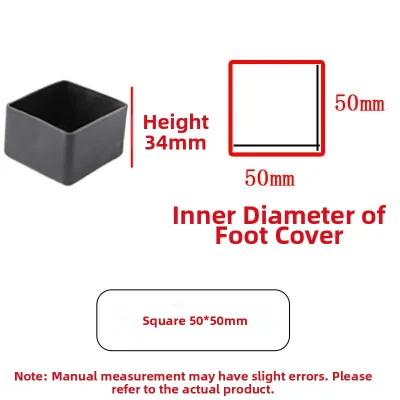
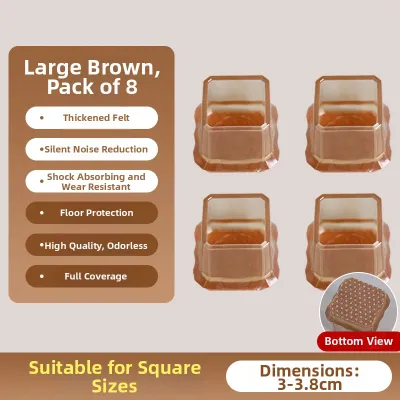
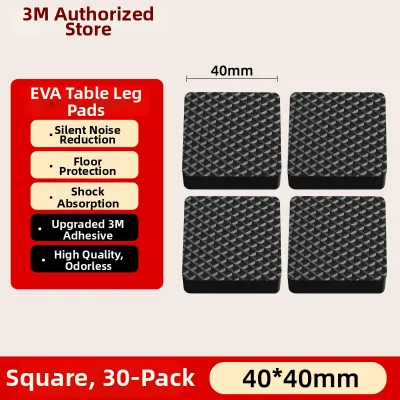
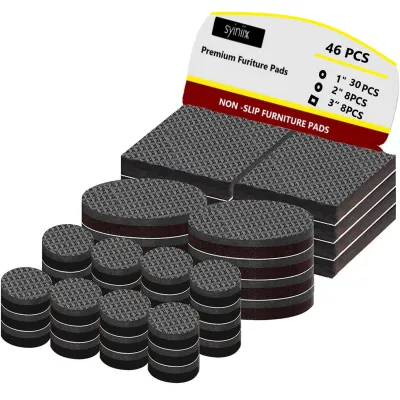
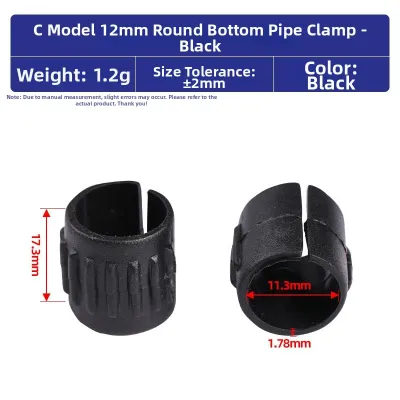
Prices are valid at publication and may change. Please refer to the product page for the latest price.
Assessing Your Floor Surface and Furniture Movement
Every flooring material possesses unique vulnerabilities that dictate what type of protection it requires. Hardwood and engineered wood floors are highly susceptible to surface scratches and deep gouges from grit trapped under furniture legs. Laminate and luxury vinyl flooring, while generally more resilient, can still suffer from dulling of their protective wear layers over time due to continuous micro-abrasions. Ceramic and porcelain tiles are highly durable but feature grout lines that can snag thin protectors, while polished concrete can wear down softer materials quickly.
The way you use your furniture also plays a critical role in material selection. Frequently moved items, such as dining chairs, bar stools, and study chairs, require protectors that facilitate smooth gliding without resistance. Conversely, stationary heavy items like sofas, wardrobes, television consoles, and beds need protectors that distribute weight evenly and prevent sliding, which can strain joints and scratch the floor.
Environmental conditions inside your home also impact performance. In humid climates or areas prone to frequent wet mopping, moisture can quickly degrade standard adhesives and trap dampness against wooden legs, potentially leading to mold. Understanding these environmental factors ensures you select a protector that remains secure over time.
Felt Protectors: Gliding on Hard, Smooth Surfaces
Felt protectors are the traditional standard for smooth, hard surfaces like solid timber, engineered wood, and laminates. The soft, compressed fibers create a low-friction barrier that allows dining chairs or tables to glide effortlessly. This smooth sliding action minimizes the effort required to move furniture while preventing sharp leg edges from scratching delicate finishes.

However, felt has distinct limitations. On textured tiles, natural stone, or floors with deep grout lines, rough surfaces quickly shred the fibers. Felt is also highly absorbent; moisture from spills or mopping can ruin the adhesive backing and damage underlying wood. Additionally, the fibrous texture traps dust, pet hair, and grit, turning the pad into an abrasive surface that can scratch floors if not cleaned regularly.
When shopping, verify key quality indicators rather than relying on brand promises. Inspect the felt density; high-density wool or synthetic felt resists flattening under heavy loads much better than soft alternatives. Check the pad thickness relative to the furniture weight, and examine the adhesive backing to ensure it can withstand lateral shear forces when the furniture is slid.
Rubber Protectors: Grip and Shock Absorption
Rubber protectors, typically available as slip-on caps or heavy-duty stick-on pads, are designed for situations where stability and grip are paramount. Unlike felt, which encourages movement, rubber provides high friction to keep furniture firmly in place. This makes rubber ideal for heavy appliances, washing machines, sofas, and fitness equipment like treadmills, where shifting during use can damage floors or create safety hazards. Additionally, rubber excels at dampening vibrations and reducing the transmission of impact noise through concrete floors.
Despite their excellent grip, rubber protectors are not suitable for every application. Because they resist sliding, using them on frequently moved dining chairs can make the chairs difficult to pull out and may place excessive stress on the furniture joints. Some low-quality or natural rubber compounds can also leave dark scuff marks or undergo chemical reactions that discolor delicate vinyl, laminate, or light-colored polyurethane floor finishes.
To ensure you select a safe and effective rubber protector, perform a few simple verification checks before purchasing. Look for products explicitly labeled as “non-marking” or “non-staining” to protect your floor finishes from chemical discoloration. Assess the hardness of the rubber; extremely soft rubber may split under heavy loads, while overly hard rubber might slide on polished concrete. If the furniture will be placed near large windows or in semi-outdoor areas, check the packaging to verify if the rubber is resistant to UV degradation and moisture.
Silicone Protectors: Flexibility and Moisture Resistance
Silicone protectors have gained popularity due to their unique combination of flexibility, durability, and moisture resistance. Typically designed as stretchable sleeves or caps that wrap around the bottom of the furniture leg, silicone offers a highly secure fit without relying solely on adhesives. This makes them exceptionally well-suited for irregularly shaped, angled, or tapered furniture legs where standard stick-on pads would quickly peel off.
The water-resistant nature of silicone makes it the premier choice for areas prone to moisture, such as kitchens, dining rooms where spills are common, and bathrooms. Unlike felt, silicone does not absorb liquids, and unlike some rubbers, it will not degrade or become sticky when exposed to common household cleaning agents. Many silicone caps also feature an integrated felt pad on the bottom, attempting to combine the secure fit of silicone with the gliding benefits of felt.
However, pure silicone caps can sometimes be overly grippy on some smooth surfaces, causing dining chairs to stick or stutter when dragged. They can also collect dust along their outer edges, which may detract from their transparent appearance over time. When verifying silicone protectors, test the stretchability of the material to ensure it can accommodate your furniture leg dimensions. Check the thickness of the silicone wall to ensure it resists tearing against sharp metal or wooden leg edges, and look for internal grip patterns or ribs designed to keep the cap from sliding off the leg during movement.
Material Selection Framework: Matching Protectors to Your Needs
To simplify your decision-making process, you can use a structured framework based on your specific household conditions. Choose felt protectors if your home features smooth, scratch-prone hardwood, engineered wood, or laminate floors, and your primary goal is to move lightweight or medium-weight furniture like dining chairs quietly and easily. Felt remains the gold standard for preserving the pristine finish of natural timber under daily movement.
Opt for rubber protectors if your main priority is preventing movement, dampening noise, or absorbing vibrations from heavy, stationary items. This includes large sofas, beds, storage cabinets, and major appliances resting on hard tile, polished concrete, or stone floors. Rubber is your best defense against heavy furniture shifting and scratching hard surfaces.
Select silicone protectors if you have irregularly shaped, tapered, or metal furniture legs that standard pads cannot cling to, or if the furniture is located in a high-moisture zone like a kitchen or dining area. Silicone provides a clean, wrap-around fit that stays secure without messy adhesives, making it highly practical for busy households.
Before finalizing your purchase, always verify if your flooring manufacturer specifies any restrictions in their warranty. Some specialized luxury vinyl or engineered wood warranties explicitly warn against using certain rubber backings or strong chemical adhesives. Additionally, if your furniture exceeds standard residential weight limits, verify that the protector’s load capacity is rated for heavy-duty use to prevent the material from bottoming out and allowing the leg to damage the floor.
Installation, Maintenance, and Replacement Triggers
Proper installation is critical to ensuring your chosen furniture leg protectors perform effectively and do not fail prematurely. Before applying any adhesive pad or slipping on a cap, thoroughly clean the bottom of the furniture leg to remove old adhesive residue, dust, wax, and oils. Sanding wooden legs lightly can create a better bonding surface for adhesives. Ensure the surface is completely dry before application, as moisture will ruin the bond of adhesive felt or rubber pads.
Routine maintenance is equally important to prevent secondary damage to your floors. Periodically inspect the underside of your furniture legs, especially those fitted with felt pads. Vacuum or brush away any accumulated pet hair, dust, and grit that may have become embedded in the fibers. For silicone and rubber caps, wipe them down with a damp cloth to remove surface dirt that could act as an abrasive against your flooring.
Knowing when to replace your protectors is key to continuous floor protection. You should establish a regular schedule to check for common replacement triggers. Replace adhesive pads immediately if you notice peeling edges, as the exposed adhesive can attract dirt and stick directly to your floor. Look for permanently flattened felt that has lost its cushioning, cracked or hardened rubber that no longer absorbs shock, or torn silicone sleeves that allow the furniture leg to slip through.
Frequently Asked Questions (FAQ)
Can I use standard furniture leg protectors on outdoor patio furniture?
Standard indoor furniture leg protectors, particularly those made of felt or utilizing standard adhesives, are highly unsuitable for outdoor patio environments. Outdoor areas expose furniture to intense UV radiation, temperature fluctuations, and direct moisture, which will rapidly degrade indoor adhesives and cause felt to rot or mold. For outdoor use, select protectors specifically rated for exterior environments, such as UV-stabilized silicone or heavy-duty outdoor rubber caps. These materials resist weather-related breakdown and do not rely on adhesives that dissolve in the rain.
Do adhesive felt pads damage the finish on wooden furniture legs?
Adhesive felt pads generally do not damage modern, factory-applied polyurethane finishes on wooden furniture legs, but they can pose a risk to antique, oiled, or delicate wax finishes. Over time, the strong adhesives used on heavy-duty pads can bond deeply with delicate wood fibers or finishes, potentially pulling away some of the finish or leaving a stubborn, sticky residue when removed. To safely remove old adhesive pads, apply gentle heat from a hairdryer to soften the glue before peeling them off, and use a mild, wood-safe solvent to clean any remaining residue. Always check your furniture manufacturer’s care instructions before applying strong adhesives to high-value or antique wood.

Community discussion
Share your experience or ask a question. Comments are reviewed before publication.