
Protecting your home’s flooring from the constant scraping of chair legs is a simple step that prevents costly repair bills. Spending a few S$ on quality floor protectors can save you from having to refinish expensive hardwood or replace damaged vinyl sheets. The ideal choice among felt, rubber, and silicone pads depends entirely on your specific flooring material and whether you want your chairs to slide smoothly or stay firmly in place.
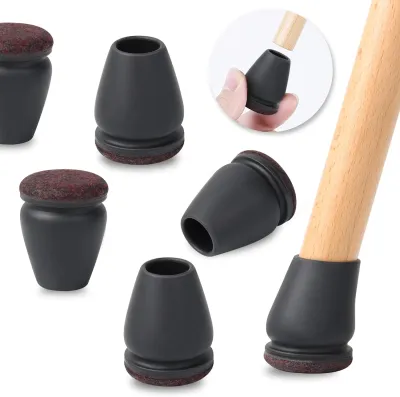
Felt pads are the traditional choice for smooth, hard surfaces like hardwood and laminate because they allow chairs to glide effortlessly. Rubber pads, on the other hand, provide high friction and are designed to keep furniture stationary, making them unsuitable for dining chairs but excellent for heavy, static pieces. Silicone pads, typically designed as slip-on caps, offer a flexible and secure fit that often combines a silicone sleeve with a felt bottom to give you the best of both worlds.
Before making a purchase, always verify the manufacturer’s guidelines for both your flooring and the protector pads. Some floor finishes react negatively to certain adhesives or rubber compounds, making a quick compatibility check essential.
Products mentioned in this guide
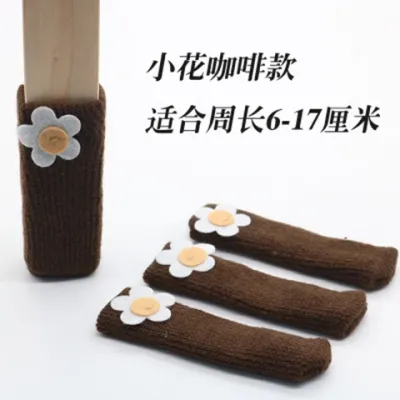
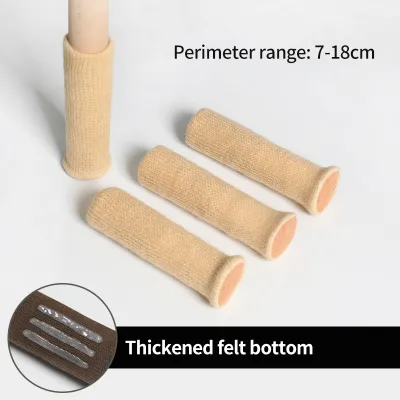
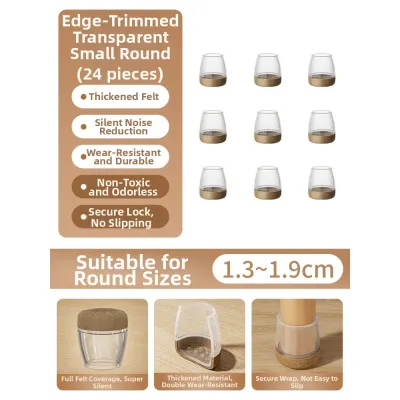
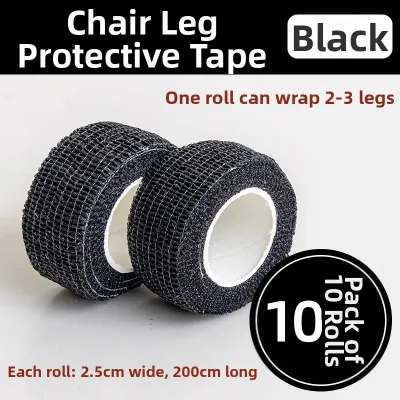
Prices are valid at publication and may change. Please refer to the product page for the latest price.
Comparing Felt, Rubber, and Silicone Pad Characteristics
To make an informed decision, you must understand the physical properties and functional trade-offs of each material. Each option interacts differently with your floors, affecting how easily furniture moves and how well the floor is shielded from impact.
Felt is a soft, fibrous material that excels at absorbing impact and reducing sliding friction. It is highly customizable but prone to collecting dust and flattening over time.
Rubber is a dense, durable elastomer that prioritizes grip over glide. It is highly resistant to compression but can leave marks or react chemically with certain floor finishes.
Silicone is a highly flexible, synthetic polymer that is typically molded into protective caps. It offers excellent stretchability and physical durability, though its performance often depends on whether it is paired with a felt or plastic gliding base.
Felt Pads: Density and Mounting Types
Felt pads are highly popular due to their excellent gliding properties, but their durability depends heavily on their density and how they are attached to the chair legs.
- Evaluating Density and Thickness: Low-density felt pads compress quickly under the weight of daily use, losing their cushioning ability and allowing the hard chair leg to make contact with the floor. When shopping, look for high-density felt that feels firm when squeezed. Denser felt distributes weight more evenly and resists flattening, extending the lifespan of the protector.
- Comparing Mounting Mechanisms: Adhesive-backed pads are the easiest to install but can slide off center over time, leaving sticky residue. Nail-in pads offer a secure mechanical hold but can scratch floors if the felt wears down to the metal nail. Screw-in pads are highly stable and easy to replace, provided you pre-drill the holes to prevent splitting the wood.
- Checking Load Capacities: Always check the product label for weight limits. Heavy dining chairs or bar stools require heavy-duty felt pads designed to withstand constant weight and movement, whereas lightweight accent chairs can use standard adhesive pads.
Rubber Pads: Friction and Surface Risks
Rubber pads are designed for stability, making them the go-to choice when you want to prevent furniture from sliding across slick surfaces.
- Anti-Slip Properties: The high coefficient of friction inherent in rubber makes it perfect for stationary furniture like sofas, beds, and heavy shelving units. Using rubber on these items prevents them from shifting when you sit down, protecting both the floor and the wall behind the furniture. However, avoid using pure rubber pads on dining chairs, as the high grip can cause the chair to catch on the floor, potentially tipping the user.
- Risks of Chemical Reactions: Many standard rubber pads contain plasticizers—chemical additives used to keep the rubber flexible. Over time, these chemicals can migrate out of the rubber and react with polyurethane wood finishes, vinyl, or linoleum. This reaction can cause permanent yellowing, dark staining, or a sticky residue. Always verify that the rubber pads are certified as non-marking and safe for your specific flooring type.
- Hardness and Indentation: Rubber pads come in various hardness levels. Very hard rubber can concentrate the weight of heavy furniture onto a small area, leading to permanent indentations in soft wood or luxury vinyl tiles. Opt for softer, wider rubber cups that distribute the weight across a larger surface area to minimize this risk.
Silicone Pads: Stretch Limits and Cap Designs
Silicone has become a highly sought-after material for chair leg protection, primarily because of its flexibility and ability to conform to various leg shapes.
- Stretchability and Sizing: Silicone caps are designed to stretch over the bottom of the chair leg, creating a snug, friction-fit sleeve. While silicone is highly elastic, stretching a cap beyond its recommended limit will thin the material, making it highly susceptible to tearing against the sharp edges of the chair leg. Accurate measurement of your chair legs is critical; do not rely on visual estimation.
- Cap vs. Adhesive Designs: Slip-on silicone caps offer superior mechanical security compared to adhesive discs because they wrap around the sides of the chair leg. This prevents the protector from sliding off when the chair is dragged. Some silicone caps feature a built-in felt pad on the bottom, combining the secure fit of silicone with the smooth gliding properties of felt.
- Environmental and Durability Limits: If your furniture is placed in areas with high sun exposure, such as near large windows or on a covered balcony, check the manufacturer's guidelines for UV resistance. Low-quality silicone can degrade, become brittle, or turn sticky when exposed to heat and sunlight over extended periods.
Matching Pad Materials to Common Flooring Types
Selecting the right pad material requires matching its physical properties to the specific vulnerabilities of your flooring.

- Hardwood and Laminate: These classic flooring options are highly sensitive to scratches and scuffs. Tiny particles of dust and grit can act like sandpaper if trapped beneath a moving chair leg. Felt pads are highly recommended for hardwood and laminate because they allow the chair to glide smoothly, minimizing friction. However, because felt is fibrous, it can trap grit within its fibers. You must inspect and clean these pads regularly to ensure they do not become abrasive. Avoid rubber pads unless they are explicitly certified as safe for polyurethane finishes to prevent chemical staining.
- Tile and Stone: While tile and stone are highly durable, they present unique challenges due to grout lines and textured surfaces. Dragging a chair across wide grout joints can catch and tear thin adhesive felt pads. For these floors, look for thick, heavy-duty felt pads or silicone caps with reinforced felt bases that can bridge the gaps smoothly. If your tile is highly polished and slick, and you want to prevent a heavy table or sofa from sliding, high-quality rubber pads are an excellent choice.
- Vinyl and Linoleum: Resilient flooring like luxury vinyl plank (LVP) and linoleum is susceptible to both indentation and chemical discoloration. Avoid cheap rubber pads, as the plasticizers can cause permanent yellow stains on vinyl. Instead, opt for high-density felt pads or silicone caps. Ensure the pads have a wide flat base to distribute the weight of the furniture, which helps prevent the chair legs from leaving permanent dents in the soft vinyl core.
- Carpeted Floors: Standard felt, rubber, and silicone pads are designed to protect hard floors and will not work well on carpet. Rubber and silicone will grip the carpet fibers, making the chair incredibly difficult to move and potentially pulling or fraying the carpet pile. Felt pads will simply collect lint and lose their shape. For carpeted areas, use specialized furniture glides made of smooth, hard plastic or polished metal, which are designed to slide effortlessly across carpet fibers without catching.
Installation Checks and Maintenance Rules
Even the highest-quality floor protectors will fail prematurely if they are installed incorrectly or neglected over time. Following a systematic approach to installation and maintenance will keep your floors pristine.
- Surface Preparation: Before applying any adhesive-backed pad, you must clean the bottom of the chair leg thoroughly. Use a clean cloth dampened with rubbing alcohol to remove accumulated dust, floor wax, and oils. Let the wood or metal dry completely before applying the pad. Applying a pad to a dirty or dusty surface drastically reduces the bond strength, causing the pad to fall off within days.
- Alignment and Stability: When installing nail-in or screw-in pads, ensure they are perfectly centered on the chair leg. For chairs with angled legs, standard flat pads will wear down unevenly on one edge, which can cause the chair to wobble and put excess stress on the leg joints. In these cases, look for angled felt glides or flexible silicone caps that can conform to the angle of the leg while keeping the protective base flat against the floor.
- Visual Inspection Schedule: Set a reminder to inspect your chair leg pads every three to six months. Check for signs of flattening, uneven wear, or peeling adhesive. Run your finger over felt pads to feel for embedded grit, pet hair, or small pebbles. If the felt feels hard, crusty, or abrasive, it is time to replace it.
- Safe Removal Techniques: When replacing old adhesive pads, do not scrape them off with a sharp metal putty knife, as this can easily gouge the chair leg or slip and scratch your floor. Instead, use a hairdryer on a low heat setting to warm and soften the old adhesive. Once softened, peel the pad away. Use a mild adhesive remover or rubbing alcohol on a soft cloth to clean off any remaining sticky residue before applying the new pads.
Frequently Asked Questions (FAQ)
Can I use rubber pads on hardwood floors?
Using standard rubber pads on hardwood floors is generally not recommended. Many rubber formulations contain chemical plasticizers that can migrate into the wood’s polyurethane finish, causing permanent dark stains, yellowing, or a sticky residue. If you need to keep a piece of furniture stationary on hardwood, look specifically for non-marking, natural rubber pads or felt-backed rubber cups, and verify that they are approved by both the flooring and pad manufacturers.
How do I know when to replace felt chair leg pads?
You should replace felt pads when they become severely compressed, feel hard to the touch, or begin to peel away from the chair leg. If you notice that your chairs are no longer sliding smoothly, or if you hear a scraping sound when moving them, inspect the pads immediately. Embedded dirt and grit in old felt can act like sandpaper, meaning that delaying replacement can lead to deep scratches on your floor.
Do silicone caps fit square or rectangular chair legs?
Yes, but you must purchase caps specifically designed for those shapes. While silicone is highly elastic, forcing a round cap onto a square or rectangular leg stretches the material unevenly, creating high-tension points at the corners that will quickly tear. Measure the width and the diagonal dimension of your square legs, and check the manufacturer’s sizing chart to select the correct shape-specific cap for a secure and durable fit.
Community discussion
Share your experience or ask a question. Comments are reviewed before publication.