
Quick Answer: Matching Protectors to Your Floor and Furniture
Finding the right chair feet protector is not about choosing a single, universally superior material. Instead, the ideal choice depends entirely on your specific flooring material, how often the furniture is moved, and the environment of your home. Selecting the wrong protector can lead to scratched floor finishes, torn carpets, or protectors that constantly slip off and leave sticky residue behind.
To make an informed decision, keep this basic distinction in mind:
- Felt is the premier choice for smooth, low-friction gliding on delicate hard floors like hardwood or laminate.
- Rubber excels at gripping the floor, making it ideal for keeping heavy, stationary furniture from sliding.
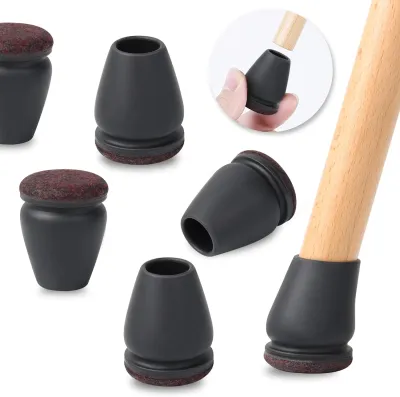
- Silicone offers a flexible, moisture-resistant sleeve that wraps securely around tapered or uniquely shaped chair legs, often utilizing a hybrid felt bottom to combine grip with easy sliding.
By understanding how these materials interact with your floors, you can prevent costly surface damage and keep your chairs moving quietly and smoothly.
Products mentioned in this guide
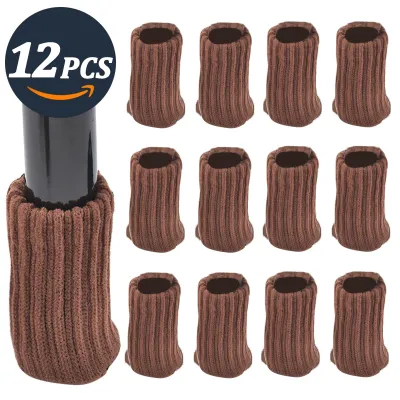
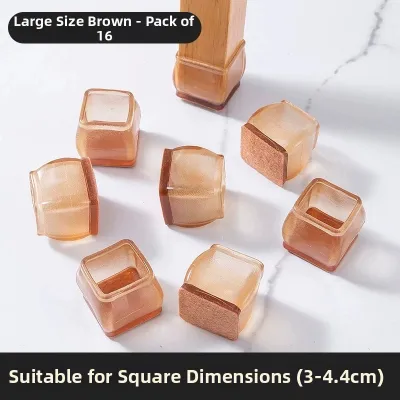
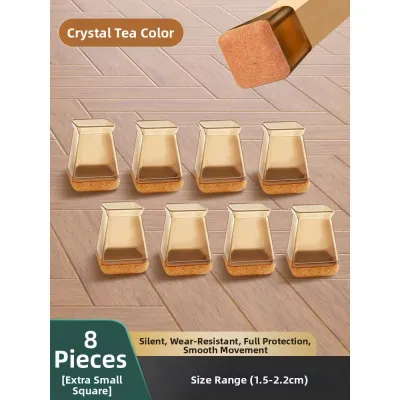
Prices are valid at publication and may change. Please refer to the product page for the latest price.
How Felt, Rubber, and Silicone Protectors Actually Work
Every protector material has distinct physical properties that dictate how it behaves under pressure, how it handles friction, and how it responds to the surrounding environment. Understanding these structural traits allows you to predict how they will perform on your furniture.

Felt Pads
Felt pads are constructed from compressed wool or synthetic fibers, such as polyester, needle-punched into a dense, soft cushion. This fibrous structure is highly effective at reducing friction, allowing chair legs to slide effortlessly across hard surfaces without scraping.
However, felt is naturally porous and compressible. Under heavy, continuous loads, the fibers will eventually flatten and lose their cushioning ability. Furthermore, felt acts like a sponge; it easily absorbs liquid spills, pet hair, and airborne dust. Over time, these trapped particles can dry out and harden, turning a soft pad into an abrasive surface that can scratch your floors if not inspected and cleaned regularly.
Rubber Grips
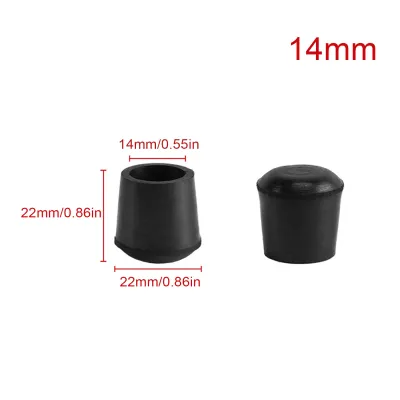
Rubber protectors are dense, high-friction elastomers designed to grip surfaces rather than slide. Whether made from natural rubber or synthetic compounds like neoprene, these grips are engineered to hold furniture firmly in place.
Because rubber does not slide easily, dragging a chair fitted with rubber grips can put immense shear stress on the chair joints and the protector itself. It is also critical to check manufacturer descriptions to ensure the rubber is formulated to be non-marking. Lower-quality black rubber compounds can undergo plasticizer migration, leaving permanent dark scuffs or chemical stains on light-colored floor finishes.
Silicone Caps
Silicone caps leverage the flexibility and elasticity of silicone rubber to create a cup-like sleeve that stretches over the bottom of the chair leg. This design allows the protector to grip the sides of the leg mechanically, staying securely attached without relying solely on pressure-sensitive adhesives that can fail in humid conditions.
Silicone is naturally hydrophobic, meaning it resists water, oils, and household spills, making it highly durable in kitchen and dining environments. Because pure silicone has a high coefficient of friction, sliding a pure silicone cap across a floor can cause it to catch and tear. To address this, many modern silicone caps feature a hybrid design, where a smooth felt pad is permanently fused to the bottom of the silicone cup, offering the secure fit of silicone with the gliding benefits of felt.
Choosing the Right Material for Your Specific Floor Type
Different flooring materials require different levels of protection. Matching the physical traits of your chosen protector to the vulnerabilities of your specific floor is the most effective way to prevent permanent surface damage.
Hardwood, Laminate, and Engineered Wood
Wood floors feature sensitive topcoats, such as polyurethane, lacquer, or oil finishes, which are highly susceptible to scratching from fine grit and abrasive sliding. For these delicate surfaces, low-friction materials are essential for any chairs that are moved regularly.
High-density felt pads are generally preferred for wood floors because their soft fibers absorb tiny dust particles and prevent them from scraping against the wood finish. However, you must avoid using hard rubber or plastic glides, and never use worn-out felt pads that have become embedded with grit, as they will act like sandpaper. Always check your flooring manufacturer’s warranty guidelines, as some explicitly state which protector materials are safe to use without voiding the warranty.
Tile, Vinyl, and Stone
Tile and stone floors are highly durable and scratch-resistant, but they present a unique structural challenge: grout lines. When a chair slides across a tiled floor, the recessed grout joints create uneven gaps that can catch the edges of thin, adhesive-backed felt pads, shearing them off the chair legs.
For tiled surfaces, silicone caps or thicker, wider rubber pads are highly effective because they distribute weight across the gaps and wrap around the chair leg to resist shearing forces. If you have luxury vinyl tile (LVT) or sheet vinyl, be cautious with rubber protectors. Certain synthetic rubber compounds can react chemically with the vinyl’s wear layer, causing permanent yellow or brown discoloration. Always verify that any rubber product you purchase is certified as safe and non-staining for vinyl flooring.
Carpeted Floors
Carpeted floors require a completely different approach to furniture protection. High-friction materials like rubber or silicone will grab carpet fibers, making chairs incredibly difficult to move and potentially snagging or tearing the delicate loops of a carpet.
Felt pads also provide too much resistance on carpet and will quickly peel off due to the lateral drag. To protect carpets from deep indentations and allow smooth movement, you need hard, smooth plastic or polished metal glides. These materials feature a wide, domed base that distributes the furniture’s weight and allows the leg to slide smoothly over the carpet pile without catching or damaging the fibers.
Factoring in Daily Usage: Weight, Movement, and Noise
Beyond the floor material, how you use your furniture on a daily basis plays a major role in determining which protector will perform best over the long term.
Frequently Moved Dining Chairs vs. Stationary Heavy Furniture
Dining chairs experience frequent dynamic loading as they are pulled out, sat on, and pushed back multiple times a day. This constant movement requires a low-friction protector, such as high-density felt or a hybrid silicone-felt cap, to ensure smooth gliding and to reduce lateral strain on the chair’s structural joints.
In contrast, stationary heavy furniture—such as sofas, heavy teak sideboards, bookshelves, or display cabinets—requires high-friction rubber pads. These items do not need to slide; instead, they need to remain firmly in place to prevent accidental shifting when in use. Thick rubber pads also help distribute the heavy static load over a wider surface area, which prevents the legs from leaving permanent indentations in wood, vinyl, or tiled floors.
Noise Reduction and Vibration Dampening
In high-density residential buildings, such as HDB apartments and condominiums in Singapore, concrete floor slabs act as highly efficient conductors of impact noise. The harsh scraping sound of a wooden or metal chair leg moving across a tiled floor can easily travel through the structure, disturbing neighbors below.
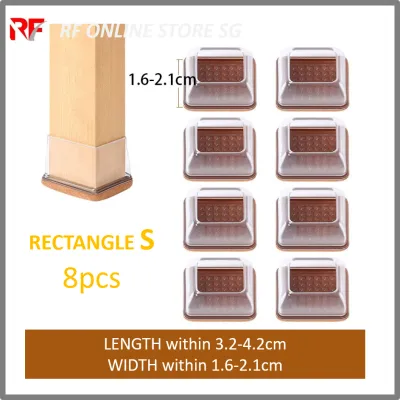
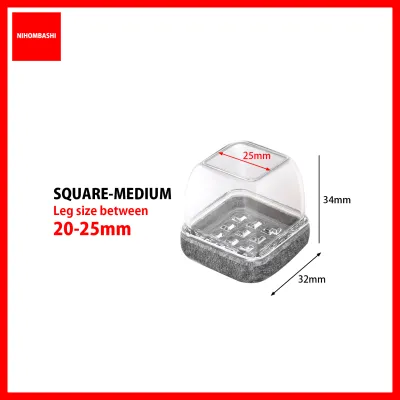
To minimize this acoustic transmission, the thickness and density of your protector material are critical. Thicker, high-density felt pads and soft, dense rubber grips are highly effective at absorbing low-frequency impact vibrations and high-frequency scraping sounds. Before purchasing, always measure the diameter or base dimensions of your chair legs accurately using a ruler or caliper to ensure the protector covers the entire contact patch, maximizing the surface area available for noise dampening.
How to Install, Maintain, and Know When to Replace Protectors
Even the highest-quality chair feet protectors will fail prematurely if they are installed incorrectly or neglected. Following a systematic application and maintenance routine will protect both your furniture and your floors.
To install adhesive-backed or slip-on protectors correctly, follow these preparation steps:
- Clean the leg base: Thoroughly wipe the bottom of the chair leg to remove dust, dirt, and oils. If the leg is wooden, sand the bottom surface lightly with fine-grit sandpaper to remove rough wood fibers and create a smooth, flat surface.
- Remove old residue: Use a mild, floor-safe adhesive remover or isopropyl alcohol to strip away any sticky residue left behind by previous protectors. Let the surface dry completely.
- Apply the protector: Press adhesive-backed pads firmly onto the center of the leg base and hold with steady pressure for at least 30 seconds to activate the bond. If using silicone caps, stretch the cap carefully over the leg, ensuring a snug, straight fit.
- Allow to cure: For adhesive pads, avoid sliding or sitting on the chairs for at least 24 hours to allow the adhesive bond to fully cure.
Regular maintenance is essential to prevent floor damage. Inspect your protectors every three to six months. Run your finger over felt pads to check if they have become hard, crusty, or embedded with grit or pet hair. If you notice severe flattening of felt, tearing or splitting of silicone caps, or rubber pads that are cracking or leaving dark scuff marks, replace them immediately. Always defer to the manufacturer’s specific care and installation guidelines for the best results.
Final Decision Guide: When to Choose Felt, Rubber, or Silicone
To quickly identify the best option for your home, use this conditional framework:
- Choose Felt if: You have hardwood, laminate, or engineered wood floors and need your dining or study chairs to glide smoothly, quietly, and scratch-free.
- Choose Rubber if: You need to keep heavy, stationary furniture like sofas, beds, or heavy cabinets from sliding on smooth tile, stone, or wood surfaces.
- Choose Silicone if: You want a secure, wrap-around fit that resists moisture in kitchen or dining areas, or if you have tapered or angled chair legs where standard adhesive pads easily fall off.
- Verify first if: Your flooring manufacturer has specific warranty restrictions regarding acceptable protector materials, adhesives, or rubber compounds to ensure you do not inadvertently void your coverage.
Frequently Asked Questions (FAQ)
Can I use felt pads on vinyl plank flooring?
Yes, high-density felt pads are safe and highly effective for use on vinyl plank flooring, provided they are kept clean of trapped dirt and grit. However, you should always check your vinyl flooring manufacturer’s care guidelines, as some brands warn against using specific adhesives or rubber backings that can cause chemical discoloration on vinyl surfaces.
How do I remove sticky residue left by old chair protectors?
To safely remove stubborn adhesive residue without damaging your floor or furniture finish, apply a small amount of a mild, floor-safe adhesive remover or warm, soapy water to a soft microfiber cloth. Gently rub the sticky area until the residue lifts. Always test any solvent on an inconspicuous area first, and avoid harsh chemicals like acetone, which can strip protective floor sealants and furniture paint.

Community discussion
Share your experience or ask a question. Comments are reviewed before publication.