
Choosing the right floor protector depends entirely on your specific flooring material, the weight of your furniture, and how often those items move. Felt protectors excel at safeguarding delicate hardwood, engineered wood, and laminate floors while dampening the scraping sounds of frequently moved dining chairs. Rubber protectors provide high-friction grip, making them ideal for heavy, stationary items like sofas, beds, and home appliances that must remain firmly in place. Plastic protectors are best suited for carpeted surfaces, allowing heavy furniture legs to slide smoothly without snagging fibers, or as specialized glides on hard floors when properly maintained. By matching the protector material to your room’s specific conditions, you can prevent costly scratches and gouges without having to constantly replace worn-out pads.
To make an informed decision, you must evaluate three primary criteria: your floor surface type, the weight of the furniture, and the frequency of movement. Hardwood, vinyl, and tile floors require soft or non-abrasive interfaces to prevent micro-scratches, whereas carpets demand rigid, smooth surfaces that distribute weight to prevent deep indentations. Heavy furniture exerts high downward pressure, which can quickly crush soft materials or cause adhesive backings to slide out of alignment. Conversely, lightweight chairs that are pulled out multiple times a day require durable, low-friction materials that glide effortlessly without catching on floor joints.
Use this quick framework to guide your initial selection based on your household’s setup:
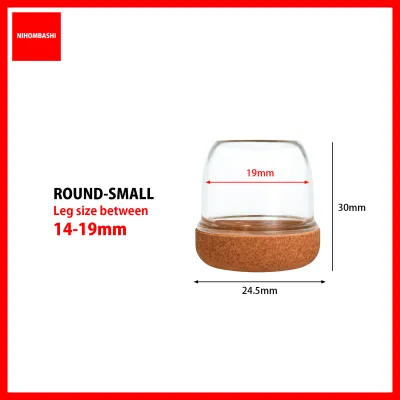
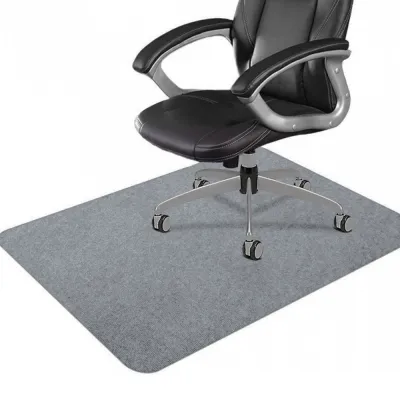
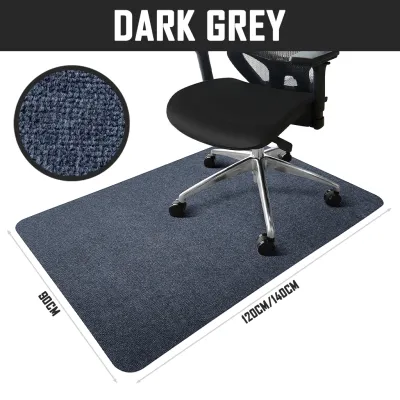
Products mentioned in this guide
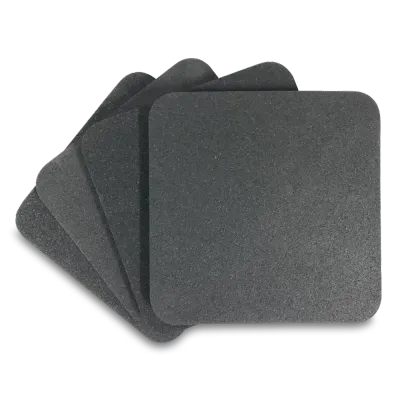
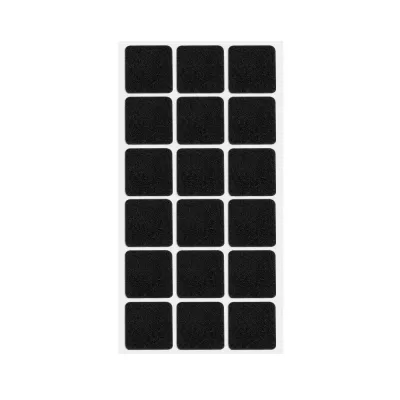
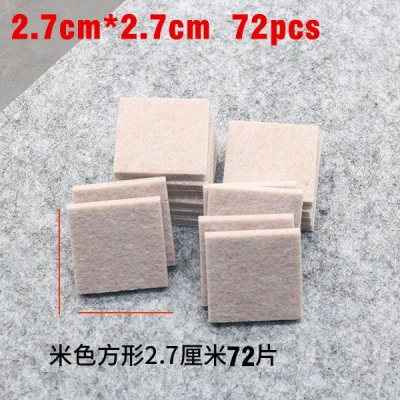
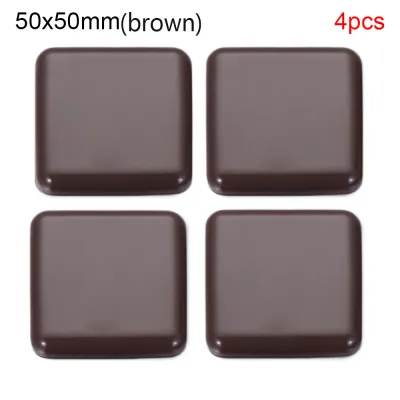
![[SG stocks] PVC Matte Desk Office Chair Floor Mat Protector for Hard Wood Floors chair Rug Anti Scratch](https://img.lazcdn.com/g/p/132f899293a39fcbe853997fc5e9dcba.jpg_400x400q80.jpg_.webp)
Prices are valid at publication and may change. Please refer to the product page for the latest price.
- Choose Felt if you have hardwood, laminate, or delicate tile floors, and you need to protect them from frequently moved furniture like dining chairs, bar stools, or study desks while minimizing scraping noises.
- Choose Rubber if you have heavy, stationary furniture such as sofas, bed frames, washing machines, or shelving units on tile, stone, or concrete floors, and your primary goal is to prevent sliding or shifting.
- Choose Plastic if you are placing heavy furniture on carpeted floors, or if you require heavy-duty, low-friction glides for chairs on durable hard floors and are committed to regular cleaning to prevent grit buildup.
Felt Protectors: Best for Hard Floors and Noise Reduction
Felt protectors are the traditional choice for interior spaces with hardwood, laminate, or polished tile floors. The fibrous structure of felt acts as a soft cushion, distributing the downward force of furniture legs over a slightly wider surface area. This cushioning effect is highly effective at dampening the high-frequency vibrations and harsh scraping sounds that occur when chairs are dragged across a room. Because felt is naturally soft, it absorbs minor imperfections on the floor surface, allowing furniture to glide smoothly without leaving abrasive track marks.
However, felt is susceptible to wear and environmental factors that can compromise its protective qualities. Over time, the constant pressure from furniture weight compresses the fibers, causing the felt to flatten, thin out, and lose its cushioning ability. As the pad hardens, its protective barrier diminishes. More critically, felt acts like a magnet for household dust, pet hair, and outdoor grit. When hard particles of sand or dirt become embedded in the compressed felt fibers, the pad transforms from a soft cushion into an abrasive sandpaper-like surface, scratching the very floor it was meant to protect.
When selecting felt protectors, look for high-density wool or synthetic blends rather than soft, loosely woven craft felt. Check the manufacturer’s specifications for thickness and density ratings to ensure the pads can support your furniture’s weight. Consider the attachment method carefully: self-adhesive pads are easy to apply but can slide off under heavy lateral shear; nail-on or screw-in felt glides offer a highly secure mechanical attachment but require drilling into wooden furniture legs; and slip-on flexible silicone cups with integrated felt bottoms provide a secure, non-invasive fit for standard round or square legs.
Rubber Protectors: Best for Heavy Furniture and Anti-Slip Grip
Rubber protectors are engineered for stability, offering high-friction resistance that keeps heavy furniture securely anchored. When placed under heavy items like sectional sofas, bed frames, or large dining tables, rubber pads grip both the furniture leg and the floor surface, preventing the shifting or creeping that occurs during daily use. This grip is particularly useful on smooth, hard surfaces like polished stone, ceramic tile, or sealed concrete, where lightweight or unanchored furniture can easily slide and damage nearby walls or electrical connections.

Despite their excellent holding power, standard rubber protectors carry a risk of chemical incompatibility with certain modern flooring finishes. Many rubber products contain plasticizers and chemical curing agents that can migrate into polyurethane coatings, natural wood oils, or vinyl wear layers. This chemical transfer can cause permanent yellowing, dark staining, or softening of the floor finish, which cannot be easily cleaned or buffed out. This issue is especially prevalent in warm, humid climates where heat accelerates chemical reactions between the rubber and the floor finish.
To safeguard your floors, always verify that the product packaging explicitly states the rubber is non-marking, non-staining, or safe for all floor types. Inspect the physical texture of the protector; high-quality vulcanized rubber or thermoplastic elastomer (TPE) alternatives are generally more stable than cheap, oily reclaimed rubber. Before installing rubber protectors throughout your home, place a single pad in an inconspicuous area—such as inside a closet or under a heavy appliance—and check it after a few weeks to ensure no discoloration or finish softening has occurred.
Plastic Protectors: Best for Carpets and Smooth Gliding
Plastic floor protectors, often made from high-density polyethylene (HDPE) or polytetrafluoroethylene (PTFE), are designed to minimize friction and facilitate easy movement. On carpeted floors, wide plastic cups or glides are highly effective because they distribute the heavy weight of wardrobes, desks, or sofas across a larger surface area. This prevents the narrow legs of the furniture from sinking deep into the carpet pile, which can crush the fibers and leave permanent, unsightly indentations in your rug or carpet.
While plastic glides allow chairs to slide effortlessly across hard floors, they present distinct risks if used on delicate surfaces. If a plastic protector wears unevenly, cracks under heavy load, or shifts out of alignment, its hard, sharp edges can dig directly into wood or vinyl finishes, leaving deep, permanent gouges. Furthermore, if a tiny piece of grit or sand gets trapped between a hard plastic glide and a hard floor, the glide will drag the particle across the surface under the weight of the user, creating long, visible scratch lines.
To minimize these risks, carefully inspect plastic protectors before purchase to ensure they feature smooth, rounded edges rather than sharp, molded seams. Check that the surface area of the glide is appropriate for the weight of the furniture; larger glides distribute weight more evenly and reduce the localized pressure on your flooring. If you plan to use plastic glides on hard floors, select models with a slightly softer, flexible plastic compound or those specifically rated for multi-surface use, and commit to keeping your floors meticulously clean.
Material Comparison Matrix: Verifiable Traits and Limitations
Choosing the right floor protector requires balancing the physical properties of each material against your specific household needs. The table below outlines the verifiable characteristics, ideal applications, and primary wear indicators for felt, rubber, and plastic protectors to help you make an informed purchase.
| Material | Best Floor Types | Movement Type | Noise Reduction Potential | Primary Wear Indicators | Pre-Purchase Verification |
|---|---|---|---|---|---|
| Felt | Hardwood, laminate, engineered wood, polished tile | Sliding (frequent movement) | High (dampens scraping sounds) | Flattening, thinning, fraying, embedded grit accumulation | Check fiber density, thickness, and adhesive strength or mechanical attachment style. |
| Rubber | Tile, stone, sealed concrete, non-sensitive vinyl | Stationary (anti-slip grip) | Moderate (absorbs heavy impacts) | Hardening, cracking, adhesive sliding, floor discoloration | Verify non-marking or non-staining labels; check for TPE or vulcanized rubber composition. |
| Plastic | Carpets, rugs, durable low-gloss hard floors | Sliding (easy gliding) | Low (can make clicking sounds on hard floors) | Cracking, uneven wear, sharp edges, trapped debris | Inspect for smooth, rounded edges and adequate surface area for weight distribution. |
Installation and Routine Maintenance Checks
Proper installation is critical to ensuring that your chosen floor protectors perform effectively and do not cause accidental damage. Before applying adhesive-backed felt or rubber pads, you must thoroughly clean the bottom of each furniture leg. Use a mild degreasing agent or rubbing alcohol to remove accumulated dust, old adhesive residue, and manufacturing oils, then allow the surface to dry completely. Applying pads to dirty or damp furniture legs will cause the adhesive to fail prematurely, leading to the pad sliding off and exposing the bare wood or metal leg to your floor.
Routine maintenance is just as important as the initial installation. Periodically inspect the underside of your furniture legs to check the condition of the protectors. Run your finger over felt pads to feel for embedded grit, sand, or pet hair, and replace them immediately if they feel hard or abrasive. For rubber pads, check that they have not shifted out of place under heavy loads and that they are not leaving sticky residues. For plastic glides, inspect the edges for cracks or uneven wear that could create sharp points capable of scratching your floors.
If you notice unexpected marks, discoloration, or sticky residue on your flooring, stop using the current protectors immediately. Clean the affected area using a cleaner approved by your flooring manufacturer to prevent permanent finish damage. In cases of high-value or highly sensitive flooring, such as custom-finished hardwood or specialty luxury vinyl, consult the flooring manufacturer’s care guidelines to identify approved protector materials and attachment methods before reinstalling any hardware.
Frequently Asked Questions (FAQ)
Can I use rubber pads on luxury vinyl plank (LVP) flooring?
Standard rubber pads can cause a chemical reaction known as plasticizer migration when placed in direct contact with luxury vinyl plank (LVP) or sheet vinyl flooring. This reaction often leaves permanent, yellow or dark stains on the vinyl’s wear layer that cannot be washed away. To protect LVP floors, check your flooring manufacturer’s warranty guidelines, which often recommend using high-density felt or specialized non-marking thermoplastic elastomer (TPE) protectors instead of traditional rubber.
How often should felt pads be replaced?
Felt pads do not have a fixed lifespan; instead, they should be replaced based on observable wear and household conditions. Inspect your felt pads every three to six months, looking for severe flattening, fraying edges, or a hardened texture caused by compressed fibers and trapped household dirt. If you hear a scraping sound when moving a chair, or if you notice the adhesive backing starting to slip, it is time to peel off the old pads, clean the furniture legs, and apply fresh, high-density felt protectors.
Community discussion
Share your experience or ask a question. Comments are reviewed before publication.