
Protecting indoor flooring from the constant scraping, sliding, and weight of heavy furniture is a critical home maintenance task. When selecting a protective barrier for your furniture, the choice often comes down to two popular self-adhesive options: felt chair leg tape and rubber chair leg tape. Neither material is universally superior; the ideal choice depends entirely on your specific flooring material, how the chair is used, and the ambient environment of your home.
Felt tape is the premier choice for chairs that must slide easily across hard, smooth surfaces. By reducing friction, it allows dining chairs or study seats to glide effortlessly without scratching delicate wood finishes. Rubber tape, conversely, is designed to grip rather than glide. It excels at anchoring stationary furniture—such as heavy bar stools, accent chairs, or office desks—on hard surfaces like ceramic tiles, while providing exceptional shock absorption.
Before buying or applying either tape, you must verify the compatibility of the adhesive backing with your specific floor finish. In warm, humid environments, such as Singapore’s tropical climate, adhesives are prone to softening and sliding, which can leave stubborn residues or chemically react with certain floor sealants. Always check the applied product’s label and the treated item’s manufacturer instructions before installation.
Products mentioned in this guide
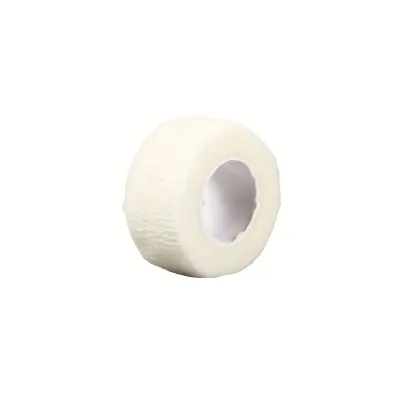
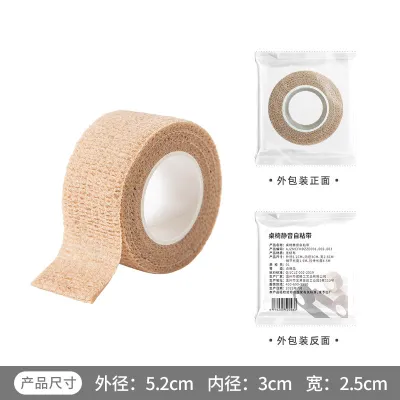
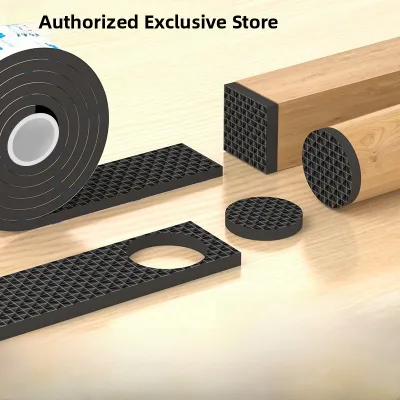
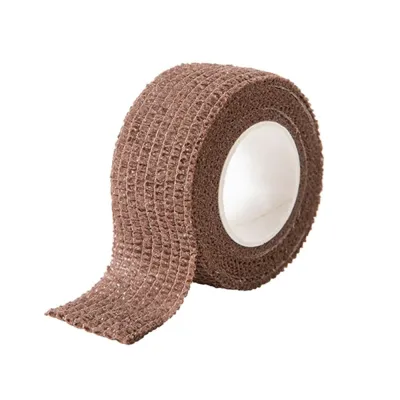
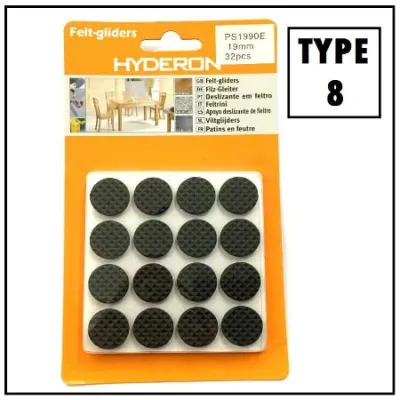
Prices are valid at publication and may change. Please refer to the product page for the latest price.
How Felt and Rubber Tapes Compare on Key Factors
To make an informed decision, it is essential to understand the physical and structural differences between felt and rubber. Felt is a fibrous material, typically made of compressed wool or synthetic fibers like polyester, which creates a soft, cushioned barrier with low surface friction. Rubber is an elastomeric material, consisting of natural or synthetic polymers that exhibit high elasticity, density, and surface grip. These opposing physical profiles dictate how each tape type interacts with your floors, handles weight, and resists wear over time.
Sliding vs. Gripping (Movement Needs)
The fundamental difference between these two materials lies in their coefficient of friction. Felt tape is specifically engineered to minimize friction. When applied to the bottom of a chair leg, the smooth, fibrous surface allows the furniture to slide across hard floors with minimal resistance. This is highly beneficial for dining chairs that are pulled out and pushed in multiple times a day, as it prevents the legs from catching on floor joints or wood grain.
Rubber tape operates on the opposite principle by maximizing friction. The high-grip surface of rubber anchors the chair leg to the floor, preventing any unwanted movement. This is highly advantageous for safety and stability, particularly for bar stools at a kitchen island or chairs used by children and older adults. However, attempting to slide a chair with rubber tape applied will cause the leg to stick, potentially tipping the chair or placing excessive lateral stress on the chair joints and the adhesive backing.
Noise Reduction and Shock Absorption
Moving furniture can generate disruptive noises, ranging from high-frequency squeaks to deep, low-frequency thuds. Felt tape is exceptionally effective at muffling high-frequency scraping and dragging sounds. As the fibrous pad glides across a hard floor, it dampens the vibrations that cause annoying screeching noises, making it ideal for open-plan living areas.
Rubber tape excels in a different acoustic and physical dimension: shock absorption. Because rubber is highly elastic and dense, it absorbs heavy, low-frequency impacts. If a heavy chair is dropped, slammed down, or sat on forcefully, the rubber layer compresses to absorb the energy, protecting both the floor and the chair’s structural joints. Compressed felt, which lacks the same elastic recovery, cannot cushion these heavy vertical impacts as effectively.
Durability and Wear Resistance
The lifespan of your floor protectors depends heavily on the load they bear and the environment they inhabit. Under continuous weight, felt tape gradually compresses, losing its cushioning properties over time. As the fibers flatten and thin out, the adhesive layer can eventually squeeze out or the chair leg itself may come into direct contact with the floor. Additionally, felt is highly susceptible to collecting dust, hair, and grit, which can turn the soft pad into an abrasive surface.
Rubber tape is highly resilient and retains its shape and thickness under heavy, constant loads without flattening. However, rubber is sensitive to environmental conditions. In warm, humid tropical climates, certain synthetic or natural rubber compounds can degrade over time. Exposure to ambient heat and moisture can cause the rubber to harden, become brittle, crack, or even turn sticky, necessitating periodic checks and timely replacement.
Adhesive Residue and Floor Finish Safety
The adhesive backing that keeps the tape secured to the chair leg is a common point of failure and a potential hazard to your floors. In high-humidity climates, standard adhesives can soften, slide off the leg, and leave a sticky, dirt-attracting residue on the floor. Felt tape, being breathable, allows some moisture dissipation, but its adhesive can still fail under heavy lateral shear forces.
Rubber tape poses a unique chemical risk known as plasticizer migration. Many flexible rubber and vinyl products contain plasticizers to keep them pliable. Over time, these chemicals can migrate out of the rubber and react with specific floor finishes, such as the polyurethane sealants used on hardwood or the plastic layers in vinyl flooring. This chemical reaction can cause permanent, dark discoloration or staining that cannot be cleaned off. Always check the manufacturer’s care instructions for both the flooring and the tape to ensure chemical compatibility.
Matching the Tape to Your Specific Flooring
Different flooring materials have unique physical properties, hardness levels, and chemical sensitivities. Consequently, a protector that works perfectly on one surface might damage another. Before applying any adhesive tape, consult your flooring manufacturer’s warranty and care guidelines, as these instructions supersede any general recommendations.

Hardwood and Engineered Wood
Natural wood floors, whether solid hardwood or engineered planks, are highly susceptible to scratching and denting. For these sensitive surfaces, felt tape is the primary recommendation. The soft, non-abrasive fibers allow chairs to slide smoothly, preventing the fine scratches that can dull a polyurethane or oil finish over time.
Using standard rubber tape on hardwood floors is generally discouraged. The high friction of rubber can cause the chair to drag hard against the wood if forced to move, potentially scuffing the finish. Furthermore, the risk of chemical staining from rubber compounds or strong adhesives on sensitive wood sealants is high. If you must use a gripping protector on wood, ensure it is specifically certified as non-marking and safe for hardwood finishes.
Tiles, Vinyl, and Laminate
Ceramic, porcelain, and homogeneous tiles are incredibly durable and highly resistant to scratching, but they are prone to loud scraping noises and impact damage. Rubber tape is an excellent match for tiled floors. It provides the necessary grip to prevent sliding on slick tile surfaces and dampens the sharp, echoing noises of chair legs striking grout lines or hard ceramic.
Luxury vinyl plank (LVP) and sheet vinyl flooring require careful product selection. Vinyl is highly sensitive to plasticizer migration. Standard rubber tape can chemically react with vinyl, leaving yellow or dark stains that are impossible to remove. For vinyl floors, felt tape is a safe option, or you must select a rubber tape explicitly labeled as “vinyl-safe” or “non-staining.” For laminate flooring, felt tape is highly recommended to prevent micro-scratches on the melamine wear layer, which cannot be easily sanded down or refinished.
Carpeted or Uneven Surfaces
Applying thin adhesive tape to chair legs on carpeted floors is generally ineffective. For deep-pile carpets, neither felt nor rubber tape will provide adequate protection or ease of movement. The fibers of deep carpet will catch on the edges of the tape, peeling it off quickly. Instead, wide plastic glides, specialized dome glides, or casters are recommended to distribute weight and allow movement.
On low-pile commercial carpets or slightly uneven hard floors (such as rustic stone or textured tiles), rubber tape can provide a stable, non-slip base that prevents the chair from wobbling. Felt tape is less suitable for textured or uneven surfaces, as the rough edges of stone or grout can quickly shred the soft fibers, leading to rapid wear and frequent replacement.
Felt vs. Rubber Chair Leg Tape: Quick Comparison Table
To help you quickly evaluate which material suits your home setup, the table below outlines the primary functional differences and compatibility risks of felt and rubber chair leg tapes.
| Feature | Felt Tape | Rubber Tape |
|---|---|---|
| Best Use Case | Mobile furniture (dining chairs, study chairs) on smooth hard floors | Stationary furniture (bar stools, desks) requiring stability and grip |
| Friction Level | Low friction (allows smooth sliding and gliding) | High friction (prevents slipping and anchors legs) |
| Noise Reduction Type | Dampens high-frequency scraping and dragging noises | Absorbs low-frequency impact and drop sounds |
| Durability Under Heavy Weight | Compresses and flattens over time; requires more frequent replacement | Retains thickness and shape; may harden or crack in high humidity |
| Primary Floor Compatibility Risk | Collects abrasive grit and dust; adhesive may slide off in high heat | Can cause chemical staining (plasticizer migration) on vinyl and wood finishes |
How to Choose the Right Tape for Your Chairs
Selecting the correct chair leg tape requires balancing the physical needs of your furniture, the vulnerability of your flooring, and the safety of the users. Use the following decision framework to identify the correct material for your specific household needs.
Choose Felt If:
- You have smooth, hard flooring such as solid hardwood, engineered wood, laminate, or smooth luxury vinyl.
- The furniture needs to be moved frequently and easily, such as dining chairs, kitchen chairs, or vanity stools.
- Your primary goal is to prevent fine surface scratches and eliminate high-pitched scraping noises during daily use.
- You are willing to perform regular maintenance to clean off dust and replace worn pads.
Choose Rubber If:
- You have hard, non-porous flooring such as ceramic, porcelain, homogeneous tiles, or sealed concrete.
- The furniture must remain firmly anchored in place for safety, such as high bar stools, heavy armchairs, office desks, or chairs used by young children or elderly family members.
- You require high impact absorption to protect the floor from heavy vertical forces.
- The floor surface is slightly uneven or textured, which would otherwise tear or shred softer fibrous materials.
Neither May Fit If:
- Your chairs are placed on medium-to-deep pile carpeting, where adhesive tapes will quickly peel off due to fiber friction.
- Your floors consist of highly textured, unsealed natural stone (like rough slate), which will rapidly wear down felt and unevenly compress rubber.
- Your flooring manufacturer's warranty explicitly prohibits the use of any adhesive-backed protectors on the surface.
Verify First If:
- You have newly finished hardwood, specialty oiled wood, or high-end luxury vinyl tile (LVT). Always consult the flooring manufacturer's care guidelines before applying any adhesive product. To prevent unexpected chemical reactions or finish damage, test a small piece of the tape in an inconspicuous area—such as inside a closet or under a heavy stationary appliance—for several weeks before applying it to all your chairs. If the instructions for your flooring and the tape conflict, stop and consult a professional flooring installer.
Applying and Maintaining Chair Leg Tape for Maximum Protection
Proper application and routine maintenance are essential to ensure your chair leg tape performs effectively and does not inadvertently damage your floors. Follow these practical, reversible steps to clean, apply, and maintain your floor protectors.
Preparation: Before applying any tape, the bottom of the chair leg must be completely clean and free of debris, old adhesive, oils, and wax. Wipe the base of the leg thoroughly with a clean cloth dampened with rubbing alcohol (isopropyl alcohol). Allow the wood or metal to dry completely. Avoid using household spray cleaners, as they can leave a chemical residue that prevents the adhesive from bonding securely.
Application: Measure the bottom of the chair leg carefully. If using a roll of tape, cut the material to match the exact dimensions of the contact area. The tape must cover the entire base of the leg but should not overhang the edges. Overhanging tape will attract dust, pet hair, and lint, which weakens the adhesive bond and causes the edges to peel prematurely. Press the tape firmly onto the center of the leg base and hold it under pressure for at least thirty seconds to activate the adhesive.
Maintenance: Regularly inspect the bottom of your chair legs. Felt tape acts like a magnet for household dirt, pet hair, and small outdoor grit. If hard particles become embedded in the felt fibers, they will act like sandpaper, scratching your floors every time the chair moves. Vacuum the felt pads periodically using a brush attachment, or gently scrape away embedded debris. For rubber tape, check for signs of sliding, adhesive failure, or accumulating dirt around the edges.
Replacement: Replace the tape immediately when you observe signs of wear. For felt, this includes the pad compressing until it is paper-thin, feeling hard to the touch, or exposing the adhesive layer. For rubber, look for visible cracking, hardening, or peeling edges. To replace the tape, gently peel it off. If adhesive residue remains, use a mild adhesive remover or warm soapy water on a damp cloth to clean the leg base. Ensure the leg is fully dry and clean before applying a fresh piece of tape.
Frequently Asked Questions (FAQ)
Can I use rubber tape on newly polished hardwood floors?
You should exercise extreme caution when applying any adhesive-backed rubber tape to newly polished or refinished hardwood floors. Many polyurethane, lacquer, or oil finishes require several weeks or even months to fully cure and harden. Applying rubber tape too early can trap solvents, react chemically with the fresh sealant, or pull up the finish when the tape is eventually removed. It is best to wait until the finish has completely cured according to the installer’s instructions, or use a soft, breathable felt protector in the interim.
How often should I replace felt or rubber chair leg tape?
There is no fixed timeframe for replacing chair leg tape, as its lifespan depends on the weight of the furniture, the frequency of use, and your home’s humidity levels. Instead, rely on visible and physical checks. Inspect your chair legs every three to six months. Replace felt tape when it becomes compressed flat, feels hard, or accumulates embedded grit. Replace rubber tape if you notice the material hardening, cracking, sliding off the center of the leg, or leaving sticky marks on the floor.
Does chair leg tape leave sticky residue on tiles?
Yes, adhesive-backed tapes can leave a sticky residue on tiles, particularly in warm, humid climates where adhesives degrade and soften over time. If the tape slides off the center of the leg due to lateral force, it can expose the adhesive directly to the tile. To safely remove this residue without damaging your floor, gently scrape the bulk of it off with a plastic scraper. Clean the remaining sticky spots using warm soapy water or a mild, tile-safe adhesive remover, and avoid harsh metal scrubbers that could scratch the tile glaze.
Community discussion
Share your experience or ask a question. Comments are reviewed before publication.