
Quick Answer: Which Chair Leg Protector is Best?
No single “best” option exists when selecting a leg protectors chair solution. The ideal choice depends entirely on your specific flooring material and how frequently the furniture is moved.
For hard, smooth surfaces like polished marble, teak parquet, or luxury vinyl tiles (LVT), high-density felt pads offer the best balance of scratch prevention and quiet, smooth sliding. For heavy, stationary furniture like sofas, wardrobes, or bed frames on slick tile floors, rubber caps provide the necessary grip, stability, and shock absorption to prevent sliding and protect the floor from deep indentations. For carpeted floors, plastic glides are the correct choice because they reduce friction and slide easily without snagging or pulling the carpet fibers.
Before applying any adhesive or rubber-based protector, always check your flooring manufacturer’s warranty guidelines. Some warranties restrict the use of certain adhesives or rubber compounds that can react with floor finishes.
Products mentioned in this guide
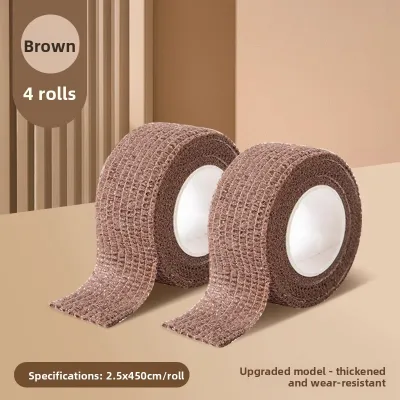
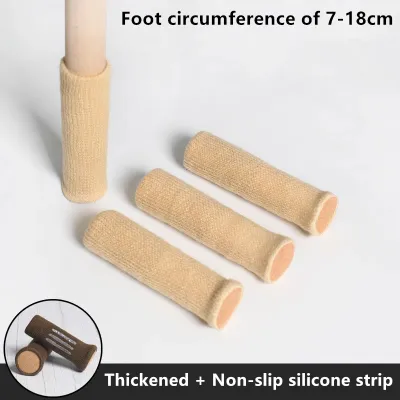
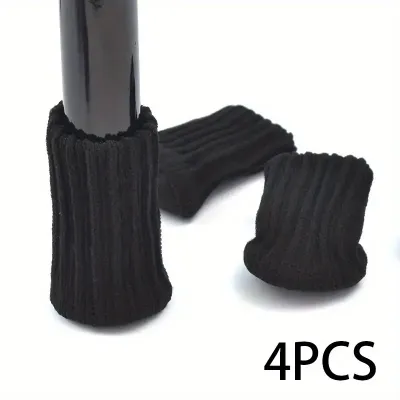
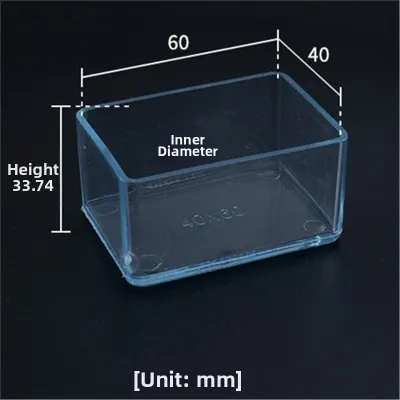
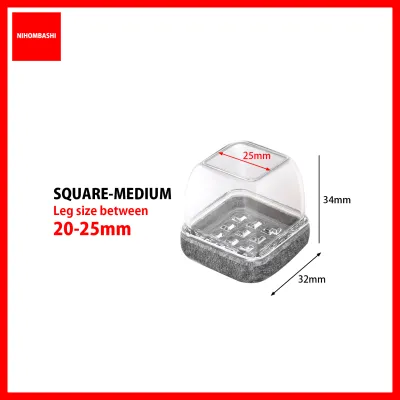

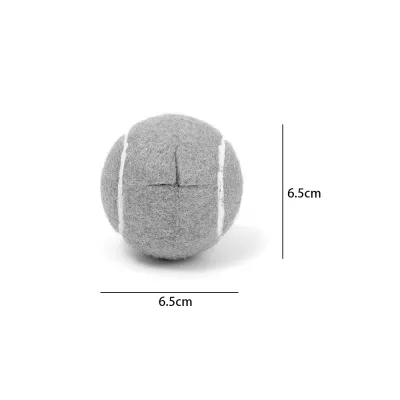
Prices are valid at publication and may change. Please refer to the product page for the latest price.
How Felt, Rubber, and Plastic Protectors Actually Work
To make an informed decision, it is essential to understand the material properties and mechanical designs of these three common leg protectors chair options. Each material interacts differently with floor surfaces based on friction, density, and attachment methods.

Felt Pads: These protectors are manufactured from compressed wool or synthetic fibers, such as polyester. They function by creating a soft, low-friction buffer between the hard wood or metal of the chair leg and the floor surface. When a chair is moved, the felt fibers compress slightly, absorbing minor unevenness in the floor while allowing the leg to glide smoothly. A key mechanical characteristic of felt is its porous structure, which can trap tiny particles of dust and grit within the fibers rather than letting them grind against the floor finish.
Rubber and Silicone Caps: These protectors are designed to cap or stretch over the bottom of the chair leg. Unlike felt, rubber is a high-friction elastomer engineered to grip the floor surface rather than slide over it. They work by creating a seal around the leg base, distributing weight evenly, and providing a cushioned barrier that absorbs vertical shocks and lateral forces. Silicone variations offer more elasticity, allowing them to stretch over non-standard leg profiles, while vulcanized rubber provides higher load capacity and wear resistance for heavy furniture.
Plastic Glides: Typically constructed from high-density polyethylene (HDPE) or polytetrafluoroethylene (PTFE), plastic glides feature a hard, smooth, dome-shaped profile. They are designed to minimize the contact surface area between the furniture leg and the floor. When installed on soft surfaces like carpets, the dome shape allows the glide to sink slightly into the pile and slide effortlessly across the fibers without catching. On hard surfaces, however, this hard plastic material cannot absorb impact and offers no grit-trapping capability, which alters how it must be used.
Comparing Performance Across Hard Floors, Vinyl, and Carpet
Choosing the wrong material can lead to irreversible floor damage, annoying scraping sounds, or unstable furniture. Evaluating how each protector performs on different flooring materials is critical for long-term protection.
Floor Type Compatibility
Hardwood parquet, polished marble, and luxury vinyl tiles (LVT) require careful protection. Felt pads are generally safe for these premium hard surfaces because they glide without scratching. However, if fine sand or grit becomes embedded in the felt, it acts like sandpaper, scratching the floor finish over time.
Rubber caps offer excellent grip on ceramic and porcelain tiles, preventing chairs from sliding dangerously. However, low-quality rubber containing certain plasticizers can chemically react with vinyl or LVT flooring, leaving permanent yellow or dark stains.
Plastic glides are highly incompatible with hard floors. Because plastic is hard and unyielding, any small piece of grit trapped beneath a plastic glide will be dragged across the floor under the weight of the user, causing deep, permanent gouges. Plastic glides should be reserved strictly for carpeted areas.
Noise Reduction and Shock Absorption
In multi-story residential buildings, such as high-density apartments and condominiums, the sound of scraping chairs on concrete-backed floors can easily disturb neighbors. Felt pads are highly effective at dampening high-frequency scraping noises, turning a harsh screech into a muffled slide.
Rubber caps excel at shock absorption and dampening low-frequency thuds. When someone sits down heavily on a chair, the rubber compresses, absorbing the impact energy and preventing it from vibrating through the building’s structure.
Plastic glides provide virtually no noise reduction or shock absorption on hard floors. When dragged across tiles or wood, they produce a loud, high-pitched scraping sound and transfer all impact energy directly into the floor and furniture joints.
Durability and Adhesion
The lifespan and reliability of a leg protectors chair solution depend heavily on how it attaches to the furniture. Adhesive-backed felt pads are easy to install but are highly prone to peeling off, especially in humid tropical environments where moisture can degrade the adhesive bond. Nail-on or screw-in felt pads are far more secure but require drilling into the wooden leg, which permanently alters the furniture.
Rubber caps rely on physical tension to stay in place. Over time, the constant lateral movement of dining chairs can cause the rubber to stretch, degrade, crack, or tear, eventually slipping off the leg.
Plastic glides, particularly nail-on or screw-in models, are incredibly durable and can last for years without wearing down. However, because they are permanently attached, replacing them requires pulling out the old nail or screw, which can weaken the wood grain of the chair leg if done repeatedly.
Side-by-Side Comparison of Chair Leg Protectors
To help you quickly identify the best match for your home, the table below compares the key physical properties, ideal use cases, and installation methods for each protector type. Use this matrix to cross-reference your specific flooring with your furniture usage patterns.
| Feature | Felt Pads | Rubber Caps | Plastic Glides |
|---|---|---|---|
| Best Floor Type | Hardwood, parquet, polished marble, luxury vinyl tiles (LVT) | Ceramic tile, polished stone, heavy stationary surfaces | Carpeted floors, soft rugs |
| Primary Function | Smooth sliding, scratch prevention | Grip, floor traction, stability | Friction reduction, easy sliding on soft pile |
| Noise Reduction | High (muffles scraping sounds on hard floors) | High (absorbs vertical impact and low-frequency thuds) | Low (can scrape loudly on hard surfaces) |
| Durability | Moderate (fibers compress; adhesive can slip over time) | Moderate to High (elasticity degrades; prone to tearing) | High (hard plastic resists wear; permanent attachment) |
| Installation Method | Adhesive-backed, nail-on, or screw-in | Slip-on sleeve, stretch-to-fit cap, or cup | Nail-on, screw-in, or tap-in glide |
How to Choose Based on Your Furniture and Usage
Selecting the right protector requires looking beyond the floor material to analyze how the furniture itself is used daily. The weight of the piece and the frequency of its movement dictate which physical properties are most beneficial.
Dining Chairs and Frequent Movers
Dining chairs are moved multiple times a day, requiring a protector that facilitates smooth, effortless sliding. For these high-traffic pieces, thick, high-density felt pads are the premier recommendation. The low friction of felt allows the chair to slide back and forth quietly without the “sticking and jerking” motion common with rubber caps.
To prevent the common issue of adhesive felt pads sliding off the leg under lateral pressure, opt for nail-on or screw-in felt protectors for wooden legs. If you prefer not to drill into your furniture, choose heavy-duty adhesive pads with a high-bond acrylic tape backing, and ensure the leg base is perfectly prepped before application.
Heavy Sofas and Stationary Furniture
For stationary furniture like heavy sofas, wardrobes, bed frames, and bookshelves, the goal is stability and weight distribution rather than movement. Under heavy loads, felt pads will compress flat very quickly, losing their cushioning ability and potentially sliding out of place when someone sits down.
Instead, use heavy-duty rubber caps or thick rubber cups. The high-friction coefficient of rubber prevents these heavy pieces from creeping or sliding against the wall when you sit down. Furthermore, rubber’s elastic nature helps distribute heavy loads across a wider surface area, protecting vinyl and wood floors from deep indentation marks.
Stools and Metal-Legged Chairs
Thin, hollow, or angled metal legs present a unique challenge for floor protection. Standard adhesive felt pads will not stay attached to thin metal rims, and nail-on options are impossible to install.
For metal-legged chairs or bar stools, flexible silicone or rubber caps with integrated felt bases are highly effective. The elastic silicone sleeve stretches over the metal leg, securing the protector in place through tension, while the felt bottom allows the chair to slide smoothly on hard floors. Alternatively, if the metal legs have pre-drilled threaded inserts, you can install specialized screw-in plastic glides or felt-tipped glides designed specifically for metal furniture.
Installation and Maintenance for Long-Lasting Floor Protection
Even the highest quality leg protectors chair products will fail or cause floor damage if they are installed incorrectly or neglected. Consistent maintenance is the key to preserving both your furniture and your flooring.
Before applying any adhesive-backed protector, you must thoroughly clean and dry the bottom of the chair legs. Use a fine-grit sandpaper to gently smooth away any rough wood fibers, and wipe the area with rubbing alcohol to remove old adhesive residue, wax, or dust. This ensures the maximum possible bond strength, which is especially important in humid climates where adhesive can easily fail.
Establish a monthly inspection routine for your chair legs. For felt pads, check for embedded grit, pet hair, or small stones. If you find debris, use a stiff brush or a piece of strong adhesive tape to clean the felt. If the debris cannot be removed, replace the pad immediately to prevent it from scratching your floors.
Watch for clear replacement triggers. For felt, replace the pads when the fibers compress flat, become hard, or when the adhesive backing begins to squeeze out from the sides. For rubber caps, replace them at the first sign of cracking, tearing, or when the bottom wears thin. For plastic glides, inspect the surface for sharp burrs or scratches that could damage your carpet or hard floors.
If a protector fails completely, exposing the raw wood or metal of the chair leg, stop using the chair on hard floors immediately. Continuing to use unprotected furniture can result in deep gouges that require expensive floor refinishing to repair.
Frequently Asked Questions (FAQ)
This section addresses specific concerns regarding material interactions, maintenance timelines, and floor compatibility.
Do felt pads ruin vinyl floors?
Felt itself does not ruin vinyl floors, but the adhesive backing used on some pads can contain chemicals that react with certain luxury vinyl tile (LVT) finishes, leading to discoloration. Additionally, if dirt and grit become trapped in the felt fibers, they can act as an abrasive, causing micro-scratches on the vinyl surface. To protect your vinyl flooring warranty, consider using non-adhesive slip-on silicone sleeves with felt bases, or nail-on felt pads that do not rely on chemical adhesives.
How often should I replace chair leg protectors?
There is no fixed expiration date for chair leg protectors; the replacement interval depends on the weight of the furniture, the frequency of use, and the cleanliness of your floors. Generally, felt pads on highly active dining chairs should be inspected monthly and typically replaced every six to twelve months. Rubber caps on stationary furniture can last several years but should be replaced immediately if they show signs of splitting, cracking, or losing their elasticity.
Can I use rubber caps on carpeted floors?
You should avoid using rubber caps on carpeted floors. Rubber is designed to provide high friction and grip, which makes it extremely difficult to slide furniture across a carpet. Dragging a rubber-capped chair leg across carpet fibers can cause the carpet to stretch, snag, or pull loose from its backing. For carpeted floors, use hard plastic glides or specialized carpet casters, which are engineered to reduce friction and allow smooth movement.
Community discussion
Share your experience or ask a question. Comments are reviewed before publication.