
Quick Answer: Core Criteria for HDB Fabric Sofas
Selecting the ideal fabric two-seater sofa for a Housing & Development Board (HDB) living room requires a careful balance of spatial planning, material selection, and brand evaluation. Because HDB flats often feature compact layouts and specific entry pathways, finding a sofa that fits comfortably without obstructing daily traffic is a primary concern. Homeowners must conduct strict dimensional checks, ensuring the furniture can clear lift doors, tight stairwells, and unit entryways during delivery. Additionally, verifying fabric care labels and choosing materials suited for Singapore’s humid climate will prevent premature wear, while vetting brands on their delivery fees and warranty terms ensures long-term satisfaction.
Navigating Space and Sizing Constraints in HDB Flats
Measuring the designated floor area is the foundation of a successful sofa purchase. In typical HDB layouts, especially in newer 3-room and 4-room flats, living room space is highly optimized. Homeowners should map out the sofa’s footprint using masking tape on the floor to visualize how much physical space it will occupy. It is essential to maintain at least 60 to 75 centimeters of walking clearance around the sofa to allow for comfortable movement. Additionally, consider the placement of adjacent furniture, such as TV consoles, coffee tables, and side tables, as well as the swing clearance of balcony doors or windows.

The delivery path is often the most overlooked bottleneck when purchasing bulky furniture. Standard HDB passenger lifts have specific door opening widths, cabin heights, and diagonal depths that can restrict the transport of rigid sofa frames. Homeowners must measure the lift door height and width, the interior cabin dimensions, and the clearance of any tight stairwell corners if lift access is unavailable. Unit door frames and narrow hallways inside the flat must also be measured to ensure the delivery team can maneuver the sofa into the living room without damaging the walls or the furniture itself.
Products mentioned in this guide
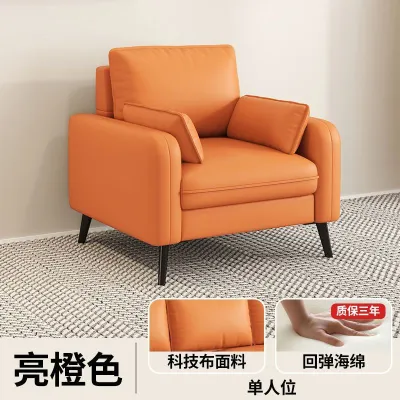
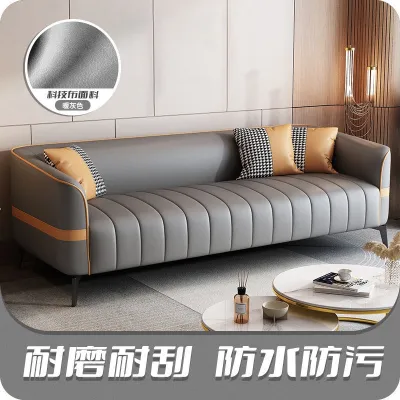
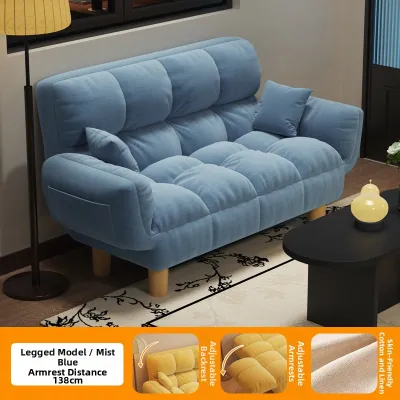
Prices are valid at publication and may change. Please refer to the product page for the latest price.
When comparing sofa models, look closely at the total footprint rather than just the seating area. A sofa’s total length includes the width of both armrests, which can vary significantly from slim, space-saving profiles to wide, overstuffed designs. Leg protrusion and backrest angles also affect the total depth of the sofa, influencing how far it will sit from the wall. Comparing these total dimensions against the manufacturer’s specifications is crucial to ensure the sofa fits the intended space and can be successfully delivered.
For homes with exceptionally tight access routes, modular designs or sofas with detachable components offer a practical solution. Many modern two-seater sofas feature removable legs, detachable armrests, or modular frames that can be transported in separate, smaller boxes and assembled directly in the living room. This design flexibility significantly reduces the risk of delivery failures and allows homeowners to choose slightly larger seating options that would otherwise be impossible to transport through standard HDB lifts.
Evaluating Fabric Durability and Maintenance Needs
Reviewing the manufacturer’s care labels is a critical step in assessing how much effort will be required to keep the sofa clean. Fabric care labels typically feature standard codes that indicate the approved cleaning methods. For example, a code “W” means the fabric can be cleaned with water-based detergents, while “S” requires solvent-based dry-cleaning chemical solutions. Understanding these codes beforehand helps homeowners choose a fabric that aligns with their lifestyle and maintenance preferences, preventing accidental damage from using incorrect cleaning agents.
Singapore’s tropical climate, characterized by high humidity and warm temperatures, demands careful consideration of fabric breathability and moisture management. Homeowners should ask retailers for detailed specifications regarding the fabric’s composition and weave. Synthetic fibers like polyester, nylon, or acrylic blends are often preferred for humid environments because they resist moisture absorption, dry quickly, and are less prone to stretching or sagging compared to natural fibers. Loose weaves made of pure cotton or linen can trap moisture and dust, potentially leading to mold growth or musty odors if the room is not well-ventilated.
Removable and washable cushion covers are highly advantageous for maintaining a clean living environment. Homeowners should verify whether the seat and back cushion covers feature high-quality, durable zippers that allow for easy removal. It is equally important to confirm whether these covers are machine washable or require professional dry cleaning. Washing dry-clean-only covers in a standard washing machine can cause severe shrinkage, color fading, or structural damage, making it difficult or impossible to fit them back onto the foam inserts.
Requesting physical fabric swatches from the retailer is an excellent way to test the material’s quality before making a final decision. Having a physical swatch allows homeowners to feel the texture, assess the thickness, and test the fabric’s resistance to pilling by rubbing it vigorously. It also provides an opportunity to place the swatch in the actual living room to see how the color looks under different lighting conditions, such as natural daylight, cool fluorescent light, and warm evening lighting, ensuring the final product matches the home’s interior design.
Vetting Brands for HDB Delivery and Warranty Support
Confirming a retailer’s delivery policies is essential to avoid unexpected costs and logistical headaches on delivery day. Homeowners should ask whether the brand’s standard delivery fee includes assembly and placement in the living room, or if these services incur additional charges. It is also crucial to clarify the fees associated with HDB lift constraints. If the sofa cannot fit into the lift and must be carried up the stairs, most brands charge a stair-carry fee, which typically ranges from S$10 to S$30 per floor. Understanding these potential surcharges beforehand allows for accurate budgeting.
Reading the warranty terms carefully is vital to understanding the level of protection and after-sales support offered by the brand. A comprehensive sofa warranty should clearly distinguish between the coverage periods for different components. Typically, structural frames and suspension systems carry longer warranties, often ranging from three to ten years, while foam cushions and fabric covers may only be covered for one to two years against manufacturing defects. Homeowners should look for specific clauses regarding foam sagging, joint separation, and seam splitting to ensure they are adequately protected.
Understanding the brand’s return, exchange, and cancellation policies is equally important, especially when purchasing online or ordering customized pieces. Many furniture brands have strict policies regarding made-to-order sofas, often charging high cancellation fees or refusing returns entirely unless the product is defective. For standard models, check the return window—which commonly ranges from 7 to 14 days—and verify who bears the cost of return transport and restocking fees, as these charges can be substantial.
Evaluating a brand’s reputation through transparent customer feedback provides valuable insights into their real-world reliability. Homeowners should look for reviews on independent platforms, focusing on how the brand handles delivery delays, product defects, and warranty claims. A brand that consistently receives praise for prompt communication, professional delivery teams, and hassle-free resolution of post-purchase issues is far more reliable than one with numerous unresolved complaints regarding poor craftsmanship or unresponsive customer service.
Building Your Shortlist: The Pre-Purchase Checklist
To simplify the buying process, homeowners can use a structured, condition-based filtering method to narrow down their options. This approach ensures that only sofas meeting all spatial, material, and logistical requirements make it to the final shortlist, saving time and reducing the risk of a mismatched purchase.
Step 1: Define Spatial Limits
- Measure the maximum allowable length, depth, and height for the sofa in the living room.
- Measure all entry points, including lift doors, unit doors, and hallway corners, to establish maximum delivery dimensions.
- Eliminate any sofa model that exceeds these limits, regardless of its aesthetic appeal or price.
Step 2: Assess Fabric and Maintenance Specifications
- Identify the preferred fabric composition (e.g., high-durability polyester blend) and care requirements.
- Confirm if the cushion covers are fully removable and machine washable.
- Request fabric swatches to verify color, texture, and pilling resistance under actual home lighting.
Step 3: Evaluate Brand Logistics and Support
- Confirm the total delivery cost, including potential stair-carry fees or assembly surcharges.
- Review the warranty terms, ensuring adequate coverage for the structural frame and foam cushions.
- Check the return and exchange policies, noting any restocking fees or exclusions for customized items.
Step 4: Conduct Showroom and Review Checks
- Visit physical showrooms to test the seat firmness, back support, and overall comfort of the shortlisted models.
- Cross-reference customer reviews, focusing specifically on delivery experiences and long-term fabric wear in similar HDB layouts.
- Contact the brand to confirm current stock status, lead times, and whether the exact fabric batch is available for viewing.
Frequently Asked Questions (FAQ)
How do I know if a two-seater sofa will fit through my HDB lift?
To determine if a two-seater sofa will fit through your HDB lift, you must measure three critical dimensions: the lift door width, the lift door height, and the cabin’s interior depth and diagonal clearance. Compare these measurements against the sofa’s largest indivisible component, which is typically the main frame if the legs and cushions are detachable. If the sofa’s packaged dimensions are close to the lift’s limits, consult the building’s managing agent or the sofa brand’s delivery team for a pre-purchase site assessment to avoid delivery complications.
Are fabric sofas suitable for humid climates?
Fabric sofas can be highly suitable for humid climates, but their performance depends heavily on the specific fabric weave, composition, and maintenance routine. Look for manufacturer specifications indicating high breathability, moisture resistance, or anti-microbial treatments that prevent mold and mildew growth. To maintain the fabric’s integrity, ensure the living room has adequate ventilation, use a dehumidifier if necessary, and avoid placing the sofa directly against damp exterior walls where moisture can accumulate.
What should I look for in a sofa warranty?
When evaluating a sofa warranty, look for clear distinctions between the coverage for the structural frame, the suspension system, the foam cushions, and the outer fabric. A reliable warranty should cover frame warping or joint failure and significant foam sagging under normal use. Be aware of common exclusions, such as normal wear and tear, fabric fading from direct sunlight, or damage caused by improper cleaning methods. Additionally, check if the warranty requires you to keep professional cleaning records to remain valid over time.

Community discussion
Share your experience or ask a question. Comments are reviewed before publication.