
Finding the perfect slim display cabinet in Singapore requires balancing aesthetics with the practical realities of high-rise living and a tropical climate. A slim cabinet is an excellent space-saving solution for displaying prized collectibles, books, or tableware without consuming valuable floor area. However, because of their narrow footprint and tall profile, these furniture pieces demand careful evaluation before purchase. To identify which brands are truly worth your investment, you must look beyond style and assess structural integrity, material suitability, and the reliability of local after-sales support.
Rather than focusing solely on brand names, smart buyers evaluate the manufacturing standards, warranty terms, and delivery logistics offered by retailers. Because Singapore’s housing landscape consists primarily of high-rise apartments with specific access limits, the purchasing process involves several critical checkpoints. By understanding how to inspect materials, plan for delivery, and verify installation safety, you can confidently select a slim cabinet that is both beautiful and secure for your home.
Evaluating Brand Reliability and After-Sales Support
When assessing different furniture brands in Singapore, the strength of their after-sales support is often the defining factor between a frustrating purchase and a seamless, long-term investment. A reliable brand should offer a clear, written warranty that explicitly outlines what is covered. While many retailers advertise multi-year warranties, these often only cover major structural components like the main frame or solid wood joints, while excluding wear-and-tear items such as magnetic latches, LED lighting strips, or shelf pins.
Products mentioned in this guide
![[TheGoodFurniture] Plastic Cabinet. Personal Locker. Storage System. Multipurpose Cupboard. cupboard storage Washable and Durable. Slim and Tall Cabinet.*FAST DELIVERY*](https://img.lazcdn.com/g/p/123dc66709979b8b69307856305381b0.jpg_400x400q80.jpg_.webp)

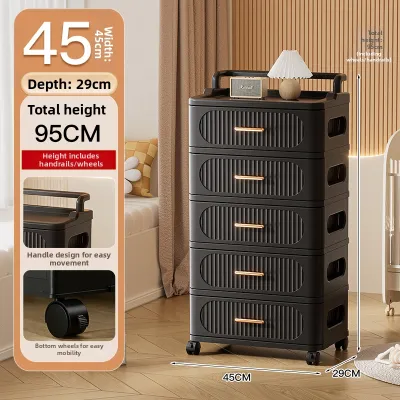
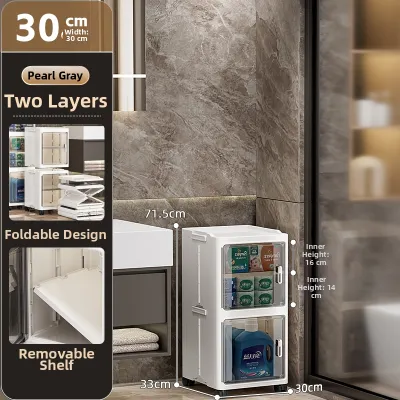
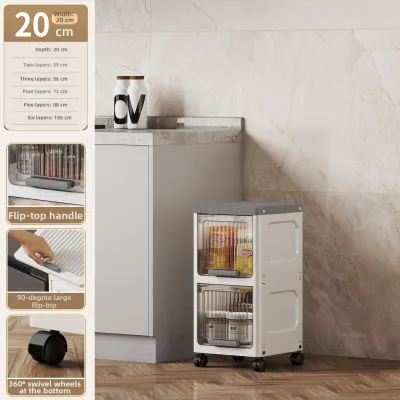
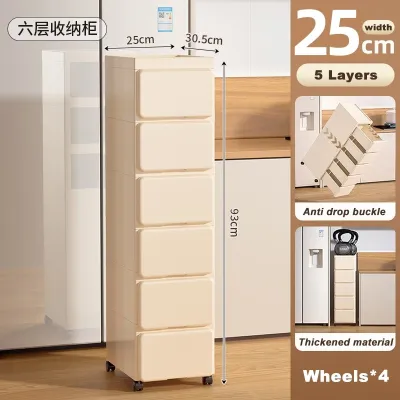
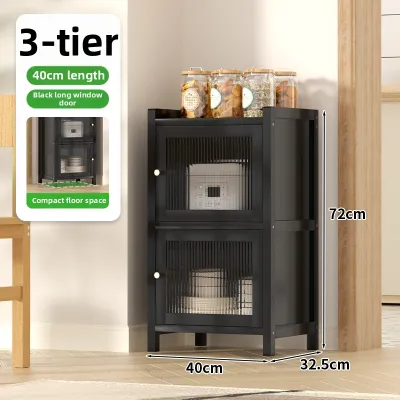
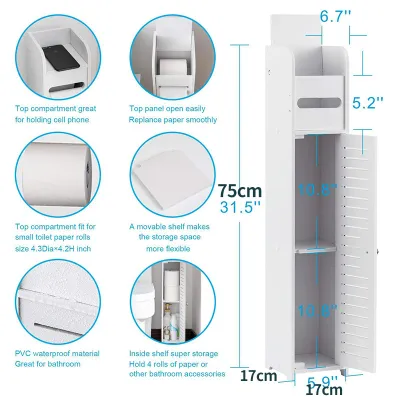
Prices are valid at publication and may change. Please refer to the product page for the latest price.
Glass panels and doors require special attention during the warranty review. Because glass is highly susceptible to damage during transit or assembly, you must verify the brand’s policy on immediate replacement. A reputable brand will typically guarantee the replacement of any glass panels that are scratched, chipped, or cracked upon delivery, provided the damage is reported before the delivery team leaves your premises. Once the delivery receipt is signed, proving that the damage occurred prior to arrival becomes significantly more difficult.
Another critical aspect of brand reliability is the long-term availability of replacement parts. Over years of daily use, moving parts like soft-close hinges, sliding door tracks, and shelf support pegs can wear out or become misplaced. Brands with established local warehouses or standardized hardware systems make it much easier to source these small but essential components. Before finalizing your purchase, ask the retailer if they stock replacement hardware or if you would need to source third-party alternatives if a hinge fails in the future.
Finally, take the time to research customer feedback regarding delivery handling and dispute resolution. Look for reviews on independent local platforms that specifically mention how the brand handles delivery mishaps or assembly errors. A brand that actively resolves issues, offers prompt communication, and sends technicians to rectify alignment problems is far more valuable than one that simply offers the lowest initial price point.
Space Planning and Delivery Access Checks
Before purchasing a slim cabinet, precise measurements of both your designated room and the delivery route are essential to avoid costly return fees or delivery failures. Begin by measuring the exact floor space where the cabinet will stand. In Singapore, most homes feature skirting boards along the base of the walls; if your chosen cabinet does not have a base cutout to accommodate these boards, it will not sit flush against the wall, which can compromise stability and make wall anchoring difficult.

Next, evaluate the delivery access route from the unloading bay to your front door. Because slim cabinets are often tall and delivered fully assembled to preserve structural rigidity, they can be difficult to maneuver through tight spaces. Measure the height, width, and diagonal clearance of your building’s elevator doors and cabin interior. If you live in an older estate or a walk-up apartment, you must also measure the turning radius of the stairwells to ensure the delivery team can safely carry the piece to your floor.
Within your home, consider the clearance required for the cabinet doors to open fully. If the cabinet is placed in a narrow hallway or next to other furniture, swing-out glass doors may block foot traffic or risk colliding with nearby objects. In tight spaces, a slim cabinet with sliding glass doors or an open-shelf design is often a much safer and more practical choice.
Lastly, match the internal shelf depth of the cabinet to the specific dimensions of your intended display items. Keep in mind that the external depth listed on the product specification sheet includes the thickness of the back panel, the front frame, and the doors. The actual usable shelf depth is often 2 to 5 cm shallower than the external measurement. Measure your largest collectibles, plates, or books beforehand to ensure they will fit comfortably behind closed doors.
Inspecting Materials, Finishes, and Structural Stability
Singapore’s tropical climate, characterized by high relative humidity throughout the year, poses unique challenges for furniture preservation. High humidity can cause low-grade engineered woods, such as standard particleboard or medium-density fibreboard (MDF), to absorb moisture, swell, sag, or develop mold over time. When evaluating brands, look for materials that are treated or naturally resistant to moisture, such as high-pressure laminates, melamine-faced moisture-resistant MDF, powder-coated metal, or solid hardwoods.
Inspect the quality of the surface treatments and edge banding on all visible and hidden edges of the cabinet. Poorly applied edge banding allows moisture to penetrate the inner core of the wood, leading to premature warping. Run your fingers along the edges to check for smooth, seamless joints and ensure there are no peeling corners or exposed raw wood, particularly at the base of the cabinet where floor mopping might introduce water contact.
Structural stability is paramount for any tall, narrow furniture piece. When visiting a showroom, gently shake the display model to test its rigidity. High-quality cabinets utilize robust joint structures, such as dowels, wood screws, and reinforced corner brackets, rather than simple glue or thin nails. The back panel should be thick and securely grooved into the main frame, as a flimsy, stapled-on back panel will allow the cabinet to sway or lean over time.
Because slim cabinets have a high center of gravity and a narrow footprint, they present a significant tipping hazard if they are bumped or overloaded. A reliable brand will always design their tall cabinets with built-in wall-anchoring points and include the necessary safety hardware in the package. Examine the base of the cabinet as well; models with adjustable leveling feet are highly desirable, as they allow you to compensate for uneven flooring and ensure the cabinet remains perfectly upright.
Choosing Retail Channels and Confirming Delivery Details
Deciding where to buy your slim cabinet involves weighing the benefits of physical showrooms against the convenience of online-only retailers. Visiting a physical showroom allows you to personally inspect the glass thickness, test the smoothness of the door hinges, and verify the overall build quality. Multi-brand furniture retailers often provide a wider variety of styles and price points in one location, whereas official brand showrooms offer deeper product knowledge and more direct access to customization options.
Before making a payment, clarify all logistical details and potential hidden fees with the retailer. Delivery fees in Singapore can vary widely; some brands offer free delivery for purchases above a certain threshold, such as S$150 or S$200, while others charge flat rates regardless of the order value. Additionally, ask about floor-level surcharges if your building does not have lift access, as carrying heavy furniture up staircases typically incurs an extra fee per floor.
Another crucial detail to confirm is whether professional assembly is included in the purchase price or if it requires a separate booking. For slim glass cabinets, professional assembly is highly recommended. Experienced installers have the tools and expertise to align glass doors perfectly, adjust hinges to prevent scraping, and ensure the cabinet is level. If you choose to assemble the unit yourself, ensure you have a helper, as handling large glass panels alone is highly risky.
Finally, inquire about old furniture disposal services if you are replacing an existing cabinet. Many local retailers offer disposal services for a nominal fee, usually ranging from S$50 to S$100, depending on the size of the item. Arranging this service through your furniture retailer is often much more convenient than coordinating with your town council or private waste collectors, ensuring a smooth transition for your new home setup.
Frequently Asked Questions (FAQ)
How to determine the right shelf depth for your display items?
To find the correct shelf depth, start by measuring the widest and deepest items you plan to display, such as large art books, dinner plates, or collectible figurines. Add a safety margin of at least 2 to 3 cm to this measurement to prevent the items from pressing against the glass doors or the back panel. Next, subtract the thickness of the cabinet doors, hinges, and sliding tracks from the manufacturer’s listed external depth to calculate the true internal shelf depth. If you are displaying items that require power cables, such as illuminated models or digital frames, remember to account for the extra space needed for plugs and wire routing at the back of the shelf.
What safety measures are necessary for narrow, tall cabinets?
Because narrow, tall cabinets have a high center of gravity, securing them to the wall is the most critical safety measure to prevent tipping. Always use the manufacturer-provided wall-anchoring brackets or heavy-duty safety straps. You must select the appropriate wall plugs and screws based on your wall type: concrete walls require masonry drills and plastic wall plugs, while drywall partitions require specialized toggle bolts. Additionally, always distribute the weight of your display items strategically by placing the heaviest objects on the bottom shelves and lighter items on the upper shelves to lower the overall center of gravity and improve stability.

Community discussion
Share your experience or ask a question. Comments are reviewed before publication.