
Selecting a foldable single bed frame for a child requires balancing space-saving convenience with rigorous safety checks. To ensure a secure sleeping environment, a child’s foldable bed must feature robust, child-resistant locking mechanisms, pinch-point protection at every hinge, and verifiable compliance with recognized furniture safety standards. Because these beds are designed to fold, their moving parts introduce unique risks that standard stationary frames do not have. Parents must look beyond aesthetics and focus on physical safeguards, structural stability, and clear manufacturer certifications before introducing a folding bed into a child’s bedroom.
For families living in Singapore where space optimization is key, foldable single beds offer an excellent way to maximize bedroom floor space during the day. However, the convenience of a folding mechanism should never compromise a child’s safety. By understanding what to look for on product labels and how to test the physical frame, you can confidently select a bed that is both practical and secure.
Evaluating Safety Certifications and Compliance Labels
When shopping for children’s furniture, safety certifications serve as the first line of defense. Before purchasing a foldable single bed frame, locate the physical safety labels, tags, or stamps on the frame itself, its packaging, or within the product manual. These labels indicate that the manufacturer has designed the product to meet specific safety thresholds regarding structural integrity and material safety.
Products mentioned in this guide

![[✅Sg Ready Stock] Japanese Portable Folding Single Bed 75cm Wide Surface Lightweight Foldable bed (FREE Blanket )](https://img.lazcdn.com/g/p/df572d14758a5950da863af08e9ab9ef.png_400x400q80.png_.webp)
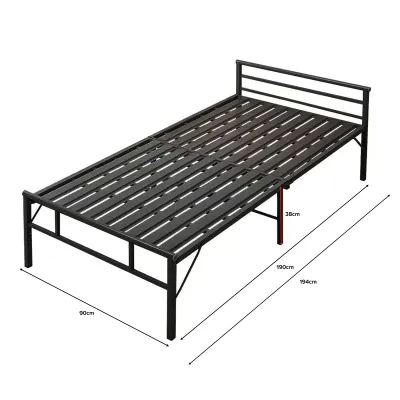
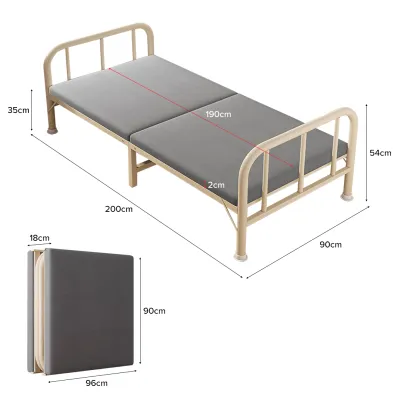
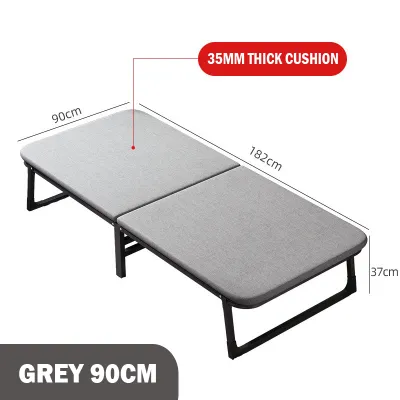
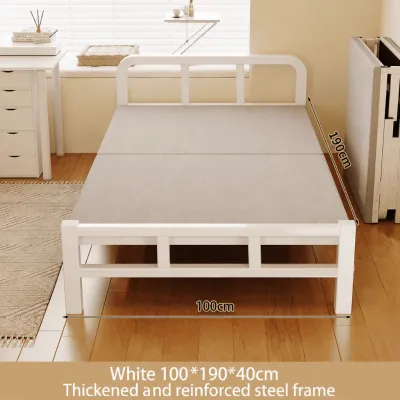
Prices are valid at publication and may change. Please refer to the product page for the latest price.
Do not rely solely on a product listing’s written claims of safety. Take the time to cross-reference any certification logos or registration numbers with the issuing body’s official database or the manufacturer’s verified website. Reputable manufacturers will provide accessible documentation or certificate numbers that allow consumers to verify that the exact model has undergone independent testing.
It is equally important to check the manufacturing date and the specific model number on the product tag. Safety standards are updated periodically to address newly identified hazards, so a certified older model may not meet current, more stringent safety expectations. Ensuring the certification matches your exact unit’s production batch confirms that the safety features are up to date.
If you find that compliance labels are missing, faded, or cannot be verified through official databases, halt the purchase immediately. This is particularly common with unbranded imports found on online marketplaces. In such cases, contact the retailer or manufacturer directly to request official compliance documentation before allowing a child to use the bed.
Essential Physical Design Features for Child Safety
The physical design of a foldable bed frame must actively prevent accidental folding and physical injury. The most critical component is a child-resistant locking mechanism. This system must require a deliberate, multi-step action or adult-level strength to disengage, ensuring that a child playing on or near the bed cannot accidentally trigger a collapse.

Another major hazard associated with folding furniture is the presence of pinch points and shear gaps. Inspect all hinges, joints, and folding brackets where the frame bends. When the bed is fully deployed, these areas should either be completely enclosed or have protective fabric or plastic guards to prevent small fingers and limbs from getting trapped during use.
Active sleepers require adequate protection against falling out of bed. Evaluate whether the foldable bed frame features integrated guardrails or if its design is compatible with secure, aftermarket safety rails. If you plan to add external rails, ensure they clamp tightly to the frame without creating dangerous gaps between the mattress and the rail where a child could become wedged.
Finally, examine the physical finish of the entire frame. Run your hands along the edges, corners, and welds to check for sharp burrs, rough metal edges, or splinters in wooden components. Additionally, verify the manufacturer’s specifications to ensure that all paints, protective coatings, and finishes are non-toxic and lead-free, protecting children who may chew on or touch the frame surfaces.
Structural Stability and Weight Capacity Verification
A foldable bed must be structurally sound enough to handle the dynamic forces of a child’s daily movement. Start by locating the manufacturer’s stated maximum weight capacity. Compare this figure against your child’s current weight, factoring in the weight of the mattress, bedding, and a generous safety margin to accommodate rapid growth and natural movement.
Inspect the base support structure of the frame to ensure it provides even distribution of weight. If the bed uses wooden or metal slats, check that they are closely spaced and securely fastened to prevent the mattress from sagging or slipping through. A sagging mattress not only ruins sleep quality but can also create gaps along the sides of the frame, posing an entrapment risk.
Foldable beds often have a different center of gravity compared to standard stationary beds, making them more prone to tipping if a child climbs on the edges. Assess the width of the bed’s footprint relative to its height. If the bed is designed to be stored upright when folded, check if the manufacturer includes a wall-anchoring kit or safety strap to secure the folded unit against accidental tip-overs in a playroom.
Lastly, evaluate the stability of the legs and any mobile components. If the bed frame features wheels or casters for easy transport, ensure that at least two of the wheels have robust, functional locking mechanisms. When the bed is set up for sleep, these locks must be engaged to prevent the bed from sliding or shifting when the child gets in or out.
Safe Setup, Usage Boundaries, and Ongoing Maintenance
Even the safest foldable bed frame can become hazardous if assembled incorrectly or neglected over time. Always follow the manufacturer’s assembly instructions step-by-step, using the exact hardware provided. Avoid using power tools if the manual advises manual tightening, as over-tightening can strip threads and weaken critical joints, while skipping washers can cause bolts to loosen prematurely.
Establish clear usage boundaries with your child from day one. Explain that a foldable bed is designed strictly for sleeping and resting, not for jumping, bouncing, or rough play. The sudden impact of jumping can bend metal tubes, crack wooden slats, or shear the locking pins that keep the frame securely open.
In Singapore’s highly humid climate, metal components are particularly susceptible to oxidation and rust, which can compromise structural integrity. Implement a routine maintenance check every three to six months. Inspect all metal joints for signs of rust, tighten any loose screws or bolts, and check fabric or mesh components for fraying. If the manufacturer’s manual recommends lubricating the folding hinges, apply the specified lubricant sparingly to keep the mechanism operating smoothly.
Define clear stop-use conditions for the household. If you notice persistent creaking, visible bending of the frame, or if the locking mechanism fails to click securely into place, discontinue use of the bed immediately. Do not attempt temporary DIY fixes on critical structural parts; instead, contact the manufacturer for authorized replacement parts or replace the frame entirely to ensure your child’s safety.
Frequently Asked Questions (FAQ)
Is a foldable single bed frame suitable for a toddler transitioning from a crib?
Foldable single bed frames are generally not recommended for toddlers transitioning from a crib. These beds are typically designed for older children and adults, meaning they often have a higher profile and lack the specialized, built-in high-sided guardrails found on dedicated toddler beds. The elevated sleeping surface increases the risk of severe falls, while the moving parts and folding hinges present potential entrapment hazards for curious toddlers. Always consult the manufacturer’s minimum age and weight guidelines, which usually recommend waiting until a child is older before introducing a folding bed.
How often should I inspect the folding mechanisms and hardware?
You should perform a physical and visual inspection of the folding mechanisms, hinges, and hardware at least once every three to six months. If the bed is folded and unfolded frequently—such as a guest bed used weekly—inspect the locking mechanisms and joints before each setup. Look closely for loose bolts, stripped screws, signs of rust on metal parts, or any stiffness in the folding joints. Keep the original assembly manual and any included adjustment tools in a safe, accessible place so you can easily reference the manufacturer’s maintenance guidelines during your checks.
Community discussion
Share your experience or ask a question. Comments are reviewed before publication.