
Selecting a full leather sofa set in Singapore requires a systematic approach that balances material quality, structural durability, and spatial compatibility. A genuine full leather sofa is a significant investment, meaning that the entire piece—including the back, sides, and under-cushion areas—is upholstered in real animal hide rather than synthetic substitutes like PVC or polyurethane. Because Singapore’s retail landscape features a wide array of local workshops, international brands, and direct-to-consumer online stores, finding the right option involves looking past marketing labels to verify the actual construction methods and material origins of each manufacturer.
To make an informed decision, you must evaluate how a brand’s craftsmanship aligns with your household’s daily habits and your living room’s physical constraints. Since no single brand is universally ideal for every home, the goal is to identify manufacturers that offer transparency in their material sourcing, robust structural warranties, and configurations that fit your specific floor plan. This guide establishes an objective framework to help you assess different brand profiles, inspect physical products in showrooms, and select a sofa set that will withstand years of regular use.
Core Criteria for Comparing Full Leather Sofa Brands
When comparing different leather sofa manufacturers, the first point of evaluation is leather grading and transparency. Reputable brands clearly distinguish between full grain leather, which retains the natural grain and is the most durable, and top grain leather, which has been lightly sanded to remove imperfections. Corrected grain leathers are heavily buffed and stamped with an artificial grain pattern; while more uniform, they lack the natural breathability of higher grades. Avoid brands that use ambiguous terms like “premium leather” or “genuine leather blend” without specifying the exact grade and whether the entire sofa is covered in the same material.
Products mentioned in this guide
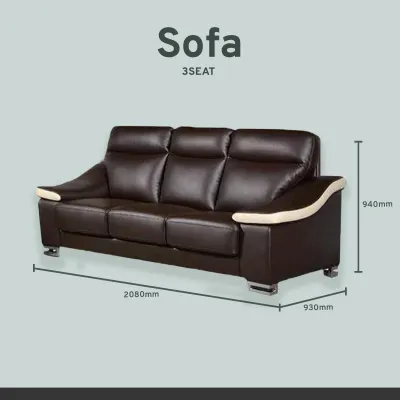
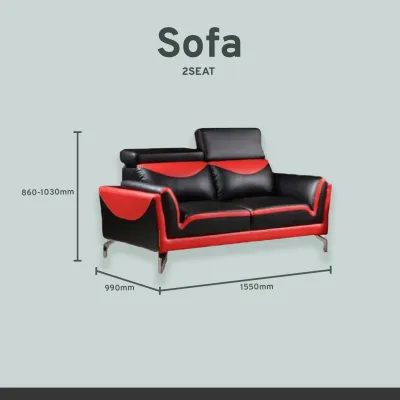
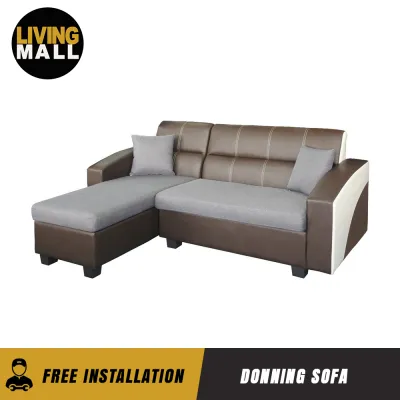
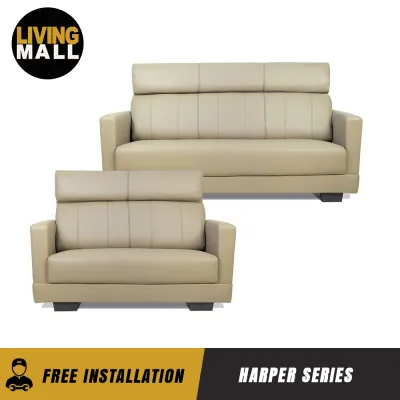
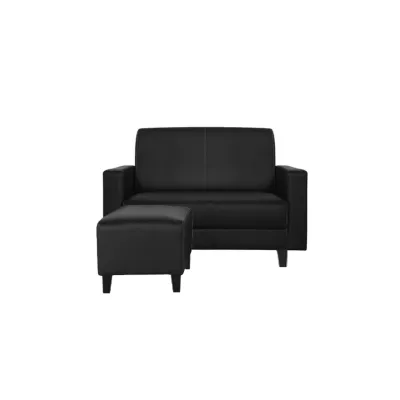
Prices are valid at publication and may change. Please refer to the product page for the latest price.
Beyond the upholstery, the internal frame determines the lifespan of the sofa. Look for brands that construct their frames from kiln-dried hardwood, such as birch, beech, or oak. The kiln-drying process is critical because it removes moisture from the wood, preventing the frame from warping, cracking, or bowing over time. The joinery should rely on double-dowelled, glued, and screwed joints reinforced with corner blocks, rather than simple staples or nails. A sturdy frame ensures the sofa remains stable and does not wobble when multiple people sit down.
Suspension systems and cushion fillings are equally vital for long-term comfort and shape retention. High-quality brands typically utilize high-tensile pocket springs or heavy-duty sinuous S-springs, which distribute weight evenly and prevent sagging. For the cushions, look for high-resiliency polyurethane foam with a density rating of at least 35 kilograms per cubic meter. This foam should be wrapped in a layer of polyester fiber or down feathers to provide a soft initial feel while maintaining its structural integrity under daily pressure.
Finally, compare the structural guarantees and after-sales support offered by different market tiers. A brand’s confidence in its craftsmanship is reflected in its warranty terms. Standard industry practices for reputable brands include a long-term warranty on the internal frame and suspension system, alongside a shorter coverage period for the leather upholstery and stitching. Be sure to ask for written warranty documents to verify what is covered before finalizing your purchase.
Aligning Brand Specialties with Your Household Needs
Your choice of a leather sofa brand must account for the physical dimensions of your living space. In Singapore, where apartment layouts in HDB flats and condominiums can be compact or feature irregular angles, space optimization is a primary concern. Some brands specialize in modular configurations, allowing you to arrange individual seating units to fit your room’s exact footprint. Other manufacturers offer customizable dimensions, enabling you to adjust the length, depth, or armrest width of the sofa to ensure it does not block walkways or entryways.

Household dynamics also dictate the type of leather finish you should choose. If your home includes young children or pets, a delicate, untreated aniline leather is highly susceptible to liquid stains, scratches, and color fading. For these environments, prioritize brands that offer protected or semi-aniline leathers. These materials undergo a finishing process that applies a light protective topcoat, making the surface more resistant to spills and easier to wipe clean without compromising the natural feel of the leather.
Singapore’s tropical climate, characterized by high humidity and warm temperatures, presents unique challenges for leather furniture. Genuine leather is naturally porous and breathable, which helps it stay cool against the skin. However, cheap leather treatments or synthetic backings can trap heat and feel sticky. When evaluating brands, ask about their leather’s breathability and request specific care guidelines for humid environments. Regular maintenance, such as applying a specialized leather conditioner, is essential to prevent the hide from drying out, cracking, or developing mold.
Lastly, ensure the brand’s design language complements your existing interior theme. Whether your home features a mid-century modern aesthetic with tapered wooden legs, a contemporary minimalist style with low profiles and sleek metal bases, or a classic look with deep button tufting, different brands cater to distinct design niches. Select a manufacturer whose core design philosophy aligns with your vision to create a cohesive living space.
Verifying Quality in Showrooms and Online Stores
Before committing to a purchase, a physical inspection in a showroom is highly recommended to validate a brand’s quality claims. Begin by examining the stitching along the seams of the sofa. The stitching should be perfectly straight, tight, and consistent, with no loose threads or puckered leather. Inspect the edge painting on the leather borders and check the quality of the zippers on removable cushions; robust, neatly concealed metal zippers are a reliable indicator of overall attention to detail.
Perform a thorough comfort test by sitting on the sofa in various positions for at least ten to fifteen minutes. Pay attention to the seat depth and backrest angle; your feet should rest flat on the floor while your lower back receives adequate support. Shift your weight and bounce gently on the seat to listen for any squeaks, creaks, or metallic rubbing noises. Any unusual sound suggests that the suspension system or frame joints are poorly secured and may fail prematurely.
If you are purchasing from an online-only brand or a hybrid retailer, take extra steps to verify their credibility. Request physical leather swatches to be sent to your home so you can evaluate the texture, thickness, and color under your actual living room lighting. Carefully read the retailer’s return policy, checking for restocking fees or return shipping charges. Verify the authenticity of the seller by reading independent customer reviews and checking their business registration details.
Logistics and delivery coordination require careful planning, especially for high-rise apartments. Confirm the delivery timeline and ask if the brand provides professional assembly services. You must measure your doorways, corridors, lift cabins, and staircase clearances to ensure the sofa set can be safely transported into your home. Additionally, check if the retailer offers old furniture disposal services, as managing the removal of an existing sofa can be challenging without professional assistance.
Decision Framework: Choosing the Right Brand Profile
To narrow down your options, categorize available brands into distinct profiles based on your primary purchasing priorities and risk tolerance. If your living room has an irregular layout or if you have highly specific design preferences, a bespoke or local artisan brand is often the most suitable choice. These workshops allow you to customize the exact dimensions, select specific leather hides, and choose custom stitching details. While this route offers unparalleled personalization, it typically involves higher costs and longer production lead times.
If you prioritize convenience, standardized quality, and robust after-sales support, established international or regional retail chains are highly reliable. These brands have streamlined manufacturing processes, meaning their sofas undergo consistent quality control checks. They also maintain physical showrooms where you can test multiple models, and they often keep popular configurations in stock for faster delivery. Their warranties are straightforward and backed by established customer service departments.
For buyers focused primarily on budget efficiency, direct-to-consumer online brands offer an attractive alternative. By eliminating physical showroom overheads and middleman markups, these companies can provide genuine full leather sofas at lower price points. However, this option requires you to be diligent. You must thoroughly verify their material certifications, read customer feedback regarding long-term durability, and ensure they have a clear, fair return policy in case the product does not meet your expectations upon delivery.
Regardless of the brand profile you prefer, avoid any manufacturer or retailer that cannot provide clear documentation regarding their materials. If a seller is unable to specify the leather origin, explain the frame construction, or refuses to provide physical material samples, it is best to look elsewhere. Investing in a full leather sofa requires complete transparency to ensure you are receiving genuine value for your money.
Frequently Asked Questions (FAQ)
How can I verify if a sofa is genuinely full leather?
To verify if a sofa is genuinely full leather, start by inspecting the natural surface of the hide. Genuine leather features unique pore patterns, minor scars, and natural variations in texture, whereas synthetic alternatives have a perfectly uniform, repeating pattern. Next, examine the reverse side or cross-section of the leather, which can often be accessed through a zipper opening on a cushion; real leather has a fuzzy, fibrous backing, while faux leather typically has a woven fabric or mesh backing. You can also feel the material; genuine leather quickly absorbs body heat and feels supple, whereas synthetic materials tend to feel cold and plastic-like. Finally, always request official material certificates or origin documentation from the retailer to confirm the leather’s authenticity.
What warranty terms should I expect from reputable brands?
When purchasing from a reputable brand, you should expect a tiered warranty system that covers different components of the sofa for varying durations. The internal frame and suspension system, which are critical to the sofa’s structural integrity, should ideally be covered by a warranty ranging from five to ten years. The leather upholstery, stitching, and cushion fillings typically carry a shorter warranty of one to two years, as these components are subject to direct daily wear. Be sure to read the warranty exclusions carefully; standard policies do not cover natural leather stretching, color fading caused by exposure to direct sunlight, or damage resulting from improper cleaning methods and lack of regular maintenance.
Community discussion
Share your experience or ask a question. Comments are reviewed before publication.