
Finding the right fabric sofa bed for a compact HDB living room requires balancing physical dimensions, mechanism durability, and fabric resilience rather than simply chasing the lowest price tag or a trendy brand name. In Singapore’s high-density housing, a sofa bed must serve as a comfortable daily seat and an occasional or regular bed without obstructing essential walkways. To secure true value, you must evaluate how local retailers specify their dimensions, test the mechanisms in person, and verify that the materials can withstand the local tropical climate.
Defining Value and Space Constraints for Compact HDB Layouts
When shopping for a sofa bed in Singapore, defining “value” goes far beyond the initial price tag. A low-cost option might seem appealing on paper, but if the internal frame warps or the cushioning sags within a year, the cost per use becomes exceptionally high. True value lies in finding a balance between your upfront investment in S$ and the expected lifespan of the furniture. For a daily-use living room sofa that doubles as a guest bed, investing in a mid-range to high-end model with a robust steel frame and high-density foam padding is often more economical over a five-to-ten-year period than repeatedly replacing cheaper, less durable alternatives.
Space is the ultimate premium in modern HDB flats, particularly in newer Build-To-Order (BTO) layouts where living room footprints are increasingly streamlined. You must consider two distinct footprints: the closed sofa configuration and the fully deployed bed configuration. A sofa that fits comfortably against your living room wall may completely block the path to your kitchen, balcony, or household shelter once it is unfolded. Before looking at brands, map out your living room floor plan and identify potential spatial bottlenecks.
Products mentioned in this guide
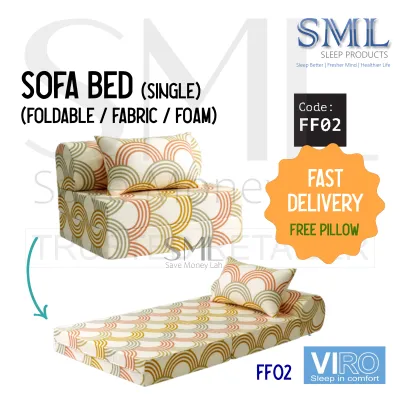
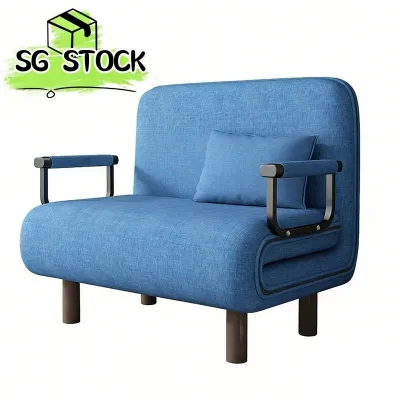
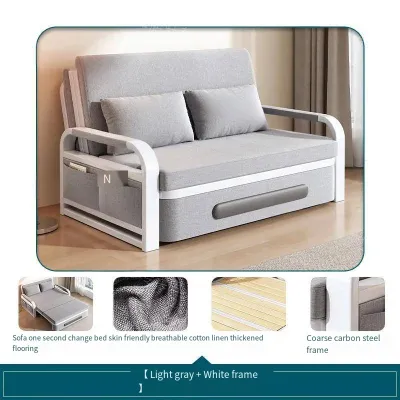
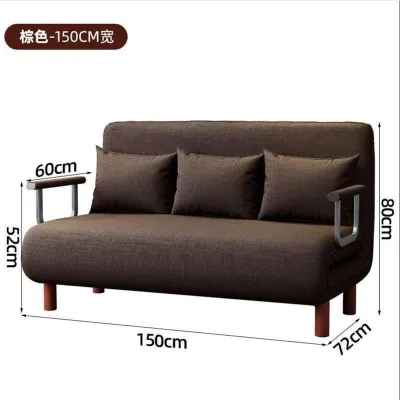
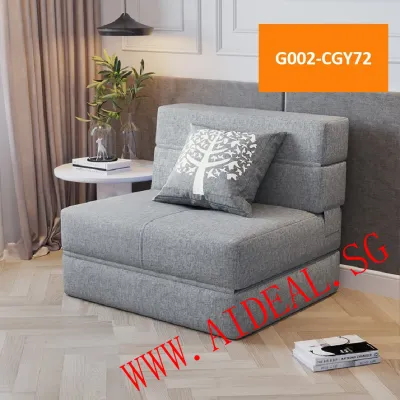
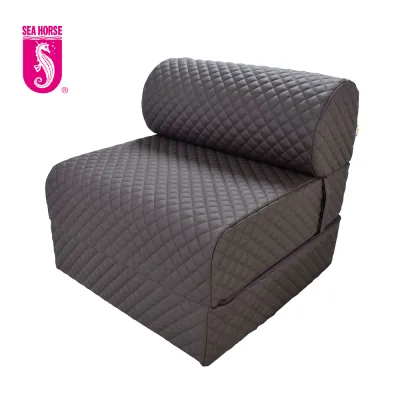
Prices are valid at publication and may change. Please refer to the product page for the latest price.
Walkway clearance is a critical safety and comfort factor that many homeowners overlook. Ideally, you should maintain a minimum clearance of 60 to 75 centimeters around the fully extended sofa bed to allow for comfortable movement. If your living room features a coffee table, television console, or standing fan, consider where these items will be moved when the bed is in use. If unfolding the sofa bed requires you to stack your coffee table on top of your dining table or squeeze past a narrow gap to reach the bathroom, the configuration may not be practical for your daily lifestyle.
Essential Dimension and Clearance Checks
Accurate measurement is the most critical step in selecting a sofa bed that fits your home and lifestyle. Begin by measuring the exact wall space where the sofa will sit, keeping in mind that some reclining mechanisms require “breathing room” behind the backrest. Standard click-clack sofa beds, for example, often need to be pulled 10 to 20 centimeters away from the wall before they can be flattened. If you want the sofa to sit flush against the wall at all times, you must look specifically for “zero-wall” or “wall-hugger” designs that slide forward as they open.

Beyond the placement zone, you must plan the delivery route from the unloading bay to your living room. HDB passenger lifts, corridors, and front doors present strict physical constraints that can halt a delivery in its tracks. Standard HDB lift doors typically measure around 80 to 90 centimeters in width and 200 centimeters in height, with internal cabin depths that may not accommodate long, fully assembled three-seater sofas. Measure your front door frame and any tight corners in your entryway or corridor. When evaluating brands, check whether the sofa bed is delivered fully assembled or flat-packed, as modular designs that assemble on-site are much easier to transport through tight spaces.
The thickness of the deployed mattress also plays a dual role in comfort and storage. A thicker mattress, typically between 10 and 15 centimeters, offers superior support for sleeping but often requires a bulkier frame that can make the sofa seat feel unusually high or stiff. Conversely, a thin mattress might make the sofa more comfortable to sit on but can leave sleepers feeling the metal support bars underneath. If you are considering a model with built-in under-seat storage, verify how much space is allocated to the mattress versus the storage compartment, as a larger storage box often means a thinner, less supportive mattress.
Evaluating Fabric Options and Mechanism Durability
The durability of a fabric sofa bed depends heavily on the quality of its upholstery and the engineering of its moving parts. In Singapore’s warm and humid climate, fabric selection is paramount. Natural fibers like pure cotton or linen are highly breathable but tend to absorb moisture and stains easily, making them prone to mold and sagging over time. Synthetic blends, such as polyester, nylon, or microfibers, offer excellent durability, resistance to stretching, and easier maintenance. When reviewing product specifications, look for the Martindale rub count, which measures fabric wear resistance. For a daily-use living room sofa, aim for a rating of at least 20,000 to 30,000 rubs to ensure the fabric does not thin or pill prematurely.
The folding mechanism is the mechanical heart of the sofa bed and the component most susceptible to failure. The three primary mechanism types are click-clack hinges, pull-out trundle wheels, and fold-out metal frames. When visiting showrooms, operate the mechanism yourself multiple times. It should glide or click into place smoothly without requiring excessive physical exertion or producing grinding noises. Inspect the joints and hinges; heavy-duty steel components with secure locking pins are far more durable than thin aluminum or plastic parts. Always check the manufacturer’s specified weight capacity, ensuring it can safely support the combined weight of two adults (typically at least 180 to 200 kilograms).
Warranty terms offer a clear indication of a manufacturer’s confidence in their product’s durability. Be cautious of broad “10-year warranty” claims, as these often apply exclusively to the solid wood or steel structural frame. The moving mechanical parts, which are far more likely to experience wear and tear, may only be covered for one to two years. Upholstery, foam padding, and stitching are frequently excluded from long-term warranties entirely. Before making a purchase, request a written breakdown of the warranty coverage to understand exactly what is protected and for how long.
Comparing Sofa Bed Configurations for Small Spaces
Choosing the right structural configuration can dramatically improve the usability of a compact HDB living room. Click-clack sofa beds are highly popular for small spaces due to their simple design and affordable price points. Because the backrest simply folds flat to align with the seat, these models have a very small footprint when closed. However, they often feature a prominent seam down the center when opened, which can be uncomfortable for sleepers without a thick mattress topper.
Pull-out trundle models offer a more traditional bed-like sleeping surface. These designs store a secondary mattress frame underneath the main seat, which rolls out on wheels and rises to meet the height of the sofa cushion. While trundle models provide excellent sleeping comfort and do not require wall clearance, they require a significant amount of open floor space in front of the sofa to deploy fully. This makes them less suitable for extremely narrow living rooms where a television console or coffee table cannot be easily moved.
For HDB homes lacking dedicated linen closets, sofa beds with integrated storage compartments offer exceptional value. Many L-shaped or chaise lounge configurations feature a lift-up seat cushion that reveals a spacious storage box, perfect for tucking away pillows, blankets, and bedsheets. Modular configurations provide additional flexibility, allowing you to move the chaise section to either the left or right side to accommodate your room’s layout or to separate it entirely to serve as individual seating when hosting guests.
Sourcing and Verifying Brands in Singapore
To find a sofa bed that truly fits your needs, you must combine online research with physical verification. While online marketplaces and digital catalogs offer convenience and a wide variety of designs, they cannot convey the actual comfort of the cushions or the stiffness of the folding mechanism. Visit local furniture showrooms, particularly those located in industrial estates or dedicated home furnishing hubs, to test the products in person. Sit on the sofa to check the seat depth and back support, and lie down on the fully deployed bed to ensure the mattress meets your comfort standards.
When browsing online listings, cross-reference the dimensions and specifications provided by the retailer with the official manufacturer spec sheets. Third-party sellers or online-only brands sometimes list inaccurate measurements or omit crucial details, such as the fully extended length or the clearance required behind the backrest. If a listing lacks detailed dimensional drawings, contact the seller directly to request them before placing an order.
Finally, carefully review the retailer’s delivery, assembly, and return policies. Bulky furniture deliveries in Singapore often involve additional fees, especially if your HDB block has lift maintenance issues or if the item must be carried up stairs. Confirm whether the delivery fee includes professional assembly and the disposal of packaging materials, as assembling a complex sofa bed mechanism yourself can be challenging and time-consuming. Additionally, check the return policy: some brands charge restocking fees of 15% to 30% or refuse returns entirely once the item has been unboxed or assembled in your home.
Frequently Asked Questions (FAQ)
How can I prevent fabric sofa beds from developing musty odors in humid climates?
Singapore’s high humidity can easily trap moisture within fabric fibers and foam layers, leading to musty odors or mold growth. To prevent this, ensure your living room is well-ventilated by opening windows daily or running a dehumidifier during wet seasons. Avoid placing your sofa bed directly flush against external walls where condensation can build up; instead, leave a gap of at least 5 to 10 centimeters to promote airflow. Use moisture-absorbing sachets or charcoal bags inside any built-in storage compartments. If your sofa bed has removable covers, wash them periodically according to the manufacturer’s care label. For non-removable fabrics, vacuum the surface weekly using an upholstery attachment and apply a fabric-safe antibacterial spray, ensuring the material is completely dry before folding the bed back into a sofa.
What should I do if the sofa bed frame does not fit through my HDB corridor?
If a delivery fails because the sofa bed cannot clear your HDB corridor, lift, or doorway, your immediate options depend on the retailer’s pre-purchase terms. First, contact the retailer’s customer service while the delivery team is still on-site to see if the frame can be partially disassembled—such as removing the armrests, legs, or outer brackets—to reduce its profile. If disassembly is not possible and the item must be returned, you will need to review your sales agreement to check for return eligibility, restocking fees, and two-way transport charges. To prevent this costly scenario, always measure your entry pathways, lift cabin, and front door frame before purchasing, and share these dimensions with the retailer to confirm delivery feasibility.
Community discussion
Share your experience or ask a question. Comments are reviewed before publication.