
Direct Answer: Finding the Best Value for Custom Kitchen Cabinets
Determining the best value for a custom kitchen cabinet in Singapore is not about finding a single, universally superior brand. Instead, true value lies in matching your specific housing type, renovation budget, and project management capacity with the right category of provider. Because local homes range from compact Housing & Development Board (HDB) Build-To-Order (BTO) flats to expansive landed properties, your spatial constraints and aesthetic goals will dictate which provider offers the most cost-effective solution.
The Singapore market features three primary types of providers: direct carpentry workshops, interior design (ID) firms, and modular or showroom brands. Each category serves a distinct purpose. Direct carpenters offer the lowest cost per foot run but require you to manage the design and coordination. Interior design firms provide comprehensive project management and spatial coordination at a premium. Modular brands offer predictable pricing and rapid installation but struggle with highly irregular layouts.
To find the best value, you must evaluate these providers against a clear framework of material quality, customization flexibility, and pricing structures. In Singapore’s high-humidity climate, material resilience is paramount. This guide provides the actionable checkpoints and practical strategies needed to assess these options, helping you secure a kitchen cabinet setup that balances durability, functionality, and cost.
Products mentioned in this guide
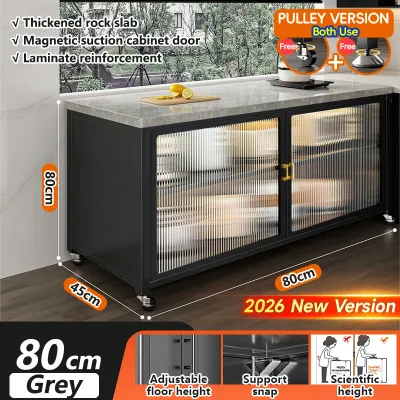
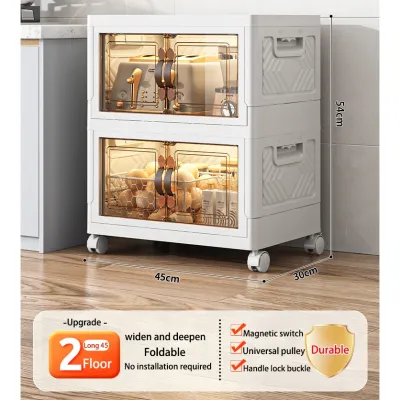
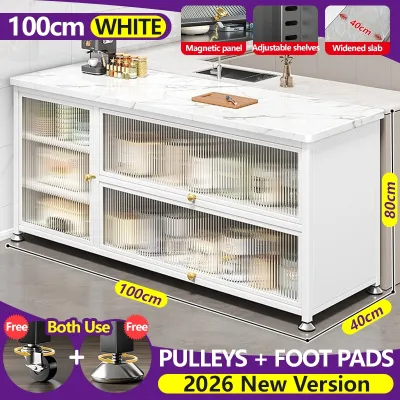
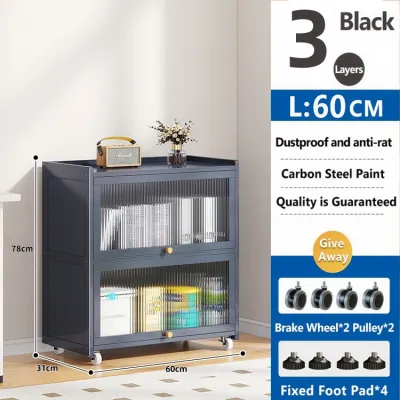
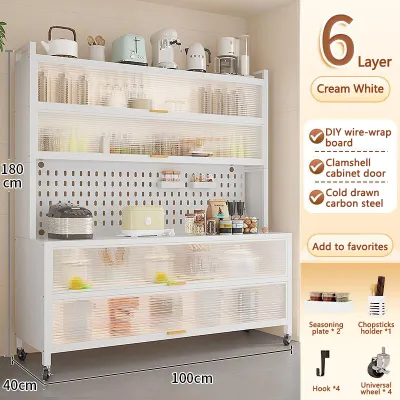
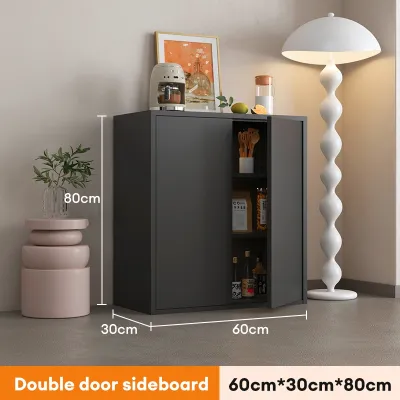
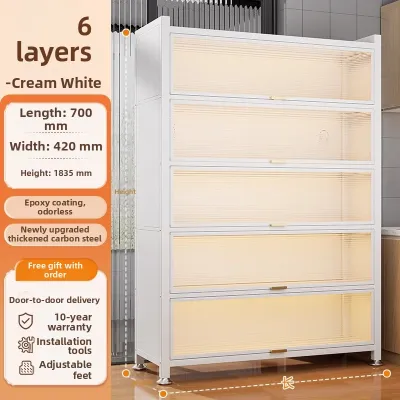
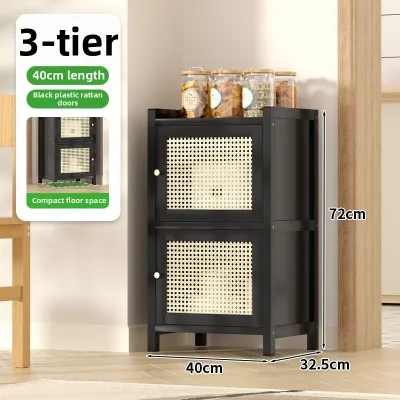
Prices are valid at publication and may change. Please refer to the product page for the latest price.
Comparing the Main Types of Kitchen Cabinet Providers
Navigating the custom kitchen market requires understanding the operational models of the businesses vying for your project. Who actually builds the cabinets, who designs them, and who coordinates the installation will directly impact your final invoice and overall experience.

Direct Carpentry Workshops
Hiring a direct carpentry workshop means dealing directly with the tradespeople who cut, assemble, and install your kitchen cabinet units. This model eliminates the middleman markup, making it one of the most cost-effective routes for homeowners who already have a clear vision of their kitchen layout.
Carpenters excel at high structural customization. They build cabinets to the exact millimeter dimensions of your kitchen walls, easily accommodating uneven floors or awkward corners. Because they operate their own fabrication facilities, either locally or across the border in Malaysia, they can offer highly competitive rates for classic wood-based materials.
However, this cost advantage comes with significant project management responsibilities. Direct carpenters typically do not provide design consulting, material curation, or spatial planning. You must supply your own detailed sketches or technical drawings. Furthermore, you will need to coordinate with independent plumbers, electricians, and tilers to ensure that services are ready when the carpentry arrives on-site.
Interior Design Firms
Interior design firms act as comprehensive project managers, taking charge of your kitchen renovation from initial spatial concepts to final handover. They handle the design, material selection, sub-contractor scheduling, and quality control of the entire space.
When you hire an ID firm, they design the kitchen cabinet layout to integrate seamlessly with your home’s overall aesthetic. They produce 3D renderings, source matching countertops and backsplashes, and coordinate the complex sequence of hacking, tiling, plumbing, and electrical works. This approach is highly beneficial if you are executing a major kitchen overhaul or converting to an open-concept layout.
The primary trade-off is cost. ID firms charge design fees or apply a management markup on the carpentry work, which can increase the overall cost of your cabinets. However, for busy homeowners or those undertaking extensive renovations, the single point of accountability and reduced stress often justify the premium price.
Modular and Showroom Brands
Modular and showroom brands offer pre-engineered, standardized cabinet systems that are customized to fit your kitchen layout. These brands display fully configured kitchen setups in physical showrooms, allowing you to interact with the products before making a purchase.
One of the main advantages of modular brands is predictable pricing. Because their cabinets are built using standardized modules, quotes are highly transparent and less prone to unexpected variations. The manufacturing process is highly automated, resulting in consistent finish quality, precise pre-drilled holes, and faster on-site installation times.
The limitation of modular systems lies in their rigid sizing. Standardized cabinet widths typically run in increments of 15cm, 30cm, 45cm, or 60cm. If your kitchen wall measures an awkward length, modular brands must use wide filler panels to close the gaps, which can result in wasted storage space. They are also less adaptable to non-standard structural pillars or complex plumbing layouts.
Key Dimensions for Verifying Quality and Materials
A custom kitchen cabinet must withstand daily wear, heavy loads, and high humidity. Rather than relying on generic brand promises, you can verify the value of a quote by evaluating the specific materials and construction methods proposed.
Core Board Materials
The carcass of your kitchen cabinet forms its structural backbone. In Singapore’s humid climate, standard particleboard can swell and sag if exposed to moisture leaks or high humidity.
Always check the specifications of the core board. Look for high-moisture-resistant (HMR) boards, often color-coded green, or solid plywood. Plywood offers superior screw-holding strength and resistance to water damage, making it the preferred choice for sink cabinets and areas near wet zones. Avoid low-grade, untreated medium-density fibreboard (MDF) for the main carcass construction, as it is highly susceptible to water absorption.
Hardware and Hinges
The moving parts of your kitchen cabinet are the most likely points of failure over time. High-quality cabinet doors and drawers rely entirely on the durability of their hinges and runners.
Verify the brand of the hardware included in your quote. Recognized manufacturers like Blum, Hettich, or Grass provide stamped logos on their hinge cups and drawer runners. Ensure that soft-close mechanisms are integrated and test the smooth operation of display models. Check the load-bearing capacity of drawer runners; heavy pot drawers should be rated for at least 30kg to 50kg to prevent sagging under the weight of cast-iron cookware.
Edge Banding and Finishes
Laminates provide the aesthetic finish for most Singapore kitchen cabinets, but the way those laminates are sealed at the edges determines their lifespan. Steam from rice cookers, kettles, and ovens can easily cause poor edge seals to peel.
Inspect the edges of cabinet doors for seamless edge banding, preferably using Acrylonitrile Butadiene Styrene (ABS) strips. ABS edge banding is impact-resistant and applied using high-temperature hot-melt adhesives that seal the core board against moisture. Avoid thin PVC edge tape, which can leave sharp edges and is prone to delamination. Examine the glue line; a thick, dark glue line indicates poor application, whereas a high-quality finish features an almost invisible seam.
Countertop Integration
A custom kitchen cabinet must integrate flawlessly with your chosen countertop material, whether it is quartz, sintered stone, or solid surface. The cabinet carcass must be strong enough to support these heavy materials without bowing.
Verify that the cabinet provider includes a solid top support panel or thick support rails rather than thin, spaced slats. Ask how they coordinate the templating process. A precise countertop template ensures that the stone is cut to match the exact contours of your walls, minimizing the gap between the backsplash and the wall. This gap must be sealed with high-grade, anti-fungal silicone to prevent water from dripping behind the cabinets and rotting the backing boards.
Evaluating Customization Flexibility for Singapore Homes
Singapore residential properties present unique architectural challenges. HDB flats often feature prominent household shelters, structural columns, and exposed utility pipes, while older condominiums may have irregular wall angles. Your provider must possess the spatial flexibility to navigate these constraints.
Navigating Irregular Layouts
Standard, straight-line kitchens are rare in local homes. Structural pillars often break up wall runs, and waste pipes usually run vertically through the corners of the kitchen.
When evaluating a provider, ask how they propose to handle these obstructions. A highly flexible custom carpenter can notch the cabinet carcass around a structural column, preserving storage space and creating a flush front profile. In contrast, a rigid modular provider may have to stop the cabinet run short of the column or cover the entire area with a non-functional filler panel, reducing your usable storage.
Appliance Integration
Modern kitchens rely on built-in appliances, including ovens, microwave drawers, hobs, hoods, and integrated refrigerators. These appliances require precise cabinet cutouts and proper ventilation to operate safely.
Confirm that your provider reviews the technical specification sheets of your appliances before fabrication. Built-in ovens, for example, require a dedicated ventilation path at the rear of the cabinet carcass to allow heat to escape. Without this clearance, heat buildup can damage the cabinet’s laminate finish and shorten the lifespan of the appliance. Ensure the cabinet structure includes reinforced shelves designed to support the weight of heavy built-in appliances.
Maximizing Vertical and Corner Storage
With kitchen footprints shrinking in newer housing developments, maximizing every cubic centimeter of space is essential. Vertical space and deep corners are often underutilized.
Evaluate whether the provider offers specialized internal fittings. Look for pull-out pantry tall units, pull-down wall cabinet baskets for high shelves, and specialized corner mechanisms like LeMans trays or magic corners. While these fittings add to the initial cost, they transform hard-to-reach, dead corners into highly functional storage zones. Ensure that overhead cabinets are designed to extend fully to the ceiling or false ceiling, preventing dust accumulation on top of the units.
Verification Step
Before committing to any fabrication contract, protect your investment by requesting detailed technical shop drawings. These drawings should display precise millimeter measurements, carcass depths, internal shelving configurations, and the exact placement of service access panels.
Never rely solely on a 3D aesthetic rendering. A 3D drawing shows how the kitchen will look, but a technical shop drawing shows how it will function. Verify that access panels are planned for kitchen sink plumbing, gas valves, and electrical junction boxes. This ensures that future maintenance can be carried out without needing to dismantle your custom carpentry.
Pricing Structures and How to Assess True Value
Comparing quotes from different kitchen cabinet providers can be challenging due to varying pricing models. Understanding how these quotes are structured allows you to identify hidden costs and make an accurate comparison.
Understanding Quote Formats
The local market uses several distinct pricing methods, and understanding them is key to avoiding budget overruns.
- Per Foot Run (PFR): This is the most common pricing metric used by direct carpenters and ID firms in Singapore. It charges a flat rate per horizontal foot of cabinetry, typically split into separate rates for base cabinets, wall-hung cabinets, and tall units. A standard PFR rate usually covers basic laminate finishes and standard hinges, with premium options costing extra.
- Per Module: Modular brands price their products by the individual cabinet unit. Each drawer chest, sink unit, or wall cabinet has a fixed price based on its dimensions and internal fittings. This model makes it easy to see exactly where your money is going, but it can be difficult to compare directly with PFR quotes without mapping out the entire layout.
- Lump-Sum Project Quotes: ID firms often present a comprehensive project quote that bundles the carpentry, plumbing, electrical, and masonry works together. While convenient, you should request a detailed breakdown of the carpentry component to verify the material specifications and hardware brands being used.
Identifying Hidden Costs
The initial quote for a kitchen cabinet often excludes essential preparation and installation works. To assess true value, you must account for these common exclusions.
Always clarify if the quote includes the dismantling and disposal of your existing cabinets. If you are renovating an HDB kitchen, you will need a masonry plinth (a raised concrete base tiled to match the floor) to elevate the cabinets off the ground, protecting them from water during floor washing. Verify if the masonry work, plumbing connections for the kitchen sink and tap, and electrical wiring for the hood, hob, and oven are included in the scope of work or billed separately.
Warranty and After-Sales Service
A low upfront price can quickly lose its value if the provider offers no recourse when a cabinet door sags or a drawer runner jams after a few months of use.
Inquire about the specific terms of the warranty. Distinguish between a manufacturer’s warranty on hardware (which may cover replacement parts but exclude labor costs) and the provider’s structural warranty on the cabinet carcass and installation. A reliable provider should offer at least a 1-year to 5-year warranty on workmanship and structural integrity, backed by a responsive local service team that can handle on-site adjustments.
Value Assessment Rule
To determine the true value of a custom kitchen cabinet, look beyond the lowest initial quote. A cheap cabinet built with non-moisture-resistant particleboard and unbranded hinges may require complete replacement within three to five years due to water damage or structural sagging.
Investing slightly more upfront for HMR boards, ABS edge banding, and certified soft-close hardware extends the lifespan of your kitchen carpentry significantly. Over a ten-year period, a high-quality cabinet setup that remains fully functional costs far less than a cheap unit that requires frequent repairs or early replacement.
Decision Framework: Which Provider Type Fits Your Renovation?
To finalize your choice, evaluate your renovation project against this practical decision framework. Matching your circumstances to the right provider type ensures you get the best value for your investment.
- Choose Direct Carpentry if: You are executing a straightforward kitchen replacement without changing the layout, already have precise design drawings, and are comfortable coordinating independent plumbers and electricians. This option offers the best value for hands-on homeowners working with a strict budget.
- Choose an Interior Design Firm if: You are undertaking a major home renovation, converting to an open-concept kitchen that requires structural hacking, or want a highly cohesive aesthetic across multiple rooms. The premium paid covers professional spatial planning, material coordination, and stress-free project management.
- Choose a Modular/Showroom Brand if: Your kitchen layout is relatively standard without complex structural pillars, you prefer to physically test cabinet configurations in a showroom, and you value transparent, predictable pricing with rapid on-site installation.
- Verify First if: Your kitchen layout features highly irregular wall angles, requires complex gas pipe or plumbing relocations, or involves heavy countertop materials like thick natural stone. In these scenarios, confirm that your chosen provider has the technical capability to reinforce the cabinet carcasses and execute precise on-site templating before signing the contract.
Community discussion
Share your experience or ask a question. Comments are reviewed before publication.