
A 5-inch single bed mattress is a highly specialized bedding choice, typically selected for specific space-saving configurations rather than as a primary master bedroom mattress. In Singapore, where space optimization is key, these low-profile mattresses are common in bunk beds, pull-out trundle beds, and compact guest rooms. Selecting the right brand and model requires looking past marketing hype and focusing on physical dimensions, material density, and structural compatibility.
This guide provides a systematic framework to evaluate 5-inch single mattresses based on verifiable specifications, local market categories, and safety standards. By focusing on objective criteria, you can ensure your choice fits both your bed frame and your sleeping requirements without relying on unverified rankings.
Understanding the 5-Inch Single Mattress Profile
Before choosing a brand, you must determine if a 5-inch (approximately 12.7 cm) thickness aligns with your specific bed frame and sleeping needs. This low-profile height is engineered for specific utility rather than deep, multi-layered contouring. Understanding these limitations prevents post-purchase dissatisfaction and ensures the mattress performs as intended.
Products mentioned in this guide
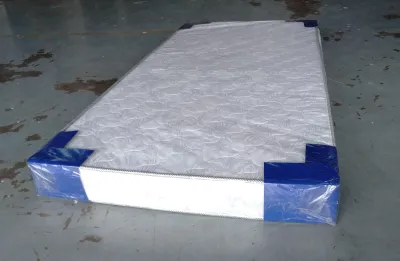
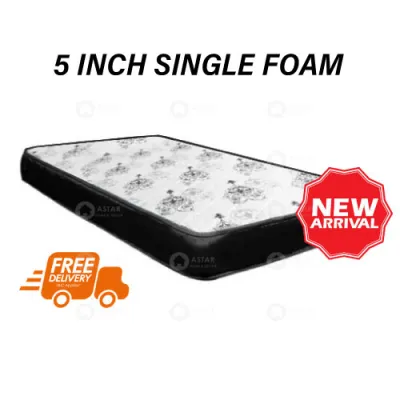
![[INNDESIGN.SG] 5 Inch Single Foam Mattress (Fully Assembled and Free Delivery)(Single/Super Single/Queen/King)](https://img.lazcdn.com/g/p/9ee06976690aac00427116c8183d85f5.jpg_400x400q80.jpg_.webp)
![[HOMIEST] DREAMY 5 Inches Cool Silk Mattress in Single / Super Single 5 Years Warranty](https://img.lazcdn.com/g/p/831cc455d7bf1ebba4ca82fcc3d56128.jpg_400x400q80.jpg_.webp)
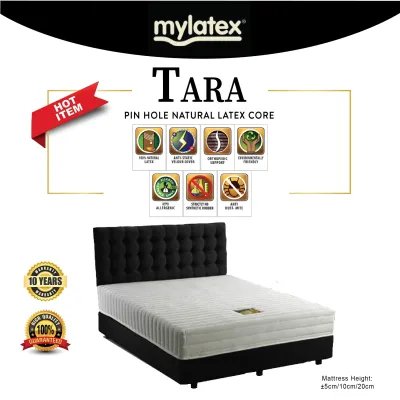
![[Same day delivery]Sleep Lab Mattress/spring mattress/memory foam/cool gel/single/super single/queen/king/ same day delivery](https://img.lazcdn.com/g/p/9ce8782b13d560ba718f920bb3f3ad6a.jpg_400x400q80.jpg_.webp)
Prices are valid at publication and may change. Please refer to the product page for the latest price.
Typical use cases for a 5-inch single mattress include top bunks, trundle beds, and temporary guest setups. For top bunks, safety regulations dictate that the top of the mattress must sit significantly below the guardrail to prevent accidental falls. A standard 10-inch mattress often compromises this safety margin, making a 5-inch profile the industry-standard recommendation. Similarly, pull-out trundle beds have strict clearance limits; a mattress thicker than 5 inches may prevent the trundle from sliding smoothly under the main bed frame.
Weight capacity and support limitations are inherent to thinner profiles. A 5-inch mattress has less compression depth than its thicker counterparts. Consequently, it is best suited for toddlers, children, teenagers, or lighter adults. Heavier sleepers may experience “bottoming out,” where the body sinks completely through the comfort layers and presses directly against the hard bed base beneath. If the mattress is intended for regular adult use, you must prioritize high-density materials to mitigate this issue.
Compatibility checks with bed frame slats are critical for thin mattresses. Because there is less material to distribute weight, the spacing of your bed slats plays a major role in the mattress’s longevity and comfort. Slats spaced more than 7 cm apart can cause a thin foam mattress to sag into the gaps, leading to uneven wear and support failure. For optimal performance, pair a 5-inch mattress with a solid platform base or closely spaced, rigid slats.
Core Criteria for Evaluating Mattress Brands
When comparing different brands offering 5-inch single mattresses, you should rely on standardized technical specifications rather than subjective comfort descriptions. Evaluating these core criteria allows you to make an objective comparison across different price points.

Material composition is the primary driver of support and durability. In a 5-inch profile, you will typically find high-density polyurethane foam, latex, or thin pocket spring hybrids. High-density foam (ideally 30 kg/m³ or higher) offers reliable support and resists premature sagging. Pocket spring hybrids in this thickness must use shorter, highly coiled springs to maintain structural integrity. When reviewing manufacturer spec sheets, look for explicit details on foam density and spring gauge rather than generic marketing terms.
Cover fabrics and breathability are essential considerations in Singapore’s hot and humid climate. Because a thin mattress has less internal air volume to dissipate heat, the cover material must work efficiently. Look for brands that utilize breathable textiles such as Tencel, bamboo-derived rayon, or organic cotton. Additionally, prioritize models with removable, zippered covers. This feature allows for regular machine washing, which is crucial for maintaining hygiene in humid environments.
Warranty terms and trial periods vary significantly among low-profile mattresses. Some brands offer the same 10-year warranty on their 5-inch models as they do on their premium 12-inch models, while others reduce the warranty period for thinner profiles. Read the fine print to understand what constitutes a warrantable defect; for instance, check whether the warranty covers visible sagging of 1.5 cm or requires a deeper indentation of 2.5 cm or more. Sleep trials are also highly beneficial, but you must verify if the brand charges return shipping or restocking fees for thin mattresses.
Certifications on product labels provide independent verification of safety and environmental standards. Do not assume a brand has clean manufacturing processes based on its reputation alone. Look for specific certifications such as CertiPUR-US (which ensures foam is made without harmful chemicals and has low volatile organic compound emissions) or OEKO-TEX Standard 100 (which certifies that the textiles are free from harmful levels of toxic substances). These labels are usually displayed clearly on the manufacturer’s specification sheets.
Navigating Brand Categories in the Local Market
As you search for a 5-inch single mattress in Singapore, you will encounter three primary brand categories. Understanding the business model and value proposition of each category helps you align your budget with your expectations.
Established international bedding brands often represent the premium segment of the market. These companies typically invest heavily in research and development, offering proprietary foam formulations or advanced pocketed coil designs. While their 5-inch options may carry a higher price point in S$, they often provide robust warranties and consistent quality control. When considering these brands, verify whether their thin mattresses utilize the same high-grade materials as their flagship thicker models.
Local and regional furniture retailers offer a compelling balance of value and convenience. These brands understand the specific constraints of local housing, such as HDB room dimensions and typical bunk bed configurations. They frequently offer bundled deals where you can purchase a 5-inch mattress alongside a compatible bed frame at a discounted rate. Furthermore, local customer service departments are often easier to reach for delivery coordination, exchanges, or warranty claims.
Direct-to-consumer (DTC) and online-focused brands have simplified the purchasing process by shipping mattresses compressed in a box. This delivery method is highly convenient for navigating tight apartment corridors and lifts. However, you must evaluate the expansion time required before the mattress can be used, which typically ranges from 24 to 72 hours. When researching online brands, look for independent review platforms rather than relying solely on the curated reviews displayed on the brand’s own website.
Essential Pre-Purchase and Delivery Checks
To avoid the hassle of returns and exchanges, you must perform several physical checks before finalizing your purchase. These steps ensure the mattress fits your space and arrives in optimal condition.
Measuring the exact internal dimensions of your bed frame is the most critical pre-purchase step. While a standard Singapore single mattress is typically 91 cm wide by 190 cm long, variations exist. Imported bed frames, particularly those from European or American manufacturers, may require slightly different dimensions, such as 90 cm by 200 cm or 99 cm by 191 cm. A mattress that is even slightly too large will bunch up and ruin its support structure, while one that is too small will leave dangerous gaps along the sides of the frame.
Delivery clearance must be assessed, even for a compact single mattress. If you are purchasing a non-compressed spring hybrid mattress, it cannot be bent or folded during transport. Measure the height and width of your doorways, elevator entrance, and any tight turns in your stairwells or corridors. Ensure there is a clear path from the delivery vehicle to the designated bedroom to prevent damage to both your home and the new mattress.
Upon delivery, inspect the mattress thoroughly before signing the acceptance form. If the mattress was delivered compressed, check the packaging for punctures that might have allowed moisture or dirt to enter. Once unpacked, observe the expansion process; the mattress should rise evenly to its full 5-inch height within the manufacturer’s specified timeframe. Note any persistent chemical odors, known as off-gassing, and allow the mattress to air out in a well-ventilated room with windows open before dressing it with bedsheets.
Purchasing Channels and Authenticity Verification
Securing an authentic product with a valid manufacturer’s warranty requires careful selection of your purchasing channel. The local market offers various retail avenues, each with its own set of considerations.
Buying directly from official brand websites or authorized physical showrooms is the safest route. This guarantees that you receive a genuine product and that your warranty is registered directly with the manufacturer. Physical showrooms also allow you to test the firmness and support of the 5-inch profile in person, which is highly recommended since thin mattresses feel significantly firmer than thicker models due to the rapid compression of their limited layers.
If you prefer shopping on online marketplaces or ecommerce platforms, look for verified flagship stores or official brand malls. Be cautious of unauthorized third-party sellers offering suspiciously low prices. These listings often lack official warranty coverage, may sell older stock that has been compressed in storage for too long, or could even represent counterfeit goods. Always check the seller’s profile, read customer feedback specifically regarding warranty fulfillment, and confirm that an official warranty card is included in the delivery.
Before checking out, double-check the exact model, size, and thickness selected in your digital cart. Online listings frequently group multiple sizes (single, super single, queen) and thicknesses (5-inch, 8-inch, 10-inch) under a single product page. A simple misclick can result in the delivery of an incorrect size, leading to restocking fees and delivery delays. Confirming these details on your invoice ensures a smooth and successful purchase.
Frequently Asked Questions (FAQ)
Can I use a 5-inch mattress directly on the floor?
Using a 5-inch mattress directly on the floor is generally not recommended, especially in Singapore’s humid tropical climate. Placing a thin mattress directly on a solid floor restricts airflow beneath the bed, trapping body heat and moisture. Over time, this trapped moisture can lead to mold growth, mildew, and dust mite infestations on the underside of the mattress. If you must use it on the floor temporarily, you should place a breathable barrier or a low-profile slatted base underneath, and regularly prop the mattress against a wall to air it out.
How do I clean and maintain a thin foam mattress?
To maintain a thin foam mattress, always follow the instructions on the manufacturer’s care label. If the mattress has a removable cover, wash it regularly according to the temperature guidelines provided. For spot cleaning stains on the foam itself, use a damp cloth with a mild detergent, taking care not to saturate the foam, as excess moisture can degrade the material and encourage mold. Avoid using harsh chemical solvents or bleach. Vacuum the mattress surface periodically using an upholstery attachment to remove dust, and rotate the mattress end-to-end every three to six months to promote even wear.
Will a 5-inch mattress work with an adjustable bed base?
A 5-inch mattress can work with an adjustable bed base, provided the materials are sufficiently flexible. Thin foam and latex mattresses are highly pliable and easily conform to the shifting angles of a motorized frame. However, you must check both the mattress manufacturer’s specifications and the adjustable base manual. Some adjustable bases have minimum thickness or weight requirements to ensure the mattress stays flat against the frame when articulated. Additionally, thin spring hybrids may not bend easily and could suffer structural damage if used on an adjustable base.
Community discussion
Share your experience or ask a question. Comments are reviewed before publication.