
To ensure a new wardrobe handle fits your existing setup perfectly, you must verify four critical measurements before making a purchase. These include the hole center distance for dual-hole handles, the overall handle length, the projection depth, and your wardrobe door’s thickness. Taking these precise measurements prevents the frustration of drilling unnecessary holes, ensures the hardware does not collide with adjacent walls or doors, and guarantees that the mounting screws are the correct length for a secure installation.
In compact living spaces, such as apartments and condominiums in Singapore, even a few millimeters of misalignment or excess projection can disrupt the flow of a room or prevent wardrobe doors from opening fully. Whether you are replacing worn-out hardware or upgrading the style of your bedroom cabinetry, a systematic approach to measuring will save time and protect your furniture from damage.
How to Measure Hole Center Distance for a Direct Replacement
When replacing an existing dual-hole wardrobe handle, the most critical dimension to check is the hole center distance, often referred to in hardware specifications as the center-to-center measurement. This is the exact distance from the center of one screw hole to the center of the other. Matching this measurement precisely allows you to install the new handle directly into the pre-existing holes without any drilling or patching.
Products mentioned in this guide
![[SG Seller]Invisible Recessed Embedded Cabinet Handle Fold Flip Hidden Drawer Pull Knob For Wardrobe Cabinet Cupboard](https://img.lazcdn.com/g/p/643c1d4cb6388b19d04fc7cf0a790dcd.jpg_400x400q80.jpg_.webp)
![[SG Seller]Furniture Recessed Hidden Pull Handle Flush Mount Invisible Drawer Handle For Wardrobe Sliding Cabinet Drawer](https://img.lazcdn.com/g/p/6ac0dd25886022980ce8b00e8bdaa3e8.jpg_400x400q80.jpg_.webp)
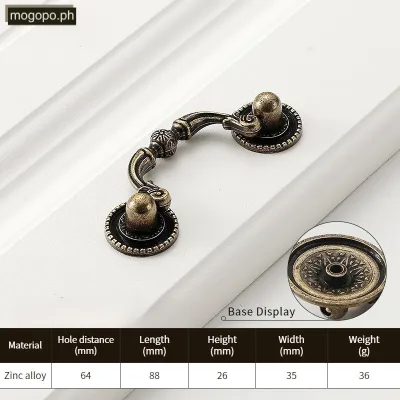
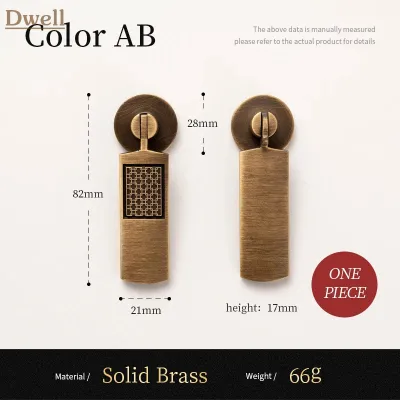
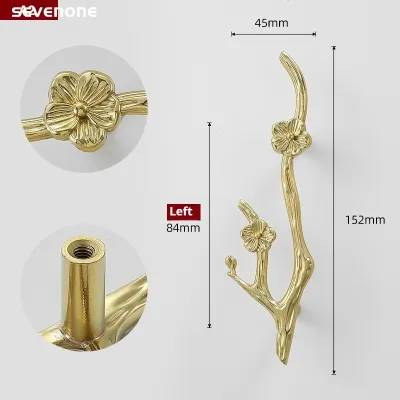
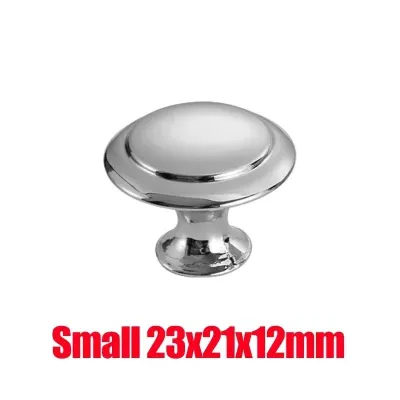

Prices are valid at publication and may change. Please refer to the product page for the latest price.
To measure this accurately, open the wardrobe door and locate the screw heads on the inside panel. Use a tape measure or a digital caliper to measure from the exact center of one screw head to the center of the other. If you measure from the outer edge of one hole to the outer edge of the other, or from inner edge to inner edge, you will introduce errors that can prevent the new hardware from aligning correctly.
Single-hole knobs are much simpler to replace because they only require a single mounting point. For these, you only need to verify the diameter of the existing hole to ensure the new knob’s mounting bolt will pass through smoothly. Most standard furniture knobs use a standard hole diameter, but checking beforehand prevents unexpected installation issues.
Do not rely on assumed industry standards when purchasing new hardware. While common center-to-center measurements like 96mm, 128mm, and 160mm are widely used, custom carpentry and older wardrobes often feature non-standard spacing. Always measure your actual wardrobe doors rather than relying on product descriptions that claim to be standard sizes.
Choosing the Right Handle Length and Overall Size
It is easy to confuse the hole center distance with the overall length of the wardrobe handle, but they are distinct measurements. The overall length refers to the entire physical span of the handle from end to end. For many modern T-bar or pull handles, the physical ends of the bar extend well beyond the screw posts where the handle attaches to the door.

Before purchasing, check the width and height of your wardrobe door panel to ensure the overall handle length is visually proportional. A handle that is too long can look overwhelming on a narrow door, while a handle that is too small may look lost on a tall, heavy wardrobe door. Leaving an adequate margin between the ends of the handle and the edges of the door panel maintains a balanced aesthetic.
Additionally, consider the physical clearance around the wardrobe. Long, protruding handles can easily catch on adjacent wardrobe doors, overlapping sliding panels, or nearby bedroom walls when the doors are opened wide. In tight layouts, an overextended handle might strike a nearby dressing table or bedside drawer, leading to scratches or dents over time.
A practical way to visualize the final look and check for potential interference is to use painter’s tape. Cut a piece of tape to the exact overall length of the prospective handle and stick it onto the wardrobe door at the installation site. This simple mock-up helps you assess the visual scale and verify that the handle will not block adjacent drawers or doors.
Evaluating Projection Depth and Finger Clearance
Projection depth is the distance that the wardrobe handle extends outward from the flat surface of the door panel. This measurement is crucial for both functional comfort and room safety, especially in high-traffic areas or narrow walkways between the bed and the wardrobe.
If a handle projects too far into a narrow walkway, it becomes a constant snagging hazard for clothing, bags, and loose threads. It can also lead to painful bumps and bruises if someone accidentally brushes past the wardrobe. Conversely, a handle with too little projection may feel flat and difficult to grasp, making the wardrobe awkward to open daily.
Finger clearance is the actual physical gap between the underside of the handle grip and the surface of the wardrobe door. To ensure comfortable daily use, there must be enough space for your fingers to slide behind the handle and grip it securely without your knuckles pinching or scraping against the door panel. This is particularly important for heavy wardrobe doors that require a firm pull to open.
If you are planning to install recessed or flush-pull handles, the measurement focus shifts entirely. Instead of outward projection, you must verify the internal cutout dimensions, including the depth, width, and height of the recess required in the door panel. These handles require precise routing or chiseling into the door, meaning the cutout must match the handle’s rear housing exactly.
Verifying Screw Sizes and Door Thickness Compatibility
The final step in preparing for a wardrobe handle upgrade is checking the thickness of your wardrobe door panel. Standard manufactured wardrobe doors typically range from 15mm to 22mm in thickness, but custom-built wardrobes or heavy solid-wood doors can be significantly thicker.
To calculate the required screw length for your new hardware, use a simple formula: add the exact thickness of your wardrobe door panel to the depth of the threaded receiving hole on the base of the handle. The mounting screw must be long enough to pass completely through the door panel and thread securely into the handle without bottoming out early or leaving the handle loose and wobbly.
You must also check the screw diameter and thread type, which is most commonly an M4 metric thread in modern furniture hardware. Ensure the screw diameter matches the pre-drilled holes in your wardrobe doors. If the screw is too thick, it will not pass through the door; if it is too thin, the handle may shift and loosen over time.
Most wardrobe handles come packaged with standard-length screws, but these may not match your specific door thickness. If your doors are exceptionally thick or thin, check the manufacturer’s specifications to see if alternative screw lengths are supported. You can easily purchase longer screws or adjustable breakaway screws from a local hardware store to achieve a perfect, flush fit.
Frequently Asked Questions (FAQ)
What if my new wardrobe handle has a different hole center distance?
If your desired handle does not match the existing hole spacing, you will need to fill the old holes before installing the new hardware. Use a high-quality wood filler or epoxy putty to fill the holes, let it dry completely, and then sand the area flush with the door surface. Once smooth, you can touch up the paint, stain, or laminate finish to match the rest of the door. After the surface is restored, use a hardware template or alignment jig to measure, mark, and drill the new holes precisely level. Be extremely careful when drilling near filled areas on laminate or veneer finishes, as the material can chip easily without proper backing support.
How do I measure the projection depth of an irregularly shaped handle?
For curved, organic, or asymmetrical handle designs, measure from the flat surface of the door to the absolute furthest outward point of the handle body. To ensure comfortable use, also measure the tightest gap between the handle grip and the door surface to verify there is still adequate finger clearance at all grip points. Another reliable method is to place the handle flat on a level table and use a ruler to measure vertically from the tabletop to the highest peak of the handle structure.
Are wardrobe handle screws universal?
No, wardrobe handle screws are not universal. While M4 screws are the most common standard for modern furniture hardware, thread pitches, diameters, and lengths vary widely across different brands and regions. Always test the screws included with your new handles by hand-threading them into the handle base before attempting to mount them to the door. If you need to source replacement screws, bring one of the original screws to a local hardware store to ensure you match the thread pitch and diameter exactly.
Community discussion
Share your experience or ask a question. Comments are reviewed before publication.