
A kids’ window bay bed offers an ingenious way to maximize floor space in compact bedrooms, but placing a child’s sleeping area directly adjacent to a window introduces unique structural and environmental risks. To ensure a window bay bed is safe for a child, it must meet rigorous safety standards, including certified non-toxic materials, robust fall prevention guardrails, secure wall-anchoring systems, and strict window safety measures. Because these beds sit elevated on a ledge or directly against a window frame, parents cannot rely on standard bed setups or generic marketing claims. Instead, a systematic evaluation of physical dimensions, structural integrity, and environmental hazards is essential before installation.
When planning this setup, the primary focus must be on mitigating the risks of falls, entrapment, and window-related accidents. This guide outlines the critical design elements, material certifications, and installation steps needed to make an informed and safe decision for your child’s bedroom.
Identifying Valid Safety Certifications and Material Labels
When shopping for a window bay bed, look beyond generic marketing phrases like “child-safe” or “tested for quality.” Instead, seek out products that carry recognized children’s furniture safety marks. In Singapore, consumer goods are subject to safety requirements regulated by Enterprise Singapore. While specific local certifications may apply, many high-quality children’s beds are manufactured to meet international standards, such as the European EN 747 standard for high beds and bunk beds, or the American ASTM standards. Verify these certifications by checking the product manual or requesting official compliance documents from the retailer.
Products mentioned in this guide
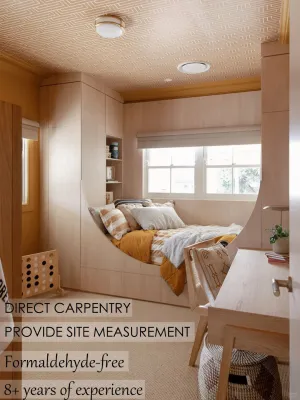


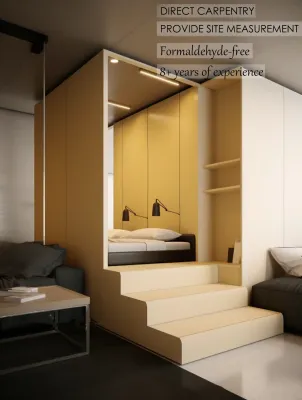
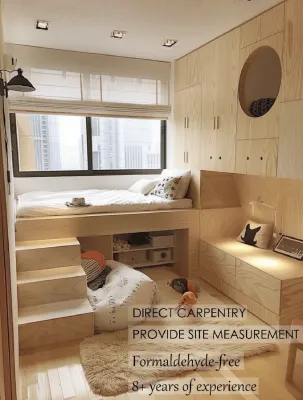

Prices are valid at publication and may change. Please refer to the product page for the latest price.
Material safety is equally critical, especially since the bed will be positioned in a sunlit window bay where solar heat can accelerate chemical off-gassing. Inspect the material labels for low volatile organic compound (VOC) emissions. Engineered wood products, such as MDF or plywood, should carry an E0 or E1 formaldehyde emission rating, or a GREENGUARD Gold certification. These labels ensure that the adhesives and binders used in the wood do not release harmful gases into your child’s sleeping environment.
Additionally, verify that all paints, varnishes, and surface finishes are non-toxic and lead-free. Look for compliance with EN 71-3, which is the European standard limiting the migration of certain chemical elements in toys and children’s products. This certification ensures that even if a toddler chews on the bed frame or guardrail, they will not be exposed to harmful heavy metals.
Finally, always confirm the manufacturer’s explicitly stated weight capacity and recommended age range. A window bay bed, due to its elevated nature, is generally not recommended for children under six years of age. Ensure the specified weight limit comfortably accommodates the combined weight of the mattress, your child, and any potential growth over the next few years. Never exceed these limits, as doing so compromises the structural integrity of the bed frame.
Evaluating Structural Design and Fall Prevention Features
Because a window bay bed is elevated and positioned against a glass pane, robust fall prevention is the most critical design requirement. The bed must feature sturdy, continuous guardrails on all open sides. When assessing guardrails, do not rely on visual estimates; consult the manufacturer’s safety manual for exact dimensions. The top of the guardrail should stand at least 160 mm above the top surface of the mattress. To maintain this safety margin, you must select a mattress thickness that matches the manufacturer’s recommendations; a mattress that is too thick will dangerously reduce the effective height of the guardrail.

Slat spacing and gaps within the bed frame must be carefully evaluated to prevent head or limb entrapment. Gaps between individual guardrail slats, or between the bed frame and the adjacent wall, must be small enough to prevent a child’s head from slipping through. Standard safety guidelines dictate that these gaps should be less than 60 mm. Alternatively, gaps larger than 230 mm are sometimes acceptable to prevent neck entrapment, but for a window-adjacent bed, keeping all gaps under 60 mm is the safest approach to prevent any part of the child’s body from slipping through.
Stability is another major concern, particularly if the bed is installed on a raised concrete ledge. The bed frame must include robust anti-tip mechanisms. Verify that the design allows for secure anchoring directly to the concrete wall or the window frame structure. A free-standing bed placed on a window ledge is highly unstable and poses a severe tip-over risk if a child climbs or leans against the outer edge.
Lastly, physically inspect the bed frame for physical hazards. Ensure all corners are rounded and smooth to prevent bruising during active play. All assembly hardware, such as bolts and screws, must be fully recessed or covered with flush-fitting plastic caps. There should be no protruding parts, sharp wooden edges, or potential pinch points where small fingers could get caught during sleep or play.
Managing Window-Specific and Environmental Hazards
Placing a bed directly inside or against a window bay introduces environmental hazards that standard bedrooms do not face. The most critical of these is window security. In Singapore’s high-rise residential buildings, windows near a child’s bed must be fitted with heavy-duty window restrictors or safety grilles. These restrictors must limit the window opening to a maximum of 10 to 15 centimeters, preventing a child from climbing out. Ensure these locks require a key or a dual-action release mechanism that a young child cannot easily bypass.
Strangulation hazards from window treatments are another major risk in a window bay sleeping area. Dangling cords from roller blinds, Roman shades, or Venetian blinds must be completely eliminated from the child’s reach. Secure all cords using wall-mounted tension devices, shorten them significantly, or replace them entirely with cordless window coverings. Ensure that curtain ties and decorative fabric panels are also kept far away from the sleeping zone.
Thermal comfort and glass safety must also be managed. Direct sunlight can cause the window bay area to heat up rapidly, potentially causing discomfort or heat stress during naps. Use high-quality thermal curtains or UV-blocking window films to regulate the temperature. Furthermore, check the window glass for safety or tempered glass markings. If the window does not feature tempered or laminated glass, apply a professional safety film to the pane. This film holds the glass shards together in the event of an accidental impact, preventing severe lacerations if a child bumps into the window.
Safe Installation, Anchoring, and Maintenance Boundaries
Safe installation is just as important as choosing the right bed design. When assembling the window bay bed, follow the manufacturer’s exact instructions without deviation. Never skip any structural dowels, screws, or bracing brackets. Because Singapore homes typically feature concrete or masonry walls, you must use appropriate masonry plugs and heavy-duty screws to anchor the bed frame. Standard drywall anchors or generic adhesive strips are entirely inadequate and will fail under the dynamic load of a child moving on the bed.
Once installed, the bed requires regular safety audits. Singapore’s humid climate can cause solid wood to expand and contract, which may gradually loosen joints and fasteners over time. Establish a monthly schedule to inspect the bed. Physically check all joints, slats, guardrails, and anti-tip straps to ensure they remain tight and secure. Shake the frame gently to verify that there is no wobbling or shifting away from the wall or window ledge.
Finally, establish clear stop-use conditions for the bed. If you notice structural creaking that does not resolve after tightening the hardware, visible cracks in load-bearing wooden components, or any compromise in the wall-anchoring system, stop using the bed immediately. Do not attempt temporary DIY fixes with tape, glue, or unapproved brackets. Keep the child off the bed until a qualified professional can assess and repair the structure, or replace the bed entirely if the structural integrity cannot be fully restored.
Frequently Asked Questions (FAQ)
Can a standard window seat be safely converted into a child's bed?
Standard architectural window seats are designed for temporary sitting, not for sleeping, and they typically lack the structural provisions required for a child’s bed. They generally do not feature built-in guardrails, proper mattress ventilation, or secure anchoring points designed to withstand the dynamic forces of a child tossing and turning. Converting a standard window seat into a safe sleeping area requires extensive professional modification to install certified guardrails and ensure proper fall protection. If you cannot definitively verify the original load capacity, material safety, and anchoring integrity of the window seat, you should avoid converting it and instead purchase a purpose-built kids’ window bay bed.
What should I do if the window bay bed does not include an anti-tip kit?
If your window bay bed arrives without the necessary anti-tip kit or anchoring hardware, do not assemble or use the bed. Contact the manufacturer or authorized retailer immediately to request the official replacement parts. Using the bed without secure wall anchoring compromises its structural safety and poses a severe tip-over hazard. Avoid using generic, untested hardware store brackets to secure the bed, as these may not be rated for the specific weight and forces associated with children’s furniture. Wait until you have the manufacturer-approved anchoring system fully installed before allowing your child to use the bed.

Community discussion
Share your experience or ask a question. Comments are reviewed before publication.