
Quick Answer: What to Look for in a Safe Kids Loft Bed
Elevating a child’s sleeping area is an excellent way to maximize floor space in compact urban homes, but it introduces unique safety considerations. When shopping for a loft bed for kids, the primary indicator of safety is compliance with recognized international safety standards. Parents should look for clear certification labels, such as the European EN 747 or the American ASTM F1427, which are typically printed on the product packaging, user manuals, or sewn-in tags.
Beyond checking for these labels, verifying the physical design of the bed is crucial. This includes inspecting the height of the guardrails relative to the mattress, testing the stability of the ladder, and measuring gap spacing to prevent entrapment. Before finalizing any purchase, always request official compliance documentation or independent test reports from the retailer to ensure the claims are backed by rigorous testing.
Recognized International Safety Benchmarks for Loft Beds
When evaluating a loft bed for kids, relying on marketing claims is rarely sufficient. Instead, look for specific, standardized testing certifications that prove the furniture piece has undergone rigorous mechanical and structural evaluations. The two most widely recognized international standards for elevated beds are the European standard EN 747 and the American standard ASTM F1427.
Products mentioned in this guide
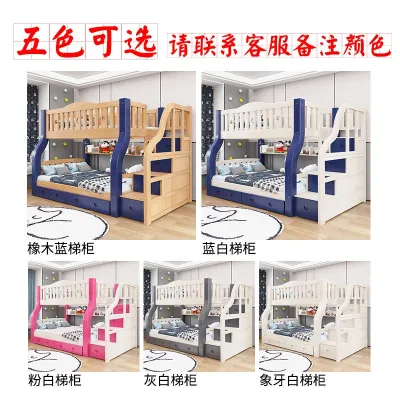
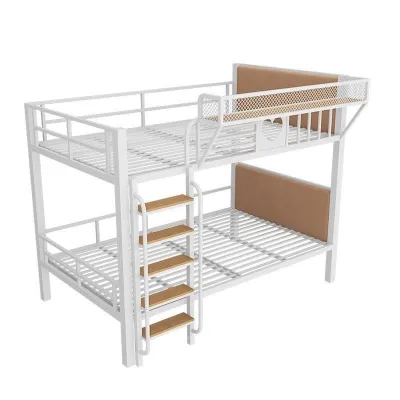
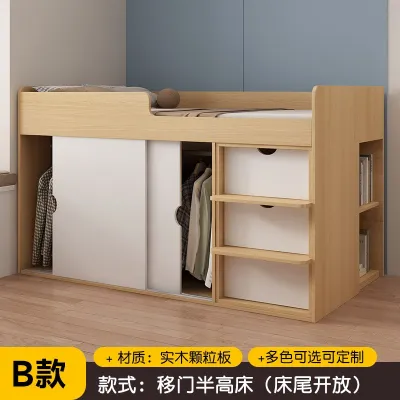
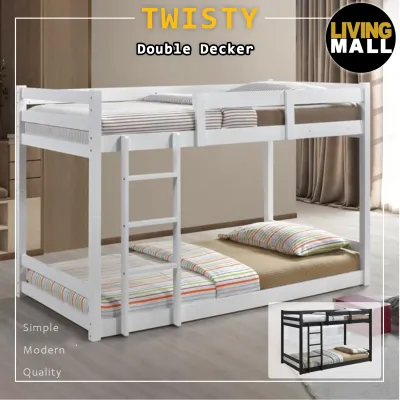
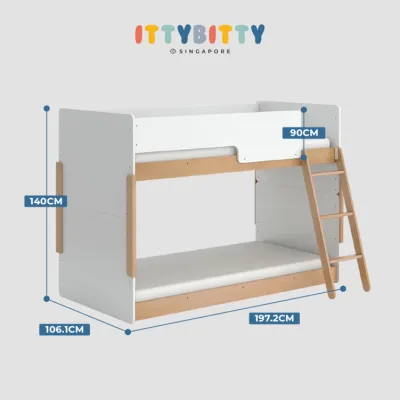
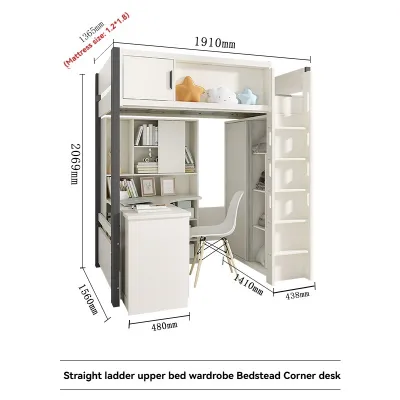
Prices are valid at publication and may change. Please refer to the product page for the latest price.

The EN 747 standard is a comprehensive European benchmark specifically designed for domestic bunk beds and high beds. This standard is divided into two parts: one covering safety, strength, and durability requirements, and the other detailing the test methods used to evaluate these factors. When a loft bed complies with EN 747, it means the design has been tested for structural stability, frame strength, and the integrity of the guardrails under simulated long-term use.
Similarly, the ASTM F1427 standard is the standard consumer safety specification for bunk beds established by ASTM International in the United States. This benchmark focuses heavily on minimizing hazards associated with entrapment, falls, and structural failures. It outlines strict dimensional requirements for guardrails, ladders, and openings to ensure that a child cannot become trapped or fall through gaps in the bed structure.
To locate these standard references, start by examining the product’s physical tags. Certified loft beds often feature a permanent label or a sewn-in tag on the underside of the bed frame or inside the guardrail. Additionally, reputable manufacturers will clearly list these certifications in the product manual, assembly instructions, or on their official website product pages. If this information is not readily visible, it is a signal to contact the retailer directly for clarification.
Critical Structural and Design Features to Inspect
While certifications provide peace of mind, physically inspecting the structural and design features of a loft bed is an essential step in the selection process. This is particularly important when planning the layout of a child’s bedroom, where ceiling height and available floor space must be carefully measured. In typical high-rise apartments, such as HDB flats or condominiums, ceiling heights often range between 2.6 and 2.8 meters. This means you must measure the finished dimensions of the loft bed to ensure there is adequate clearance—ideally at least 75 centimeters—between the top of the mattress and the ceiling.
Guardrail coverage is one of the most critical safety features to verify. According to safety standards, guardrails must be installed on all four sides of the elevated bed, with only a specific opening allowed for the ladder. The top of the guardrails must extend a minimum height above the top surface of the mattress. This height is specified in the product manual and is designed to prevent a sleeping child from rolling over the edge. When inspecting a bed, always check the manufacturer’s recommended mattress thickness to ensure the guardrails will remain effective once the mattress is in place.
Ladder stability and design require close scrutiny. The ladder should be securely attached to the bed frame with robust hardware, preventing any shifting or wobbling when weight is applied. Step spacing must be uniform, and the steps themselves should be wide enough to provide stable footing. Look for ladders that feature slip-resistant surfaces or tread grips to prevent slipping, especially when a child is climbing up or down in the dark.
Slat and gap spacing must be carefully evaluated to eliminate entrapment hazards. Gaps between individual guardrail slats, ladder rungs, and the bed frame must be small enough to prevent a child’s head, neck, or limbs from getting caught. Conversely, any larger openings must be wide enough to allow a child’s body to pass through completely without trapping their head. Refer to the manufacturer’s safety guide to verify that all gaps conform to standard safety dimensions.
Finally, consider the practical aspects of delivery and installation. Ensure that the packaged boxes can fit through your home’s doorways, hallways, and lift access points. The overall stability of the bed frame depends heavily on the quality of its joints and materials. While solid wood and heavy-duty metal are common choices, their durability depends on proper joint construction and regular maintenance rather than the material name alone.
How to Verify Safety Claims and Certifications
In the furniture industry, it is common to encounter vague marketing phrases such as “child-safe,” “non-toxic,” or “rigorously tested.” To ensure your child’s safety, you must learn to distinguish these generic claims from authentic, verifiable certifications. Genuine safety claims are always backed by official documentation issued by independent, third-party testing laboratories.
Before purchasing a loft bed for kids, ask the retailer or brand representative for a copy of the Declaration of Conformity or the independent test reports. A reputable seller should be able to provide documentation showing that the specific model has been tested against EN 747, ASTM F1427, or local safety regulations. These reports will detail the testing laboratory, the date of the test, and the specific standards met.
Be cautious of products sold on unverified online marketplaces or third-party ecommerce platforms where product origins and safety standards may be difficult to trace. Prioritize purchasing from official brand stores, authorized distributors, or established local retailers. These channels are more likely to maintain strict quality control, offer reliable customer support, and provide genuine warranty coverage.
When reviewing certification marks, look for recognized testing body logos, such as TÜV Rheinland, SGS, or Intertek, alongside the standard numbers. These logos indicate that an independent organization has verified the manufacturer’s compliance claims. If a retailer is hesitant to provide this documentation or dismisses your inquiries, it is best to look for alternative options that offer full transparency.
Safe Assembly, Installation, and Ongoing Maintenance
The safety of a loft bed does not end with a certified design; it depends heavily on correct assembly, proper installation, and consistent maintenance over time. Even the most robustly engineered bed can become hazardous if it is put together incorrectly or installed in an unsuitable environment.
Always follow the manufacturer’s exact assembly instructions step-by-step. Do not skip any parts, and use only the hardware provided or explicitly approved by the manufacturer. Substituting screws, bolts, or brackets with generic hardware can compromise the structural integrity of the frame. If the instructions are complex, hiring a professional assembly service—which typically ranges from S$80 to S$150 depending on the complexity—can ensure the bed is built safely.
Wall compatibility and anchoring are vital for preventing tip-over accidents. Many loft beds require anchoring to the wall to ensure stability, especially when a child is climbing the ladder. Assess your wall type before installation; for instance, concrete or brick walls common in local homes require different wall plugs and screws than drywall or partition walls. Install the anti-tip anchoring kits strictly according to the safety manual’s specifications.
Routine maintenance is essential to keep the loft bed safe throughout its lifespan. Periodically inspect the bed frame, ladder, and guardrails for any signs of wear, structural shifting, or loose joints. Bolts and screws can naturally loosen over time due to the movement of the child climbing and sleeping. Set a regular schedule—such as every few months—to tighten all hardware and verify that the bed remains completely stable and wobble-free.
Frequently Asked Questions (FAQ)
At what age is it generally considered safe for a child to use a loft bed?
Elevated beds, including loft beds, are generally not recommended for children under the age of six. Always check the manufacturer’s specific minimum age and weight recommendations, as some designs may have different limits. Beyond age, assess your child’s physical coordination to ensure they can climb the ladder safely, and their cognitive maturity to understand that the elevated platform is not a play area.
Can I use a thicker mattress than recommended if the guardrails are high enough?
No, you should never exceed the manufacturer’s specified maximum mattress thickness. Doing so reduces the effective height of the guardrails above the sleeping surface, which significantly increases the risk of a child rolling over the edge and falling. Always measure the mattress thickness and compare it to the safety line marked on the bed frame or the specifications in the user manual to maintain the certified safety clearance.

Community discussion
Share your experience or ask a question. Comments are reviewed before publication.