
Choosing a loft bed with desk for your child is an excellent way to maximize floor space, especially in compact urban apartments where bedrooms pull double duty as study areas and play zones. By elevating the sleeping platform, these versatile furniture pieces free up valuable square footage underneath for a dedicated study desk, shelving, or a cozy reading nook. However, introducing height into a child’s bedroom naturally elevates the importance of safety. A loft bed must be robust enough to withstand daily climbing, active play, and the natural movement of a sleeping child.
To ensure a secure environment, parents must look beyond aesthetic appeal and focus on the structural integrity, design specifications, and material quality of the bed. Evaluating safety features systematically allows you to select a model that minimizes the risk of falls, structural failures, or entrapment. This guide outlines the critical safety features to inspect when shopping for a loft bed with desk, helping you make an informed decision that protects your child while optimizing their room’s layout.
Structural Stability and Weight Capacity
The foundation of any safe loft bed is its structural stability. Before committing to a purchase, you must evaluate the frame’s overall sturdiness and its ability to handle both static and dynamic loads. Start by checking the manufacturer’s stated maximum weight capacity. This limit must comfortably accommodate the weight of your child, the mattress, pillows, heavy bedding, and any books, laptops, or toys they might bring up with them. Keep in mind that children grow quickly, so choosing a bed with a generous weight margin ensures long-term safety.
Products mentioned in this guide

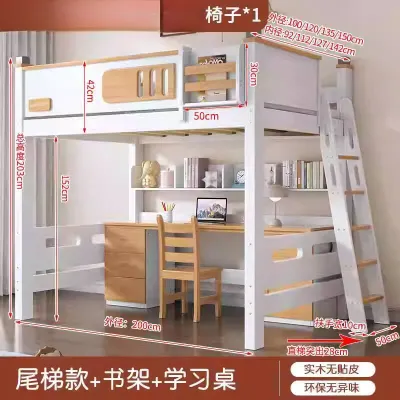
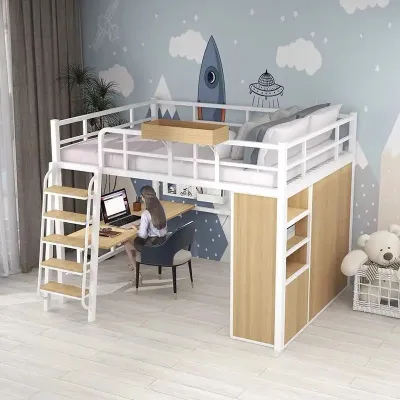
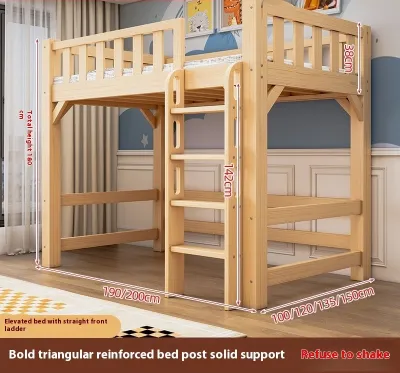

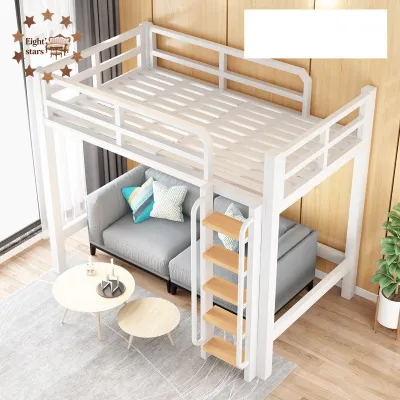
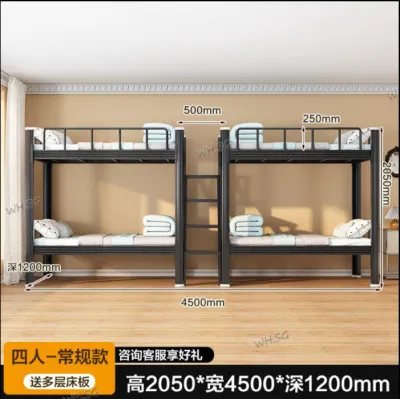
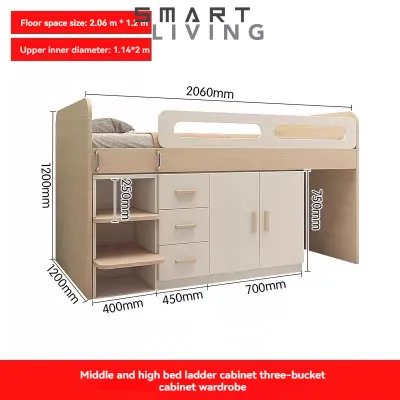
Prices are valid at publication and may change. Please refer to the product page for the latest price.
Next, inspect the construction of the frame joints, which are the primary points of stress. High-quality loft beds utilize robust joinery, such as metal-to-metal barrel nuts and bolts, rather than simple wood screws that can loosen, strip, or split the wood over time. Look for frames that incorporate reinforced corner brackets, heavy-duty steel gussets, or diagonal cross-bracing on the back and sides. These structural reinforcements prevent lateral swaying—often referred to as “rack”—which can weaken the frame over time and cause the bed to feel unstable when your child climbs or moves around.
Additionally, verify the presence and placement of center support legs or heavy-duty slat support systems. If the product design specifies center supports, ensure they are constructed from the same high-quality materials as the main frame. A robust slat system, preferably made from solid wood or thick metal bars, is essential for distributing weight evenly across the platform. This prevents the mattress from sagging and reduces the localized stress placed on individual frame components, ensuring the entire structure remains rigid and secure.
Fall Prevention and Guardrail Specifications
Falls from elevated sleeping platforms represent one of the most common safety concerns associated with loft beds. To mitigate this risk, guardrails are an absolute necessity, and their specifications must be checked with precision. Review the manufacturer’s technical details to ensure that guardrails are installed on all four sides of the bed. Even if the bed is positioned flush against a wall, a guardrail on the wall-facing side is crucial to prevent a child from slipping into the gap between the bed frame and the wall.

The height of the guardrail relative to the mattress is a critical safety metric. Standard safety guidelines dictate that the top of the guardrail must extend significantly above the top surface of the mattress. To maintain this protective barrier, you must confirm the maximum allowable mattress thickness indicated on the product’s safety label. Installing a mattress that is too thick will compromise the guardrail’s effective height, making it easier for a child to roll over the edge during sleep. Always measure your mattress thickness before purchasing to ensure it aligns with the manufacturer’s recommendations.
Entrapment is another hazard that can be prevented through careful inspection of guardrail spacing. Examine the gap widths between the individual vertical or horizontal slats of the guardrails. These gaps must be narrow enough to prevent a child’s head, torso, or limbs from slipping through and becoming trapped. The same spacing rule applies to the gap between the lowest guardrail slat and the top of the bed frame. Ensuring these openings are tightly regulated provides peace of mind, knowing that your child is secure within the sleeping enclosure throughout the night.
Ladder or Staircase Safety
Accessing an elevated bed requires a reliable climbing mechanism, making the ladder or staircase one of the most frequently used components of the furniture. When comparing different models, consider the stability, footprint, and ease of use of angled ladders versus vertical ladders. Angled ladders extend outward from the bed frame, providing a gentler incline that is generally easier and safer for younger children to climb. However, they occupy more floor space, which may be a constraint in smaller rooms. Vertical ladders save space by hugging the frame tightly, but they require greater physical coordination and grip strength.
Regardless of the style you choose, the design of the steps or treads is paramount. Verify that the ladder steps have adequate depth and width to allow your child to place their feet securely. Narrow, rounded metal rungs can be painful to climb and increase the risk of slipping, especially if the child is wearing socks. Look for steps with flat, wide surfaces that feature slip-resistant textures, grooved patterns, or integrated grip tape to provide traction during late-night descents.
The connection between the ladder and the main bed frame must be exceptionally secure. Inspect the attachment mechanism to ensure it uses rigid, bolted connections rather than simple hang-on hooks that can lift or slide out of place. A safe ladder should not wobble, flex, or shift when weight is applied. If you opt for a staircase model, which often includes integrated storage drawers, ensure the entire staircase unit is bolted directly to the bed frame to form a single, immovable structure.
Under-Bed Desk Area and Clearance Safety
The integrated desk area beneath a loft bed is a highly functional space, but it must be designed with safety in mind to prevent injuries during daily study or play. Begin by measuring the vertical clearance from the surface of the desk to the underside of the bed slats. There must be sufficient headroom for your child to sit upright in their study chair, work comfortably, and stand up without the risk of bumping their head against the upper frame. Consider your child’s current height and projected growth over the next few years when evaluating this clearance.
Inspect the physical design of the desk and any accompanying shelving or drawers. Look for rounded corners, eased edges, and smooth finishes on all surfaces. Sharp, 90-degree corners on wooden or metal desks pose a significant hazard for impact injuries, particularly in tight spaces where children move quickly. High-quality furniture designs prioritize smooth, contoured edges that minimize the severity of accidental bumps.
Furthermore, the stability of the desk structure itself is critical. Because children often lean heavily on desks, rest their elbows, or even attempt to sit on the desktop, the desk must be firmly anchored. Verify that the desk is securely bolted to the main vertical posts of the loft bed frame. If the desk is a floating or cantilevered design, check that it features robust metal support brackets. For maximum safety, the entire loft bed assembly, including the desk, should be anchored to the wall to prevent any tipping or structural collapse under unevenly distributed weight.
Material Quality, Finish, and Hardware Checks
The materials and hardware used in the construction of a loft bed with desk dictate its long-term safety, durability, and environmental impact. When evaluating wooden frames, prioritize solid hardwoods or high-density, multi-layered engineered wood designed specifically for structural furniture. Run your hands along the frame to check for smooth, splinter-free finishes. For metal frames, inspect the quality of the welds at the joints; they should be smooth, continuous, and free of sharp burrs or rough spots that could scratch skin or snag clothing.
Chemical safety is another crucial consideration, as children spend approximately eight to ten hours a day sleeping in close proximity to the bed’s materials. Verify that all paints, stains, varnishes, or powder coatings used on the bed carry non-toxic, low-VOC (volatile organic compound) compliance labels. These certifications ensure that the furniture does not release harmful chemical fumes into your child’s bedroom, promoting a healthier indoor air environment.
Finally, conduct a thorough check of the assembly hardware. All exposed bolts, screws, nuts, and brackets should be designed to minimize injury risks. Look for hardware systems where the bolt heads are recessed into pre-drilled counterbores in the wood, leaving them flush with or below the surface of the frame. If any hardware remains exposed, ensure the manufacturer provides smooth, durable plastic safety caps to cover the metal edges, preventing accidental scratches during play or bed-making.
Assembly, Placement, and Ongoing Maintenance
Even the most safely designed loft bed can become hazardous if it is assembled incorrectly or placed in an unsuitable location. When assembling the bed, follow the manufacturer’s instructions meticulously. Use only the hardware provided in the packaging, and do not substitute missing screws or bolts with random alternatives from a hardware store. If any parts are missing or damaged, contact the manufacturer directly for official replacements.
Wall anchoring is a critical step in securing a loft bed with desk, especially in high-activity children’s rooms. Many manufacturers recommend or require anchoring the bed frame directly to the wall studs to eliminate wobble and prevent tip-over accidents. If you are installing the bed in a home with concrete walls, which are common in Singapore apartments, ensure you use appropriate masonry wall plugs and heavy-duty screws. If you are unsure about the wall type or lack the necessary tools, consult a qualified professional installer to ensure a secure mount.
Room placement requires careful planning to avoid environmental hazards. Position the loft bed well away from ceiling fans, air conditioning units, windows, and hanging blind cords. In warm climates like Singapore, ceiling fans are common, and placing an elevated bed too close to a spinning fan poses a severe injury risk. Additionally, keep the bed away from windows to prevent fall hazards, and ensure blind cords are completely out of reach to eliminate strangulation risks. Once the bed is in use, establish a routine maintenance schedule. Check and tighten all assembly bolts and joint connections after the first few weeks of use, and repeat this physical inspection every few months to ensure the structure remains rock-solid.
Frequently Asked Questions (FAQ)
At what age is it generally safe for a child to use a loft bed?
To determine if a loft bed is appropriate for your child, always check the specific minimum age warning label on the product packaging or in the user manual. As a general safety standard, elevated beds, including loft beds, are not recommended for children under six years of age. Beyond chronological age, you should evaluate your child’s physical coordination, maturity, and behavioral readiness. Consider whether they can navigate the ladder safely in the dark, if they have a habit of sleepwalking, and whether they can consistently follow safety rules, such as refraining from jumping or playing rough on the elevated platform.
How often should I check and tighten the hardware on a loft bed?
You should consult the manufacturer’s recommended maintenance schedule for specific guidance on hardware upkeep. As a practical rule of thumb, perform a thorough physical and visual inspection of all bolts, screws, and joint connections a few weeks after the initial assembly, as the components often settle after early use. Following this initial check, establish a routine to inspect the hardware every three to six months. If you notice any new squeaking, wobbling, or lateral movement when your child climbs the ladder, immediately locate the source and tighten the affected fasteners to maintain structural integrity.
Community discussion
Share your experience or ask a question. Comments are reviewed before publication.