
When configuring a shared bedroom or maximizing a compact layout, a space saving bed like a children’s bunk bed is an excellent practical solution. However, elevating a sleeping platform introduces unique safety considerations that parents must address before making a purchase. Ensuring your child’s safety requires looking beyond aesthetics and focusing on structural integrity, secure guardrails, reliable ladder designs, and proper room placement.
To make an informed decision, you must know exactly what physical features to inspect and what specifications to verify with the manufacturer. From checking the load-bearing capacity to assessing the stability of the frame under daily use, taking a systematic approach to safety will give you peace of mind. This guide outlines the essential safety checks and practical steps to ensure your chosen bunk bed remains a secure and comfortable haven for your children.
Structural Integrity and Stability Checks
The foundation of any safe bunk bed lies in its structural integrity. Before committing to a specific model, you must verify the manufacturer’s stated weight capacity for both the top and bottom bunks. Children grow rapidly, and the bed must be robust enough to support their increasing weight over several years. Always check the official product specifications for these weight limits, and remember that these limits must account for both the child and the mattress.
Products mentioned in this guide
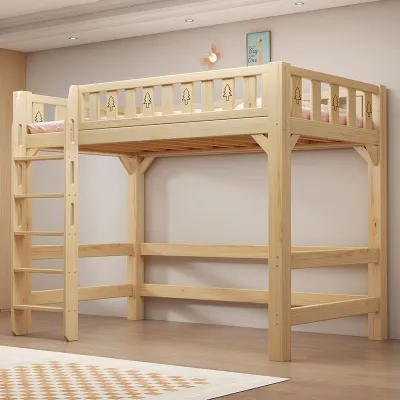
![[TheGoodFurniture] 双层单人铁床 Double Deck Metal Bed. Heavy Duty Double decker. Single size bed. Budget cheap warehouse pricing. Economy and space saving for 2 pax. *FAST DELIVERY*](https://img.lazcdn.com/g/p/7d18015b240dde3edb1d898bf08e0ffd.jpg_400x400q80.jpg_.webp)
Prices are valid at publication and may change. Please refer to the product page for the latest price.
Frame material and joint construction are critical indicators of long-term durability. If you are opting for a wooden frame, inspect the joints to ensure they utilize heavy-duty metal-to-metal connectors, such as barrel nuts and bolts, rather than simple wood screws that can strip the wood over time. For metal frames, examine the quality of the welds and the thickness of the tubing. High-quality construction prevents the frame from loosening, swaying, or squeaking during movement.
Assess the overall footprint of the bed to ensure its space-saving design does not compromise its physical stability. A well-designed space saving bed should have a broad, stable base that resists tipping. When visiting a showroom, physically shake the bed frame from the side and the top to check for any wobble. If the bed sways easily under moderate pressure, it may lack the structural reinforcement needed for active children.
Additionally, consider the practical logistics of delivery and installation. Measure your home’s doorway clearances, hallway turns, and lift dimensions to ensure the flat-packed or pre-assembled components can safely reach the bedroom. A bed that is difficult to maneuver may suffer structural damage during transit or assembly, compromising its safety before it is even used.
Guardrails and Fall Prevention Standards
Falls from the top bunk are among the most common concerns for parents, making robust guardrails an absolute necessity. Ensure that guardrails are present on all four sides of the top bunk, including the side that will be positioned against the bedroom wall. Children can easily shift during sleep, and a gap between the bed and the wall poses a significant risk of entrapment or falls if the bed slides slightly away from the wall.

Verify that the physical gap between the lower edge of the guardrail and the top of the mattress support platform is small enough to prevent a child’s limbs or head from slipping through. Generally, these gaps should be minimal. You should also measure the height of the guardrail relative to the mattress. The top of the guardrail must extend significantly above the surface of the mattress to prevent a sleeping child from rolling over the edge.
Inspect how the guardrails are attached to the bed frame. They should be securely bolted or integrated directly into the main structure rather than held in place by simple friction clips or light screws. A child leaning or pushing against the guardrail should not cause it to flex, slide, or detach. If the guardrail feels flimsy or moves when pressured, look for a model with more robust fastening hardware.
Ladder and Access Safety
The ladder is the primary pathway to the top bunk and requires careful evaluation to prevent slips and falls. Start by assessing the ladder’s angle and the width of its steps. A ladder that is completely vertical can be challenging for younger children to climb safely, whereas a slightly slanted ladder offers a more natural climbing angle. However, ensure that a slanted ladder does not protrude so far into the room that it becomes a tripping hazard in tight spaces.
Confirm that the ladder is firmly and permanently attached to the bed frame. It should be secured with heavy-duty bolts or brackets that prevent it from shifting, sliding, or lifting off the frame when weight is applied. Avoid models with ladders that merely hook over the side rail without any locking mechanism, as these can easily be kicked loose or displaced during active play.
Examine the steps themselves for safety features. The rungs should be wide and flat rather than narrow and round, providing a comfortable and secure surface for bare feet. Check for anti-slip textures, grooved surfaces, or grip tape on the steps to prevent slipping, especially if children are wearing socks. Finally, run your hands along the ladder to ensure there are no sharp edges, splinters, or protruding hardware that could cause scratches or snag clothing.
Mattress Fit and Entrapment Hazards
A poorly fitting mattress can create dangerous gaps that pose entrapment and suffocation hazards. Always refer to the manufacturer’s guidelines to identify the maximum recommended mattress thickness for the top bunk. If the mattress is too thick, it reduces the effective height of the guardrail, making it easier for a child to roll over the top. Typically, the mattress should leave a substantial safety barrier from its top surface to the top of the guardrail.
Check for any gaps between the edges of the mattress and the inner sides of the bed frame. The mattress must fit snugly within the frame on all sides. If you can easily insert more than two fingers between the mattress and the frame, the gap is too wide. Such gaps can trap a child’s hand, foot, or head, leading to serious injury.
Ensure that the mattress size you purchase matches the bed frame’s specified dimensions exactly, whether it is a standard Single or Super Single size. Do not attempt to force an oversized mattress into a smaller frame, as this can cause the mattress to buckle or bow upward, creating an uneven and unstable sleeping surface. Conversely, an undersized mattress will slide around, creating unpredictable and dangerous gaps.
Assembly, Placement, and Room Environment
Proper assembly and thoughtful room placement are just as important as the physical features of the bed itself. When assembling the bed, follow the manufacturer’s instructions precisely, ensuring that every screw, bolt, dowel, and safety bracket is installed in its correct position. Never skip steps, leave out hardware, or substitute original parts with unapproved alternatives, as this can severely compromise the bed’s structural integrity.
Evaluate the layout of the bedroom before positioning the bed. In many apartments, ceiling heights can vary, and ceiling fans or light fixtures are common. Ensure there is ample clearance between the top bunk and the ceiling so your child can sit up comfortably without bumping their head. Position the bed far away from ceiling fans, light fixtures, windows, and dangling blind cords to eliminate the risk of entanglement or impact injuries.
Determine whether the specific bunk bed model requires wall anchoring for added stability. Many tall space saving beds come with wall brackets designed to prevent tip-overs. If anchoring is required, verify your wall type before installation. Concrete walls, common in many modern apartments, require specific masonry wall plugs and drills, whereas drywall requires stud finders and appropriate hollow-wall anchors to ensure a secure hold.
Age Appropriateness and Usage Rules
Establishing clear guidelines for how the bunk bed is used is essential for maintaining a safe sleeping environment. Review the manufacturer’s minimum age recommendation for the top bunk. Generally, the top bunk is not suitable for children under the age of six, as younger children may lack the coordination, balance, and spatial awareness required to climb the ladder safely and navigate the elevated platform.
Set firm household rules regarding behavior around the bed. Prohibit rough play, jumping on either the top or bottom mattress, and using the ladder for gymnastics. Explain to your children that the bed is strictly for sleeping and quiet activities. Additionally, make it a rule that no items such as jump ropes, bags, or belts should be hung from the guardrails or frame, as these can present severe strangulation hazards.
Finally, incorporate regular maintenance checks into your household routine. Wood can expand and contract with seasonal humidity changes, and regular use can cause metal fasteners to back out slightly. Periodically inspect all bolts, screws, and joints, tightening any that have become loose over time. Checking the stability of the ladder and guardrails every few months ensures the bed remains safe and secure for years to come.
Frequently Asked Questions (FAQ)
Are bunk beds safe for toddlers?
The top bunk of a bunk bed is generally unsafe for toddlers due to their developing motor skills, coordination, and spatial awareness. Toddlers are at a much higher risk of falling from the ladder or rolling over the guardrails. However, the bottom bunk can be safe for a toddler, provided it is low to the ground and equipped with appropriate toddler safety rails to prevent accidental falls during the transition from a cot. Always ensure there are no entrapment hazards between the mattress and the frame.
How often should I inspect the bunk bed's hardware?
You should perform an initial hardware check approximately two to four weeks after assembly, as the materials settle and the joints adjust to the weight of the mattresses and children. After this initial check, establish a routine inspection schedule every three to six months. Focus your attention on high-stress areas, such as the ladder attachments, guardrail brackets, and the main corner joints of the frame, tightening any loose bolts to maintain structural rigidity.

Community discussion
Share your experience or ask a question. Comments are reviewed before publication.