
Choosing a wood bed 2 layer—commonly known as a wooden bunk bed—for a children’s bedroom is an excellent way to maximize floor space, especially in space-constrained apartments like those in Singapore. However, elevating a sleeping platform introduces specific safety responsibilities. Ensuring your children remain safe while sleeping and playing requires a systematic evaluation of the bed’s design, structural integrity, and installation environment. Rather than relying solely on aesthetics, parents must inspect physical features, verify manufacturer specifications, and understand how the furniture interacts with the room itself.
When selecting a wood bed 2 layer, safety is not defined by a single feature but by a combination of secure guardrails, stable access points, robust mattress supports, and non-toxic materials. Before making a purchase or completing assembly, you must measure your available space, check doorway and lift access for delivery, and evaluate the physical stability of the frame. This guide outlines the essential safety features to verify, helping you establish a secure sleeping environment that accommodates your children’s growth and daily activities.
Guardrails and Fall Prevention
The guardrails on the upper bunk serve as the primary defense against accidental falls during sleep. When evaluating a wood bed 2 layer, the height of these guardrails relative to the mattress is the most critical dimension to verify. Safety guidelines generally dictate that the top of the guardrail must extend significantly above the surface of the mattress. To ensure this protection remains effective, you must check the manufacturer’s specifications for the maximum allowable mattress thickness. If the mattress is too thick, it reduces the effective height of the barrier, making it easier for a child to roll over the edge.
Products mentioned in this guide
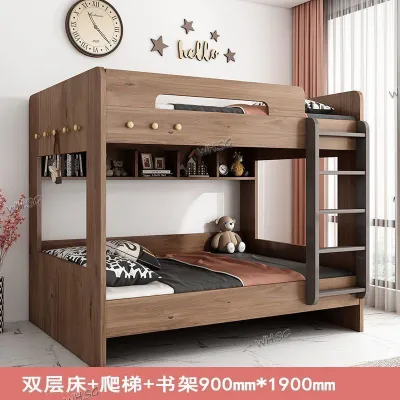
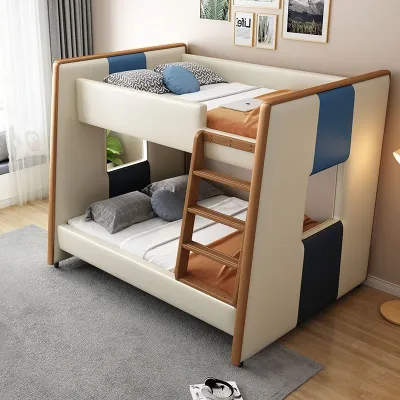
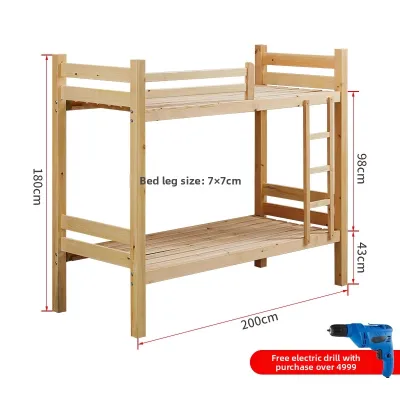
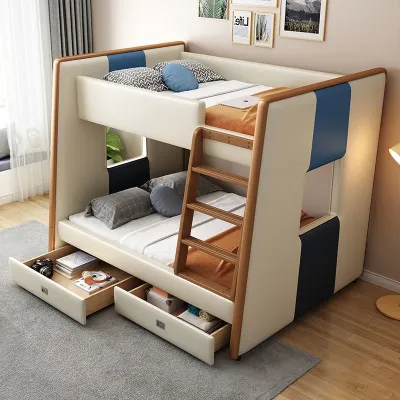
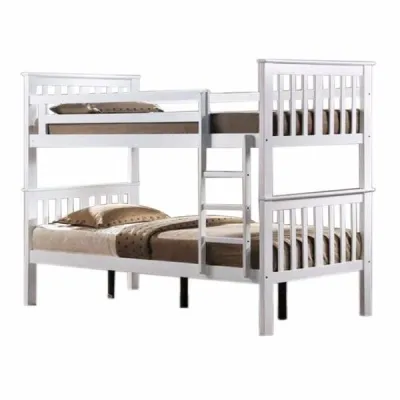
Prices are valid at publication and may change. Please refer to the product page for the latest price.
Continuous coverage is another essential aspect of guardrail safety. The upper bunk must have guardrails on all four sides, including the side facing the wall. While it might seem that placing the bed flush against a wall eliminates the need for a barrier, gaps can easily form as the bed shifts or the mattress compresses. A child can slip into the space between the bed frame and the wall, leading to a dangerous entrapment hazard. Ensuring a continuous guardrail on the wall-facing side prevents this risk entirely, keeping the sleeping area fully enclosed except for the designated ladder entry point.
Finally, inspect the physical gaps within the guardrail structure itself and between the lower rail and the bed frame. These openings must be narrow enough to prevent a child’s head, torso, or limbs from slipping through. When examining a wooden bunk bed, look closely at the vertical slats or horizontal bars of the guardrail. If the spacing is too wide, it poses an entrapment risk. Verify these dimensions against the manufacturer’s product safety labels, and physically measure the gaps during assembly to ensure they conform to standard safety recommendations before allowing your child to use the bed.
Ladder Stability and Access Safety
Getting up and down from the top bunk requires a secure and reliable climbing path. A ladder that wobbles, slips, or detaches can easily lead to falls. When inspecting a wood bed 2 layer, prioritize models where the ladder is permanently secured, bolted, or integrated directly into the bed frame. Avoid designs that rely on simple hooks or gravity-based leaning mechanisms that can be easily dislodged by an active child. The attachment hardware should be heavy-duty and checked regularly to ensure it remains tight and flush against the wooden posts.

The design of the ladder rungs also plays a major role in climbing safety. Narrow, round rungs can be painful on a child’s feet and offer very little surface area for traction, increasing the likelihood of a slip. Look for flat, wide steps that allow for full foot placement. The surface of each rung should have a slip-resistant texture or finish, which is particularly important in humid climates where bare feet might lose grip on smooth, polished wood. The spacing between the rungs should be uniform, allowing your child to climb naturally without overextending their reach.
Additionally, consider how the ladder’s placement affects the overall layout of the room and the bed itself. The ladder should not block the entry opening of the guardrail or create a tight squeeze that makes transitioning from the ladder to the mattress awkward. It should also be positioned so that it does not protrude excessively into the room’s walking paths, creating a tripping hazard in the dark. Some wooden bunk beds offer flexible ladder placement on either the left or right side, allowing you to configure the bed to suit your specific room layout and ensure clear, unobstructed access.
Slat Spacing and Structural Integrity
The foundation of any bed is its mattress support system, which typically consists of wooden slats. For a wood bed 2 layer, the strength and spacing of these slats are vital for both mattress longevity and child safety. Slats must be spaced closely enough to prevent the mattress from sagging or pocketing, which can compromise support and create gaps where limbs could become trapped. Check the manufacturer’s product manual for the recommended slat spacing and verify if a solid bunkie board or additional support system is required for your specific mattress type.
Structural integrity also depends on the overall stability of the wooden frame. Before completing the final assembly and placing the mattresses, you should perform a physical stability test. Apply firm physical pressure to the corner posts and joints from different angles to check for any swaying, creaking, or wobbling. A high-quality wooden bunk bed should feel solid and rigid. If you notice any movement, double-check the tightness of the connection points and ensure all dowels, bolts, and locking mechanisms are fully engaged. If the frame continues to wobble, it may indicate a manufacturing defect or incorrect assembly that must be resolved before use.
Furthermore, always locate and verify the weight capacity labels for both the top and bottom bunks. These limits are determined by the manufacturer based on structural testing and must never be exceeded. Keep in mind that the weight limit must account for the combined weight of the mattress, bedding, the child, and any toys or books they bring into bed. As children grow rapidly, choosing a bed with a conservative weight capacity ensures the structure remains safe and supportive over several years of use.
Material Finish and Hardware Checks
The materials used to construct and finish a wooden bunk bed directly impact your child’s health and safety. Because children spend hours in close contact with their bed frames, it is essential to look for manufacturer declarations regarding non-toxic, lead-free, and low-VOC (volatile organic compound) finishes. Unfinished wood or beds treated with harsh chemical varnishes can off-gas harmful substances into the indoor air. Opt for water-based paints or natural oil finishes that are certified safe for children’s furniture, ensuring a healthier sleeping environment.
The hardware holding the bed together must also be carefully inspected. All screws, bolts, brackets, and dowels should be recessed below the wood’s surface or covered with smooth plastic caps. Exposed bolt heads or sharp metal edges can snag clothing, blankets, or pajamas, potentially causing a child to trip or become entangled. They can also cause painful scratches during active play. Run your hand along the frame’s joints and corners during assembly to verify that every fastener is flush and smooth.
Wood is a natural, dynamic material that responds to environmental conditions. In regions with fluctuating or high humidity, such as Singapore, wooden components will naturally expand and contract. This movement can gradually loosen the hardware over time, even if the bed was assembled perfectly. To maintain structural integrity, establish a routine maintenance schedule. Inspect and re-tighten all structural fasteners every few months, paying close attention to the joints connecting the guardrails, ladder, and main corner posts.
Age Appropriateness and Room Placement
Even the safest wood bed 2 layer requires proper usage and placement to prevent accidents. Age appropriateness is a fundamental safety factor; manufacturers universally recommend that the top bunk is not suitable for children under six years of age. Younger children may lack the coordination, balance, and developmental maturity to safely navigate the ladder or avoid rolling against the guardrails. Always adhere to these age guidelines, and ensure your younger child is assigned to the bottom bunk until they reach the appropriate age and developmental stage.
The physical placement of the bunk bed within the bedroom is equally critical. Position the bed well away from ceiling fans, light fixtures, and wall-mounted air conditioning units. A child sitting up or climbing on the top bunk could easily make contact with a spinning fan or hot fixture, leading to severe injury. Additionally, keep the bed clear of windows, especially those with blinds or curtains that use looped cords, which present a serious strangulation hazard.
Finally, measure the vertical clearance between the top of the upper mattress and the ceiling. There must be adequate space for your child to sit up comfortably without bumping their head. A general rule of thumb is to allow at least 75 to 90 centimeters of clearance from the top of the mattress to the ceiling. Be sure to factor in any false ceilings or low-hanging beams when taking these measurements. If your home has lower ceilings, you may need to look for low-profile bunk beds to ensure safe clearance.
Frequently Asked Questions (FAQ)
Can I use a regular mattress on the top bunk?
Using a standard, thick mattress on the top bunk is generally not recommended because it can compromise the safety of the guardrails. Guardrails require a minimum amount of clearance above the top of the mattress to prevent falls. A thick mattress reduces this safety margin, making the barrier less effective. Always refer to the manufacturer’s specifications for the maximum mattress thickness allowed on the top bunk—typically around 12 to 15 centimeters—and choose a low-profile mattress designed specifically for bunk beds.
How often should I inspect the bunk bed's hardware?
You should perform a thorough inspection of the bunk bed’s hardware at least once every three to six months. It is also wise to conduct the first check a few weeks after initial assembly, as the joints settle under the weight of use. Because wood naturally reacts to changes in room humidity by expanding and contracting, bolts and screws can gradually loosen over time. Regularly tightening these fasteners ensures the frame remains rigid, stable, and safe for your children.
Community discussion
Share your experience or ask a question. Comments are reviewed before publication.